Find partners
The Business of Influence

The Business of Influence

Hosted by Style ID Africa

BusinessMarketingInterviews guests

Episodes

76

Latest episode

Aug 2026

Language

EN-ZA

About the show

Welcome to the ultimate podcast for all things influencer marketing. Join our hosts, Style ID Africa Director Tami Ruschin and award winning influencer Leroy Marc, as they delve into the dynamic influencer landscape. Every week, we bring you engaging conversations with a diverse range of guests, including brand managers, influencers, content creators, PR and media experts, and entrepreneurs. With a finger on the pulse of the industry, we explore topics that matter, from social and digital media to online trends, monetisation strategies, new technologies, and the ever changing landscape.

Listen to episodes

60 recent
August 19, 202636 min

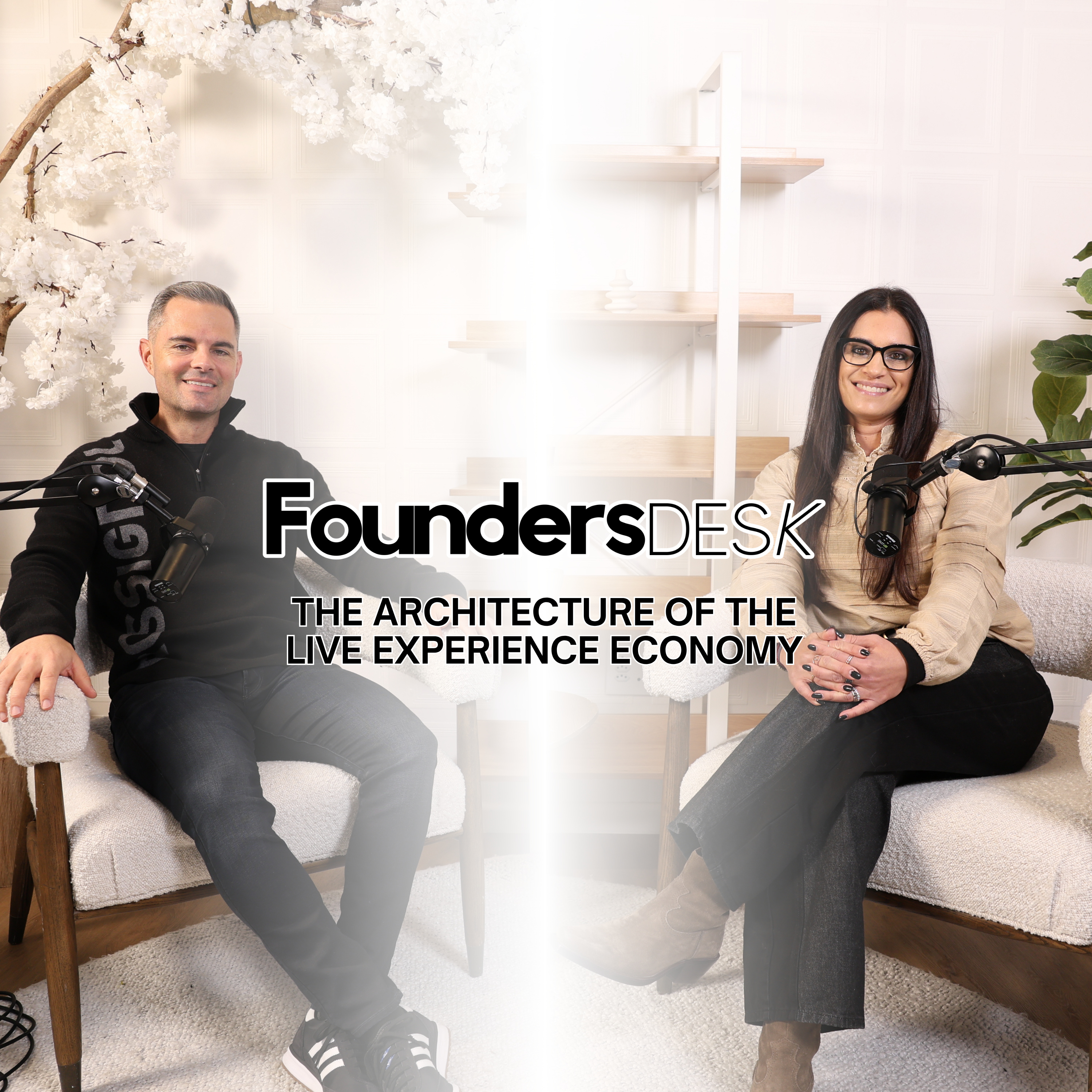
Ep. 12 The Architecture of the Live Experience Economy #FoundersDesk

ANYONE CAN PLAN AN EVENT. VERY FEW PEOPLE CAN MAKE YOU FEEL SOMETHING.In this episode of Founder's Desk, hosted by Tami Ruschin, Greg Walsh, founder of G&G, the Goosebumps Company, sits down for a conversation about what it actually takes to build one of South Africa's most respected experiential marketing firms from a university side hustle into a premium live experience business with a global vision.The story starts where most great business stories do, with someone who refused to ignore what was working. Greg began his career in events while still at university, graduated, spent eighteen months as an investment banker in the UK, and eventually made the decision that most people in his position would not have had the courage to make. He walked away from a stable financial career to pursue the thing that was already making him money and, more importantly, making him feel alive. His advice to students considering the same move is worth noting. Finish the degree first; the discipline and strategic foundation it builds is an advantage that reveals itself later in ways you cannot predict at the time.What Greg brought to the events industry was not just ambition; it was structure. A sector historically dominated by organisers without formal business training met someone who understood strategy, process and the architecture of scale, and the gap he stepped into was significant.The pandemic conversation is one of the most honest parts of this episode. The events industry did not slow down in 2020. It stopped entirely. Greg speaks candidly about the collapse of his business and the decision he made on the other side of that devastation: to rebuild deliberately, to move into the luxury and premium market, and to work only on projects that genuinely excite him. That pivot was not just a survival strategy. It was a clarity that most founders only find after a crisis forces it.The episode goes deep into what scaling actually looks like in practice, moving from a founder-led hustle to a structured organisation with formal processes, clear departmental objectives and role accountability. Greg credits mentorship as the critical ingredient that made that transition possible and is honest about what he could not have figured out alone.The ROI conversation challenges how brands measure the value of live experiences, moving beyond traditional metrics toward the soft but significant impact of deep emotional engagement, and Greg's team is actively building models to quantify what the industry has always known but struggled to prove.The episode closes with a vision that is as ambitious as it is specific. South African festivals on the global stage. The country is a destination for international audiences and a legacy built on the belief that on the other side of great fear lie great rewards.If you work in events, experiential marketing, brand strategy or entrepreneurship, this episode will change how you think about the business of creating moments that matter.Founder's Desk is brought to you by Style ID Africa.—Enjoyed the podcast? Join the conversation using #FoundersDesk Listen and Follow UsApple: https://tr.ee/7S9Qw2RYaBSpotify: https://tr.ee/8yFVYiInstagram: https://tr.ee/9MFBqITikTok: https://tr.ee/F5wHS1LinkedIn: https://tr.ee/72U7z0Follow Our Host and GuestTami: https://www.instagram.com/tami_blend_ruschin/Greg Walsh: https://www.instagram.com/gregwalsh/ Email: info@styleid.africaMusic Produced by Emcee: https://www.instagram.com/emceeiii/#ExperientialMarketing #EntrepreneurshipAfrica #LiveExperienceEconomy

August 14, 202647 min

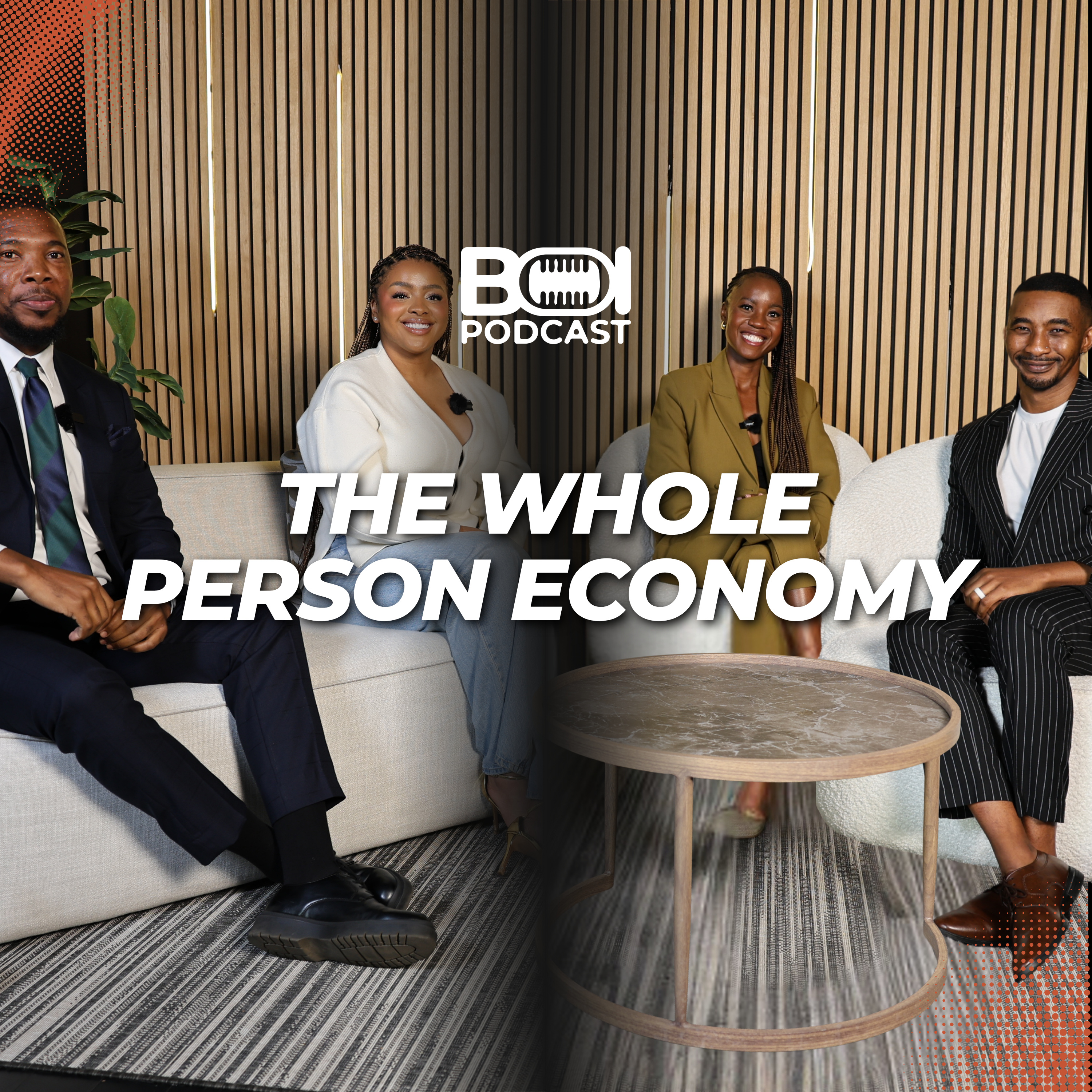
Ep. 17 The Whole Person Economy

THE CREATOR ECONOMY IS BRILLIANT AT BUILDING AUDIENCES. IT IS TERRIBLE AT TAKING CARE OF THE PEOPLE BUILDING THEM. In this episode of the Business of Influence Podcast, hosted by Leroy Marc, Hakeem Lesolang, Gugulethu Nyatshumba and Makungu Valoyi sit down for a conversation the creator space has been avoiding for far too long. Mental health. Burnout. The cost of performing for an audience that never clocks off. And why the industry that profits most from human creativity is often the last to invest in the humans behind it. The conversation opens with a reframe that sets the tone for everything that follows. Creators are assets. Not content machines. Not engagement metrics. Assets that require protection, maintenance and genuine care, and an industry that treats them as anything less is an industry that is quietly consuming the very thing it depends on. The panel draws a distinction that most people in the creator space have never been forced to articulate. The difference between an online following and a real community. Followers provide engagement. A community provides support. They are not the same thing and conflating them is one of the most dangerous mistakes a creator can make, because no amount of comments and DMs replaces the people who show up when the camera is off. The burnout conversation is where this episode gets most honest. Burnout is not a personality flaw or a sign of weakness. It is a workplace phenomenon caused by long term unmanaged stress, and the performance cycle that the creator economy demands, always on, always visible, always optimised for virality, is one of the most efficient burnout machines ever built. The panel breaks down what it actually looks like to set boundaries inside a career that feels boundless, why understanding your why is the only sustainable defence against chasing trends that lead to misalignment, and how block recording and intentional scheduling can protect a creator's output without destroying their wellbeing. The most provocative insight in this episode is the concept of disappointment as a survival skill. The fear of losing belonging drives creators to overperform, overshare and override their own limits, and learning to disappoint the expectations of others is not a failure of character. It is an act of self preservation that the industry desperately needs to normalise. The episode closes with a conversation about systematising success, building a circle of influence made up of advisers who provide real accountability, and treating a creative career as a business with the same rigour and intentionality that any other business demands. This is the conversation the creator economy still refuses to have at scale. It is happening here. If you are a content creator, a brand strategist, a mental health advocate or anyone operating at the intersection of visibility and vulnerability, this episode is essential listening. Business of Influence is brought to you by Style ID Africa. Enjoyed the podcast? Join the conversation using #BusinessOfInfluence Listen and Follow Us Apple: https://tr.ee/7S9Qw2RYaB Spotify: https://tr.ee/8yFVYi Instagram: https://tr.ee/9MFBqI TikTok: https://tr.ee/F5wHS1 LinkedIn: https://tr.ee/72U7z0 Follow Our Host and Guests Leroy: https://www.instagram.com/leroymarcn/ Makungu Valoyi: https://www.instagram.com/advocacy4mentalhealth/ Hakeem Lesolang: https://www.instagram.com/hakeemthehypnotherapist/ Gugulethu Nyatshumba: https://www.instagram.com/gugulethu_nyatsumba/ Email: info@styleid.africa Music Produced by Emcee: https://www.instagram.com/emceeiii/ #MentalHealthAwareness #CreatorEconomy #Burnout #WholePersonEconomy

August 7, 202631 min

Ep. 16 Clicks vs Classrooms #Businessofinfluence

CLICKS VS CLASSROOMS: DOES FORMAL CREATIVE EDUCATION STILL MATTER IN THE AGE OF INFLUENCERS?In this episode of the Business of Influence Podcast, hosted by Leroy Marc, Kamva-Eliqaqambileyo Namba, academic and head of programmes, sits down for one of the most relevant conversations in the creative industry right now. Can a traditional degree compete with a TikTok following? Does formal education still have a seat at the table in an economy where a ring light and a smartphone can generate a six figure income? The answer is more nuanced than either side of the debate wants to admit.The conversation opens with the tension that most creatives are living in right now. Social media moves faster than any curriculum can keep up with, and for a generation that has watched peers build careers on content alone, the value proposition of spending three to four years in a classroom is increasingly difficult to justify on face value alone. Kamva does not dismiss that reality. Instead, she reframes it.What formal education offers that the school of Instagram cannot is the infrastructure around the influence. Legal contracts. Business management. Tax compliance. Long-term career strategy. The ability to contextualise your work culturally, socially and philosophically so that it contributes to something larger than the next viral moment. These are not glamorous skills, but they are the ones that determine whether a creative career lasts five years or twenty-five.The longevity conversation is particularly sharp. Kamva makes the case that education builds the kind of versatility that allows creatives to pivot as they evolve, because the performer who is relevant at twenty-two is not always the same performer who is relevant at thirty-five, and the ones who survive that transition are the ones who understood their industry as a business from the beginning.The episode also holds academia accountable. Kamva acknowledges that institutions have historically been reactive rather than proactive, slow to integrate social media, performance analytics and influencer strategy into their curricula, and even slower to respond to the rise of AI. However, the conversation ends with a clear directive. Academic boards are beginning to change: shorter courses, vertical content formats, real industry insights built into programmes, and the institutions that remain agile are the ones that will continue to matter.This is not a conversation about choosing between a degree and a following. It is a conversation about what happens when you have both.If you are a content creator, an aspiring creative, an educator or anyone thinking seriously about the future of the industry, this episode will challenge how you think about knowledge, longevity and what it actually takes to build a career that lasts.Business of Influence is brought to you by Style ID Africa.-----Enjoyed the podcast? Join the conversation using #BusinessOfInfluenceListen and Follow UsApple: https://tr.ee/7S9Qw2RYaBSpotify: https://tr.ee/8yFVYiaInstagram: https://tr.ee/9MFBqITikTok: https://tr.ee/F5wHS1LinkedIn: https://tr.ee/72U7z0Follow Our Host and GuestLeroy: https://www.instagram.com/leroymarcn/Kamva-Eliqaqambileyo Namba: https://www.instagram.com/kamvalethu_eliqaqambileyo/Email: info@styleid.africaMusic Produced by Emcee: https://www.instagram.com/emceeiii/#ClicksVsClassrooms #CreatorEconomy #FormalEducation

July 28, 202630 min

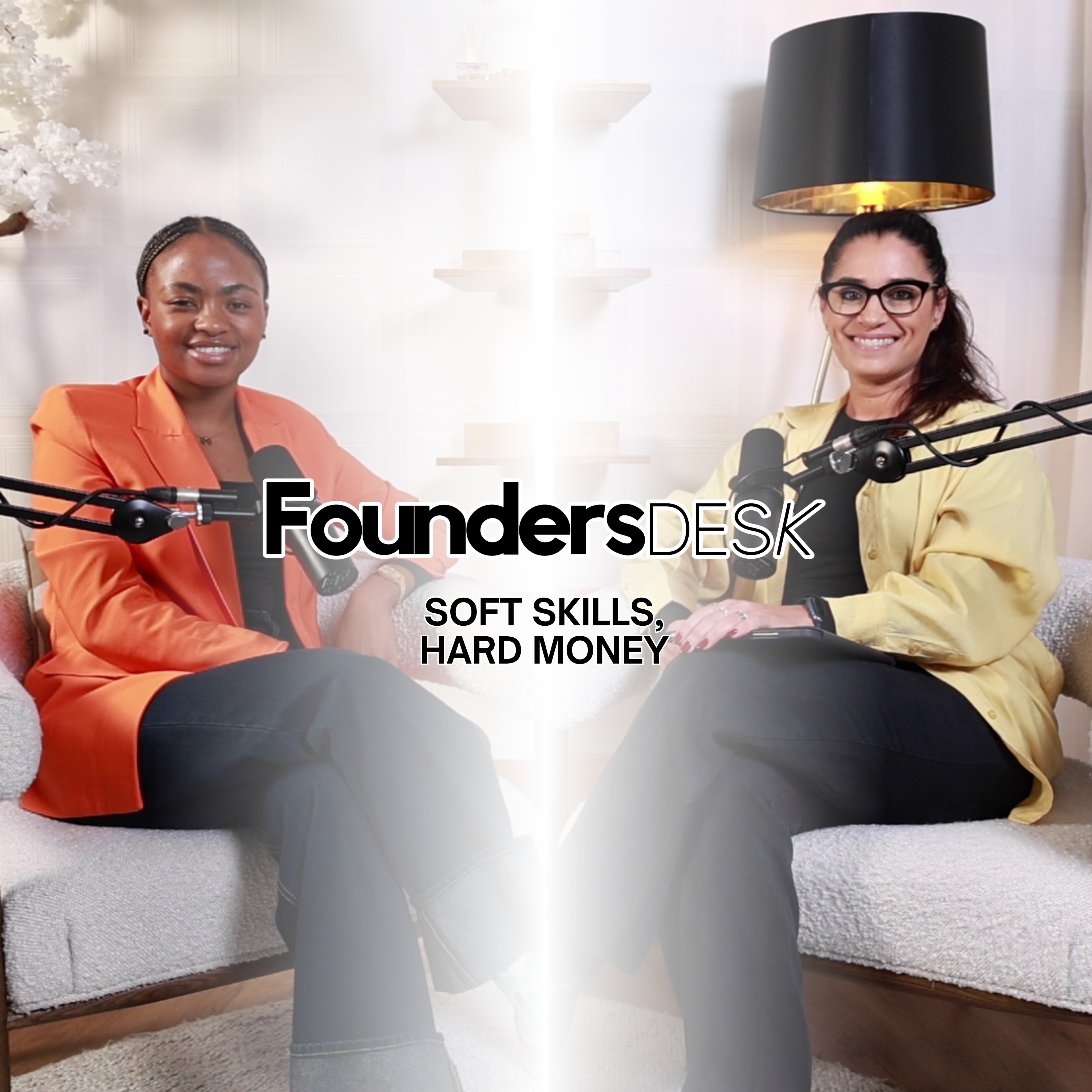
Ep. 11 Soft Skills, Hard Money #foundersdesk

THE MOST UNDERRATED BUSINESS SKILL IS NOT MARKETING. IT IS NOT FINANCE. IT IS KNOWING YOURSELF. In this episode of Founder's Desk, hosted by Tami Ruschin, Amanda Sibiya, founder and lead strategist at Branding Africa, sits down for a conversation that most entrepreneurship content completely avoids. Emotional intelligence is not a soft skill. It is the infrastructure that holds a founder, a team and a business together, and this episode makes that case in a way that is impossible to argue with. The conversation starts where most business conversations refuse to go. A founder's personal struggles, values and blind spots do not stay at home when they walk into the office. They show up in every decision, every interaction and every culture problem that eventually becomes a business problem. Amanda is direct about this because the evidence is everywhere and most founders are still pretending otherwise. The definition of EQ that anchors this episode is one worth sitting with. It is not about being nice. It is about discernment, knowing which emotion to express and when, being empathetic when the situation calls for it and being stern when it does not. That distinction matters enormously in leadership and almost nobody teaches it this clearly. The episode goes into the myth of the cutthroat founder who compartmentalises their humanity at the office door, why servant leadership consistently outperforms task focused management when it comes to staff retention, and the fine but critical line between honest feedback and emotionally unintelligent communication. Critiquing the outcome of a project and attacking a person's character are not the same thing, and the difference determines whether your team trusts you or tolerates you. The entrepreneurial isolation conversation is one of the most important parts of this episode. Founders carry weight they cannot always share with their teams, and without a deliberate support structure, whether that is fellow entrepreneurs, a mentor or a therapist, that weight accumulates in ways that eventually show up in the business. Amanda's closing advice is the most grounded take on founder wellbeing this show has heard. Before you learn marketing. Before you learn finance. Sort out your mental health. Because none of the technical skills will hold if the person operating them is running on empty. Founder's Desk is brought to you by Style ID Africa. — Enjoyed the podcast? Join the conversation using #FoundersDesk Listen and Follow Us Apple: https://tr.ee/7S9Qw2RYaB Spotify: https://tr.ee/8yFVYi Instagram: https://tr.ee/9MFBqI TikTok: https://tr.ee/F5wHS1 LinkedIn: https://tr.ee/72U7z0 Follow Our Host and Guest Tami: https://www.instagram.com/tami_blend_ruschin/ Amanda Sibiya: https://www.instagram.com/amandasibiya/ Email: info@styleid.africa Music Produced by Emcee: https://www.instagram.com/emceeiii/ #EmotionalIntelligence #FounderMindset #LeadershipDevelopment #MentalHealthInBusiness #ServantLeadership #WomenInBusiness

July 23, 202639 min

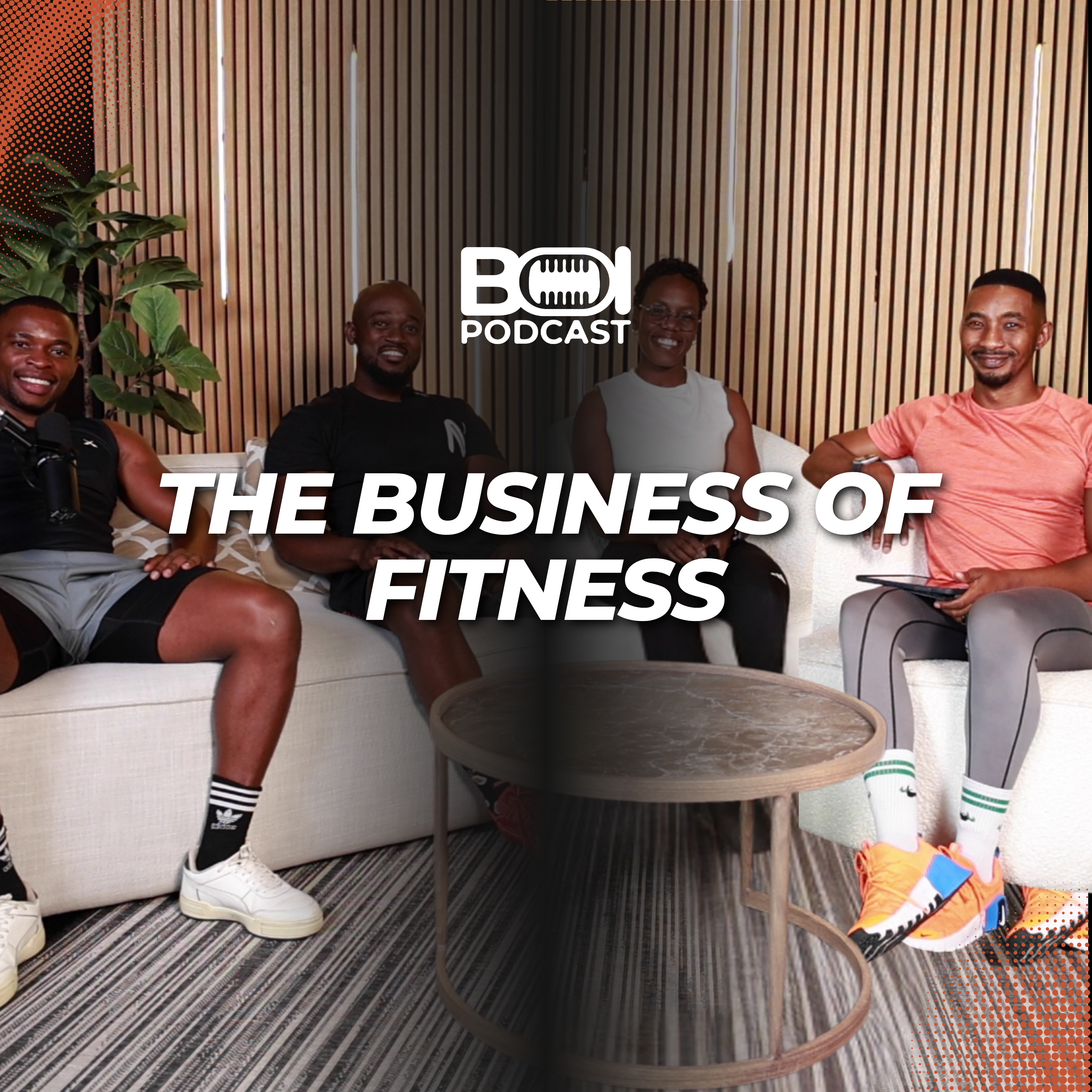
Ep. 15 The Business of Fitness #BusinessOfInfluence

ANYONE CAN POST A WORKOUT. NOT EVERYONE SHOULD BE TELLING YOU HOW TO TRAIN. In this episode of the Business of Influence Podcast, hosted by Leroy Marc, we are joined by three fitness professionals who are done watching their industry get flattened by a feed. Mthandazo Nathan Mthembu, Thato Banda and Mpho Mapheto bring a combined depth of real world experience to a conversation that the health and fitness industry has been needing to have out loud for a long time. The digital fitness space is oversaturated, and the three guests are honest about what that actually means for the people consuming that content. Misinformation. Unrealistic expectations. Burnout. A culture of performative fitness that prioritises expensive gear, aesthetic goals and consumerism over sustainable health and genuine progress. The algorithm rewards the visual. The problem is that health does not always look the way social media wants it to. The conversation draws a clear and necessary line between a fitness influencer and a fitness professional. Personal trainers and group exercise instructors operate in the real world, building face to face relationships with clients who view health as a non-negotiable rather than a trend. That distinction matters because the consequences of bad advice in this industry are not just a wasted gym membership. They affect people's bodies, their mental health and their long term relationship with movement. The episode also gets into the business of staying sustainable in a volatile economy. How do fitness professionals build practices that last when the loudest voices in the room are the ones with the most followers rather than the most credentials? The answer the guests return to consistently is integrity, consistency and a commitment to the scientific fundamentals that no amount of viral content can replace. The regulation conversation is one of the sharpest parts of this episode. Rather than waiting for top down intervention, the guests advocate for consumer education as the starting point, alongside greater transparency from influencers about their actual qualifications and the reality behind their training journeys. This is a conversation about who gets to lead, who gets to influence and who gets to earn in an industry where the barrier to entry has never been lower and the stakes have never been higher. If you work in fitness, health, wellness, brand strategy or the creator economy, this episode will challenge how you think about authority, trust and the real cost of influence. Business of Influence is brought to you by Style ID Africa. —- Enjoyed the podcast? Join the conversation using #BusinessOfInfluence Listen and Follow Us Apple: https://tr.ee/7S9Qw2RYaB Spotify: https://tr.ee/8yFVYi Instagram: https://tr.ee/9MFBqI TikTok: https://tr.ee/F5wHS1 LinkedIn: https://tr.ee/72U7z0 Follow Our Host and Guests Leroy: https://www.instagram.com/leroymarcn/ Mthandazo Nathan Mthembu: https://www.instagram.com/nate.neanderthal/ Thato Banda: https://www.instagram.com/tee_smilefitt/ Mpho Mapheto: https://www.instagram.com/mpho_summerbodynation/ Email: info@styleid.africa Music Produced by Emcee: https://www.instagram.com/emceeiii/ #FitnessIndustry #HealthAndWellness #DigitalHealth #FitnessMarketing

July 15, 202630 min

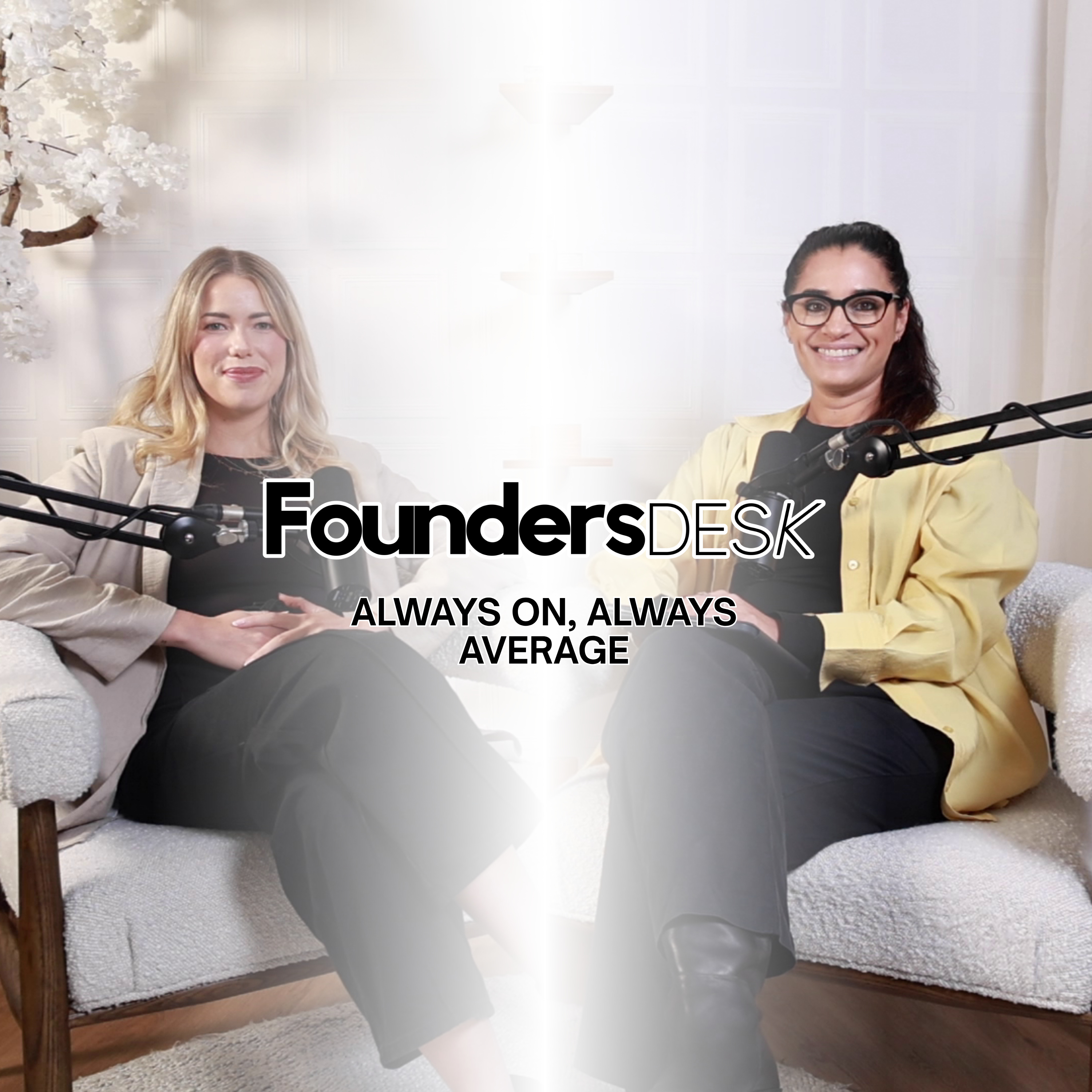
Ep 10. Always On, Always Average #FoundersDesk

BEING VISIBLE IS NOT THE SAME AS BEING RELEVANT. AND MOST BRANDS HAVE NOT FIGURED THAT OUT YET. In this episode of Founder's Desk, hosted by Tami Ruschin, Magriet de Bruyn, founder of Plot Social, delivers a conversation that every brand manager, content strategist and social media professional needs to hear. Plot Social is a social first creative agency built specifically for upper market hospitality and lifestyle brands, and after two years of operating at that level, Mags has a very clear picture of what is working, what is not and why most brand content quietly fails even when the numbers look fine. The conversation starts with the always-on shift that changed everything around 2020 and 2021. COVID accelerated online activity faster than most brands could respond to and the ones that did not build a consistent social presence paid for it in relevance, but always on content created a new problem. Mags draws a sharp distinction between visibility and relevance that anchors the entire episode. A brand can appear on a feed every single day and still not earn genuine consumer attention. True relevance only happens when content resonates deeply enough to make someone feel something, and that cannot be manufactured through a rigid posting schedule or a template. The in-house versus agency conversation is one of the most honest parts of this episode. Mags breaks down why in-house content teams often end up creating content for internal approval rather than audience impact, why the instinct to push promotions and specials is the fastest way to lose a social audience, and why authentic human storytelling consistently outperforms content built around immediate revenue objectives. The AI section of this conversation is equally direct. AI is a tool, not a strategy, and audiences can spot the difference between content that was created with intention and content that was generated for efficiency. The human touch is not a nice to have. It is the thing that makes content actually work. The episode closes with the hardest truth of all. Building a genuine online community takes time, consistency and trust in the process. Vanity metrics are not business values and panic driven pivots are not strategy. The brands that keep copying competitors will always be a step behind the ones that are clear on their own purpose. Founder's Desk is brought to you by Style ID Africa. —- Enjoyed the podcast? Join the conversation using #FoundersDesk Listen and Follow Us Apple: https://tr.ee/7S9Qw2RYaB Spotify: https://tr.ee/8yFVYi Instagram: https://tr.ee/9MFBqI TikTok: https://tr.ee/F5wHS1 LinkedIn: https://tr.ee/72U7z0 Follow Our Host and Guest Tami: https://www.instagram.com/tami_blend_ruschin/ Magriet de Bruyn: https://www.instagram.com/just_griet/ Email: info@styleid.africa Music Produced by Emcee: https://www.instagram.com/emceeiii/ #ContentStrategy #SocialMediaMarketing #BrandStrategy #AlwaysOnMarketing

July 10, 202635 min

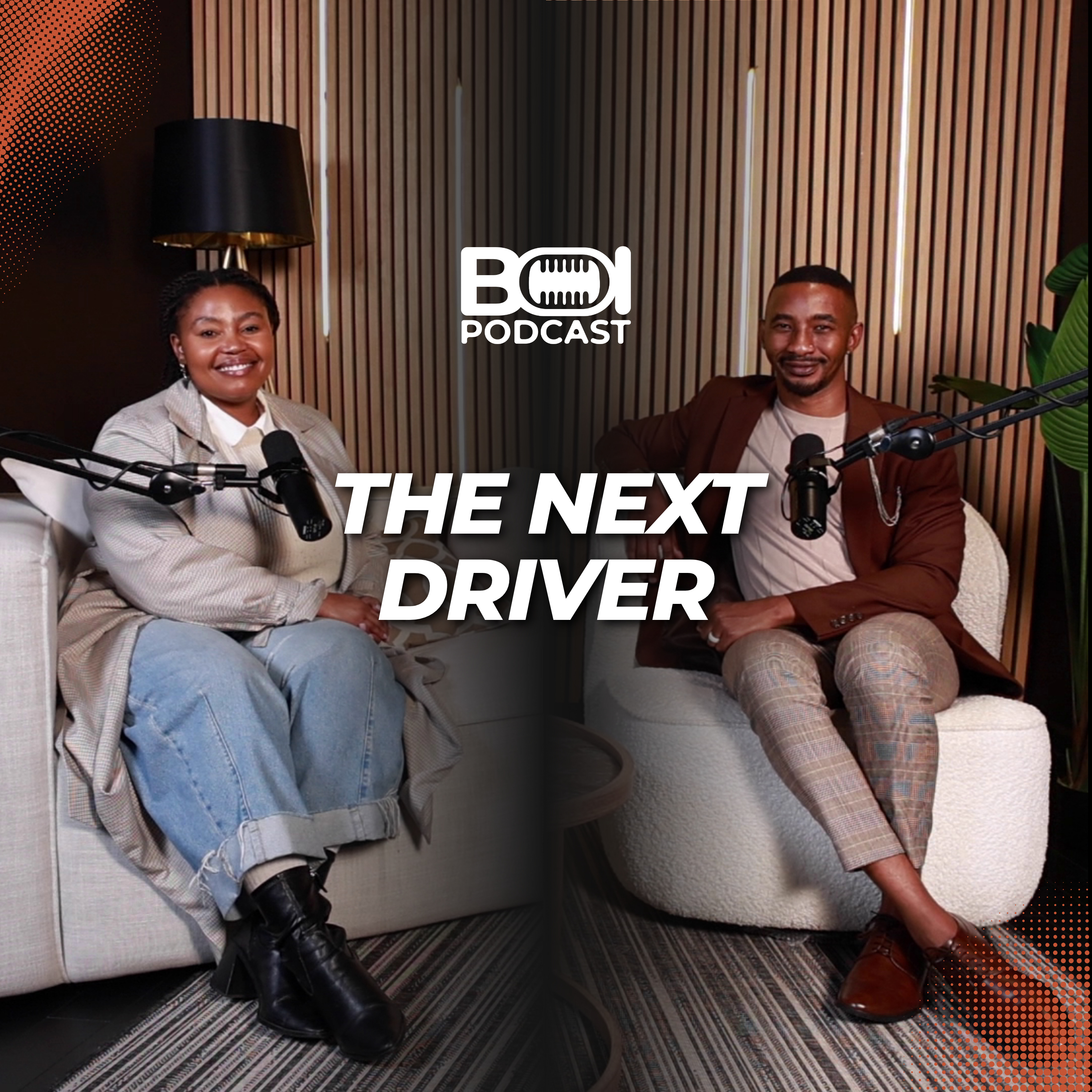
Ep. 14 The Next Driver #BusinessOfInfluence

THE CAR YOU DRIVE SAYS SOMETHING ABOUT YOU. HYUNDAI FIGURED THAT OUT 25 YEARS AGO. In this episode of the Business of Influence Podcast, hosted by Leroy Marc, Nontokozo Biyam joins the conversation to unpack one of the most fascinating brand localisation stories in South African marketing history. How does a foreign automotive brand become a home brand? How does a vehicle manufacturer earn a place not just in the driveway but in the culture? Twenty five years in, Hyundai has some answers worth studying. The conversation starts with something most automotive marketing misses entirely. A car is not just a functional purchase. It is an emotional one. It represents status, self expression and the milestones that define a life, the first job, the growing family, the next chapter. Nontokozo breaks down how understanding that emotional dimension changed the way Hyundai approached its South African audience and why brands that lead only with specs and price points are always going to lose to the ones that lead with meaning. The episode gets into how Hyundai built genuine community trust over time, through industry firsts like the seven year warranty, through sponsorship of local sporting codes and through literacy programmes that had nothing to do with selling cars and everything to do with earning belonging. That is what the shift from foreign entity to home brand actually looks like in practice and it does not happen overnight. The influencer marketing conversation in this episode is particularly sharp. Nontokozo is direct about why cookie cutter luxury collaborations do not work. The strategy is about showing how a specific vehicle model adds real, tangible value to a real person's life, and matching the right creator to that story rather than chasing reach for its own sake. The episode closes with the long game. How do you build a brand strategy with a 25 year horizon? How do you stay relevant to a student today who will be a parent in a decade? The answer sits at the intersection of mass awareness, mobile first content and a single unifying idea, progress, that follows the consumer through every life stage. This is Episode 13 and it is the conversation that reframes how we think about automotive brands, consumer loyalty and the future of culturally embedded marketing in South Africa. If you work in brand strategy, marketing, content creation or the automotive industry, this episode will shift how you think about building for the long term. Business of Influence is brought to you by Style ID Africa. Enjoyed the podcast? Join the conversation using #BusinessOfInfluence Listen and Follow Us Apple: https://tr.ee/7S9Qw2RYaB Spotify: https://tr.ee/8yFVYi Instagram: https://tr.ee/9MFBqI TikTok: https://tr.ee/F5wHS1 LinkedIn: https://tr.ee/72U7z0 Follow Our Host and Guest Leroy: https://www.instagram.com/leroymarcn/ Nontokozo Biyam: https://www.instagram.com/nontibiyam/ Email: info@styleid.africa Music Produced by Emcee: https://www.instagram.com/emceeiii/ #AutomotiveMarketing #Hyundai #ConsumerBehaviour

June 30, 202631 min

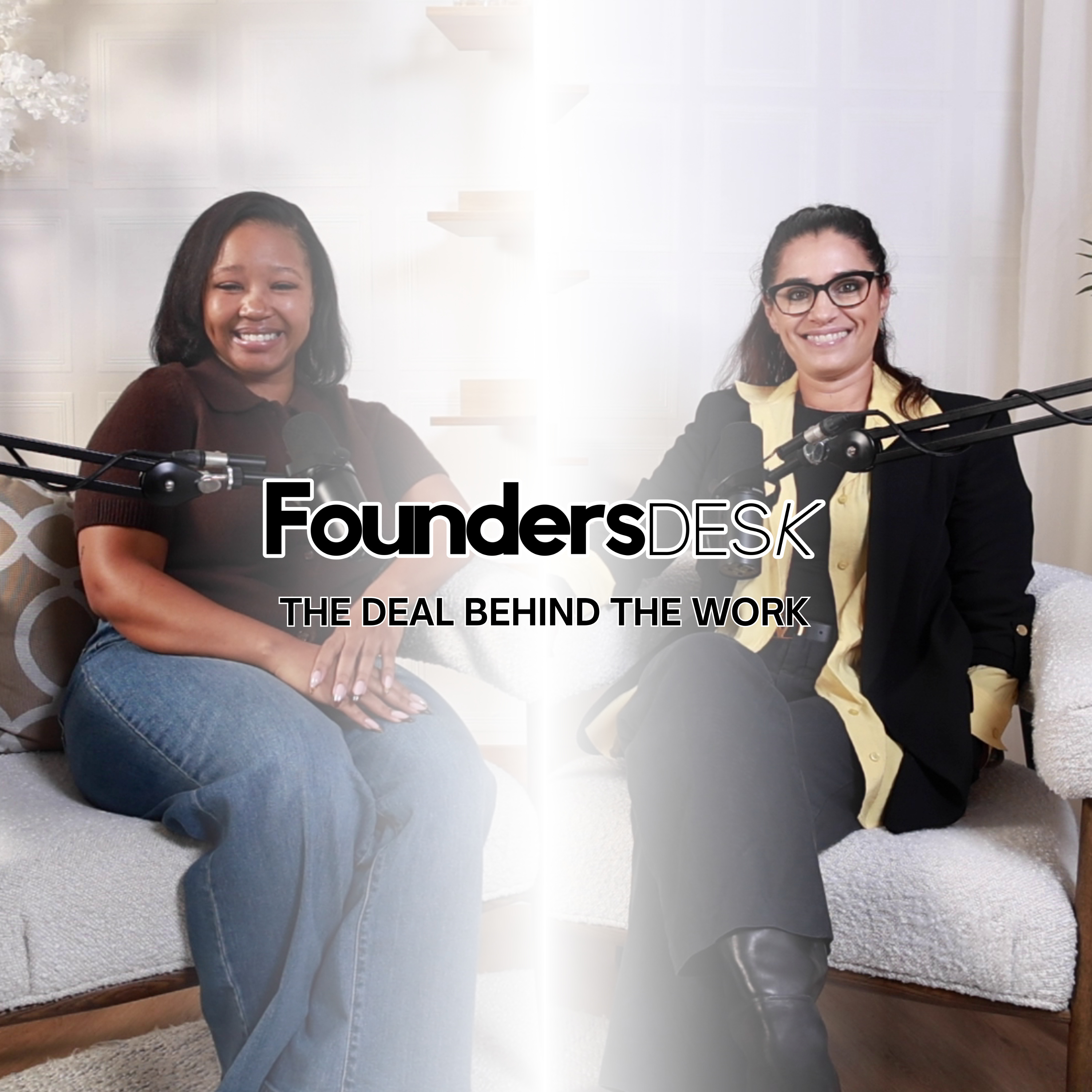
Ep. 9 The Deal Behind the Work #foundersdesk

EXECUTION IS THE CURRENCY. EVERYTHING ELSE IS JUST POTENTIAL.In this episode of Founder's Desk, hosted by Tami Ruschin, Nicole Maweni, founder and Managing Director of Open Gallery, pulls back the curtain on what talent management actually looks like behind the scenes. Open Gallery exists to give creative talent, from artists and musicians to brand builders and influencers, the infrastructure they need to be seen and to grow, and this conversation shows exactly what that infrastructure is built from.Nicole walks through the full scope of what talent management really involves. Emails, proposals, rate cards, media kits, road management, event production, the unglamorous administrative backbone that makes a creator's visible success possible. But the conversation goes deeper than logistics.Nicole is candid about how Open Gallery selects talent, not through a formal application process but through synergy and energy, and why prioritising the human being behind the brand, through regular check ins and genuine relationships, matters as much as the strategy itself.The conversation also gets into the harder parts of the job. Managing a creator's ambitions against the realities of the industry. Acting as the bridge between talent and brands when conflict arises. And the lesson Nicole says shaped her leadership the most, that you cannot always be the leader and the friend. Sometimes guiding someone toward their own success means being the one who holds the line.Nicole also speaks to the doubt that came with launching the agency, and how a strong support structure, a belief in working with good people and trusting her own instinct carried her through the uncertainty. Strategic planning still anchors the business, set at the start of the year and revisited quarterly, but flexibility remains essential in an industry that moves as fast as this one does.Her closing message is the one worth sitting with. Execution is the true currency of influence. Big ideas mean nothing without the consistent ability to deliver, and empathy for the person behind the talent is what sustains success long after the idea has worn off.Her final piece of advice. Do it afraid.Founder's Desk is brought to you by Style ID Africa.Enjoyed the podcast? Join the conversation using #FoundersDesk -----Listen and Follow Us:Apple: https://tr.ee/7S9Qw2RYaB Spotify: https://tr.ee/8yFVYi Instagram: https://tr.ee/9MFBqI TikTok: https://tr.ee/F5wHS1 LinkedIn: https://tr.ee/72U7z0 Follow Our Host and Guest:Tami: / tami_blend_ruschin Nicole Maweni: / nicole.maweni Email: info@styleid.africaMusic Produced by Emcee: / emceeiii #TalentManagement #CreatorEconomy #WomenInBusiness #ExecutionOverIdeas

June 30, 202642 min

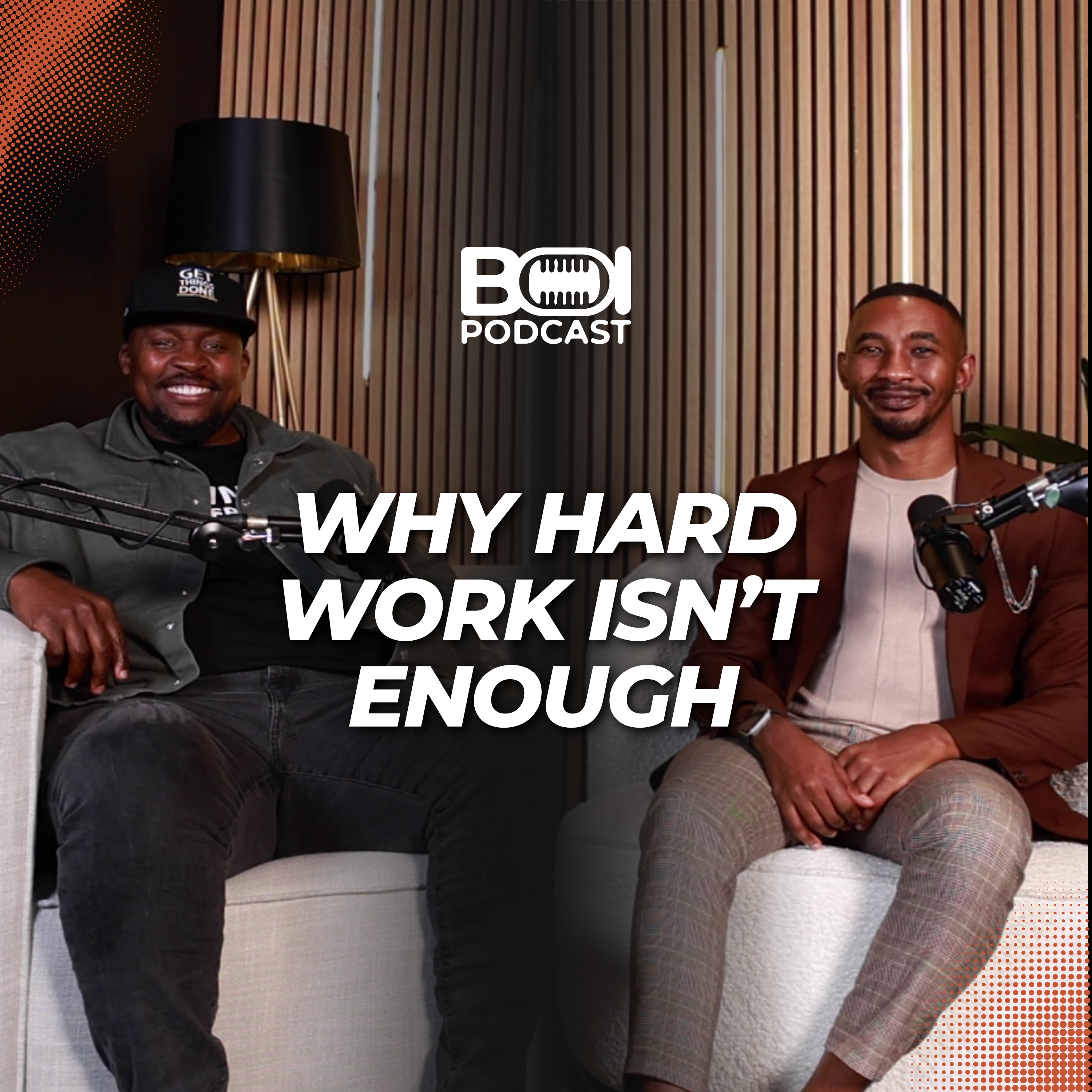
Ep 13. Why Hard Work Isn’t Enough

HARD WORK WITHOUT A SYSTEM IS JUST NOISE. HERE IS WHAT ACTUALLY BUILDS A BUSINESS. In this episode of the Business of Influence Podcast, hosted by Leroy Marc, Bulelani Balabala delivers one of the most honest conversations about entrepreneurship, visibility and brand building that this show has ever hosted. Hard work is not enough, and if you have been grinding without seeing results that match the effort, this episode will tell you exactly why. Bulelani defines hustling not as ambition but as effort without systems, and makes the case that no matter how much revenue you generate, if your business cannot function without you in the room, then you have not built a business at all. You have built a job with extra steps. The fix is not working harder. It is documenting your processes, creating structures that allow you to delegate and building systems that scale your time rather than consume it. The branding conversation is equally sharp. Your brand is not a replica of someone else's success story. It is an expression of a specific identity, yours, and the businesses you admire should be benchmarks for ambition, not blueprints for imitation.Positioning, visibility and the business of being seen on your own terms. That is what this episode is really about. If you are an entrepreneur, a creative or a small business owner trying to build something that lasts beyond the grind, this conversation will reframe how you think about growth. Business of Influence is brought to you by Style ID Africa. Enjoyed the podcast? Join the conversation using #BusinessOfInfluence Listen and Follow Us: Apple: https://tr.ee/7S9Qw2RYaB Spotify: https://tr.ee/8yFVYi Instagram: https://tr.ee/9MFBqI TikTok: https://tr.ee/F5wHS1 LinkedIn: https://tr.ee/72U7z0 Follow Our Host and Guest:Leroy: / leroymarcn Bulelani Balabala: / bulelanibala Email: info@styleid.africa Music Produced by Emcee: / emceeiii #HustleCulture #BusinessGrowth #BusinessSystems #BusinessOfInfluence

June 22, 202640 min

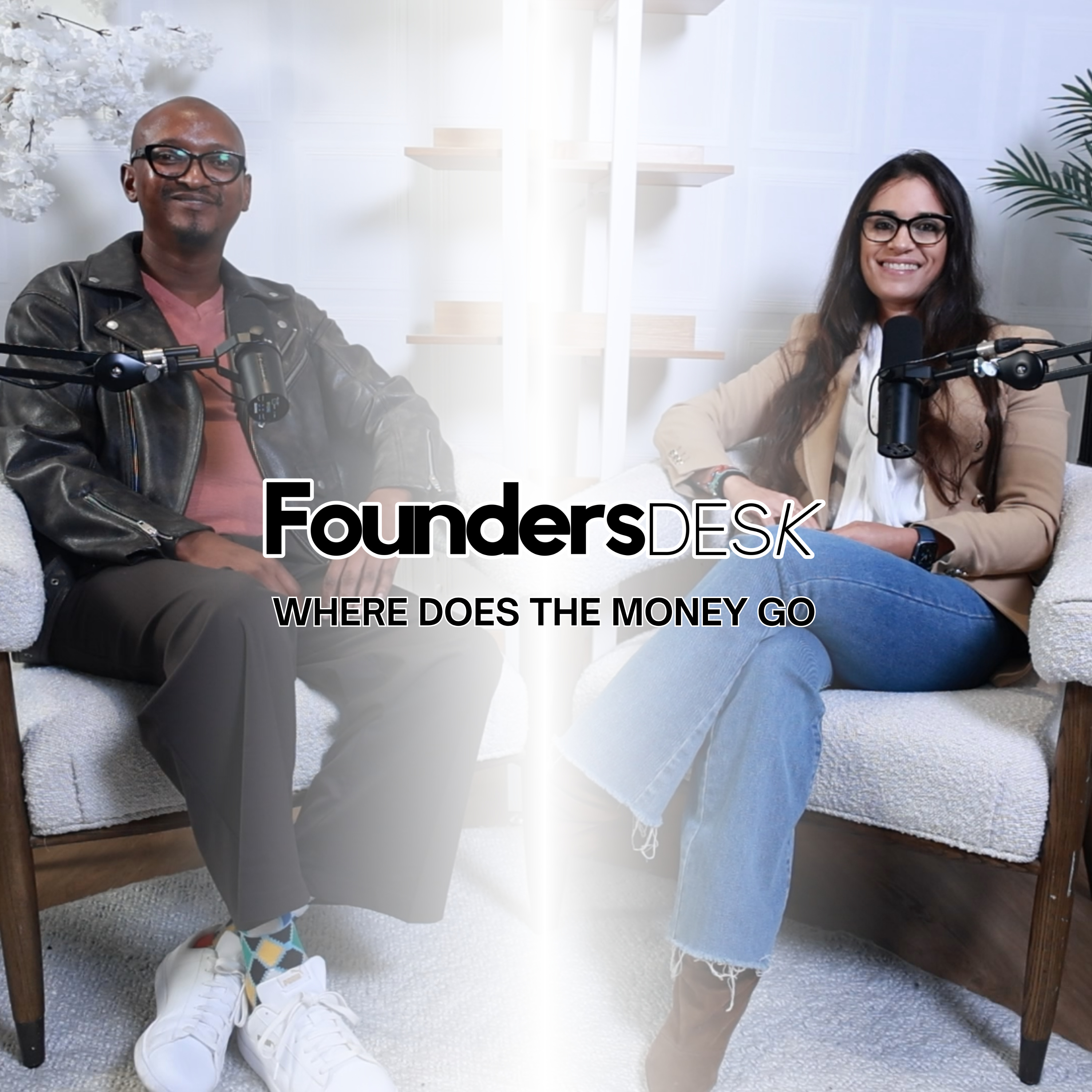
Ep 8. Where Does the Money Go #founderdesk

570 BILLION RAND. AND STILL, MOST SMALL BUSINESSES CANNOT GET FUNDED. HERE IS WHY. In this episode of Founder's Desk, hosted by Tami Ruschin, Billy Bokako breaks down one of the most important and most misunderstood conversations in South African entrepreneurship right now. Where does the money actually go, why is it so difficult to access, and what do small business owners need to understand before they even think about applying for funding. The conversation starts with SEDA, the Small Enterprise Development and Finance Agency formed through a landmark 2024 merger of three major institutions into a single cradle to grave support system for South African entrepreneurs. One entry point. One ecosystem. Built to remove the fragmentation that has historically made support inaccessible. From there, Billy unpacks business incubation in a way that actually makes sense, what it means to derisk a startup, why incubation periods run between three and five years depending on the sector, and what the four pillars of structured entrepreneurial support look like in practice. Access to finance, access to markets, advisory support and infrastructure are not buzzwords in this conversation. They are the framework. The funding conversation is where this episode gets real. South Africa has an estimated funding gap of 570 billion rand, yet approximately 40 percent of funding applications are rejected not because of a bad idea or a weak business, but because of compliance failures. A missing tax certificate. An incomplete submission. Billy's advice is direct: be boringly compliant, because the paperwork is not the obstacle, it is the entry requirement. The episode also covers the full spectrum of available funding, from grants and pure loans to venture capital, blended finance, revenue based financing and emerging models like initial coin offerings, and why understanding a funder's mandate before you apply is the difference between speaking their language and wasting everyone's time. If you are a small business owner, an aspiring entrepreneur, a startup founder or anyone navigating the South African funding landscape, this episode will give you the clarity and the strategy you have been looking for. Founder's Desk is brought to you by Style ID Africa.—Enjoyed the podcast? Join the conversation using #FoundersDesk Listen and Follow Us Apple: https://tr.ee/7S9Qw2RYaB Spotify: https://tr.ee/8yFVYi Instagram: https://tr.ee/9MFBqI TikTok: https://tr.ee/F5wHS1 LinkedIn: https://tr.ee/72U7z0 Follow Our Host and GuestTami: / tami_blend_ruschin Billy Bokako: / billybouquet Email: info@styleid.africa Music Produced by Emcee: / emceeiii #SmallBusiness #BusinessIncubation #AccessToFinance

Is this your show?

Claim this listing to keep it up to date, reach guests who want to pitch you, and manage bookings with Guestify.

Claim this listing

More Business podcasts