Find partners
SAGIT

SAGIT

Hosted by SAGIT

Episodes

25

Latest episode

Jun 2026

Language

EN-AU

About the show

SAGIT invests more than $2 million each year to support research crucial to advancing South Australia’s $4.6 billion grain industry. These projects deliver real improvements in grain growing, farming systems, soil management, harvesting, storage, processing and marketing. SAGIT gives South Australian grain growers a stake and a voice in research projects that deliver relevant local benefits. Now we're giving the researchers a voice too - through the SAGIT podcast! Have a listen to how your levy funds have been invested and how you can use the research to improve your own farm outcomes.

Listen to episodes

25 recent
June 11, 2026Episode 2512 min

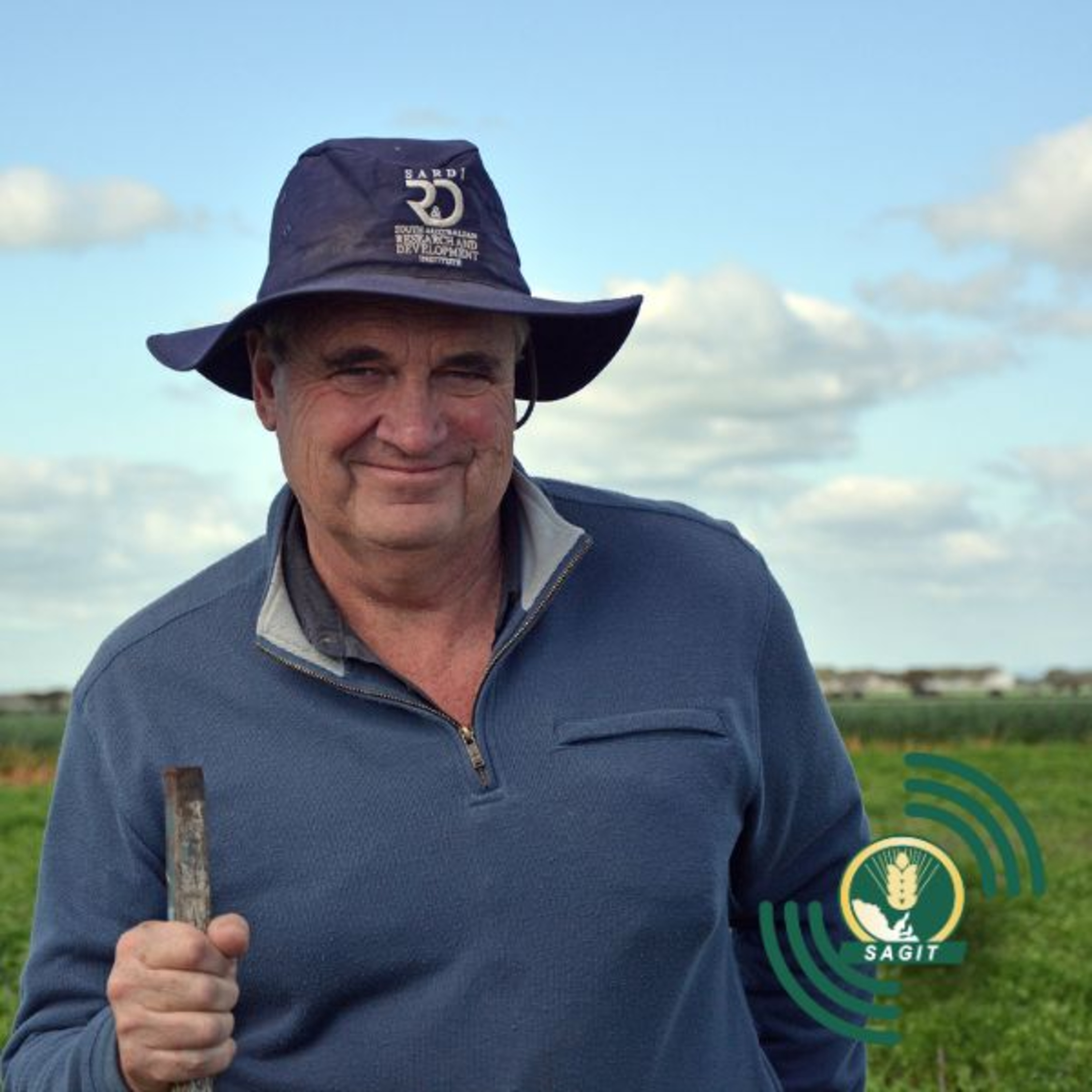
SAGIT Podcast #25 – Critical soil and plant values for aluminium and manganese – Brian Hughes

Soil acidity is an increasing challenge across South Australia, with approximately four million hectares at risk.  In this podcast episode, Brian Hughes from SARDI discusses his research on aluminium and manganese toxicity. Brian explains how traditional reliance on pH as an indicator of toxicity can be misleading, and how his project established critical soil and plant values for aluminium, manganese and molybdenum to help growers to make informed management decisions. He also shares how this research can guide crop selection, soil treatment and future studies to support sustainable, productive farming across SA. ---------- On average, SAGIT invests $2 million a year in supporting research crucial to advancing South Australia’s $4.6 billion grain industry.  These projects deliver real improvements in countless areas of grain growing, farming systems, soil management, harvesting, storage, processing and marketing, and they also provide technical information to growers.
March 2, 2026Episode 2414 min

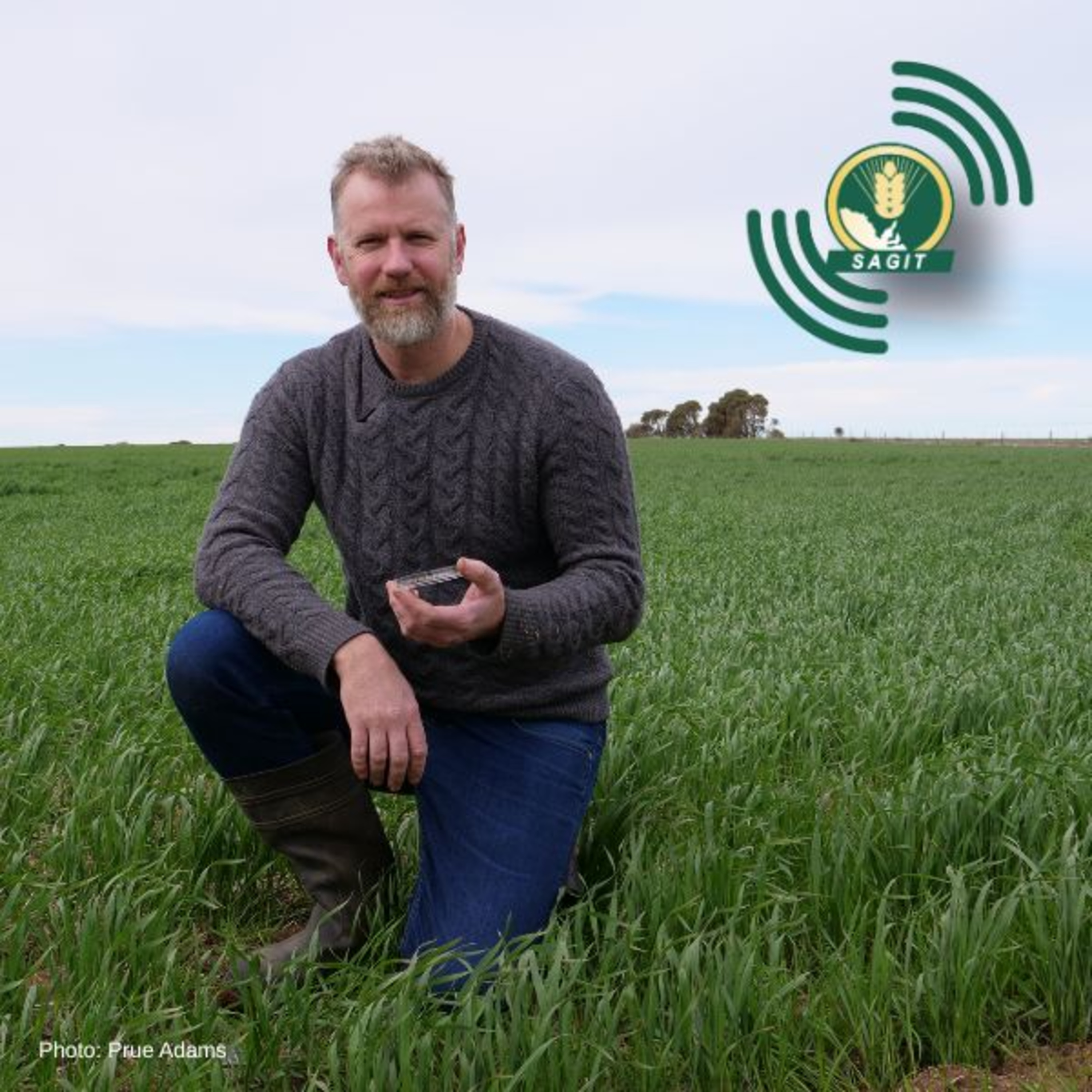
SAGIT Podcast #24 – Biological control of invasive conical snails – Dr Kym Perry

Invasive conical snails are major pests of grain crops and pastures in South Australia and are spreading, becoming a problem of national significance. They can reach extreme densities in crops leading to contamination of harvested grain, risking the reputation and market access of SA grain.In this episode of the SAGIT podcast, Dr Kym Perry from Adelaide University shares the benefits of native vegetation which can enhance the biological control of conical snails using a parasitoid fly. ----------On average, SAGIT invests $2 million a year in supporting research crucial to advancing South Australia’s $4.6 billion grain industry.These projects deliver real improvements in countless areas of grain growing, farming systems, soil management, harvesting, storage, processing and marketing, and they also provide technical information to growers.
February 4, 2026Episode 2314 min

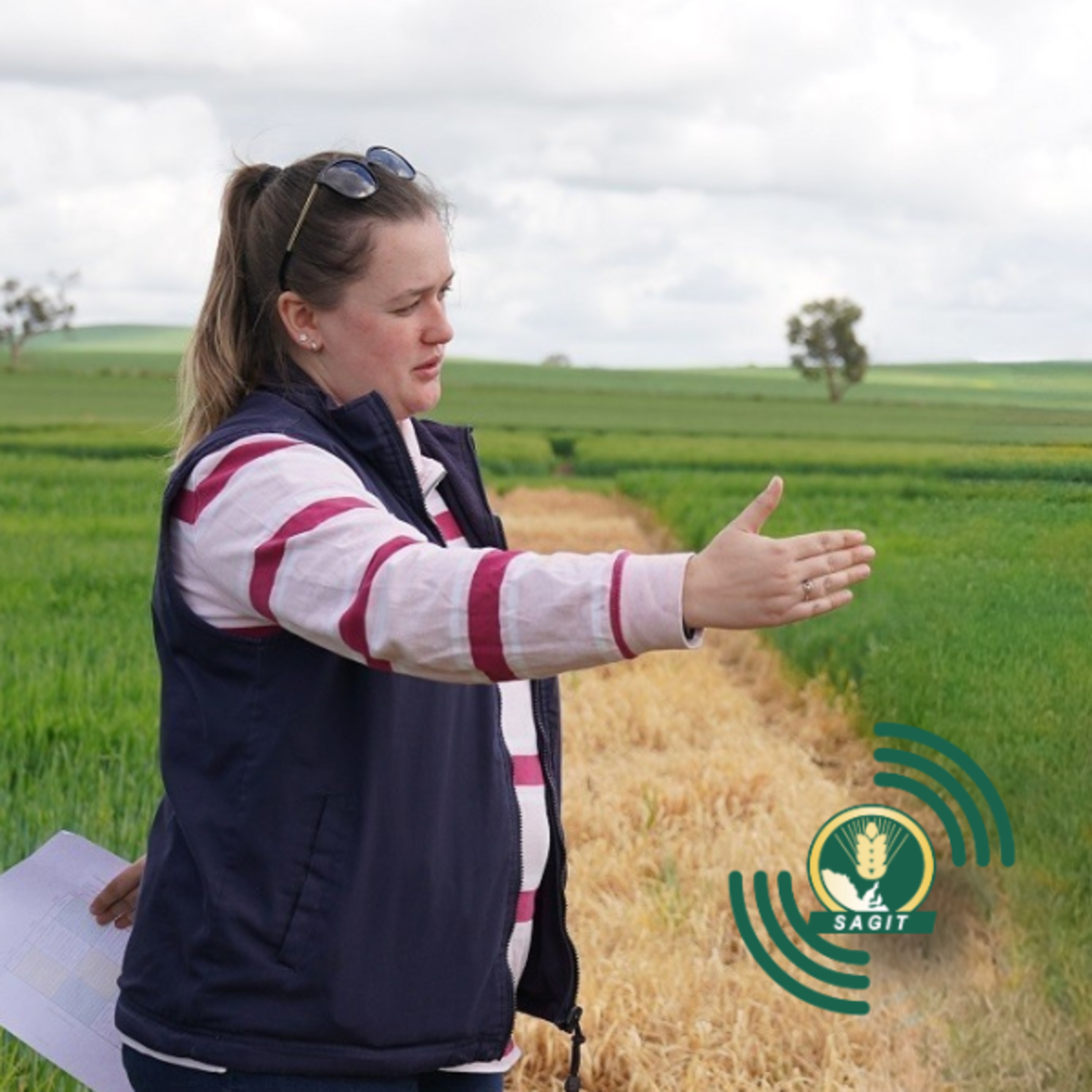
SAGIT Podcast #23 - Profitable vetch - Melissa McCallum & Stuart Nagel

Agronomic information and support for growing vetch is currently limited, yet interest in it as a break crop is increasing.In this episode of the SAGIT Podcast, Stuart Nagel and Melissa McCallum from SARDI share findings from their project, which consolidated vetch agronomic knowledge, identified gaps in hay production and mixed farming systems, and improved recommendations for growers. They also discuss how Rapid Generation Cycling accelerated the development of new vetch varieties, highlight practical resources produced for growers, and outline future research priorities aimed at boosting vetch productivity, quality, and profitability.----------On average, SAGIT invests $2 million a year in supporting research crucial to advancing South Australia’s $4.6 billion grain industry. These projects deliver real improvements in countless areas of grain growing, farming systems, soil management, harvesting, storage, processing and marketing, and they also provide technical information to growers.
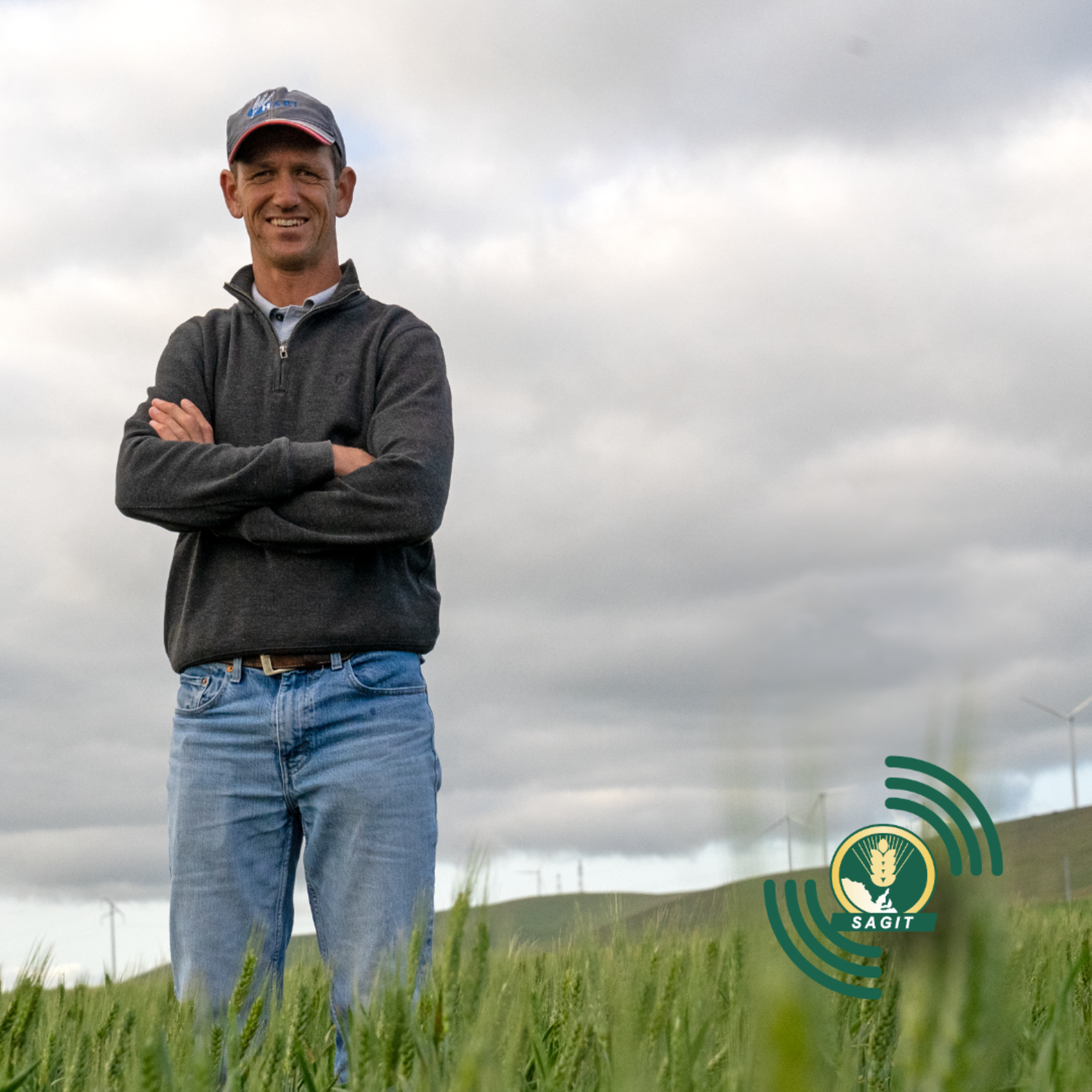
January 9, 2026Episode 2213 min

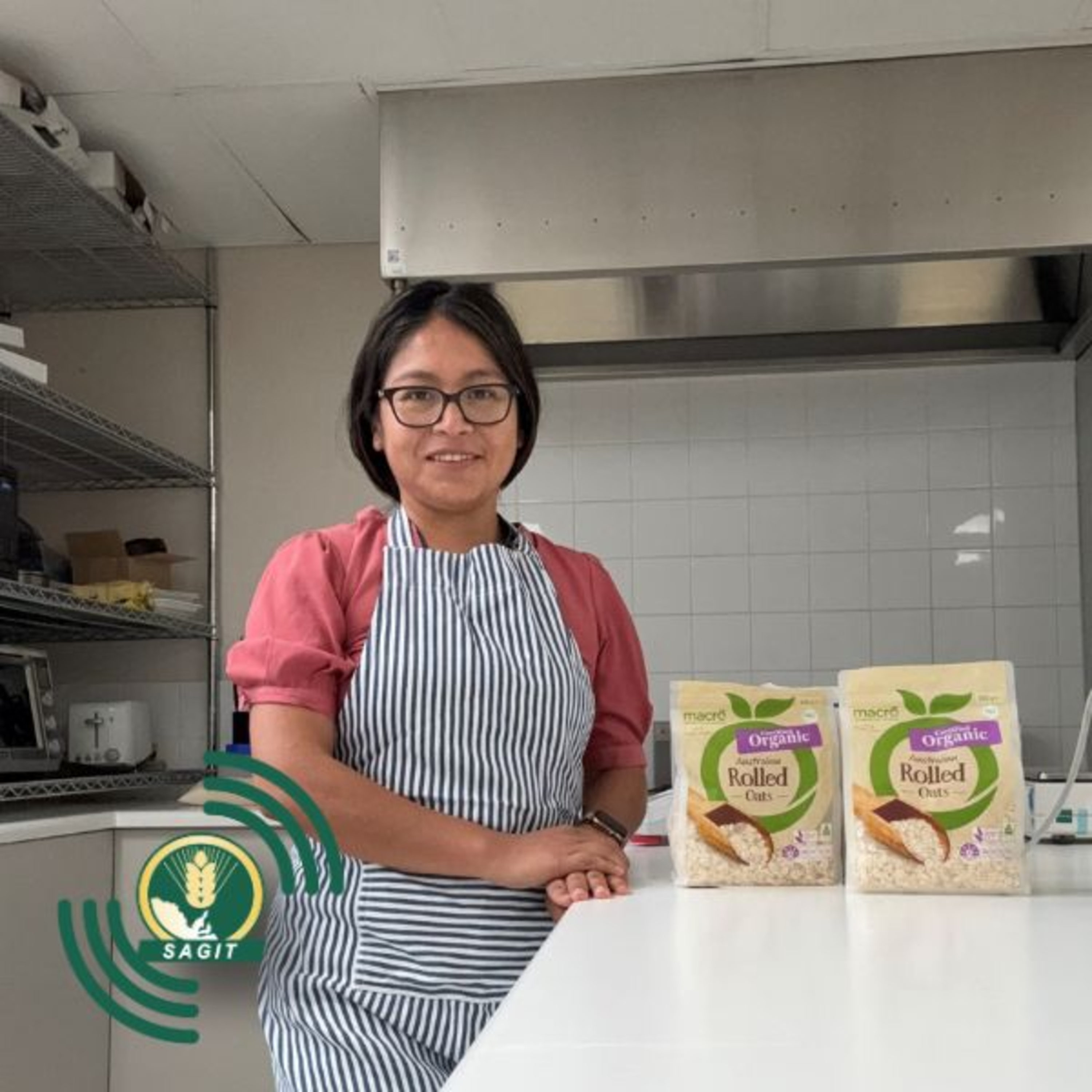
SAGIT Podcast #22 - Developing Australian oat spoonable snacks - Guisella Yarasca

There is growing opportunity for oats to move beyond traditional breakfast cereals and baked goods into emerging consumer markets for plant-based, healthy, fibre-enrichedfermented spoonable snacksIn this podcast episode, Guisella Yarasca from SARDI shares her work developing clean-label, dairy-free fermented oat snacks. She discusses product development, sensory testing and optimisation, and explains how this innovation could create new opportunities for Australian oat growers, while meeting the rising consumer demand for convenient, nutritious and gut-friendly plant-based foods.----------On average, SAGIT invests $2 million a year in supporting research crucial to advancing South Australia’s $4.6 billion grain industry.These projects deliver real improvements in countless areas of grain growing, farming systems, soil management, harvesting, storage, processing and marketing, and they also provide technical information to growers.
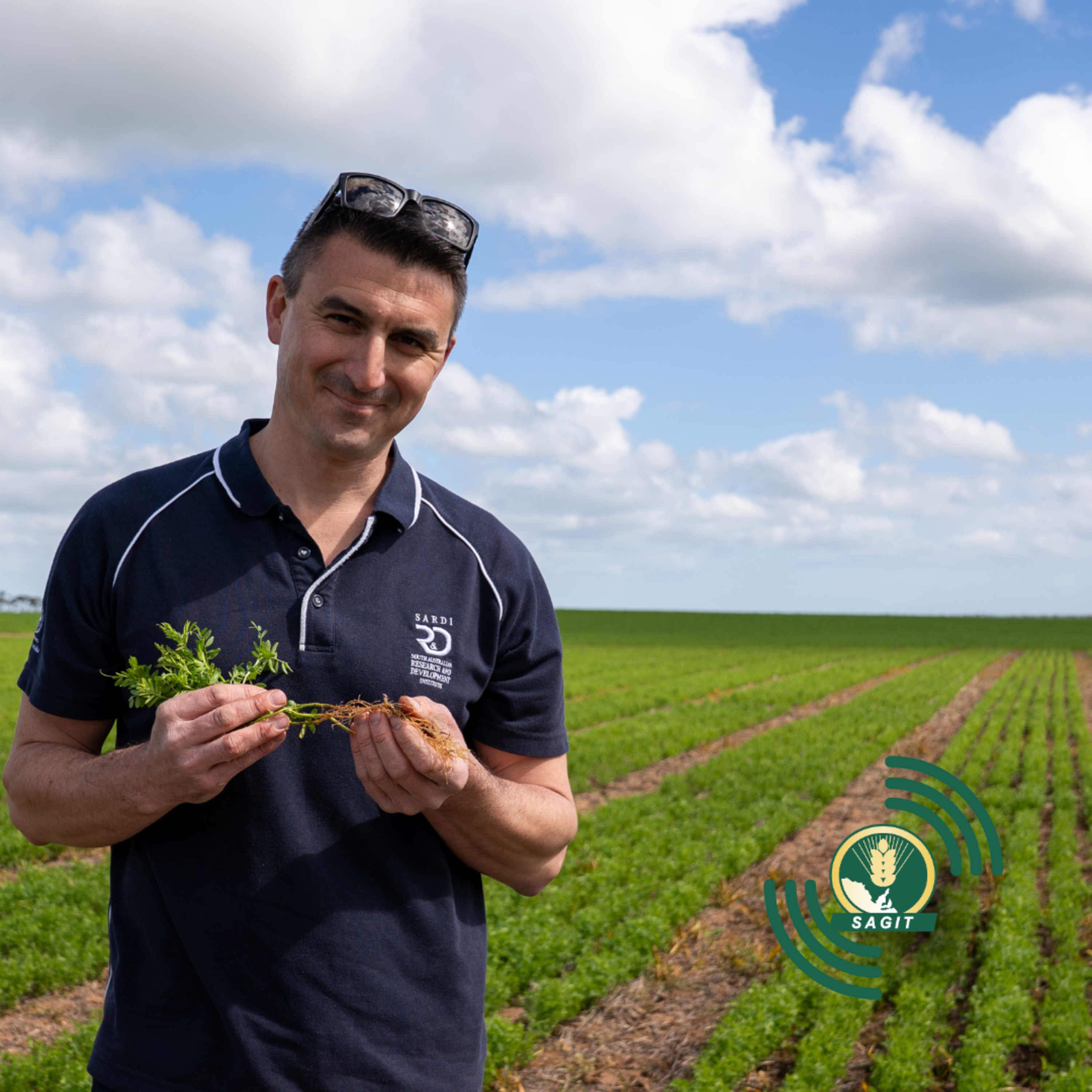
October 8, 2025Episode 2117 min

SAGIT Podcast #21 – Benchmarking Harvester Weed Seed Mills – Sam Trengove

Controlling crop weeds effectively requires a strategic and integrated weed management program, and harvest weed seed control is a key component. With a growing range of harvester weed seed mills now on the market, it is important for growers to understand how they perform before making a significant investment. In this episode of the SAGIT podcast, Sam Trengove from Trengove Consulting shares insights from a recent study evaluating the efficacy of various commercial harvest weed seed mills. The research examined how well the mills controlled seed from a range of weed species, helping to inform growers decisions around harvest weed seed mill investment and reduce reliance on herbicides.----------On average, SAGIT invests $2 million a year in supporting research crucial to advancing South Australia’s $4.6 billion grain industry. These projects deliver real improvements in countless areas of grain growing, farming systems, soil management, harvesting, storage, processing and marketing, and they also provide technical information to growers.
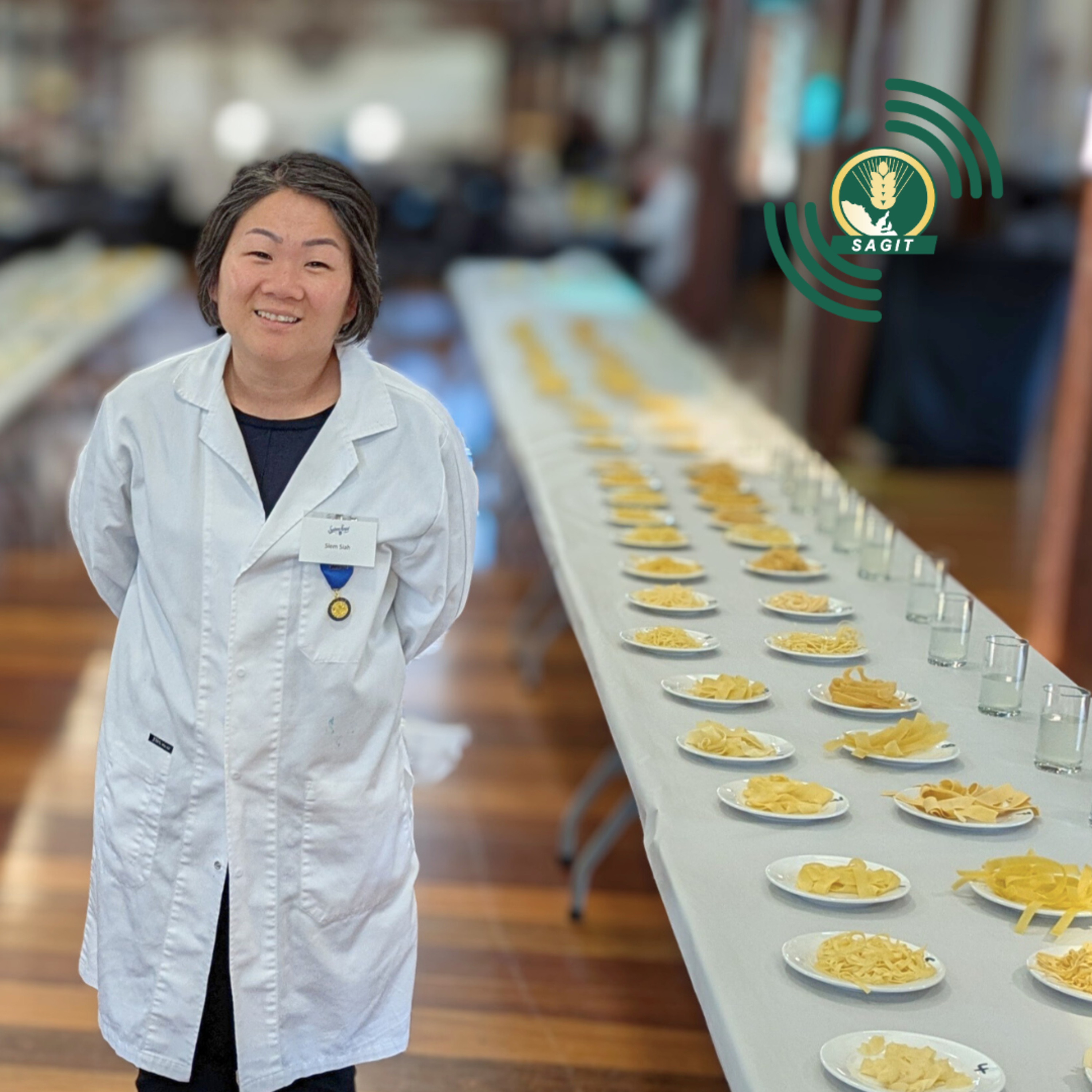
September 17, 2025Episode 2013 min

SAGIT Podcast #20 - Pulse crop root health surveys - Blake Gontar

Pulse crops have become an increasingly important part of farming rotations across South Australia. But while plantings have increased, one crucial area has remained a mystery – root diseases. These hidden threats can devastate crops, yet knowledge had been relatively limited.In this episode of the SAGIT podcast, SARDI research scientist Blake Gontar speaks about the work being done to uncover the pathogens affecting pulses. From the first reports of crop failure in 2017 through to national-scale investment, this research is laying the foundation for management strategies that will help growers protect yields and plan with confidence.----------On average, SAGIT invests $2 million a year in supporting research crucial to advancing South Australia’s $4.6 billion grain industry.These projects deliver real improvements in countless areas of grain growing, farming systems, soil management, harvesting, storage, processing and marketing, and they also provide technical information to growers.
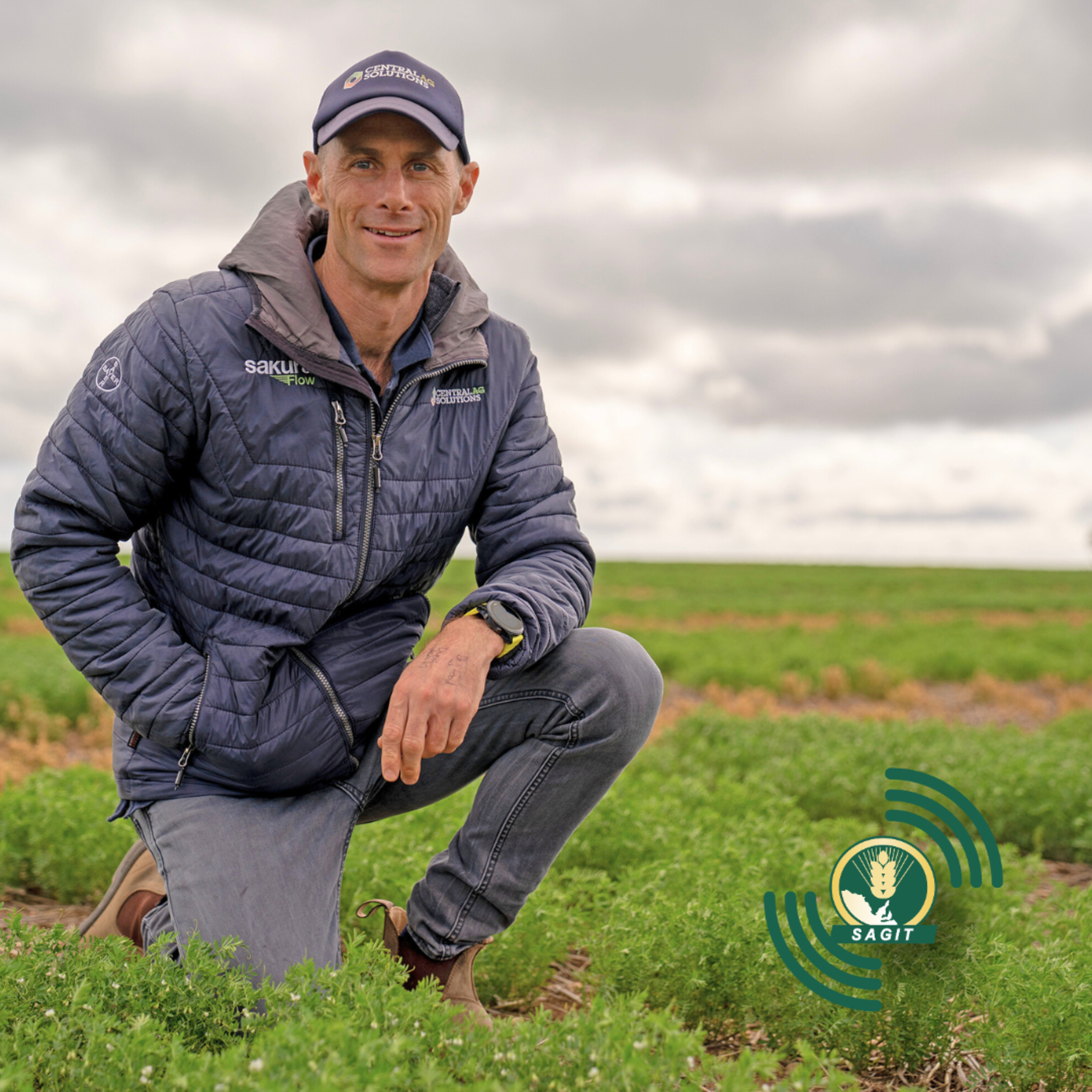
July 9, 2025Episode 199 min

SAGIT Podcast #19 – Developing a new high value noodle market for SA growers – Dr Siem Siah

Hard wheat from South Australian growers could soon be consumed by millions across East Asia as a SAGIT and GRDC funded project looks to open up new noodle wheat markets. This project is looking to position SA as a supplier of high-value noodle wheat to Taiwan, South Korea and Japan, where demand is increasing. In this podcast episode, AEGIC senior research scientist Dr Siem Siah explains the process of working with flour manufacturers in those countries to test the performance of Australian Hard wheat varieties, and what this could mean for South Australian wheat growers. ---------- On average, SAGIT invests $2 million a year in supporting research crucial to advancing South Australia’s $4.6 billion grain industry. These projects deliver real improvements in countless areas of grain growing, farming systems, soil management, harvesting, storage, processing and marketing, and they alsoprovide technical information to growers.

June 6, 2025Episode 1816 min

SAGIT Podcast #18 - On-row sowing to improve barley and lentil yields

A simple change in seeding technique and sowing crops directly on-row can significantly improve yields in barley and lentils, particularly in saline soils. With gains of up to one tonne per hectare and gross margin benefits exceeding $800/ha, the practice offers a low-cost solution for improving crop performance in coastal regions.In this podcast episode, agronomist Sam Holmes from Central Ag Solutions shares insights into the trial process, what role salinity plays in the observed benefits, and what further research is underway to fine-tune the practice to improve productivity for other growers facing saline soils. ---------- On average, SAGIT invests $2 million a year in supporting research crucial to advancing South Australia’s $4.6 billion grain industry. These projects deliver real improvements in countless areas of grain growing, farming systems, soil management, harvesting, storage, processing and marketing, and they also provide technical information to growers.
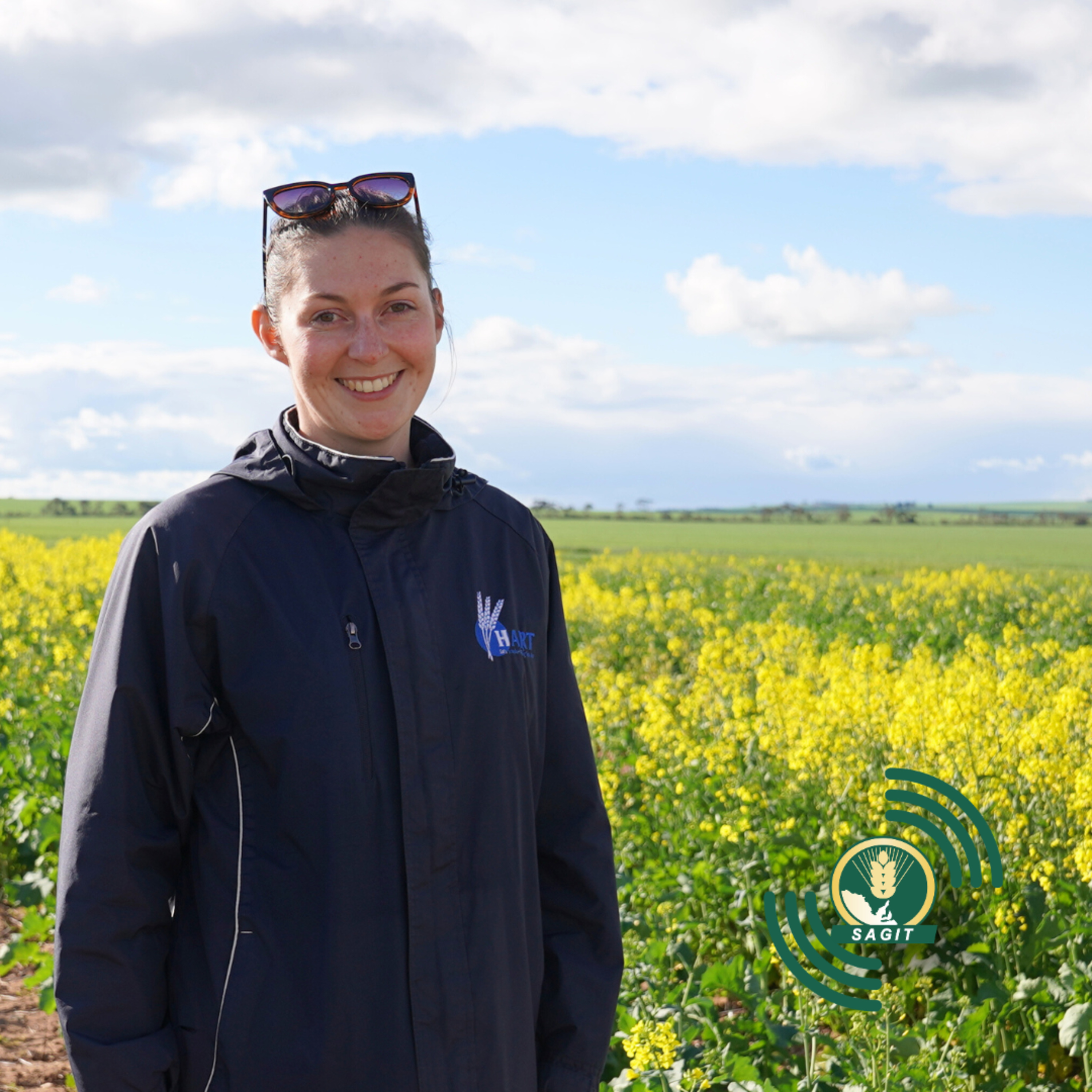
September 10, 2024Episode 1711 min

SAGIT Podcast #17 – Improving efficacy of glufosinate in canola – Rebekah Allen

When the moratorium to grow genetically modified canola was lifted in 2020, one of the new opportunities for South Australian growers was access to herbicide-tolerant varieties and a new chemistry mode of action.   As herbicide resistance increases, particularly with glyphosate and clethodim, this SAGIT-funded project run by the Hart Field-Site Group looked at maximising the efficacy of glufosinate-ammonium (Liberty) for annual ryegrass control in LibertyLink® herbicide-tolerant canola.   In this podcast episode, Hart Research and Extension Manager Rebekah Allen talks about the trials and pot experiments exploring the effects of temperature and humidity on the herbicide’s efficacy.   ----------   On average, SAGIT invests $2 million a year in supporting research crucial to advancing South Australia’s $4.6 billion grain industry.   These projects deliver real improvements in countless areas of grain growing, farming systems, soil management, harvesting, storage, processing and marketing, and they also provide technical information to growers.
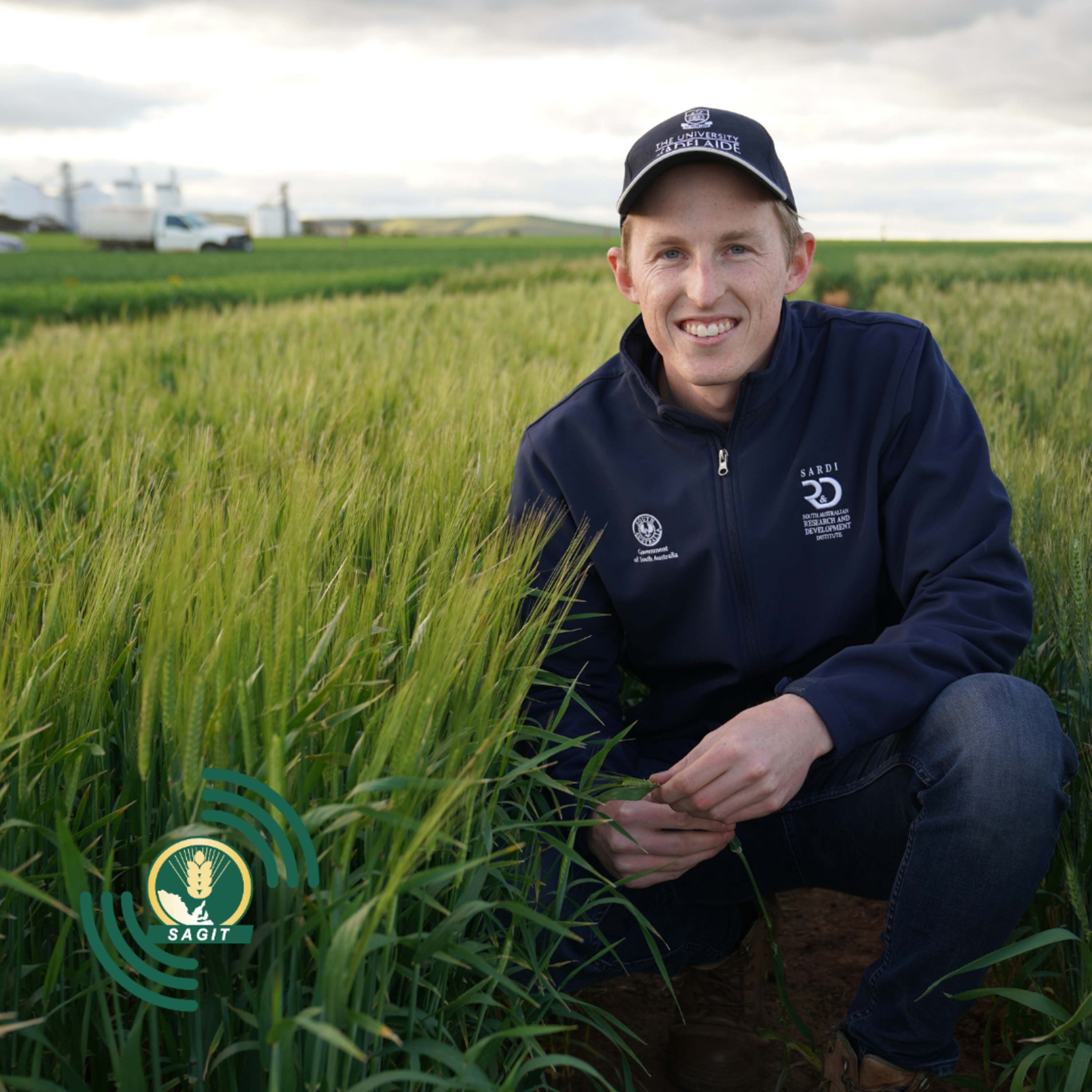
August 7, 2024Episode 1612 min

SAGIT Podcast #16 – Optimising flowering period for the Murray Plains – Brendan Kupke

Wheat and barley yields depend upon many variables. But understanding the optimal time for flowering to maximise harvest is important, particularly as timeframes vary regionally.   SAGIT recently funded a study into the optimal flowering period for the Murray Plains region, led by Brendan Kupke, Senior Research Officer in Agronomy and Crop Sciences with the South Australian Research and Development Institute (SARDI: the research division of the Department of Primary Industries and Regions SA).   In this podcast episode, Brendan talks about the combination of field trial data and crop modelling using APSIM used to develop and validate the optimal flowering period for the Murray Plains.   ----------   On average, SAGIT invests $2 million a year in supporting research crucial to advancing South Australia’s $4.6 billion grain industry.   These projects deliver real improvements in countless areas of grain growing, farming systems, soil management, harvesting, storage, processing and marketing, and they also provide technical information to growers.

Is this your show?

Claim this listing to keep it up to date, reach guests who want to pitch you, and manage bookings with Guestify.

Claim this listing

More Business podcasts