AI at Work: Why EHS Must Be Part of the Conversation
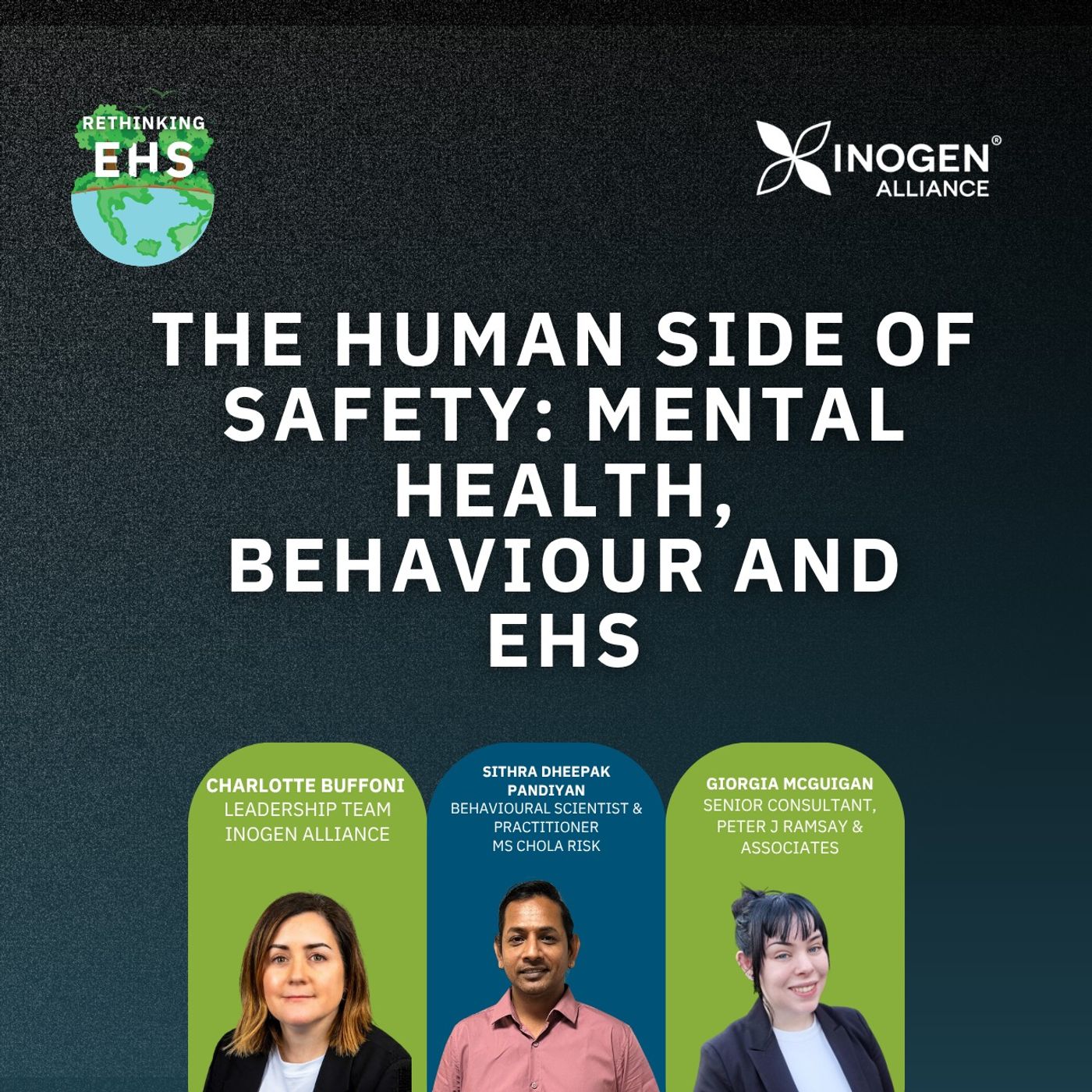
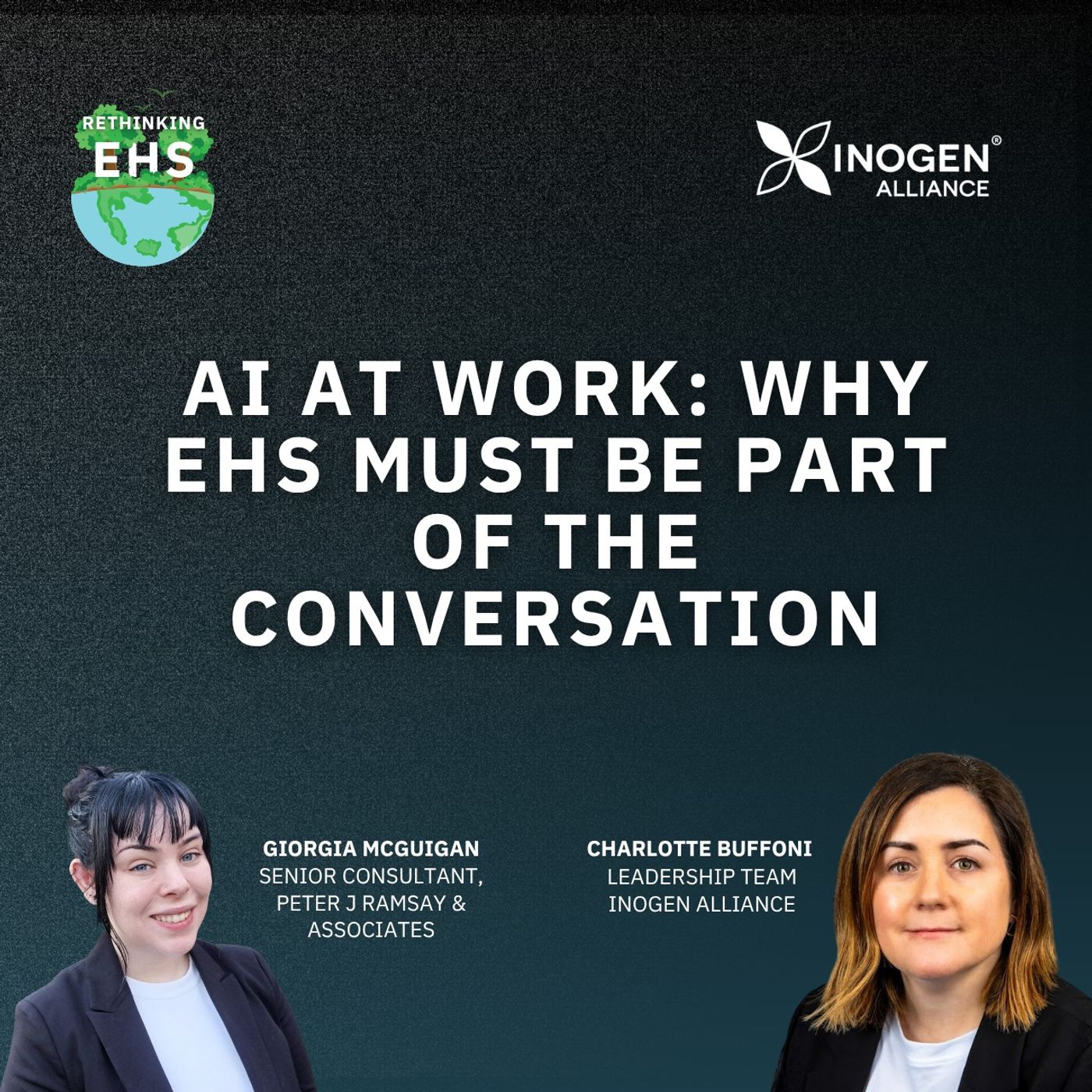
This bonus episode of Rethinking EHS, Season 3 takes a closer look at AI at work through a psychosocial safety lens. Charlotte and Giorgia use a hypothetical implementation of AI-enabled workflow and performance tools to explore how a seemingly helpful change can affect employees’ experience of work. They consider warning signs such as reduced role clarity, perceived surveillance, increased demands and scheduling decisions that fail to account for fatigue. The conversation distinguishes using AI to support human judgement from relying on its outputs without understanding their limits or the context behind the data. Giorgia argues for involving EHS throughout the change process, from early design to later review. Consultation with workers, clear explanations of what information is collected and how it will be used, and checks on workload and autonomy can help organisations spot unintended effects. Her closing question asks whether the organisation would be comfortable explaining to a worker how the system influenced a decision about them. Links: https://Inogenalliance.com/resources https://Inogenalliance.com/podcast Charlotte Buffoni on LinkedIn: https://www.linkedin.com/in/charlotte-buffoni-a42b9629/ Giorgia Mcguigan on LinkedIn: https://www.linkedin.com/in/giorgia-m-2765241a5/ Sponsor Copy: Rethinking EHS is brought to you by the Inogen Alliance. Inogen Alliance is a global network of 70+ companies providing environment, health, safety, and sustainability services, working together to provide one point of contact to guide multinational organizations to meet their global commitments locally. Visit inogenalliance.com to learn more. Produced by https://madcontent.co.nz/