Corporate Giving Decoded
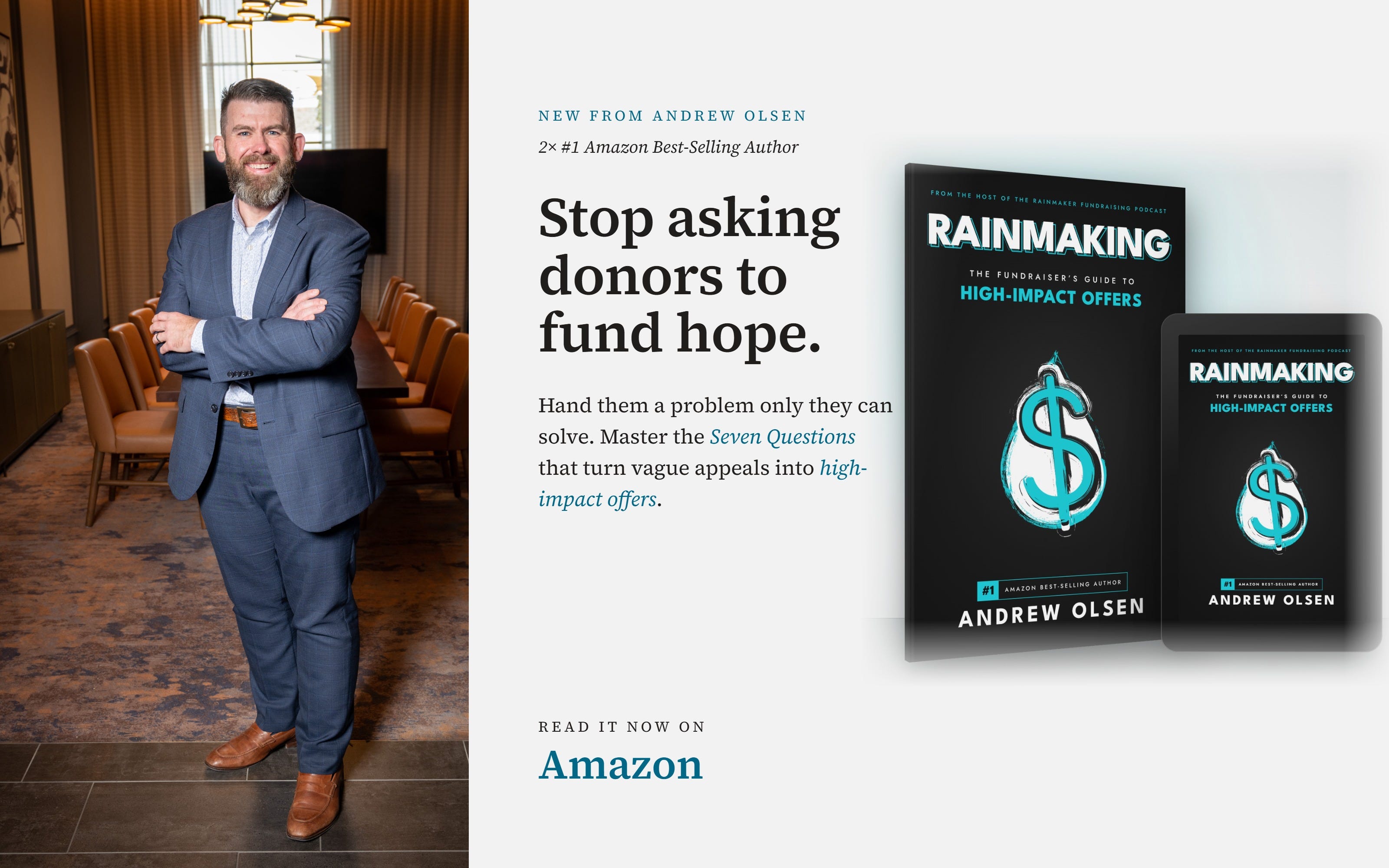
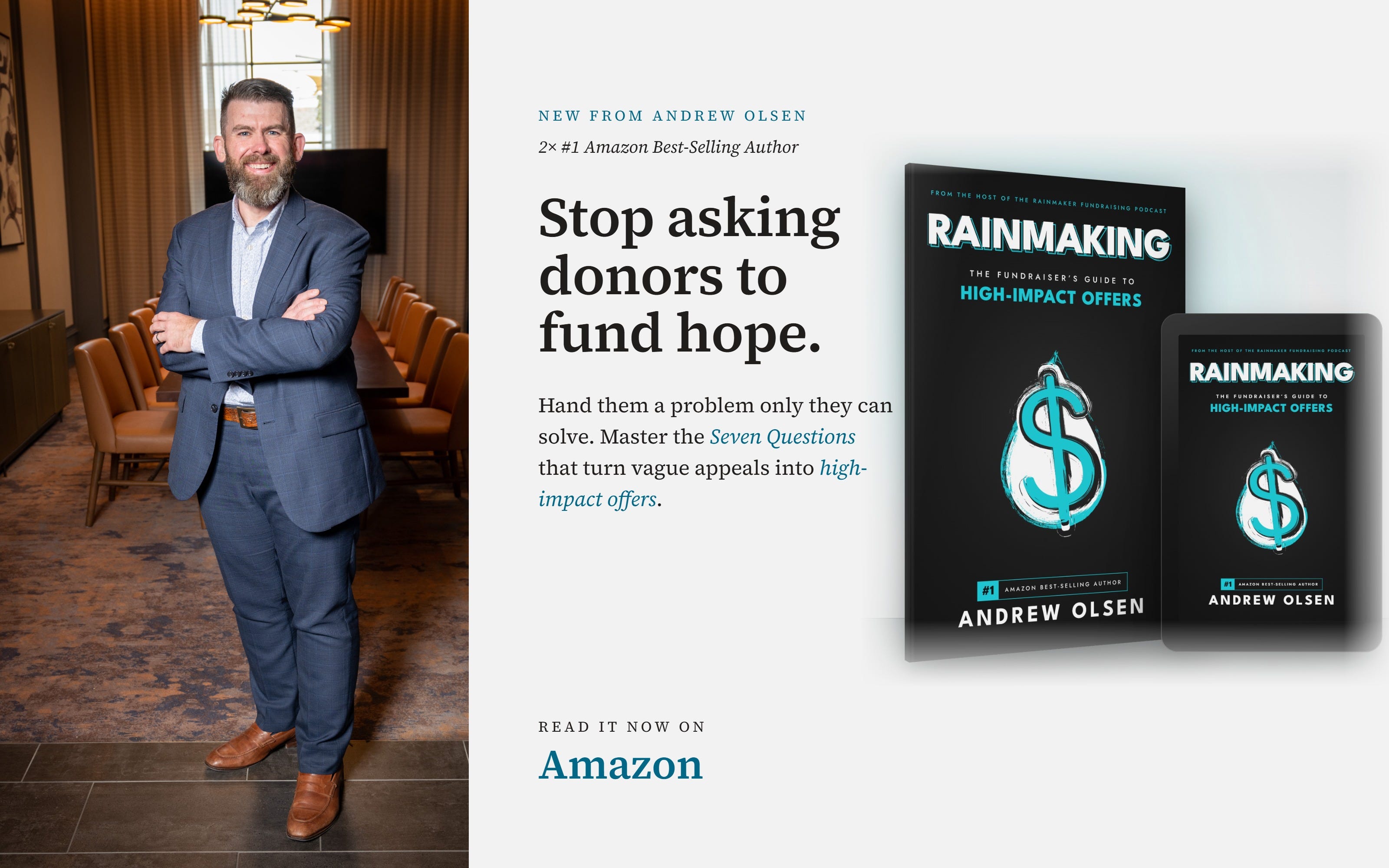
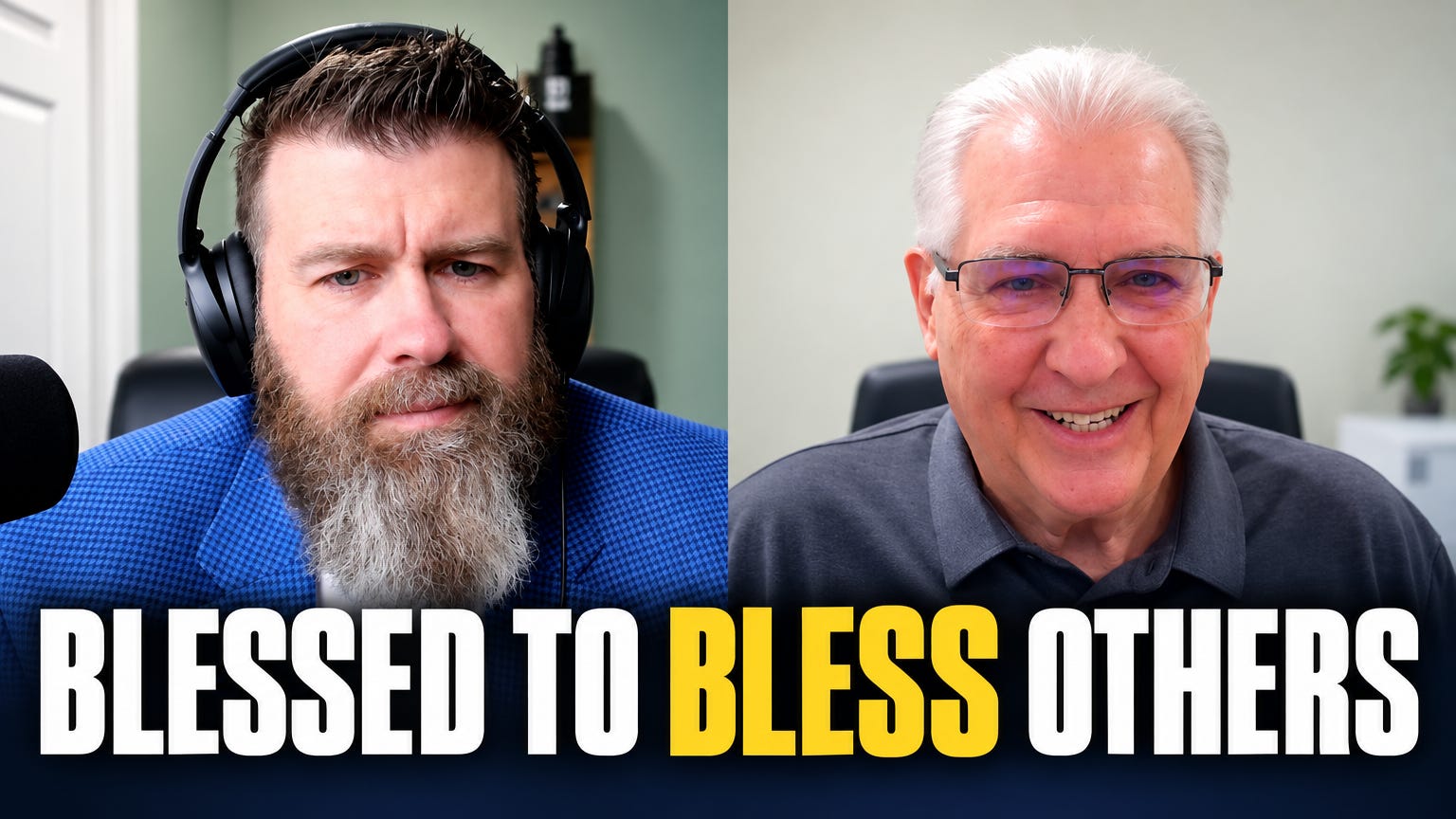
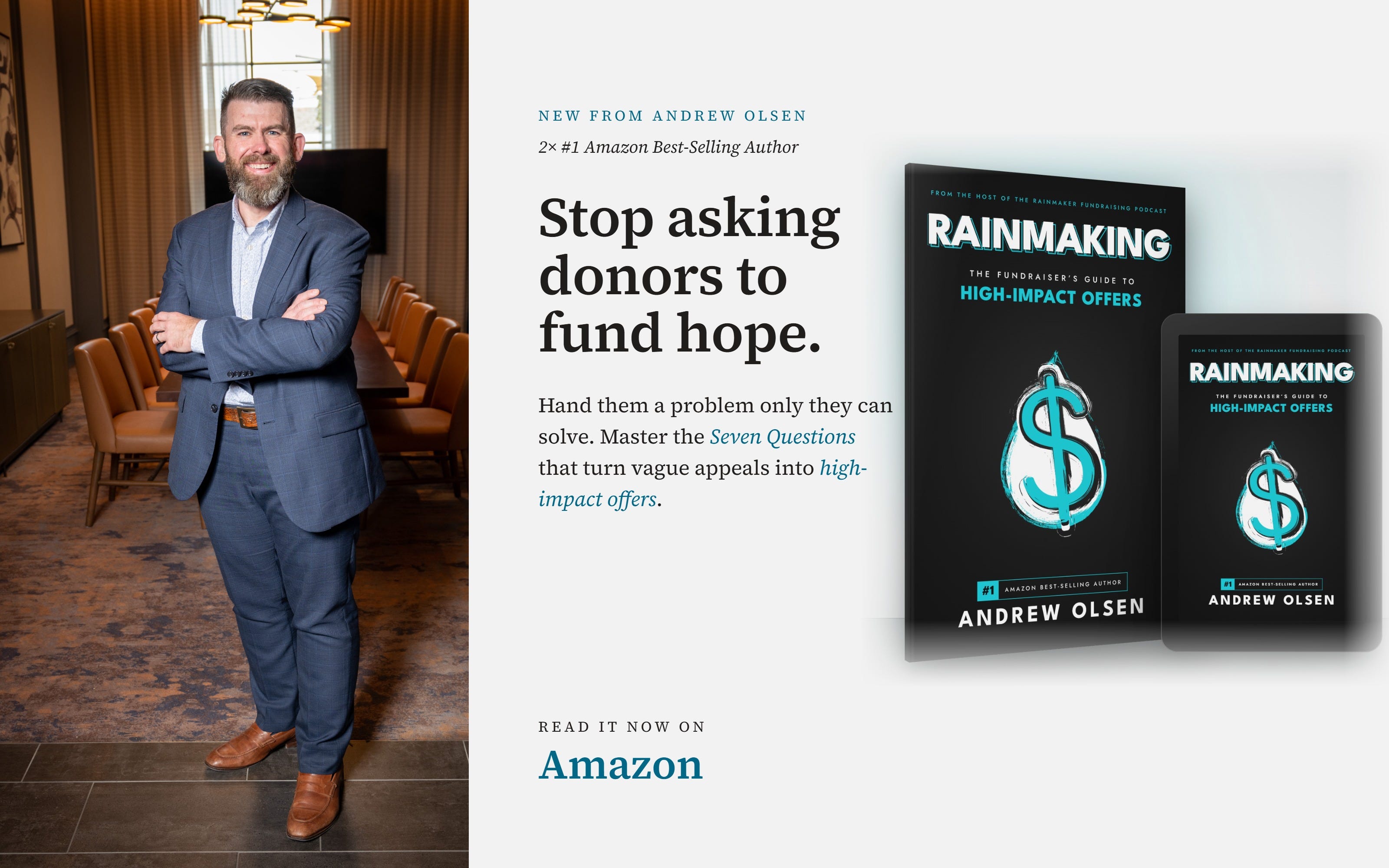
Every nonprofit has a list of local corporations that should be giving. Jeff Serrano has spent 34 years in the corporate lane of fundraising, and he’d like you to delete that word from your vocabulary. Jeff is the founder and president of 360 Corporate Engagement Consulting . Before that, he led corporate engagement for the American Cancer Society, the American Heart Association, the Dallas Museum of Art, UT Arlington, and UNT Dallas. Before that , he worked at AT&T and was a reporter for the Houston Post. He’s sat on both sides of the table, and he knows exactly how your pitch sounds from the other side. In this episode, Andrew and Jeff take apart the myths that keep nonprofits from landing meaningful corporate partnerships. They cover the “deep pockets” fallacy, why your gala committee might be sabotaging your annual corporate giving success, and the matching-gift money most organizations never claim. Jeff also tells the story of how 30+ employee resource groups at AT&T turned a regional cancer-screening push into a national corporate movement. The Conversation Act One: The Myth of the Bottomless Checkbook Jeff opens with the misconception that has wrecked many corporate pitches (03:02) : big company, big headcount, so surely big money for your cause. In reality, most corporate giving offices run on tight budgets and skeleton crews, often one or two people, rarely more than three (27:10) . And the person you’re talking to is almost never the one who decides. Decisions usually come from committees that can include anyone from an admin assistant to the CFO (05:14) . Jeff saw how that cuts both ways during his 12 years at the Dallas Museum of Art. A company that didn’t prioritize the arts would still come through because one committee member loved them. Act Two: The Back Door Is Usually Open If one relationship is a single point of failure, Jeff’s answer is to build a dozen (07:50) . Marketing, Community Relations, PR, and especially Government Relations (”they don’t give money, but they have contacts”) that all become ways in. His best proof comes from his time at AT&T (09:16) . Tasked by the American Cancer Society with rallying corporate support for a national colorectal screening campaign, Jeff skipped the front office and went to the employees. He spent eight months working with more than 30 employee resource groups. Along the way he found a champion: an employee whose own screening caught her cancer. The result was a nationwide internal broadcast. Once AT&T was on board, other companies followed. Act Three: How Nonprofits Sabotage Themselves Nobody wants just a logo on a banner, Jeff says (12:33) . In 30+ years, he never met a company that did. Companies want impact, alignment with their business, and sometimes a way to repair a bruised local reputation. Then Andrew confesses a sin from his children’s hospital days (15:21) . Grants, major gifts, events, and Children’s Miracle Network staff would sometimes approach the same company, separately, for different things. Jeff’s fix was elegantly simple: every gala ask letter included one sentence protecting the company’s annual corporate gift. Then there’s the word Jeff has banned outright (23:17) . Bosses used to grumble that companies “should” be giving. Jeff, who came from the corporate world, knew that word would kill the meeting before it started. Act Four: Where the Money Is Hiding Jeff doesn’t expect corporate cash to surge in this economy (18:47) . But he sees plenty of opportunity around it. One is in-kind gifts that cover real budget line items. “I’m not talking about pencils and paper clips.” Another is pro bono help from corporate marketing, HR, and accounting teams. The third is matching gifts, which may be the easiest money most nonprofits never collect (21:38) . He closes with lessons from a 34-year career that started, by his telling, at age ten (01:00) . (Andrew claims twelve. Neither should be trusted with math.) Deliver what you promise, and give corporate partnerships a dedicated owner (25:07) . And do one thing in the next 30 days while budgets are being set: say thank you (26:28) . “There’s never too many thank-yous.” Thanks for following The Rainmaker Fundraising Podcastt! This post is public so feel free to share it. The Big Ideas Lead with their problem, not your need. Research a company’s business objectives and pain points before you ask, and show how your mission helps them get there. Think in networks, not contacts. ERGs, marketing, PR, and government relations are all entry points. A single relationship is a single point of failure. Coordinate internally before you go external. One company, one point person, and one integrated strategy. Corporate partners notice when you’ve done your homework, and they notice when you haven’t. Check your matching-gift pipeline. It may be the easiest revenue your organization isn’t collecting. Connect with Jeff Website: 360corporateengagement.com Email: ejserrano@360corporateengagement.com Check out 360 Corporate Engagement Consulting’s key service offerings . Rainmaking: The Fundraiser’s Guide to High-Impact Offers Your fundraising offer, or the reason you give donors to support you, must answer seven key questions to effectively motivate a gift. Most nonprofits get this wrong. In fact, many simply fall back on the most generic offer possible, “you can help provide hope.” But generic hope doesn’t get the job done. And if your mission is critical, you need offers that motivate donors to act and to make the most generous contributions possible. That’s why I wrote Rainmaking: The Fundraiser’s Guide to High-Impact Offers . This book distills the offer development training that I’ve guided hundreds of nonprofits through over the last 25 years and helps you successfully answer the Seven Questions for your organization. The book is priced specifically for you, the nonprofit fundraiser or leader who needs to get things done effectively, without breaking the bank. Print copies are available for $9.99, and the Kindle version is only $4.99. If you buy the book, shoot me an email and I’ll send you a FREE Toolkit to help you act on everything in the book. It’s a $24.99 value that you get completely free! Get full access to The Rainmaker Fundraising Newsletter at rainmakerfundraising.substack.com/subscribe