Find partners
Podcast Notes Playlist: Startup

Podcast Notes Playlist: Startup

Hosted by Podcast Notes

Episodes

30

Latest episode

Jul 2026

Language

EN

About the show

We take notes on the best podcasts so you don't have to. Subscribe to this playlist in your podcast app to automatically get all the episodes we've taken notes for along with the notes themselves! The latest for the tag STARTUP

Listen to episodes

30 recent
August 22, 20261 hr 48 min

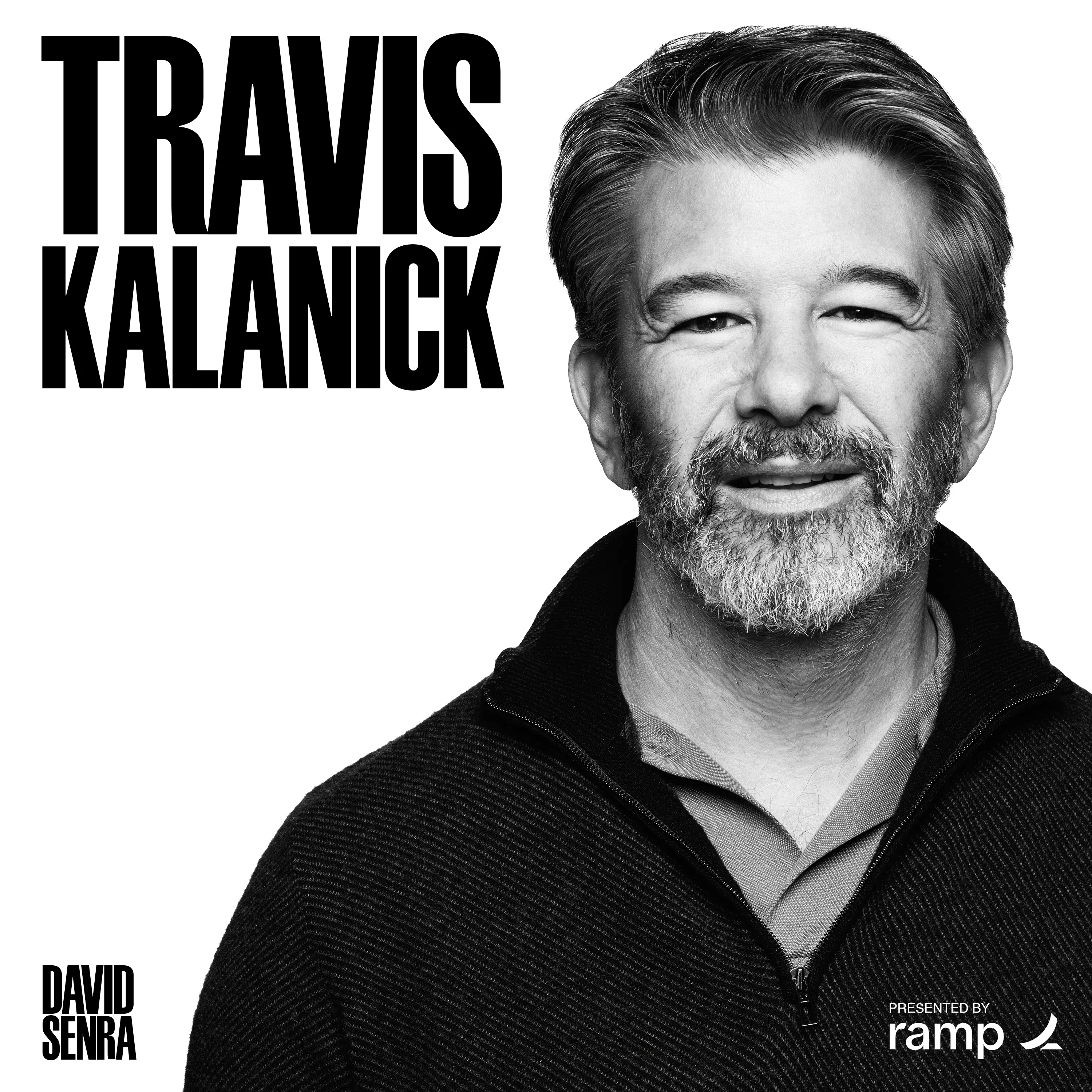
Travis Kalanick, Founder of Uber & Atoms

David Senra Key Takeaways Check out the episode page and show notes Read the full notes @ podcastnotes.org Travis Kalanick is best known for co-founding Uber and building it into one of the world’s largest transportation platforms. Before Uber, he spent years building Red Swoosh under extreme financial pressure. He says he took no salary for its first four years, repeatedly ran out of money and lost much of his social life to the company before eventually selling it. He later invested much of the proceeds in friends’ startups, becoming the first investor in Expensify. Kalanick started Uber at 33 and carried the intensity of those earlier years into the company. He describes operating with “precision, perfection and obsession” and continued running Uber with the mentality of someone worried about making the next grocery bill even after the company had reached a valuation of roughly $70 billion. Under his leadership, Uber expanded rapidly across cities and countries, creating a new category of app-based transportation and challenging the entrenched taxi systems that controlled many local markets. Uber’s growth depended on empowering young operators to build markets from scratch while maintaining tight control over the decisions that mattered most. Kalanick personally participated in the pricing process for the company’s first 20 to 30 cities, using each launch to refine a playbook that could eventually operate without him. He describes this management philosophy as finding the line between order and chaos: using the fewest possible rules while preserving the structure required to move quickly at scale. After leaving Uber, he returned to company building within months. His current company, Atoms, is developing artificial intelligence and specialized robotics for industries including food, mining and transportation. Kalanick describes his role as “problem solver in chief,” focusing on the most consequential problems that are not already being solved and pursuing what he considers his broader calling: digitizing the physical world. Show notes: https://www.davidsenra.com/episode/travis-kalanick Made possible by Ramp: https://ramp.com AppLovin: https://applovin.com/senra Deel: https://deel.com/senra Chapters (00:00:00) Building Atoms & the Meta Problem of Management (00:03:51) The Appeal of Impossible Problems: Starting Over in China (00:12:19) Uber vs. Didi: Copycats, Hypergrowth & China's Rules (00:21:02) How Network Effects Become an Efficiency Fortress (00:31:48) Capitalism vs. the Taxi Cartel (00:44:05) The China War Goes Global & the Entrepreneur's Capacity for Pain (00:54:04) Life After Uber: Lawfare, Media Narratives & Reputation (00:58:21) What Founders Get Wrong About Venture Capital (01:08:35) The Fundraising Playbook: QED Storytelling & a Five-Room Auction (01:18:38) The Uber Coup, Radical Accountability & Outgrowing Fear (01:26:42) Why Specialized Robots Beat Humanoids at Industrial Scale (01:31:30) Finding Your Sport: Food, Mining & the Physical AI Stack (01:40:14) How to Build Many Companies Inside One Company (01:46:33) Entropy, Civilization & the Meaning of Progress Learn more about your ad choices. Visit megaphone.fm/adchoices
July 28, 202643 min

#408 How to Make a Few MORE Billion Dollars: Brad Jacobs

Founders ✓ Claim Key Takeaways “You’ve got to think extraordinarily big from day one. Nobody achieves massive success by thinking small and hoping to become big.” – Brad Jacobs Negative and goal-based fuel sources can be depleted , you didn’t want to be poor, then you made X amount of money, and the tank is empty A generative fuel source compounds instead: the drive creates more energy, more ideas, more momentum the more it’s used The act of creation becomes its own feedback loop instead of needing constant external validation from money, praise, or status Brad and his teams have raised roughly $50 billion in total capital to fund M&A and organic growth, and in a matter of days or even hours he can raise hundreds of millions or even billions Two of QXO’s current top 20 shareholders had never heard of Brad until he was profiled on Founders, and they have since put $750 million into the company David’s favorite sentence in the entire book: “The most consequential decision you’ll make in business and in life is who you surround yourself with” “If you’re not substantially improving the companies you buy, you’re just moving capital around” He negotiates unrestricted access to the company from the moment the agreement is signed , not the day the deal closes, and that is not commonplace in M&A Every position gets categorized three ways: must have, nice to have, or what the hell, and they take a broom to that third category He started Transcendental Meditation at 16 and has meditated twice a day for decades without missing a single day “When I stopped expecting flawlessness from myself and others, I could let go of frustration and put that energy to good use” Read the full notes @ podcastnotes.org In 2024 Brad Jacobs wrote the book How to Make a Few Billion Dollars. In the book Brad explains how he built 8 separate billion dollar companies and other lessons from his 40+ year career as an elite entrepreneur. In the two years since Brad has made a few MORE billion dollars and so the sequel to his first book is: How to Make a Few MORE Billion Dollars. In this episode I share some of Brad's ideas on raising tons of money (Brad has raised over $50 billion), mastering his integration playbook, ideas for organizational integration, org chart design, and how Brad keeps his mind centered and in a positive place to handle the inevitable ups and downs of building great companies. Episode sponsors: ⁠ Ramp⁠⁠⁠⁠⁠⁠⁠ gives you everything you need to control spend, watch your costs, and optimize your financial operations —all on a single platform. Make history's greatest entrepreneurs proud ⁠⁠⁠by going to Ramp and learning how they can help your business control your costs and save time and money.⁠⁠⁠ ⁠⁠⁠⁠https://ramp.com Automate compliance, security, and trust with Vanta.⁠ ⁠⁠⁠Vanta helps you win trust, close deals, and stay secure—faster and with less effort⁠⁠⁠⁠. ⁠⁠⁠Find out how increased security leads to more customers by going to Vanta⁠⁠⁠. Tell them David from Founders sent you and you'll get $1000 off. https://vanta.com/founders⁠⁠⁠ Collateral⁠⁠ transforms your complex ideas into compelling narratives. Collateral crafts institutional grade marketing collateral for private equity, private credit, real estate, venture capital, family offices, hedge funds, oil & gas companies, and all kinds of corporations. Storytelling is one of the highest forms of leverage and you should invest heavily in it. You can do that by going to ⁠⁠https://collateral.com

July 27, 20261 hr 2 min

Mental Models That Change How You Think | Bill Gurley

Knowledge Project Key Takeaways The dating site story is systems thinking in one anecdote: a large dating site hypothesized longer profiles would drive more engagement They tested it. It was true. They rolled it out Many, many months later they discovered it was negative for conversion — when people knew that much about each other, they converted less That is a second-derivative effect, and you only find it way after the fact The combination is the whole point: know the really old stuff (the history of your field, which signals passion) and really understand the new edge. Do both and you’re a power player Applying for a marketing job at P&G or Pepsi? Know the legends of marketing and genuinely get TikTok. That’s a wildly differentiated candidate The built-in filter: if learning the history of your field sounds tedious, you’re in the wrong lane. Tedium is the signal that the passion isn’t there Wall Street is the buyer of the product venture capitalists create , since liquidity is either M&A or an IPO and that’s where the price gets set — so even at two people on a PowerPoint, you’re asking whether this thing grown up is something that buyer gets excited about China has roughly 10 good open source models and the farmer metaphor explains why that matters: two agricultural societies, in one the farmers come to market, sell goods, go home. In the other, they’re forced to share best practices with every other farmer. Which one evolves faster? They’re open sourcing weights and publishing the new techniques. Meanwhile a lot of US startups are quietly forking those models The chart that tells the AI funding story: losses of the category-leading company before going cash flow positive. Amazon was two or three billion. Uber was around 15 billion. These AI companies will be way bigger than that Burn rate used to be the risk metric: ten years ago a million a month was terrifying. Now companies burn five billion a year, over a hundred million a month, and at that speed it’s genuinely hard to know what your unit economics even are Stablecoins are functionally a workaround for regulation the banks lobbied into existence. ACH takes three days, a same-day wire costs $25 and a page of forms, and credit cards charge 2 to 2.5% — “there’s zero reason why it should cost two or three percent, just zero” UK Faster Payments did instant bank-to-bank 20 years ago, Pix hit 60-70% of transactions within six years, and the US built FedNow but it went nowhere Bill once asked Jeff Bezos how his angel portfolio was so successful given he has zero free time. The answer: when he meets an entrepreneur there is only one question he asks himself, is this person going to do this no matter what, come hell or high water? Benchmark made the partnership flat — no lead partner, no king, no president, just five equal partners , which makes recruiting easy, actually develops new partners, and eliminates all the annual comp politics. The one huge negative: with no CEO, nobody owns anything firm-wide, which is why the site is still a single splash page 15 years later Read the full notes @ podcastnotes.org Bill Gurley spent years on Wall Street, built his career as a partner at Benchmark, worked through Uber’s hypergrowth era, and now serves on the board of the Santa Fe Institute, where he studies complexity and systems thinking. In this episode, Bill shares the mental models he returns to most, including systems thinking, second- and third-order effects, and the importance of understanding both the bedrock of your field and the bleeding edge. He explains what separates great founders, why storytelling and product instincts matter, how he uses AI across different models, and what he sees coming in open source, China, stablecoins, tokenization, payments, and venture capital.  ------ Timestamps: (00:00) Key Mental Models (02:02) Investing Journey and Key Players (05:21) Knowing the Bedrock of the Industry (08:50) Obsessive Learning in Founders (10:04) The Silent Edge (11:44) Surprising AI Use (13:13) The Future of AI Models (14:17) Global AI Regulation (18:12) Impacts of AI on Investing (19:53) Are There Limitations on Training AI Models? (23:04) Would You Sit in the Back Seat While Your Tesla Drives? (24:15) Non-Consensus Opinions (24:53) Are We Overfunding this Buildout? (29:40) The Role of Retail Investors and Tokenization (34:26) What is a Stablecoin? (37:58) Competitive Mode: Visa and Mastercard (39:55) AI and Debt Analysis (45:05) The Craft of Storytelling and Writing (48:07) Founder Advantage: Product Instinct (50:12) Real World Lessons from Working With Uber (52:10) Inside Benchmark’s Success (59:42) What is Success for You? ------ Newsletter: The Brain Food newsletter delivers actionable insights and thoughtful ideas every Sunday. It takes 5 minutes to read, and it’s completely free. Learn more and sign up at ⁠⁠⁠⁠⁠⁠⁠⁠⁠⁠⁠⁠⁠⁠⁠⁠⁠⁠⁠⁠⁠⁠⁠⁠⁠⁠⁠fs.blog/newsletter⁠⁠⁠⁠⁠⁠⁠⁠⁠⁠⁠ ------ Follow Shane Parrish: X: ⁠⁠⁠⁠⁠⁠https://x.com/shaneparrish⁠ Insta: ⁠https://www.instagram.com/farnamstreet/⁠ LinkedIn: ⁠https://www.linkedin.com/in/shane-parrish-050a2183/⁠ Follow Bill Gurley LinkedIn: https://www.linkedin.com/in/billgurley/ X: https://x.com/bgurley?lang=en Check out Runnin’ Down a Dream: How to Thrive in a Career You Actually Love ------ Thank you to the sponsors for this episode: +CoinShares: Delivering Reason to Digital Asset Investing. ⁠https://coinshares.com/⁠ +Granola AI, The AI notepad for people in back-to-back meetings: https://www.granola.ai/shane Check out the Granola Notes +HeyGen is a message-first AI video platform that helps people and AI agents turn ideas into professional video in minutes. Try for free at https://www.heygen.com/tkp +LMNT: My go-to zero sugar electrolytes — get a free LMNT Sample Pack here: DrinkLMNT.com/TKP Learn more about your ad choices. Visit megaphone.fm/adchoices
July 19, 202653 min

#424 Peter Thiel on How to Build a Creative Monopoly

Founders ✓ Claim Intro Check out the episode page Read the full notes @ podcastnotes.org What I learned from reading Zero to One: Notes on Startups, or How to Build the Future by Peter Thiel and Blake Masters (for the 3rd or 4th time) Made possible by:  Ramp: ⁠https://ramp.com⁠  Applovin: ⁠https://www.applovin.com/⁠  Vanta: ⁠https://vanta.com/founders

May 16, 2026Episode 15727 min

Sell the Truth

Naval's Podcast and Periscope Sessions Intro Can’t get enough Naval Ravikant? Check out our guide packed with Naval’s greatest advice Read the full notes @ podcastnotes.org 00:00 Be Credible 03:18 "Yes, And" 04:31 Selfish Honesty 05:37 Charisma Is Confidence + Love 07:56 Don't Manage, Lead 11:16 Hunt Together 14:51 Feed Your (Good) Obsessions 18:57 Sell the Truth 21:07 Good Deal or No Deal 23:39 The Age of Nonlinear Returns — Transcript: http://nav.al/sell USVC is a product of AngelList, where we are founders and hold equity.

February 19, 20261 hr 14 min

Sequoia CEO coach: Why it’s never been easier to start a company, and never been harder to scale one | Brian Halligan (co-founder, HubSpot)

Lenny's Podcast: Product | Growth | Career ✓ Claim Key Takeaways Check out the episode page Read the full notes @ podcastnotes.org Brian Halligan co-founded HubSpot, ran it as CEO for about 15 years, and now coaches Sequoia’s fastest-growing founders as their in-house CEO coach. We discuss: 1. His LOCKS framework for evaluating founders 2. Why you should build your team like the 2004 Red Sox 3. Why hiring “spicy” candidates beats consensus picks 4. Why enterprise sales will be the last white-collar job AI replaces 5. Some of my favorite “Halliganisms” — Brought to you by: Sentry —Code breaks, fix it faster: http://sentry.io/lenny Datadog —Now home to Eppo, the leading experimentation and feature flagging platform: https://www.datadoghq.com/lenny WorkOS —Modern identity platform for B2B SaaS, free up to 1 million MAUs: https://workos.com/lenny — Episode transcript: https://www.lennysnewsletter.com/p/sequoia-ceo-coach-why-its-never-been — Archive of all Lenny's Podcast transcripts: https://www.dropbox.com/scl/fo/yxi4s2w998p1gvtpu4193/AMdNPR8AOw0lMklwtnC0TrQ?rlkey=j06x0nipoti519e0xgm23zsn9&st=ahz0fj11&dl=0 — Where to find Brian Halligan • X: https://x.com/bhalligan • LinkedIn: linkedin.com/in/brianhalligan • Delphi: https://www.delphi.ai/bhalligan • Podcast: https://sequoiacap.com/series/long-strange-trip — Where to find Lenny: • Newsletter: https://www.lennysnewsletter.com • X: https://twitter.com/lennysan • LinkedIn: https://www.linkedin.com/in/lennyrachitsky/ — In this episode, we cover: (00:00) Introduction to Brian Halligan (03:56) The perpetual state of constructive dissatisfaction (05:25) Coaching CEOs (07:49) The art of interviewing and hiring (11:21) Getting the most out of reference calls (13:10) Homegrown talent vs. big company hires (16:31) Traits of successful CEOs (19:40) Brian’s LOCKS framework for evaluating founders (21:34) Are great CEO’s born or made? (23:41) Giving effective feedback (25:54) The future of go-to-market strategies (31:56) Understanding forward deployed engineers (34:17) How the CEO role has evolved over the last 20 years (38:10) Halliganisms (01:01:18) The CEO’s role in scaling a company (01:02:41) Lightning round and final thoughts — Referenced: • Dev Ittycheria on LinkedIn: https://www.linkedin.com/in/dittycheria • HubSpot: https://www.hubspot.com • Parker Conrad on LinkedIn: https://www.linkedin.com/in/parkerconrad • McKinsey & Company: https://www.mckinsey.com • Brian Chesky’s new playbook: https://www.lennysnewsletter.com/p/brian-cheskys-contrarian-approach • Jensen Huang on LinkedIn: https://www.linkedin.com/in/jenhsunhuang • Winston Weinberg on LinkedIn: https://www.linkedin.com/in/winston-weinberg • James Cadwallader on LinkedIn: https://www.linkedin.com/in/jsca • Gabriel Stengel on LinkedIn: https://www.linkedin.com/in/gabestengel • He saved OpenAI, invented the “Like” button, and built Google Maps: Bret Taylor on the future of careers, coding, agents, and more: https://www.lennysnewsletter.com/p/he-saved-openai-bret-taylor • Scaling Entrepreneurial Ventures: https://orbit.mit.edu/classes/scaling-entrepreneurial-ventures-15.392 • OpenClaw: https://openclaw.ai • Ruth Porat on LinkedIn: https://www.linkedin.com/in/ruth-porat • Mike Krzyzewski: https://goduke.com/sports/mens-basketball/roster/coaches/mike-krzyzewski/4159 • Dalai Lama’s 18 Rules for Living: https://www.prm.nau.edu/prm205/Dalai-Lama-18-rules-for-living.htm • Zigging vs. zagging: How HubSpot built a $30B company | Dharmesh Shah (co-founder/CTO): https://www.lennysnewsletter.com/p/lessons-from-30-years-of-building • Kareem Amin on LinkedIn: https://www.linkedin.com/in/kareemamin • Glassdoor: https://www.glassdoor.com • Tobi Lütke’s leadership playbook: Playing infinite games, operating from first principles, and maximizing human potential (founder and CEO of Shopify): https://www.lennysnewsletter.com/p/tobi-lutkes-leadership-playbook • Katie Burke on LinkedIn: https://www.linkedin.com/in/katie-burke-965767a • Jerry Garcia: https://en.wikipedia.org/wiki/Jerry_Garcia • Bob Weir: https://en.wikipedia.org/wiki/Bob_Weir • Phil Lesh: https://en.wikipedia.org/wiki/Phil_Lesh • Ron “Pigpen” McKernan: https://en.wikipedia.org/wiki/Ron_%22Pigpen%22_McKernan • Marc Andreessen: The real AI boom hasn’t even started yet: https://www.lennysnewsletter.com/p/marc-andreessen-the-real-ai-boom • The American Revolution : https://www.pbs.org/kenburns/the-american-revolution • Delphi: https://www.delphi.ai • Sonos: https://www.sonos.com • Yamini Rangan on LinkedIn: https://www.linkedin.com/in/yaminirangan • The Boston Red Sox: https://www.mlb.com/redsox — Recommended book: • Marketing Lessons from the Grateful Dead: What Every Business Can Learn from the Most Iconic Band in History : https://www.amazon.com/Marketing-Lessons-Grateful-Dead-Business/dp/0470900520 — Production and marketing by https://penname.co/ . For inquiries about sponsoring the podcast, email podcast@lennyrachitsky.com . — Lenny may be an investor in the companies discussed. To hear more, visit www.lennysnewsletter.com

January 14, 20261 hr 36 min

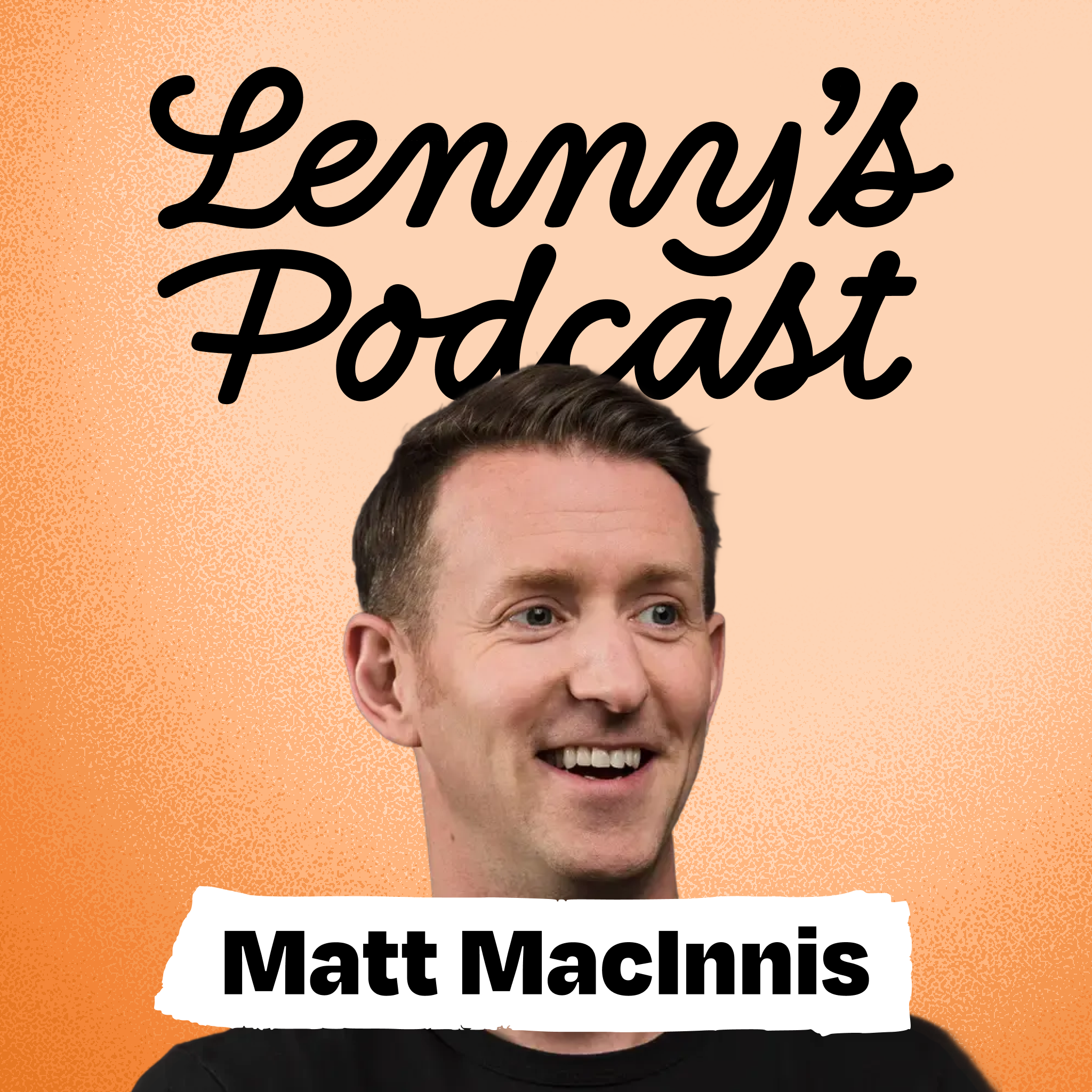
10 contrarian leadership truths every leader needs to hear | Matt MacInnis (Rippling)

Lenny's Podcast: Product | Growth | Career ✓ Claim Key Takeaway s Deliberately understaff projects: Constraints force creativity and prevent bloat from politics and bureaucracy You’ve gone too far when teams can’t ship basic functionality The sweet spot is uncomfortable but productive tension Good teams get tired; great teams run in the red constantly and destroy good teams in that moment High alpha, low beta framework: Evaluate people and processes on upside potential (alpha) versus volatility (beta) Prioritize high alpha opportunities even with higher beta Processes exist solely to lower beta but suppress alpha as a trade-off The nuanced dance is decreasing volatility where needed (like payroll) without killing upside in innovation areas Know when to quit your startup: If you’re not certain you have product-market fit, you don’t have it Companies that hit big do so quickly; the “never quit” mentality is VC propaganda designed to extract value from founders, not protect them Pivot twice or three times maximum, typically by year four You’re running an experiment to see if the universe has binding receptors for your product. If not, move on… Leadership means fighting entropy relentlessly Teams naturally optimize for local comfort and disorder Executives must demand 99% energy levels daily, or the system decays Top performers don’t get 10% more rewards; they get 10-100x Being “chill” accomplishes nothing Withholding negative feedback is selfish because you prioritize your comfort over making teammates and the company better Read the full notes @ podcastnotes.org Matt MacInnis is the chief product officer and former longtime COO at Rippling, a unified workforce management platform valued at over $16 billion. We discuss: 1. Why “extraordinary results demand extraordinary efforts” 2. Why you should deliberately understaff projects, and how to know when you’ve gone too far 3. Matt’s transition from COO to CPO and what surprised him about leading product 4. The “high alpha, low beta” framework for evaluating people, processes, and products 5. When founders should quit their startups (hint: much earlier than VCs want you to) 6. How to fight entropy in your organization through relentless energy and intensity — Brought to you by: Google Gemini —Your everyday AI assistant: https://ai.dev/ Datadog —Now home to Eppo, the leading experimentation and feature flagging platform: https://www.datadoghq.com/lenny GoFundMe Giving Funds —Make year-end giving easy: http://gofundme.com/lenny — Transcript: https://www.lennysnewsletter.com/p/10-contrarian-leadership-truths — My biggest takeaways (for paid newsletter subscribers): https://www.lennysnewsletter.com/i/181916584/my-biggest-takeaways-from-this-conversation — Where to find Matt MacInnis: • X: https://x.com/stanine • LinkedIn: https://www.linkedin.com/in/macinnis • Email: macinnis@rippling.com — Where to find Lenny: • Newsletter: https://www.lennysnewsletter.com • X: https://twitter.com/lennysan • LinkedIn: https://www.linkedin.com/in/lennyrachitsky/ — In this episode, we cover: (00:00) Introduction to Matt MacInnis and Rippling (04:38) The importance of extraordinary efforts (08:37) The challenges and rewards of relentless effort (10:11) Your job as a leader is to preserve intensity (12:39) You learn far more from success than failure (16:34) Transitioning to chief product officer (19:54) Fixing product management at Rippling (25:27) The “high alpha, low beta” framework (28:55) The PQL framework (35:16) Hiring frameworks and team dynamics (36:52) A helpful interview tactic (40:00) Leading as a COO vs. a CPO (42:34) The reality of product-market fit (46:38) The problem with venture capital (49:29) When founders should quit their startups (41:48) The immutable market (54:13) Lessons from Notion’s success (57:43) Investment strategies and narrative violations (01:00:42) The power of compounding, power law, and entropy (01:07:02) Maintaining intensity and fighting entropy (01:11:33) The importance of feedback and escalations (01:14:31) Rippling’s vision and success (01:17:48) AI’s impact on SaaS and business software (01:23:42) AI corner (01:26:23) Final thoughts and lightning round — Referenced: • Rippling: https://www.rippling.com • Sunil Raman on LinkedIn: https://www.linkedin.com/in/sunilraman • Dan Gill on LinkedIn: https://www.linkedin.com/in/dangill • Carvana: https://www.carvana.com • Brian Chesky’s new playbook: https://www.lennysnewsletter.com/p/brian-cheskys-contrarian-approach • Parker Conrad on LinkedIn: https://www.linkedin.com/in/parkerconrad • Inkling: https://www.inkling.com • Akshay Kothari on LinkedIn: https://www.linkedin.com/in/akothari • Notion: https://www.notion.com • Conway’s law: https://en.wikipedia.org/wiki/Conway%27s_law • Seeking Alpha: https://seekingalpha.com • Dennis Rodman’s website: https://dennisrodman.com • Dancing pickle emoji: https://slackmojis.com/emojis/456-dancing_pickle • Pickle Rick: https://en.wikipedia.org/wiki/Pickle_Rick • SPOTAK: The Six Traits I Look for When I’m Hiring: https://finance.yahoo.com/news/spotak-six-traits-look-m-181335267.html • Geoff Lewis on LinkedIn: https://www.linkedin.com/in/geofflewis1 • Zenefits: https://en.wikipedia.org/wiki/TriNet_Zenefits • New banking records prove Deel paid thief who stole trade secrets from Rippling: https://www.rippling.com/blog/new-banking-records-prove-deel-paid-thief-who-stole-trade-secrets-from-rippling • Workday: https://www.workday.com • Matic robots: https://maticrobots.com • Wall-E : https://www.imdb.com/title/tt0910970 • Conviction: https://www.conviction.com • Mike Vernal on X: https://x.com/mvernal • Sarah Guo on X: https://x.com/saranormous • No Priors: https://linktr.ee/nopriors • Gemini: https://gemini.google.com • ChatGPT: https://chatgpt.com • Claude: https://claude.ai • Bryan Schreier on LinkedIn: https://www.linkedin.com/in/bryanschreier • Heated Rivalry on HBO Max: https://www.hbomax.com/shows/heated-rivalry/50cd4e99-04ee-427b-a3b4-da721ed05d9c • Fellow coffee maker: https://fellowproducts.com/products/aiden-precision-coffee-maker — Recommended books: • Pale Blue Dot: A Vision of the Human Future in Space : https://www.amazon.com/Pale-Blue-Dot-Vision-Future/dp/0345376595 • Conscious Business: How to Build Value Through Values : https://www.amazon.com/Conscious-Business-Build-through-Values/dp/1622032020 • Thinking in Systems: https://www.amazon.com/Thinking-Systems-Donella-H-Meadows/dp/1603580557 • The Effective Executive: The Definitive Guide to Getting the Right Things Done : https://www.amazon.com/Effective-Executive-Definitive-Harperbusiness-Essentials/dp/0060833459 — Production and marketing by https://penname.co/ . For inquiries about sponsoring the podcast, email podcast@lennyrachitsky.com . — Lenny may be an investor in the companies discussed. To hear more, visit www.lennysnewsletter.com

January 10, 20261 hr 42 min

2754: Stress is Making You Fat! Here's how and how to fix it.

MInd Pump Key Takeaways Gamify failure to accelerate learning : The biggest mistake in building anything is attempting the final version first NASA’s approach taught Mark Rober that rapid prototyping and treating each failure as valuable data “I don’t know, but I’ll test and find out” transforms obstacles into exciting problems to solve rather than soul-crushing setbacks Dopamine drives getting, not having : Evolution wired us to chase rewards, not enjoy them This explains why high achievers like Elon Musk have brains that never turn off, and why “burnout” occurs when your input no longer generates the same neurochemical payoff you’ve come to expect Conspiracy theories fill our need for control : The idea of compensatory control explains why people reject randomness Believing in secret cabals like “the Illuminati” is psychologically easier than accepting that terrible things happen by pure chance, beyond anyone’s control Adults are input-rich but output-starved : Modern life drowns us in passive content consumption while our brains desperately crave hands-on creation We literally invented weightlifting (picking things up and putting them down for an hour) to artificially reintroduce the physical problem-solving our species evolved to need Read the full notes @ podcastnotes.org Mind Pump Fit Tip: Stress is Making You Fat! Here's how and how to fix it. (2:28) The most effective anti-inflammatory. (26:04) Hip thrust king! (28:19) Baby sumo. (31:27) Kids do the darndest things. (34:13) The delicate dance of getting your kids to do things they don't want to do. (36:48) Carnival genetics. (39:24) Effects of ultra-processed foods on kids. (41:32) American culture and consumption. (43:18) The importance of having a healthy microbiome on your skin. (49:42) #ListenerCoaching call #1 – How to structure the workout when hitting two or more muscle groups in the same workout. (55:38) #ListenerCoaching call #2 – How do you know when a low HRV score means you actually need to back off training, versus when it's just reflecting daily stress, hormones, or life chaos? (1:04:46) #ListenerCoaching call #3 – How to balance work/life, while trying to be an inspiring entrepreneur. (1:12:15) #ListenerCoaching call #4 – How can I continue to incorporate all of the things I love without losing muscle and strength gains, while also seeking optimal overall health outside of aesthetics (I deal with quite a bit of body dysmorphia)? (1:24:26) Related Links/Products Mentioned Get Coached by Mind Pump, live! Visit https://www.mplivecaller.com Visit Fatty15 for an exclusive offer for Mind Pump listeners! ** You can get an additional 15% off their 90-day subscription Starter Kit with code MINDPUMP ** Visit Caldera Lab for an exclusive offer for Mind Pump listeners! **Code MINDPUMP20 for 20% off your first order of their best products. ** MAPS 15 FORTY PLUS 50% half from Dec. 14-20th. Code DECEMBER50 at checkout. Mind Pump Store Purpose in life and stress: An individual-participant meta-analysis of 16 samples Gratitude enhances health, brings happiness - Harvard Health The importance of friendships in reducing brain responses to stress in adolescents exposed to childhood adversity: a preregistered systematic review Ultra-processed foods threaten brain health in kids and teens, review warns Australia's social media ban for kids under 16 goes into effect 'We fear people will end up in financial trouble.' Americans will spend a record $20 billion via buy-now-pay-later during the holidays. Visit Seed for an exclusive offer for Mind Pump listeners! ** Code 20MINDPUMP for 20% off your first month of Seed's DS-01® Daily Synbiotic. ** Mind Pump #2469: Compound Before Isolation Lifts are the Best, Except When They're Not (Listener Live Coaching) Online Personal Training Course | Mind Pump Fitness Coaching ** Approved provider by NASM/AFAA (1.9 CEUs)! Grow your business and succeed in 2025. ** Mind Pump #2560: How to Break Free from Destructive Body Image Issues Mind Pump Podcast – YouTube Mind Pump Free Resources People Mentioned Bret Contreras PhD ( @bretcontreras1 ) Instagram Christopher M. Naghibi ( @chrisnaghibi ) Instagram Kyle P ( @mindpumpkyle ) Instagram

January 8, 20261 hr 41 min

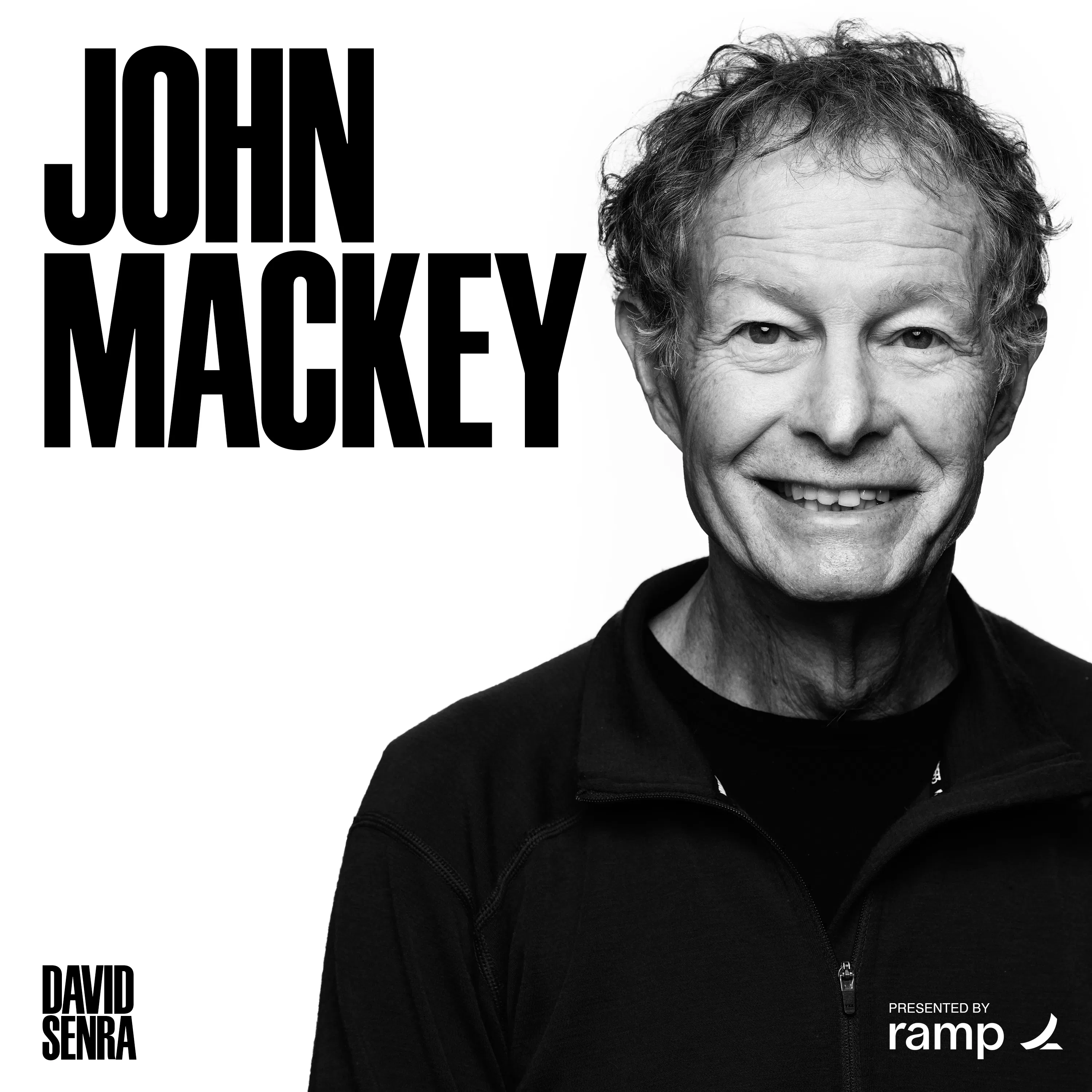
John Mackey, Whole Foods Market

David Senra Key Takeaways Acquisition strategy as a competitive moat Whole Foods scaled to 550 stores by acquiring roughly 25 regional natural food markets early, inheriting their geographical-intellectual capital and local teams while competitors dismissed them as “hippies selling to hippies.” This allowed systematic expansion into new territories with established infrastructure rather than cold-starting each market Differentiation during competitor distraction While traditional grocers fixated on competing with Walmart on price (a losing battle), Mackey deliberately moved opposite by competing on quality and service The market leader’s dominance actually created Whole Foods’ opportunity by forcing everyone else to play the wrong game Founder-VC timeline misalignment as an existential risk A warning to entrepreneurs: Venture capitalists operate on 7-year return windows while builders think in decades VCs are “hitchhikers with credit cards” who will try to accelerate growth artificially to pull forward exits, often destroying businesses that need patient capital His core advice: never surrender control to VCs regardless of their promises The forgiveness ceremony as a leadership tool After firing his own father from the board (necessary for company progression) and experiencing permanent regret from his final alienated conversation with his dying mother, Mackey now practices explicit “ceremonies of forgiveness” with key relationships Speaking the words aloud and mutual exchange creates measurable relationship transformation that compounds over time Passion as a reality distortion field Entrepreneurs are “panhandlers for dreams” whose infectious belief systems recruit others into their vision The most successful cult brands (Apple, Tesla, and early Whole Foods) are built by enthusiasts first, not marketing departments Phil Knight’s Shoe Dog exemplifies this: evangelism for running itself created Nike, just as Mackey’s evangelism for healthy living created Whole Foods Read the full notes @ podcastnotes.org John Mackey is the co-founder of Whole Foods Market, where he also served as the company's CEO for 44 years (1980–2022). More recently, Mackey is the co-founder of Love.Life, a wellness company focused on a holistic approach to health. He is an entrepreneur, author and advocate for conscious capitalism who spent over four decades building the natural foods industry. Under his leadership, Whole Foods grew from a single store in Austin, Texas, in 1980 to the world's largest natural and organic foods retailer, with over 500 stores across North America and the United Kingdom before its acquisition by Amazon in 2017 for $13.7 billion. After dropping out of the University of Texas at Austin, Mackey opened SaferWay Natural Foods in 1978 with Renee Lawson Hardy. He merged SaferWay with Clarksville Natural Grocery in 1980 to create Whole Foods Market. He became known for pioneering high-quality natural foods retail, championing stakeholder-oriented business philosophy and popularizing the concept of conscious capitalism. His accomplishments include building Whole Foods into a Fortune 500 company, co-founding the Conscious Capitalism movement with Raj Sisodia, serving as CEO of Whole Foods for 44 years until his retirement in 2022, co-authoring "Conscious Capitalism: Liberating the Heroic Spirit of Business" in 2013 and "The Whole Foods Diet" in 2017 and launching Love.Life in 2023 to focus on longevity and integrative medicine. Episode show notes: https://www.davidsenra.com/episode/john-mackey Made possible by Ramp: ⁠https://ramp.com Function Health: https://functionhealth.com/senra Eight Sleep: https://eightsleep.com/senra Chapters (00:00:00) Fanatical Entrepreneurs: Why Work Feels Like Play (00:02:18) The Missionary vs. Mercenary Co-Founder Conflict (00:06:16) The Shirtless Hitchhiking Hippie and Johnny Rockefeller (00:08:12) Entrepreneur Confidence: Solving Puzzles and Cracking the Code (00:10:19) Flying Under the Radar: How Supermarkets Ignored Whole Foods (00:10:52) Venture Capitalists Are Hitchhikers With Credit Cards (00:14:03) Builder Entrepreneurs vs. Serial Entrepreneurs (00:16:31) Time Is the Only Filter I Trust (00:20:52) How Walmart Accidentally Fueled Whole Foods' Success (00:24:01) The Jaw-Drop Effect: When Customers First Walked In (00:27:17) Growth Through Acquisition: Building Geographic Platforms (00:29:19) Secret Allies: The Natural Foods Network (00:33:17) Mrs. Gooch's and the Revelation of Scale (00:34:52) Missionaries Sharing Financial Statements and Building Friendships (00:38:10) Never Competing Head-On With Friends (00:41:22) Going Public and Creating Liquidity for the Network (00:42:00) Continuous Learning: The Michael Dell Principle (00:44:10) Steve Jobs and Spotting Markets With Second-Rate Products (00:46:50) The Joy of Watching Team Members Become Millionaires (00:48:09) Capitalism: The Greatest Thing Humans Ever Invented (00:55:59) Cult Brands Are Built by Evangelists (00:58:01) Passion Is Infectious: The Reality Distortion Field (01:00:08) From Busboy to CEO: The Resume of an Entrepreneur (01:02:57) Learning From Near-Death Experiences (01:04:05) Money Means Freedom: Early Work Ethic (01:05:25) Shoe Dog as the Benchmark: Belief Is Irresistible (01:09:16) Documenting Time: Why Chronology Matters in Memoirs (01:11:14) Rockefeller, Bezos, and Musk: The Master Strategists (01:14:39) Using Doubt as Fuel: The Slow Burn of Proving People Wrong (01:20:04) Daniel Ek and Having No Ceilings (01:23:09) How His Father Shaped His Ambition (01:25:52) Firing His Father From the Board: The Hardest Decision (01:28:01) His Mother's Deathbed Wish and Lasting Regret (01:34:47) The Ceremony of Forgiveness (01:36:17) MDMA Therapy and Breathwork: Accessing Deeper Consciousness (01:38:54) The Entrepreneurial Journey as a Spiritual Journey (01:40:45) Conclusion Learn more about your ad choices. Visit megaphone.fm/adchoices
January 7, 202637 min

Top 10 Lessons from 2025

How to Take Over the World Key Takeaways Master clear, rapid communication Vision without articulation is useless Strip messages to their essence: simple, clear, quick Whether written or spoken, eliminate complexity that slows understanding and execution Commit fully or don’t start; half-measures fail Make extreme decisions fast with 70% of the desired information The Romans either destroyed or conquered cities completely or rebuilt them as Roman strongholds Clarity enables speed; being slow costs more than being wrong Know precisely what you want: 95% of people drift through life without defining their goals Knowing your exact objective is magnetic and separates leaders from followers You cannot guide others toward a destination you haven’t identified Combine solitude with collaboration: Breakthrough thinking requires extended periods alone for ideas to develop Once formed, bring others in to execute Newton’s genius stemmed from deliberate isolation for deep thought Push beyond comfortable limits; going slightly too far reveals your true capacity Aim impossibly high, then negotiate down to still get what you wanted Capture every idea immediately in a “waste book” with low standards to maintain creative momentum Read the full notes @ podcastnotes.org In this episode of How to Take Over the World, I do something a little different. Instead of breaking down one life, I share my top 10 leadership lessons drawn from every episode I released in 2025. 00:00 Introduction and Overview 02:19 Communicate Clearly at Scale 06:17 Define Your Myth 10:12 Seize Your Moment 13:28 Be Alone to Think, Collaborate to Build 16:33 Antis Inspiration 18:58 Make Extreme Decisions Quickly 24:31 Decision-Making Frameworks 28:06 Going a Little Too Far 31:20 The Power of Knowing What You Want 34:58 Being Competitively Playful --- Sponsors:⁠ David Senra Podcast ⁠⁠Zashi Wallet⁠⁠ Speechify⁠ The Classical Society Premium Version

Is this your show?

Claim this listing to keep it up to date, reach guests who want to pitch you, and manage bookings with Guestify.

Claim this listing

More Business podcasts