"I got more votes than Kanye for President" - PFFL-E#118- With Matthew Hasty
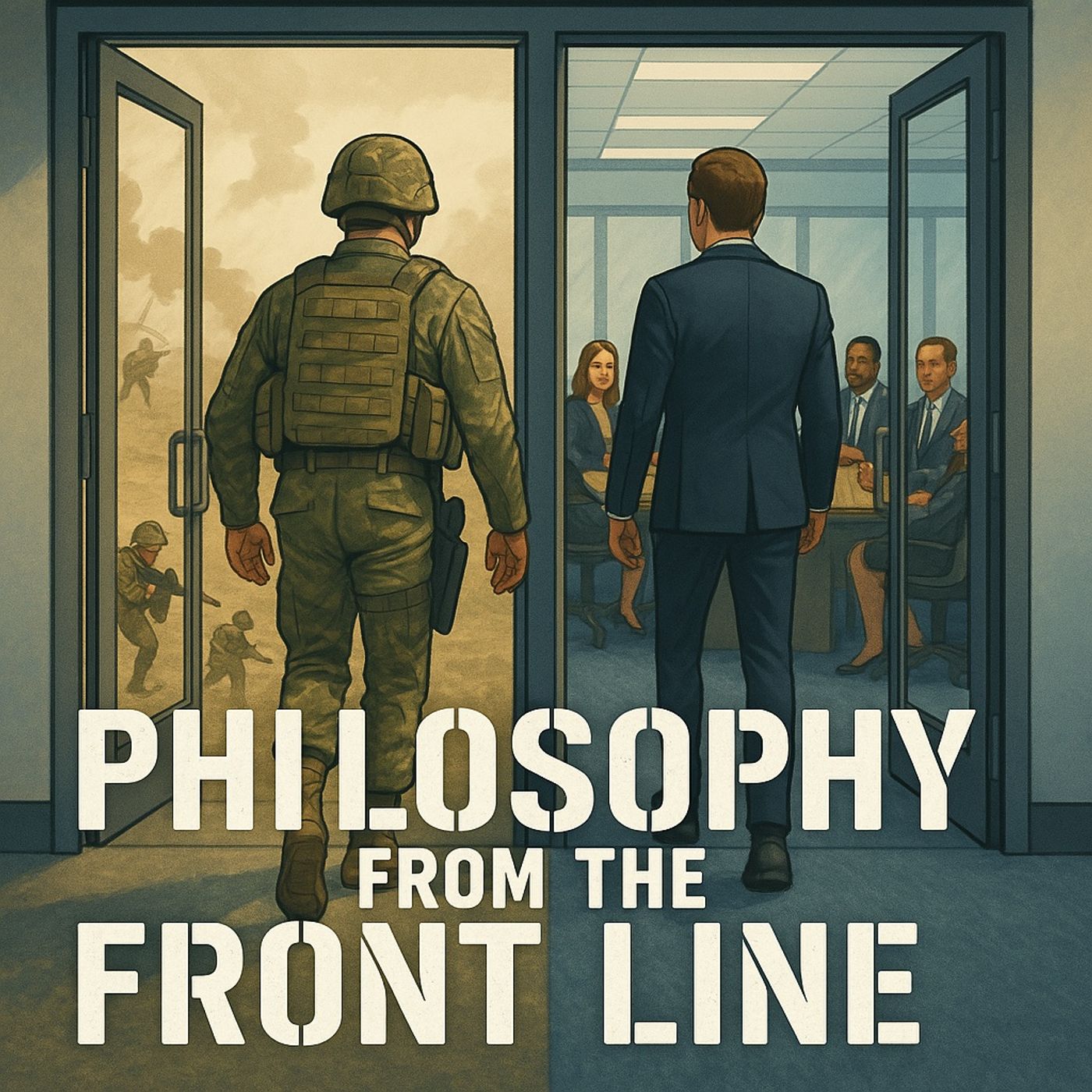
This week, we have a conversation with Matthew Hasty. We discuss his military career, including his rise to the rank of warrant officer, his transition out of the military, and his subsequent political aspirations. Hasty emphasizes the importance of education and mentorship in military service and civilian life. He highlights the challenges of transitioning from military to civilian roles, the significance of local community involvement, and the need for statesmanship. We cover a lot of ground and talk some politics in this one, but I think it was a productive and enjoyable show. The Proximity Principle by Ken Coleman - https://store.ramseysolutions.com/business-and-career/books/the-proximity-principle?gad_source=1&gad_campaignid=1380373388&gbraid=0AAAAADHbtLdvGMp__2oips0WzWCpLJomY&gclid=CjwKCAjwj7HTBhBiEiwA8s35OreAHtkIurAbQgZ8uGddVL9YlHNX-I8xWkKm8T21bv0UhB6zwmsv2BoCLRsQAvD_BwE Become a supporter of this podcast: https://www.spreaker.com/podcast/philosophy-from-the-front-line--4319845/support . Disclaimer: The content of the "Philosophy From the Front Line" podcast is intended for informational and educational purposes only. The views and opinions expressed by the hosts and guests are their own and do not necessarily reflect those of any affiliated organizations or sponsors. This podcast does not offer legal, financial, or professional advice. Listeners are encouraged to consult appropriate professionals before making decisions based on the content presented. "Philosophy From the Front Line" assumes no responsibility or liability for any errors or omissions in the content or for actions taken based on the information provided during the podcast episodes. Fair Use Statement: This podcast may contain copyrighted material not specifically authorized by the copyright owner. "Philosophy From the Front Line" is making such material available to educate, inform, and provide commentary under the "Fair Use" provisions of U.S. copyright law (Section 107 of the U.S. Copyright Act). We believe this constitutes a fair use of any such copyrighted material as it is: Used for non-commercial, educational, or research purposes. Critically analyzed, reviewed, or discussed. Used in a transformative way that adds new meaning or message to the original work. If you own any content used and believe it infringes on your copyright, please contact us directly, and we will address the matter promptly.