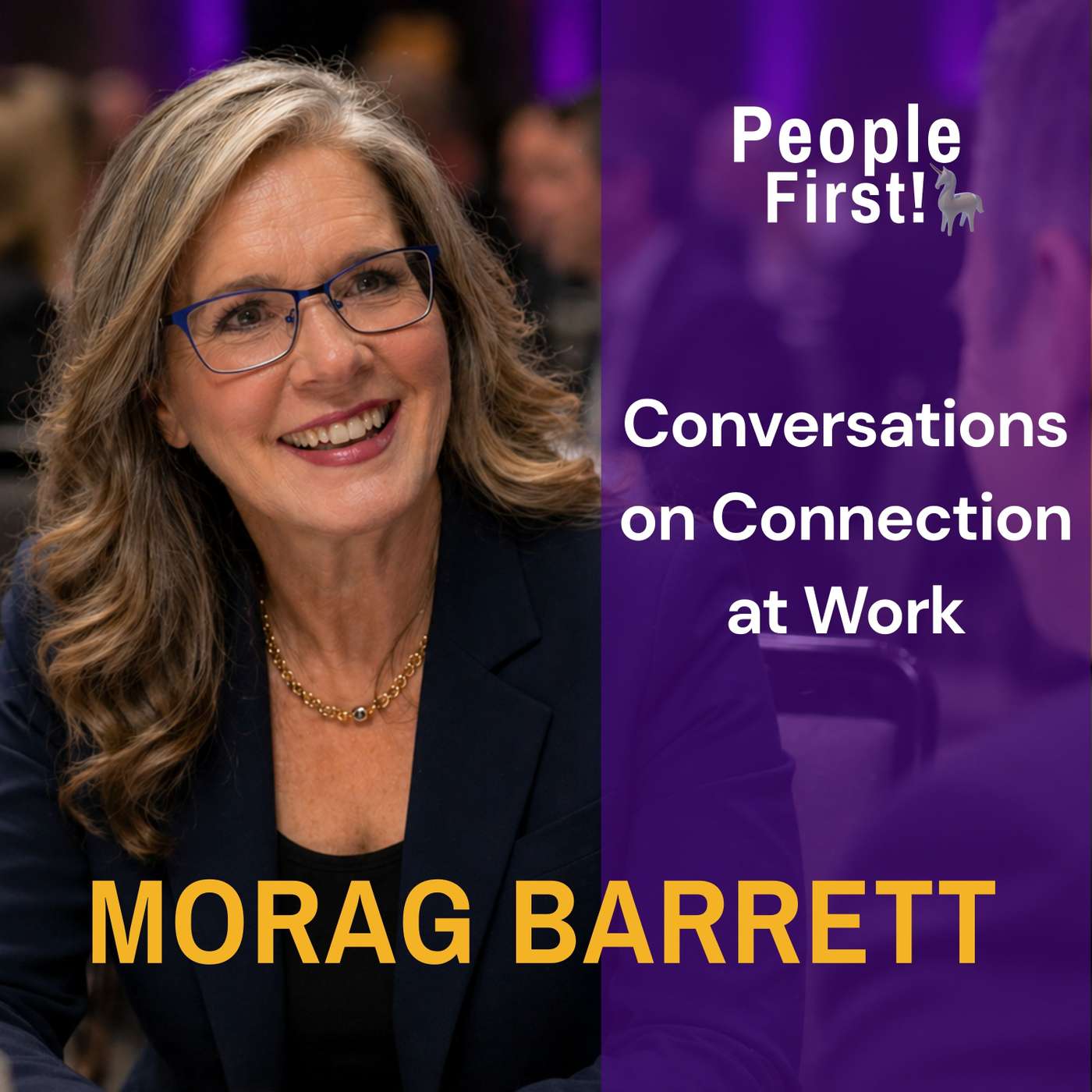
People First! with Morag Barrett explores the human side of leadership: workplace relationships, leadership trust, Meaning-FULL Connectivity™, and the Ally Mindset™ practices that drive real results in business and life. In each episode, keynote speaker, executive coach, USA Today bestselling author, and Marshall Goldsmith 100 Coaches member Morag Barrett sits down with authors, business leaders, and everyday humans to uncover practical ways to strengthen connection, collaboration, and culture in an increasingly disconnected world. Because success in business is powered by relationships. And success in life is fueled by connection. Learn more at skyeteam.com/speaking
Listen to episodes
60 recent
August 31, 2026Episode 17128 min
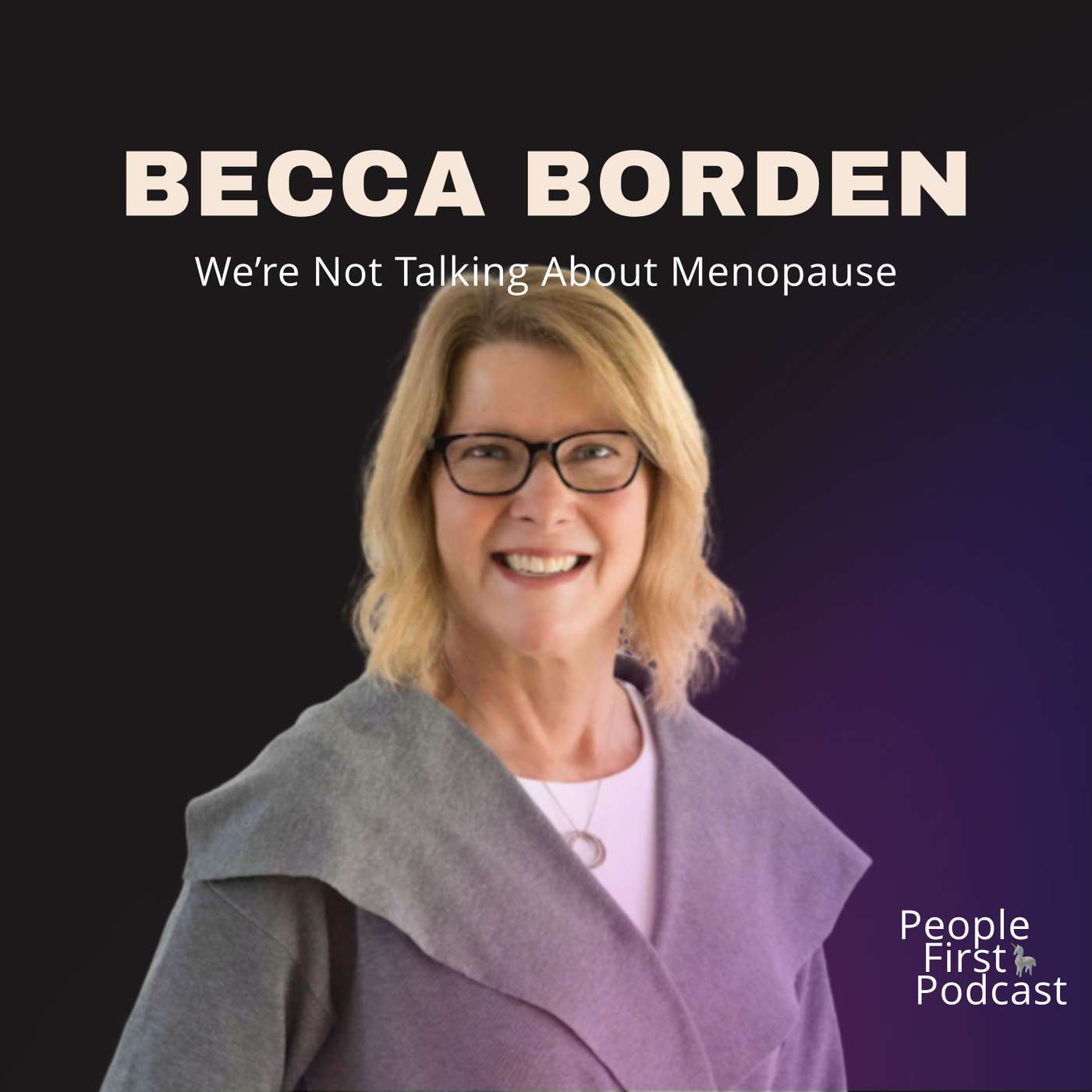
We're Not Talking About Menopause With Becca Borden
Menopause isn’t a moment. It’s a journey that can last years—and affect how people show up at work every day. So why are we still not talking about it? In this episode of People First! , Morag sits down with Becca Borden to unpack the reality of menopause—and why it’s often misunderstood, misdiagnosed, or ignored. They explore: Why menopause is more than a single point in time The wide range of symptoms most people don’t connect How women can go years without understanding what’s happening The role of hormone therapy—and why it’s often misunderstood What women can do to better advocate for themselves Why organizations need to start paying attention This isn’t just a health conversation. It’s a workplace conversation. 💡 Key Takeaways Menopause is a long-term transition—not a single event Symptoms are often misunderstood or misdiagnosed Women need better information—and better advocacy tools Small lifestyle changes can make a significant difference Organizations have a role to play in supporting this conversation Learn more about Becca: https://hotstuffcoaching.com/about-menopause-coaching
August 17, 2026Episode 17028 min
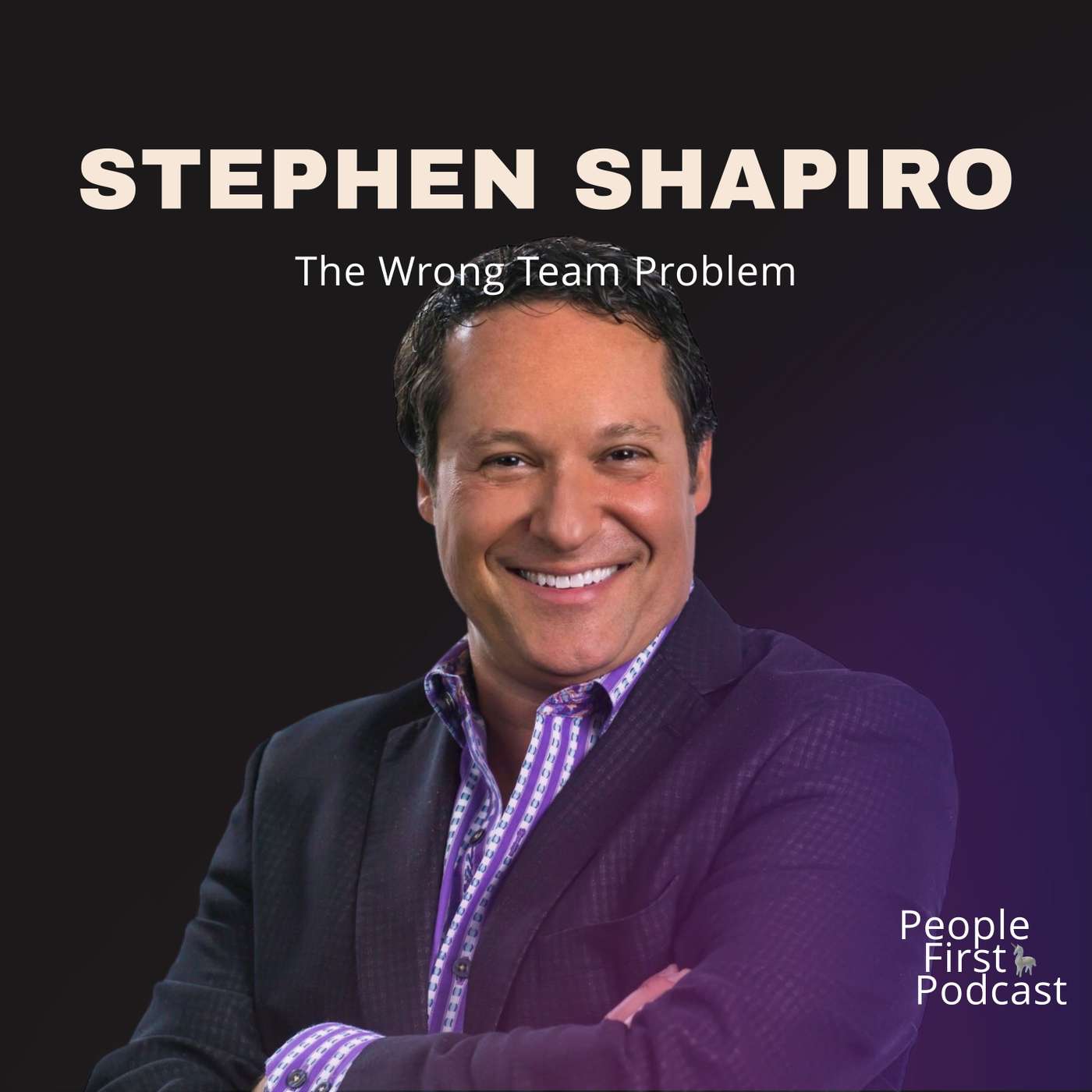
The People Who Frustrate You Are Your Advantage with Stephen Shapiro
We all have coworkers who frustrate us. Different styles. Different approaches. Different ways of thinking. According to Stephen Shapiro , that’s not a problem—it’s your advantage. In this episode of People First! , we explore why teams struggle not because of lack of talent, but because of lack of difference—and how misreading people leads to disengagement, poor performance, and stalled innovation. 🎯 What You’ll Learn Why teams become “cult-like” (and why that’s risky) How different thinking styles impact innovation The hidden cost of mislabeling people Why strengths can become weaknesses How to build teams that actually perform under pressure The real purpose behind Personality Poker 💡 Key Takeaways Innovation needs different perspectives, not agreement Teams often overvalue similarity Misalignment drains energy and performance The people who frustrate you often fill critical gaps High-performing teams value all contributions 🔗 Connect with Stephen Shapiro Website: theinnovationspeaker.com Personality Poker: personalitypoker.com Book: fulldeckbook.com (00:00) - Introduction (01:54) - Origin story: from game show host to innovation expert (03:19) - What is Personality Poker? (05:38) - The “aha moment” in teams (06:07) - Culture vs “cult” thinking (08:18) - The cost of misreading people (09:14) - Why people disengage or leave (12:17) - The four suits of innovation (13:58) - What happens when teams lack diversity of thinking (15:14) - Why you need people who complement you (17:40) - When strengths go too far (21:25) - Meetings have personalities (25:27) - What leaders should really pay attention to
August 3, 2026Episode 16931 min
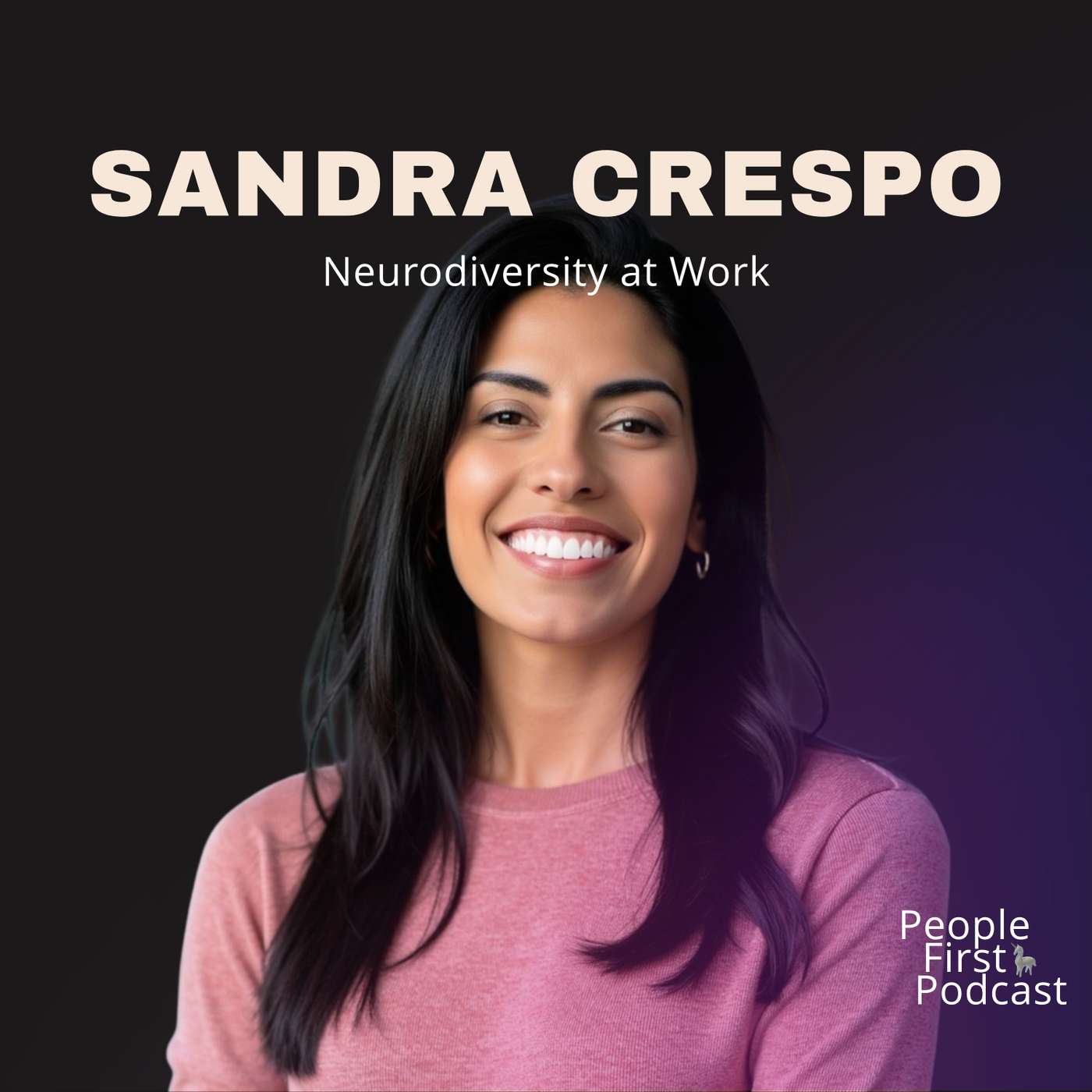
Why Neurodiversity at Work Is Being Misunderstood With Sandra Crespo
We talk about performance, productivity, and potential. But what if we’re misunderstanding how some of our best people actually work? In this episode of People First! , Morag sits down with Sandra Crespo to explore how ADHD and neurodiversity show up in the workplace—and why many systems unintentionally create friction instead of support. 🎯 What You’ll Learn Why ADHD is often missed—even by high performers The hidden cost of “fixing” vs understanding How leaders misinterpret neurodivergent behaviours Simple workplace changes that unlock performance Why “reasonable accommodations” might be the wrong model How to design environments where people can actually thrive 💡 Key Takeaways Neurodiversity is often misunderstood as a deficit Success can mask underlying struggle Small environmental changes can have a big impact Leaders don’t need all the answers—but they need awareness Designing for difference benefits everyone 🔗 Connect with Sandra Crespo Website: theneurospicysw.com LinkedIn: Sandra N. Crespo (00:00) - Introduction (01:43) - Sandra’s origin story (03:35) - Late ADHD diagnosis and lived experience (06:01) - The moment everything changed (10:28) - Why high performers miss the signs (12:09) - Why this conversation is happening now (14:48) - What leaders get wrong about ADHD (16:01) - A real example of unlocking potential (19:45) - Workplace systems that create friction (23:12) - Rethinking “reasonable accommodations” (26:32) - The SPICY leadership framework
July 20, 2026Episode 16836 min
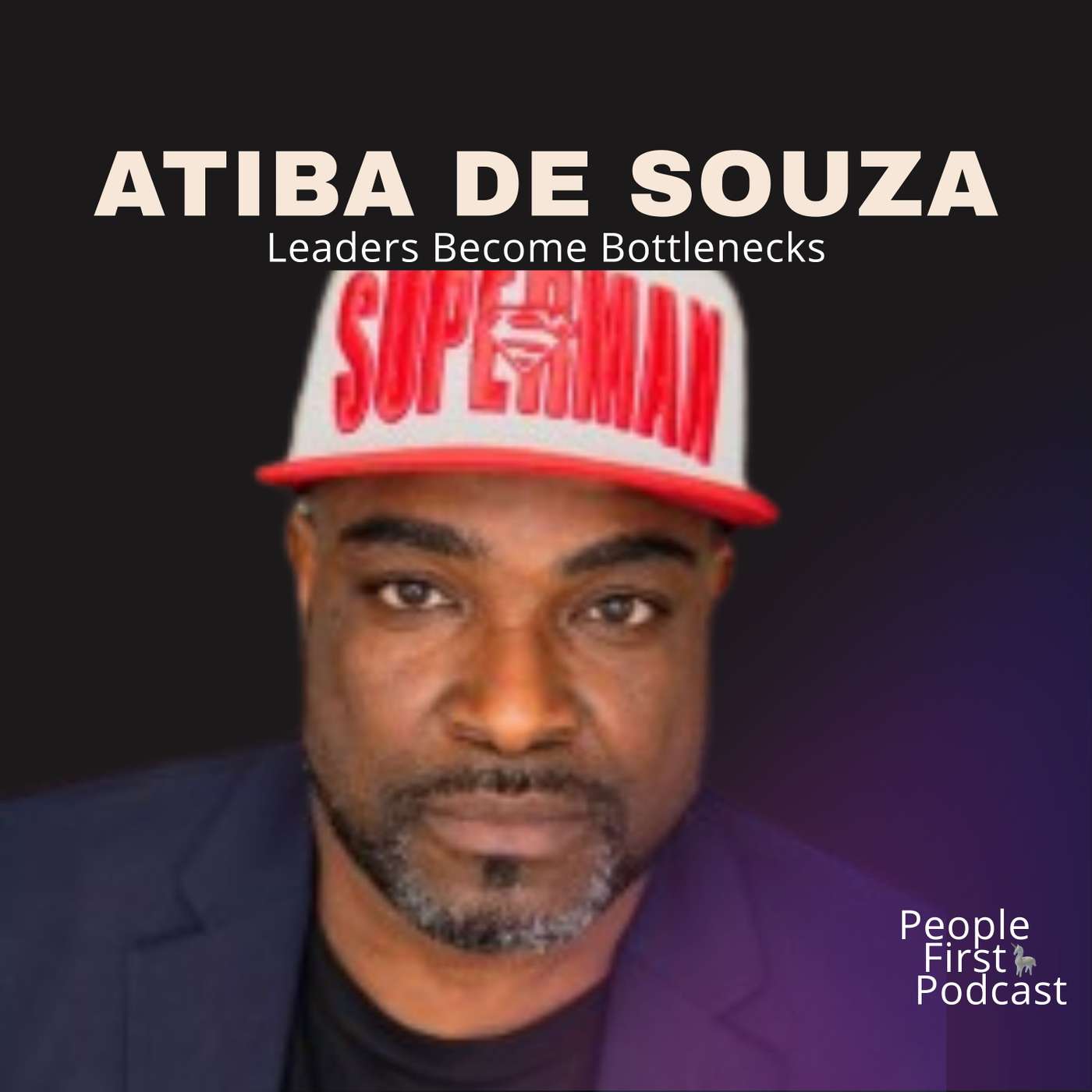
When Leaders Become The Bottleneck with Atiba de Souza
When Leaders Become the Bottleneck. Why Letting Go Is the Hardest and Most Important Leadership Skill. Most leaders I work with aren’t trying to control everything. But somewhere along the way they become the person every decision, every problem, and every stalled project flows through. Not because their teams are incapable. Because leadership quietly turns them into the hub of everything. In this week’s People First! podcast, I sit down with author and entrepreneur Atiba de Souza, who wrote The Delegation Trap: It’s Not Them, It’s You. We unpack a tension many leaders recognize: • Why leaders struggle to let go even when they know they should • The hidden cost of the “superhero leader” mindset • Why teams often perform at 80% when leaders don’t create ownership • The shift from doing the work → building a team that thinks like owners One line from our conversation stuck with me: “Good is the enemy of great— and most teams get stuck at good when leaders stay in the middle of everything.” And a question for you: Where might you be unintentionally acting as the bottleneck for your team? Learn more about Atiba here: Website: thedelegationtrap.com LinkedIn: meetatiba.com
July 6, 2026Episode 16729 min
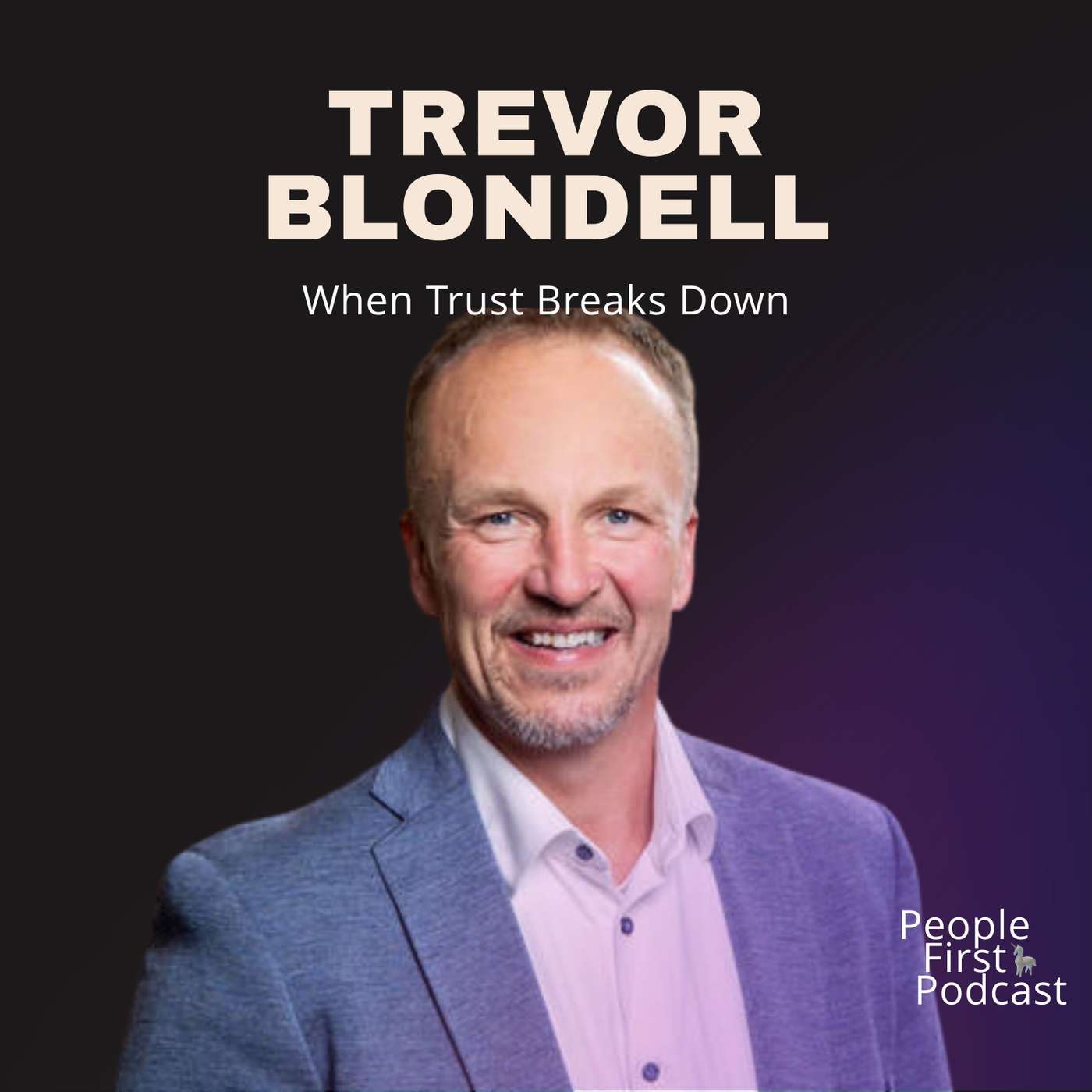
Your Intentions Don't Matter with Trevor Blondeel
Intentions don’t matter. At least not as much as most leaders think. In this week’s episode of People First , I sat down with Trevor Blondeel, founder of Manufacturing Greatness, and we unpacked a moment many leaders quietly recognize. Trevor was running a plant meeting. He explained the plan. Gave direction. Walked out thinking everything was clear. Then his assistant pulled him aside. “You really pissed those guys off.” That moment led to a realization many leaders eventually face: Good intentions don’t guarantee good leadership. Because leadership isn’t judged by what we meant. It’s judged by how our actions land with others. In our conversation we explore: Why good leaders sometimes damage relationships without realizing it The disconnect that often exists between leadership and the front line Why curiosity is one of the most underrated leadership skills The three conversations that can transform how teams work together 1️⃣ How are we showing up? 2️⃣ What are the expectations? 3️⃣ Where does accountability sit? Simple conversations. But most teams never actually have them. If you lead people — whether in manufacturing, healthcare, tech, or anywhere in between — this episode is a reminder that the real work of leadership isn’t control. It’s connection. 🎧 Watch or listen here: [YouTube link] And a question for you: When was the last time you asked someone, “How am I showing up for you?”
June 22, 2026Episode 16623 min
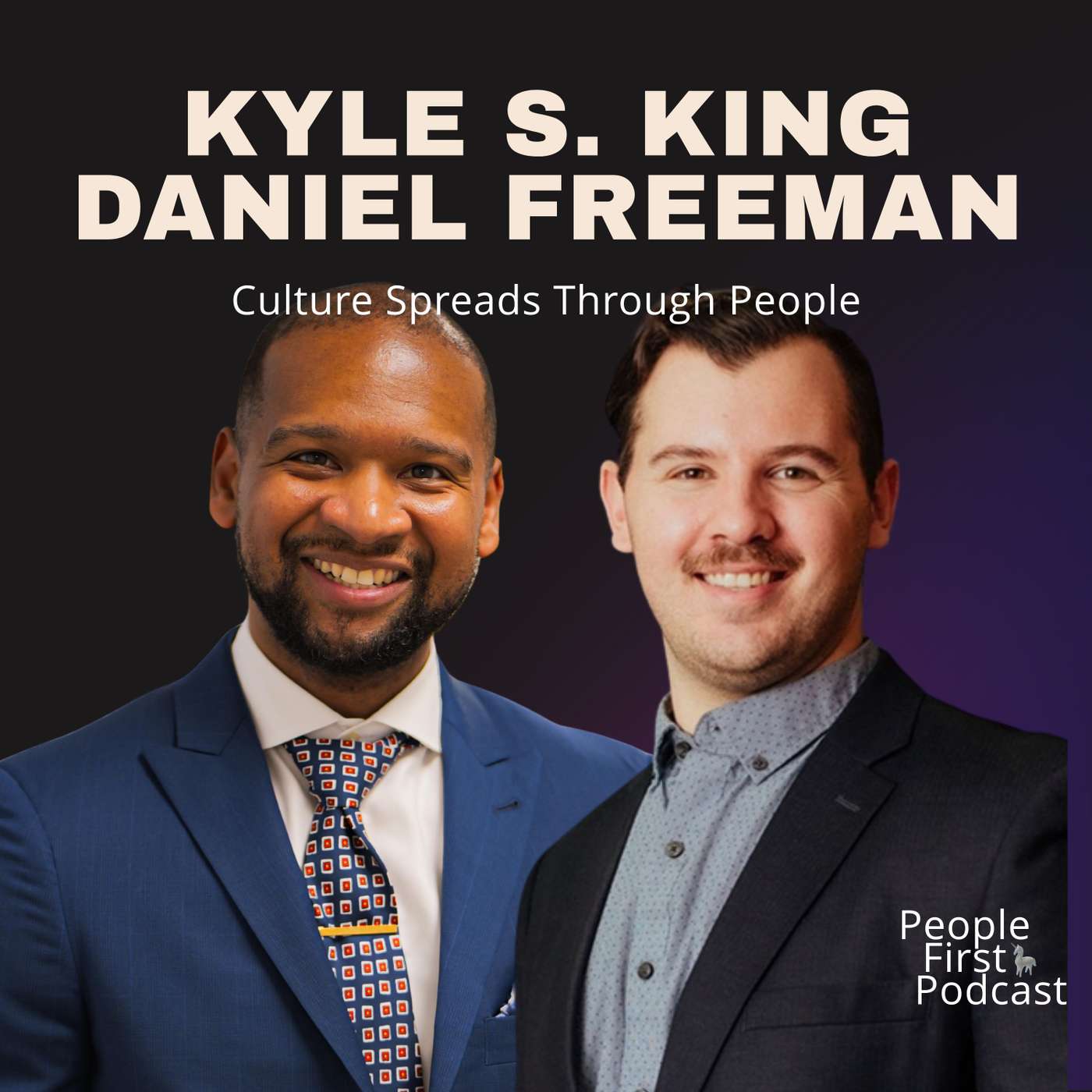
Why Strong Workplace Relationships Create Contagious Culture with Kyle S. King and Daniel Freeman
Culture doesn’t grow from strategy decks or value statements. It spreads. In this episode of People First! , I sat down with Kyle S. King and Daniel Freeman , the organizers behind the Contagious Culture Conference —where I’ll also be speaking this year. Our conversation explored something many leaders overlook: Culture is built through relationships. Not policies. Not posters. Not slogans. Through how people treat each other every day. Kyle and Daniel describe three pillars they see in organizations that create lasting impact: Kindness — how we show up for one another Community — the relationships that hold teams together Capital — the resources that allow good ideas to scale Remove any one of those, and the culture weakens. But the idea that stayed with me most from our conversation is this: People are hungry for connection again. After years of disruption, remote work, and organizational change, many teams are operating with functional relationships—but very little real connection. And without connection, culture becomes fragile. If leaders want stronger cultures, the work isn’t abstract. It starts with the everyday interactions between people. 🎧 The new People First! episode is live.
June 8, 2026Episode 16529 min
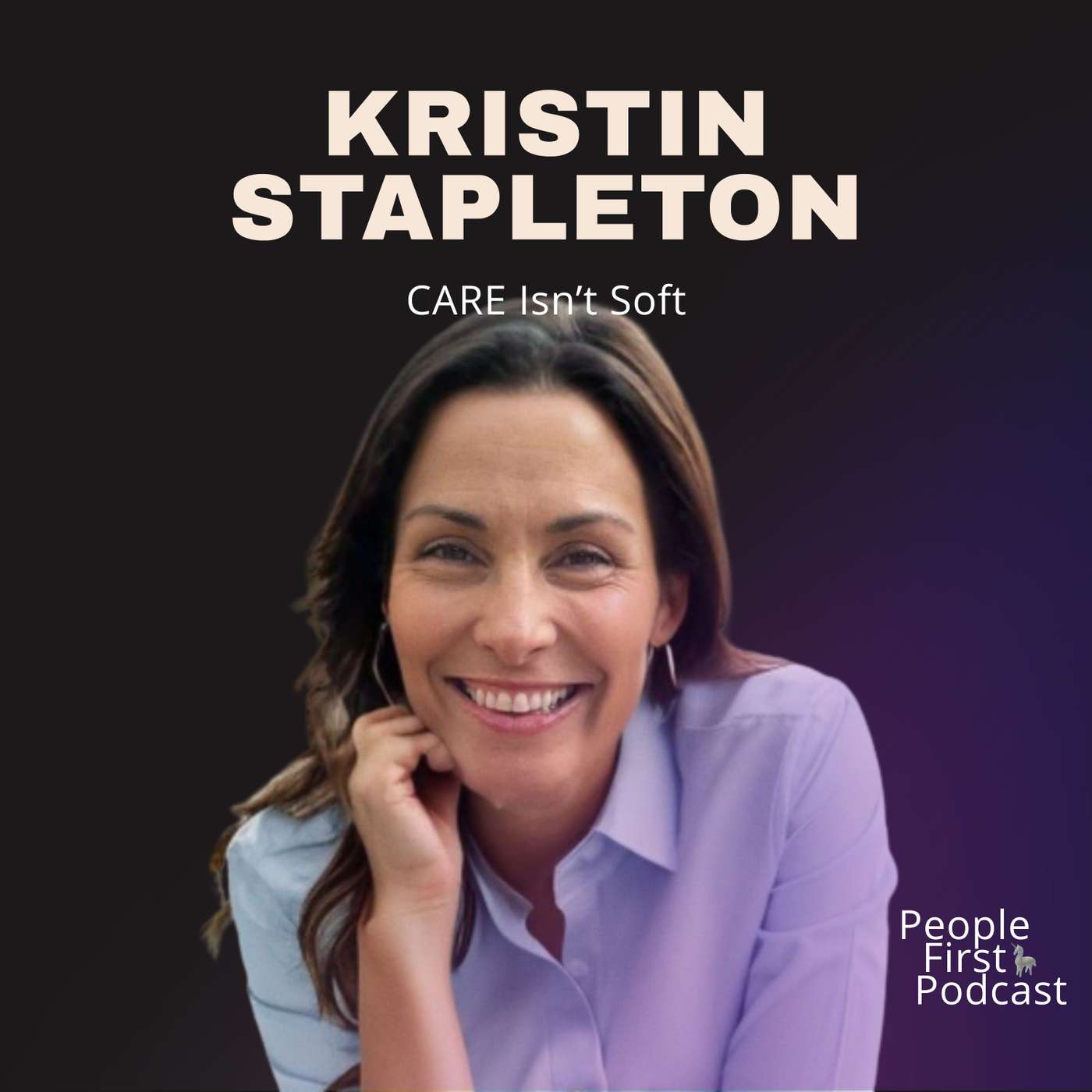
CARE: The Leadership Multiplier with Kristin Stapleton
Care has a reputation problem. Too soft. Too sentimental. Not “serious leadership.” In this episode of People First!, Morag Barrett and Kristin Stapleton explore leadership development, workplace relationships, and why care may be one of the most misunderstood drivers of high performance. Together, they discuss how connection, accountability, respect, and empowerment create stronger teams and more sustainable results. Kristin shares the CARE framework , a practical approach to leadership built on four principles: Connection Accountability Respect for alternative perspectives Empowerment Through personal stories, leadership lessons, and practical examples, Kristin explains why care is not the opposite of accountability. Instead, it creates the trust, ownership, and collaboration that allow teams to achieve more together than they can alone. Key Takeaways Leadership multiplication begins when leaders move beyond ego and embrace collaboration. Connection creates the foundation for trust, teamwork, and performance. Accountability starts with personal ownership rather than pointing fingers. Respecting different perspectives leads to stronger decisions and innovation. Empowering others creates momentum that spreads across teams and organizations. In This Episode • Why relationships accelerate leadership success • The leadership failure that changed Kristin's career • The airport experience that inspired the CARE framework • How leaders create accountability without blame • Why diverse perspectives improve team performance • The role empowerment plays in multiplying results • Three questions to help identify your unique strengths • Why self-care remains foundational to effective leadership Frequently Asked Questions What does CARE stand for? Connection, Accountability, Respect for alternative perspectives, and Empowerment. Can leaders care about people and still maintain high standards? Yes. Care strengthens accountability, trust, and ownership while maintaining expectations for performance. Why is care important in leadership? Care creates the conditions for stronger workplace relationships, greater collaboration, and sustainable high performance. Related Episodes • Recognition Done Wrong with Chester Elton • Psychological Safety Isn't a Slogan with Bryan Powell • When Inclusion Isn't Easy with Vered Kogan Connect with Kristin Stapleton: LinkedIn: https://www.linkedin.com/in/kstapleton-growth-catalyst/ YouTube: https://youtu.be/plSFC2bJJVs Connect with Morag Barrett: LinkedIn: https://www.linkedin.com/in/moragbarrett/ Website: https://www.skyeteam.com Subscribe to People First! for conversations on leadership development, workplace relationships, team culture, and human connection at work.
May 25, 2026Episode 16442 min
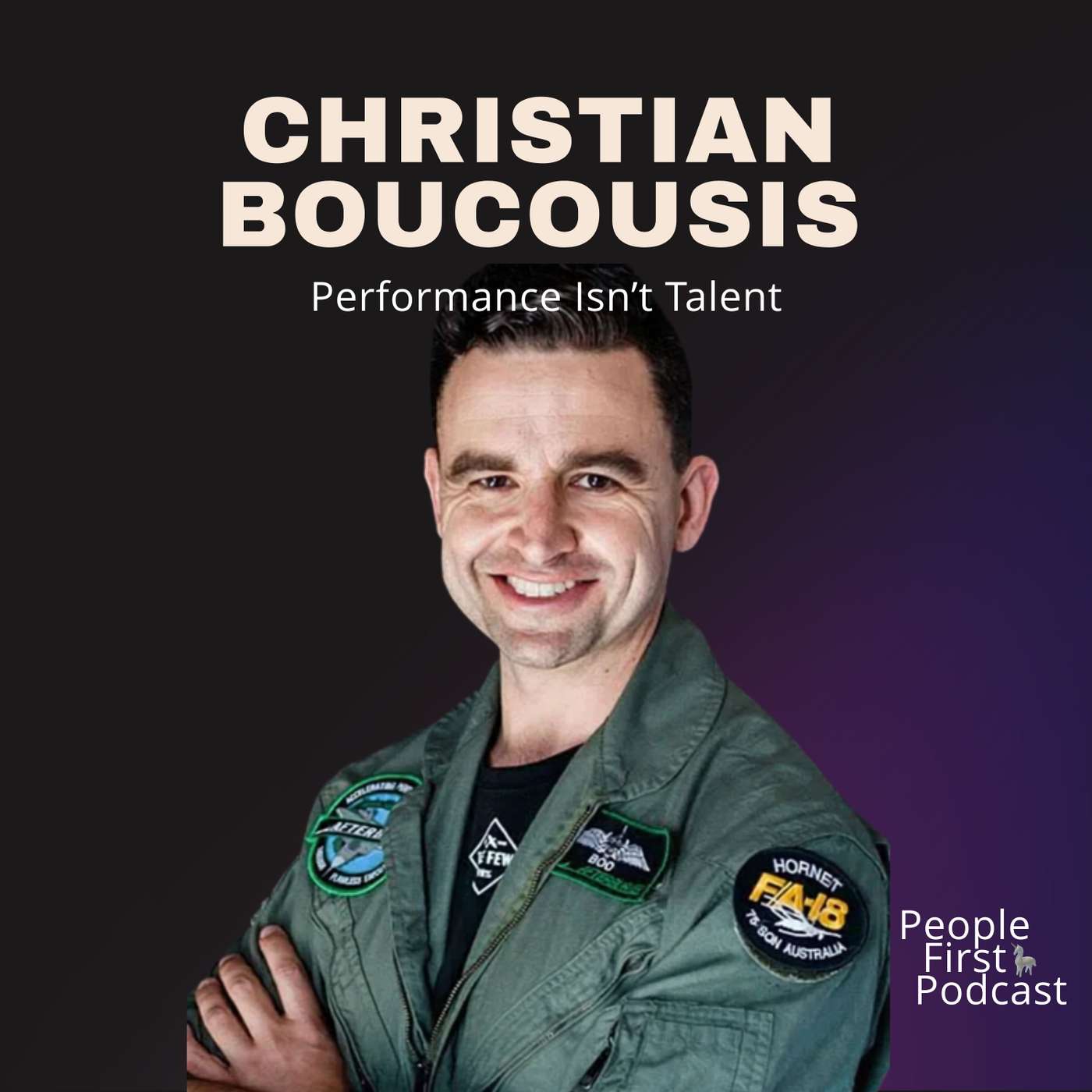
High-Performance is Designed, Not Hoped For with Christian "Boo" Boucousis
We love to attribute high performance to talent. Charisma. Intelligence. Experience. But in this week’s People First! conversation with Christian “Boo” Boucousis, we explore a harder truth: High-performing teams aren’t built on talent. They’re built on design. Under pressure, three things matter: A clear mission A disciplined method The right mindset Without clarity, teams drift. Without method, they scramble. Without mindset, they fracture. The teams that consistently perform don’t rely on brilliance. They rely on alignment. If you’re leading a team in uncertain conditions, this episode will sharpen how you think about performance — not as inspiration, but as architecture. Listen in.
May 11, 2026Episode 16334 min
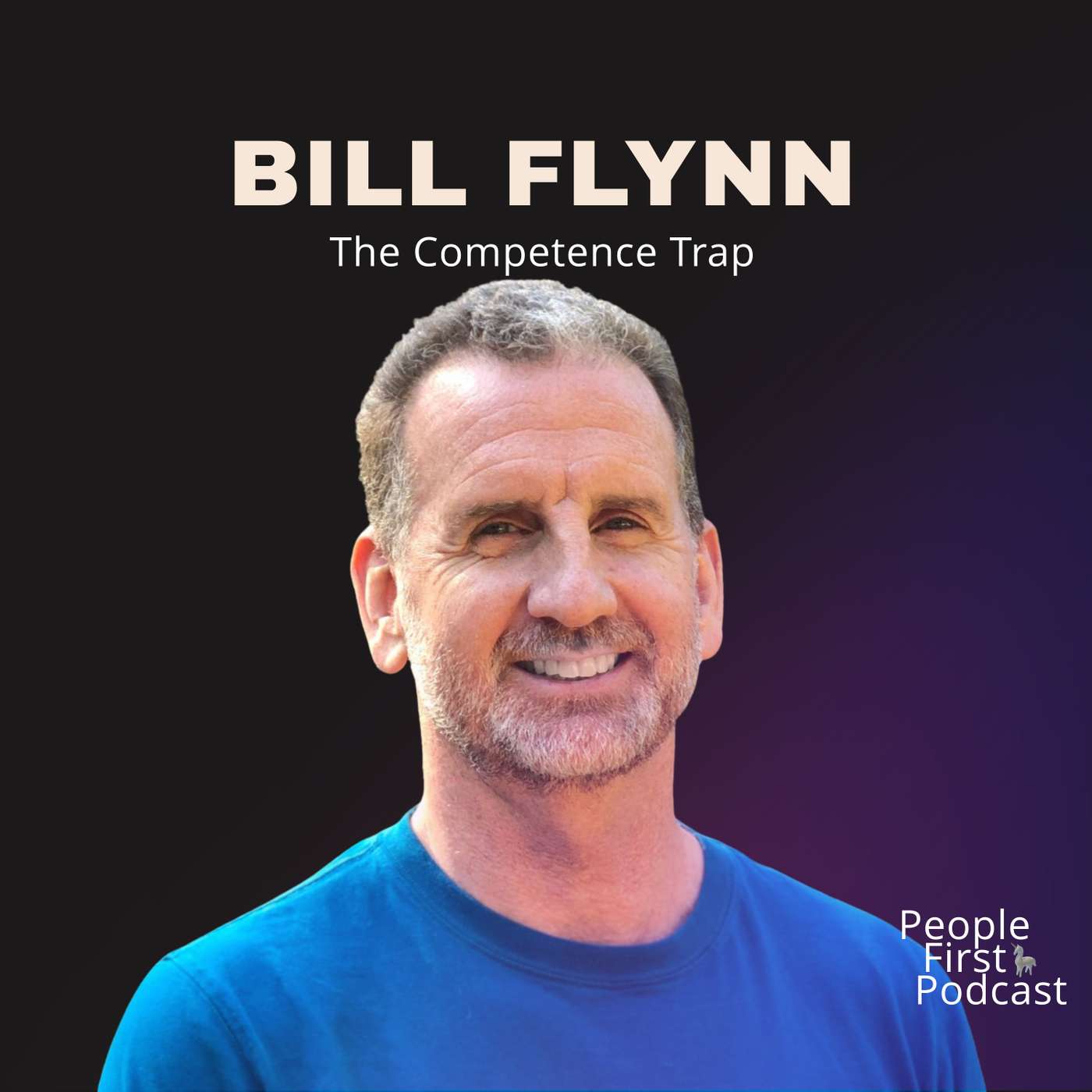
Being A Hero is Holding You Back with Bill Flynn
What if the leadership model we’ve been celebrating for decades is the very thing holding teams back? In this episode of People First! , Morag Barrett sits down with Bill Flynn — leadership thinker, author of Further, Faster , and longtime student of the science of success — to challenge the myth of the heroic leader. Drawing on 30 years of research and lived experience, Bill shares: Why having one real relationship at work matters more than talent alone Why the future of leadership belongs to architects , not heroes This is a candid, grounded conversation about relationships, opportunity, and what actually creates impact over time. If you care about leadership that scales, cultures that last, and careers built on connection — this episode is for you.
April 27, 2026Episode 16228 min
When Pushing Harder Keeps You Stuck with Vered Kogan
In this episode of People First!, Morag Barrett explores workplace relationships, leadership trust, and human connection with Vered Kogan, discussing how leaders build Meaning-FULL Connectivity™ in increasingly disconnected workplaces. Vered Kogan is an author, speaker, and transformational coach, and joins Morag to explore why so many high-performing leaders feel stuck—despite doing everything “right.” Vered is the co-author of Unstuck , written with Marshall Goldsmith, and her work focuses on helping individuals and organisations overcome the inner barriers that block sustainable growth and change. Together, Morag and Vered unpack the hidden dynamics that keep capable, driven people trapped in cycles of overdrive, self-doubt, and exhaustion—and what it actually takes to break free. In this conversation, you’ll hear: Why pushing harder often increases anxiety, burnout, and resistance The difference between knowing what to do and being able to do it consistently How unconscious “protective parts” shape our behaviour without us realising it Why what got you here may now be keeping you stuck How perfectionism, overachievement, and control can quietly work against us The SHIFT framework for creating internal alignment and lasting change Why sustainable growth requires inner harmony—not just better habits or discipline This episode is for leaders, entrepreneurs, and high achievers who feel pressure to keep performing—but sense that something deeper needs to shift. If you’ve ever thought, “I’m doing all the right things—so why does this still feel so hard?” This conversation will resonate. Learn More... Website: www.MomentumInstitute.com LinkedIn Profile: https://www.linkedin.com/in/veredkogan/ YouTube Channel: https://www.youtube.com/@VeredKogan Instagram: https://www.instagram.com/veredkogan/
Is this your show?
Claim this listing to keep it up to date, reach guests who want to pitch you, and manage bookings with Guestify.