Where Patients Get Stuck: Reducing Friction and Building Trust in Transplantation
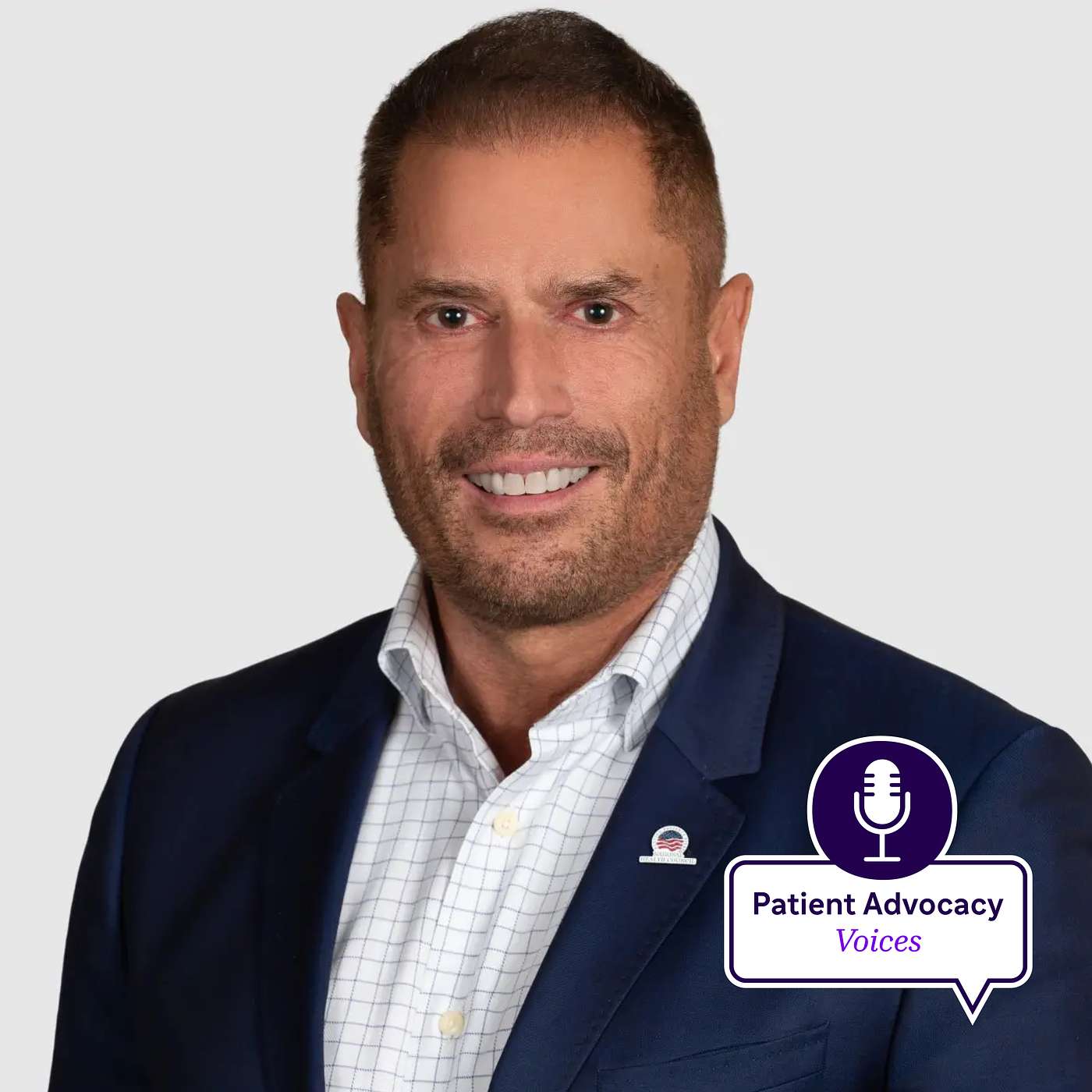
Transplantation can save lives. So why do patients who could benefit still face so many barriers to receiving one? The science and clinical capabilities of transplantation have advanced dramatically, yet the patient journey remains extraordinarily complex. From understanding transplant options and getting referred to the right center to navigating insurance, organ availability, policy changes, and a complicated healthcare system, patients can encounter friction at nearly every step. Underlying many of these challenges is something even more fundamental: trust. In this episode, host Eric Racine, PharmD, and co-host Kemi Osundina-Mkhize, PharmD, of Sanofi are joined by Henry Randall, MD, President of the American Society of Transplant Surgeons (ASTS). Together, they explore where patients are getting stuck in the transplant system and how clinicians, professional societies, patient advocates, policymakers, and other stakeholders can work together to improve access, build trust, and improve the patient experience. Dr. Randall shares how ASTS works to elevate patients' voices, advance transplant access, strengthen health literacy, address misinformation, and prepare for policy changes and emerging technologies that could shape the future of transplantation. In this episode, you'll learn about: Ways that patient advocacy and stakeholder collaboration can improve access and help patients navigate a changing transplant system How evidence-based communication, health literacy, and trusted messengers can build trust Why listening to patients is only the first step toward meaningful change Why patient advocates need a seat at the table as AI and other technologies transform transplantation A leadership lesson for advocacy professionals: listen across disciplines and bring diverse perspectives together This conversation is a reminder that scientific innovation alone does not guarantee patient access. Progress also depends on reducing system friction, earning trust, listening to patients, and turning their experiences into meaningful action.