
Find partners
Our Connected World | TE Connectivity

Our Connected World | TE Connectivity

Hosted by TE Connectivity

Episodes

41

Latest episode

May 2026

Language

EN

About the show

Welcome to Our Connected World, a podcast series from TE Connectivity. Join us as we explore the latest technology trends creating a safer, sustainable, productive and connected future. In a world that’s racing ahead, we bring insights from across industrial and transportation sectors -- from artificial intelligence, automated factories, and energy networks, to next generation automobiles, commercial vehicles and aircraft.

Listen to episodes

41 recent
October 25, 2023Episode 137 min

The Technical Path toward eVTOL Technologies: A New Era in Urban Air Mobility, part one

The world of aerospace is abuzz with the electrification of aircraft, specifically focusing on eVTOL (electric vertical takeoff and landing) technology. As urban areas become increasingly congested and the global population seeks sustainable and efficient travel options, the stakes are high in the race to commercialize eVTOLs. According to industry insiders, eVTOL technology could revolutionize urban mobility, dramatically reducing commute times and the environmental footprint compared to traditional transportation methods.But what is propelling this burgeoning sector, and how will these flying vehicles integrate into our daily lives? This episode dives deep into these questions, exploring the engineering challenges in designing eVTOL systems and the differences from other types electric-powered vehicles and traditional aircraft.Join us on "Our Connected World," hosted by Michelle Dawn Mooney, for a discussion with aerospace experts from TE Connectivity (TE), Matt McAlonis, a TE engineering fellow, and Martin Cullen, a senior leader in TE’s aerospace business development. This episode takes a comprehensive look at the evolution of eVTOL technologies, including the challenges to implementing them and the immense opportunities this presents.Key discussion points include:• The adaptation of electric vehicle technology in eVTOLs, for optimizing existing architectures for flight, emphasizing the higher safety and redundancy requirements.• The distinctions between eVTOL systems and traditional aircraft, highlighting issues like weight efficiency, high-power management, and the need for new infrastructure for charging and navigation.• The variety of eVTOL designs emerging, reflecting the industry’s exploratory phase, with companies aiming to carve out their niche in urban air mobility through various technical and business model innovations.

May 2, 2022Episode 116 min

Reshaping Industries with Sensor Technology with Erin Byrne

TE Connectivity is on the cutting edge of sensor technology. To discuss this innovation that’s disrupting many industries, Tyler Kern chatted with VP and Chief Technology Officer, Erin Byrne, of Sensor Solutions. Byrne highlighted many examples of how sensors are already involved in people’s everyday use. “Sensors are ubiquitous…they’re ubiquitous in improving our lives, across our work or play. Examples that I think about that people are familiar with: You know, they’re following their sleep through using an aura ring for example, or maybe tracking their heart rhythms on their Apple watch. Or, you know, they’re getting driver assistance in new systems in cars that are being installed…” Byrne said.There are other use cases that are shaping industries that aren’t quite as obvious, like efforts around sustainability. For instance, the sensor technology in electric vehicles helps people know when their battery is low, so they don’t waste hours charging their car because the battery died. There are also feedback sensors, room lighting, and heating monitors that help conserve energy when and where needed. Additionally, sensors are positively impacting the healthcare industry with their remote capabilities, like doctors using finely tuned remote sensors to perform remote surgery and even patient-monitoring technologies. “We are also doing things like developing piezoelectric films and devices, and these piezoelectric films can act as a dynamic stream gauge,” Byrne explained. These sensors, which are extremely sensitive, can help alleviate staffing pressure in healthcare by monitoring patients when nurses and doctors can’t. Use cases for sensors continue to expand beyond the typical fashion, and there is certainly more revolutionary sensor technology to come.

June 6, 2022Episode 117 min

Connected World: Trends in Space Technology

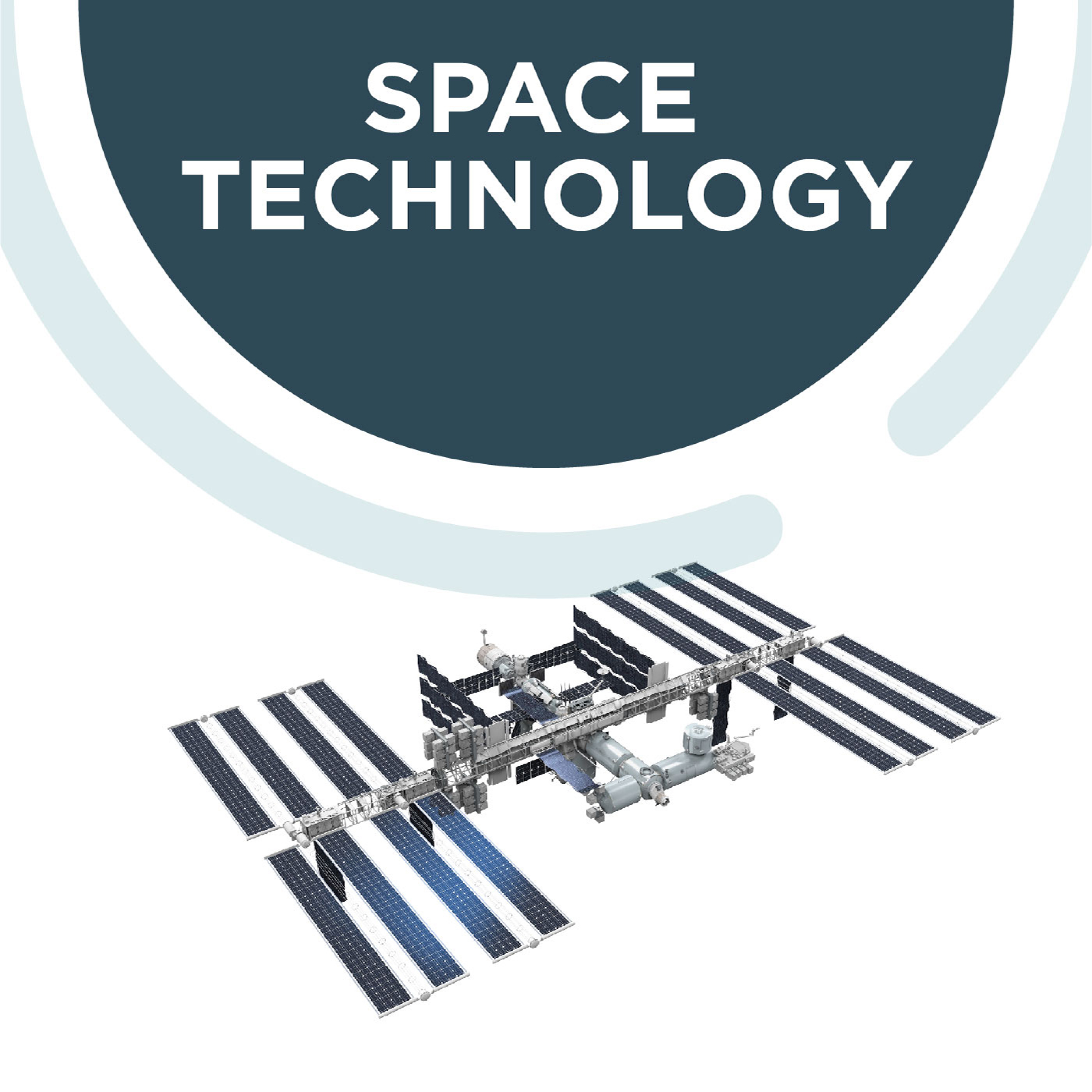
ATM machines, the internet, GPS maps, and weather reports all have one common denominator: outer space. Without space, these services would not be possible at the scale they are today. TE Connectivity’s leader of global engineering, Matt McAlonis joined Tyler Kern, host of Our Connected World, to highlight the trends in the space frontier. Space holds massive potential as a domain for defensive and offensive mechanisms while still providing commercial viability. As one of the world’s largest connectivity suppliers, TE Connectivity recognizes the importance of the space arena through its aerospace, defense, and marine business. There is widespread commercial interest in the future of outer space, including colonizing other planets, mining space minerals, building the next generation of the internet, and providing a lunar port for easier space travel. McAlonis noted, “Space harvesting includes finding rich deposits on something like a large asteroid, and we’ve already identified some of those, so the question is: How do we identify what’s on them? What’s the value of those elements, and how do we use them?” Resource harvesting is particularly interesting as a form of conservation on Earth and the ability it could have in making more environmentally friendly batteries.One must consider a variety of different factors when building connectivity in different environments; however, the biggest factor for commercialization is finance-related. “The commercialization of space comes down to a few important things and a big one is cost,” McAlonis said, noting that historically space flight has cost $10,000 per pound. Despite the barriers, one thing is for certain: Commercial interest in space is on the rise, and it’s only a matter of time before these futuristic concepts become reality.

July 5, 2022Episode 114 min

Understanding the Current and Future State of Renewable Energy

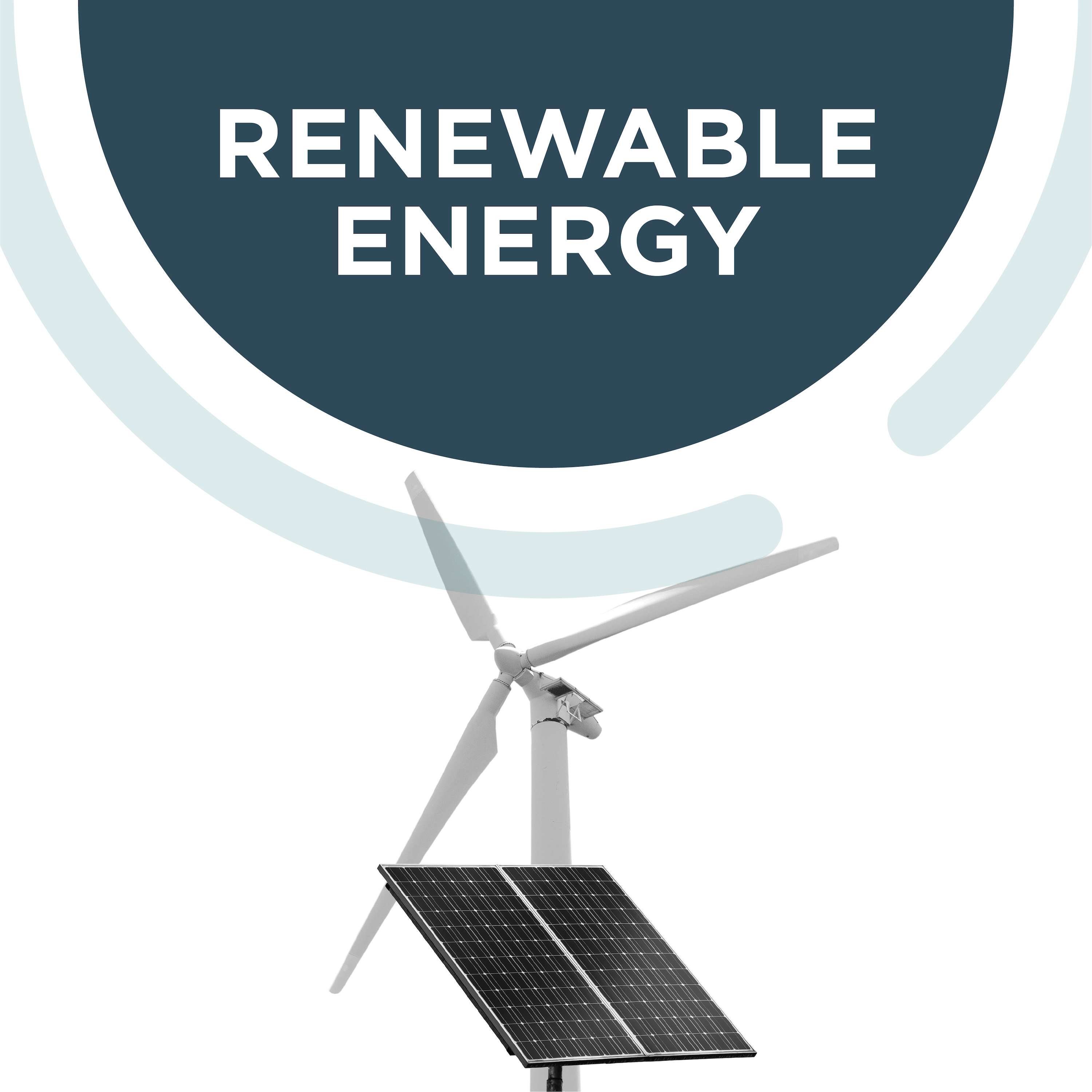
On a global level, we are seeing increased demand for renewable energy sources.In this intriguing episode of Our Connected World, podcast host Tyler Kern sat down with Dr. Thomas Schoepf, VP and CTO of Energy at TE Connectivity to discuss the current and future state of renewable energy, barriers to adopting renewable energy sources, and much more.So, what is renewable energy actually? “When we say renewable energy sources, we mean mainly three available, primary energy sources – such as hydropower, wind, and solar. Those are naturally replenished so day after day the river flows, the sun shines, and the wind blows,” explained Dr. Schoepf.These sources of energy are becoming more critical as climate change continues to negatively affect the world. The increase in weather-related disasters alone illustrates the human cost of ignoring global warming. Additionally, the crisis in Ukraine has the potential to further accelerate renewable energy trends as countries seek to eliminate its reliance on Russian gas.Yet, although the need and demand are clearly present, we have a long way to go for full-scale implementation of renewables as the primary source of energy. One reason for this is that it took a while for the industry to get the costs of implementation down to a level where the return on investment became attractive to businesses. As Dr. Schoepf mentions, “another challenge is the volatility of wind and solar as energy sources, when the sun is not shining and the wind not blowing, which can lead to a decrease in energy output.” As such, renewable energy plants need a backup source or need to be paired with supplemental energy sources. Learn more on TE.com.

August 1, 2022Episode 122 min

The Growing Role of Cobots in Factory Automation with Alex Megej

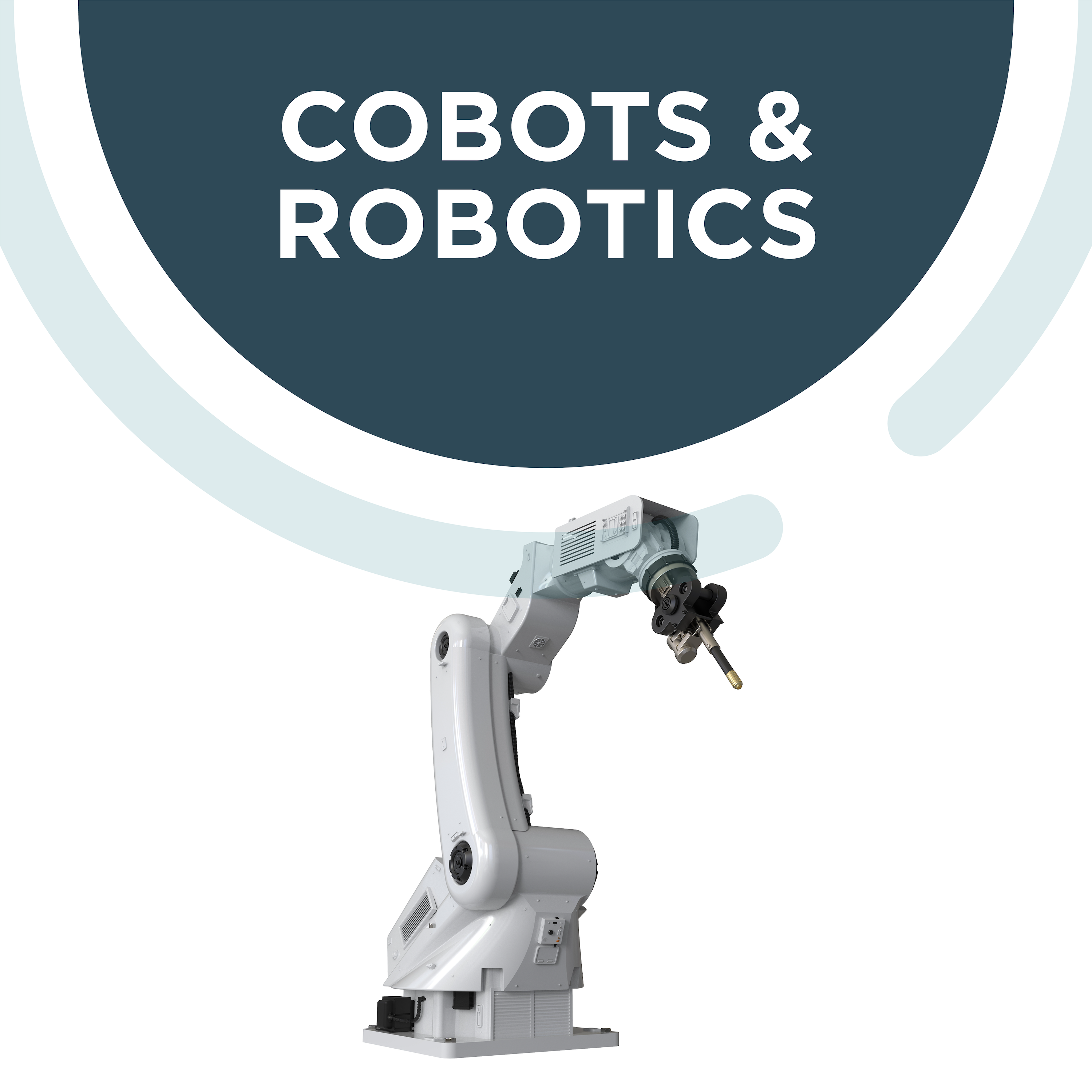
In this episode, Alex Megej, Chief Technology Officer for the Industrial Business Unit at TE Connectivity, speaks with Tyler Kern about cobots, how they differ from traditional industrial manufacturing robots and how they are advancing today’s factory automation.Cobots are more compact than large-size manufacturing robots. “Think of them as a mechanical arm that can operate in very tight spaces,” Megej said. “Typically, they can handle weights from several hundred grams up to several kilograms.” Cobots provide an excellent option for minor mass movement when operating near a person on a factory floor.Giant robots typically operate in isolation from factory workers for safety reasons. Cobots operate in more open or semi-protected environments. So, can these two mechanical wizards play together, or are they best kept apart? “In terms of collaboration between huge robots and small robots, this usually happens only in situations where smaller robots, or small cobots, in this case, pick and place material for further processing with larger robots,” Megej said. While any manufacturing operation can use cobots, Megej said cobots thrive in small and medium size business enterprises. The flexibility of cobots allows them to pick and place one day. Then, with the change of an arm tool, it can perform drilling functions on components the next day and perform assembly tasks on another. Its ability to be reprogrammed for various operations and functions makes its versatility invaluable. Megej said that even in TE’s factories, cobots help perform packing operations that previously required semi-automated or manual solutions. “Now we can use cobots to pick the finish goods, put them into a bag, as an example, close the bag, and transport it to the final destination.” Read the full story on TE.com.

October 3, 2022Episode 129 min

Addressing the Roadblocks to Widescale EV Adoption

Headlines about electric vehicles are littering the news. This week highlighted EVs capable of off-roading, changes in California law, and President Biden’s approval of $900M funding for charging (Reuters). “Much of the driving force behind this transformation from internal combustion engine to battery electric vehicle has been environmental sustainability,” said Qiong Sun, Vice President of Automotive E-mobility at TE Connectivity. According to CNBC, a range of studies suggest that if all vehicles were electric, it would reduce greenhouse gas emissions by sixteen percent. Despite the popularity in headlines, the general public has been slow to adopt EVs. Streamlining and increasing production as well as increasing battery range, affordability, and infrastructure are key to reaching widescale adoption. “Today, many of the innovations are focusing on scaled production and cost reduction to converge with the cost of the traditional internal combustion engine vehicle,” said Qiong. EV architecture has a massively reduced number of parts. Fewer parts mean easier maintenance because fewer things can go wrong and access to replacements is quicker if they do. “The battery is the heart of the EV. And further improvements in range, time to charge, and cost are all significant and necessary to get a wider range of consumer acceptance. Many of those battery innovations in the past two decades have focused on increasing the energy density of the lithium battery, which directly translates to the EV drive range,” said Qiong. The companies that develop or integrate battery innovations are sure to hold an advantage in the market. But they’ll have to move fast. A Harvard-backed start-up claims to invented a battery that charges in three minutes (CNBC).The current electric vehicle market and average consumer landscape do not meet diverse consumer needs. Charging stations are a significant hurdle in general EV adoption (Reuters). Listen to the episode to hear more about TE Connectivity’s insights on electric vehicle innovation and the company’s efforts to support widescale adoption. Subscribe to the series wherever you get your podcasts. Learn more on TE.com: https://bit.ly/3BmSIhB

November 1, 2022Episode 121 min

The Electrification of Everything with Davy Brown

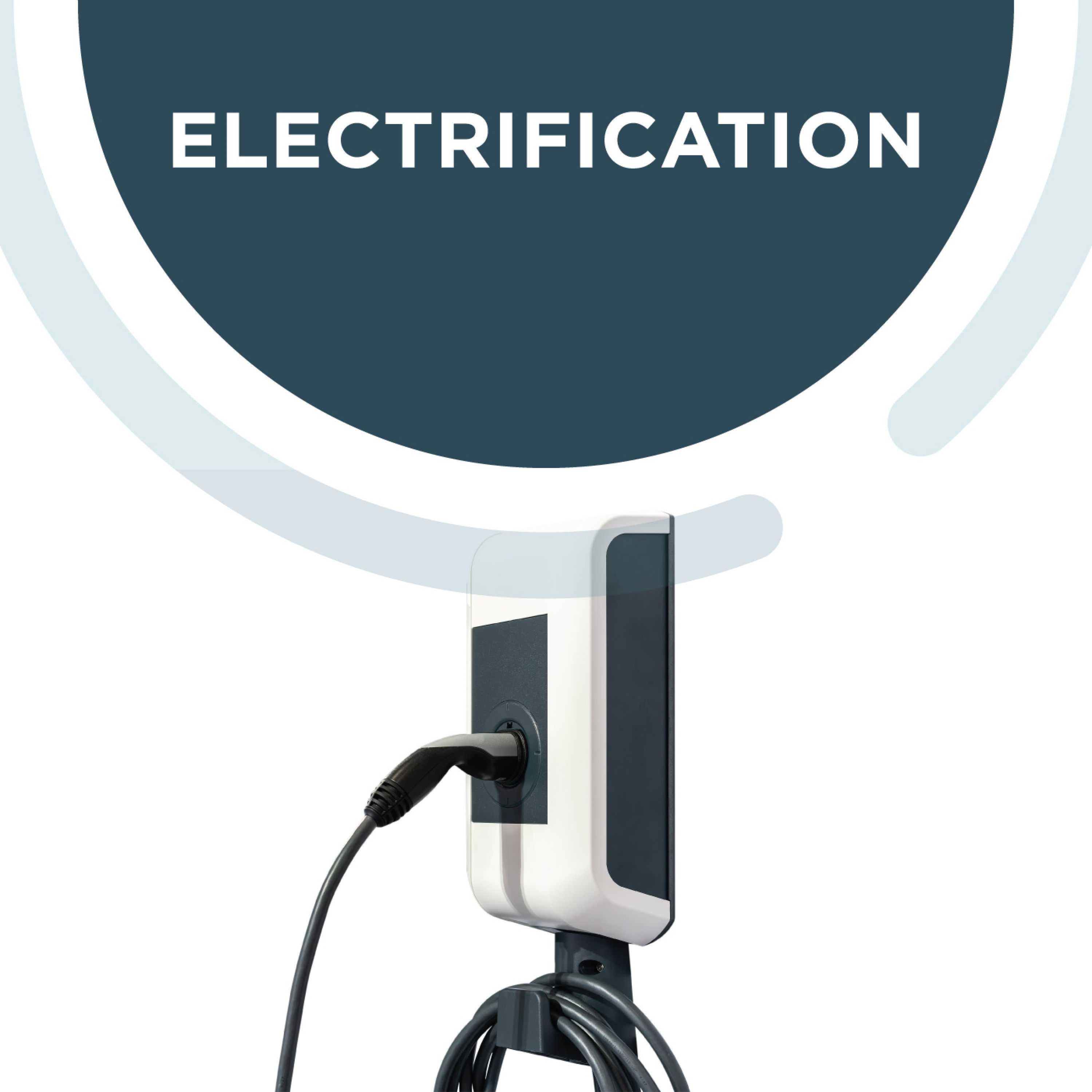
Fossil fuels and the internal combustion engine have powered the global economy for more than a century, but the future will be electrified. As the world adopts ambitious goals to combat climate change and reduce carbon emissions, engineers are racing to commercialize electric alternatives to the vehicles and machinery that we use every day.In the latest episode of Our Connected World, TE Connectivity’s Vice President and Chief Technology Officer of Industrial Solutions Davy Brown talks about the acceleration of the energy revolution and how TE is contributing to the transition by co-creating with customers. Our world is becoming increasingly electrified. From electric vehicles to industrial equipment and the next generation of flight, the use cases of electrification are only growing and could fundamentally change our way of life over the coming decade. Listen to this big-picture conversation covering a variety of topics such as range anxiety, infrastructure upgrades, the skills needed for an electrified future and more. To learn more about electrification and the shift in our energy ecosystem, visit TE.com: https://bit.ly/3UwopxH

January 23, 2023Episode 128 min

How Advanced Materials are Used in Today’s Technologies

Complex compositions of materials are all around us, enabling big improvements in advanced technologies. These materials typically possess superior properties to optimize the performance and production of a wide range of applications.In this episode of Our Connected World, host Michelle Dawn Mooney interviewed Phil Gilchrist, Vice President and Chief Technology Officer for Communications Solutions at TE Connectivity. During this conversation, they discussed three topics:1. Advanced materials and the increased expectation of mass customization 2. Alternative materials for design 3. Testing and validation of new materials“The world is embracing advanced materials to leave the world way better than we met them,” explained Phil. Today’s biomaterials can be either natural or synthetic and composed of numerous substances, including metals, ceramics, and polymers. Some examples of biomaterials include titanium and stainless steel, which are commonly used in joint replacements. Another is polyethylene, which is used in artificial heart valves.The creation of new materials is helping to address the increased expectation for mass customization and rapid on-demand production, Gilchrist explained. This is true in the field of biomaterials, where new materials can be designed with specific properties, such as biocompatibility, that make them well suited for a wide range of medical applications. These new materials can be produced quickly and at a lower cost than traditional materials, making them more accessible to a wider range of customers.

March 23, 2023Episode 118 min

Readying the Grid for Electrification

With a wider consciousness of climate change, the world is becoming increasingly electrified. From passenger vehicles to home cooling and heating, the Electrification of Everything is driving enormous demand for clean, reliable electricity. To deliver on the promise of worldwide electrification, electricity grids will require significant changes. What upgrades does the grid need in order to be prepared for electrification? And what are the challenges and solutions?On the latest Our Connected World podcast, host Michelle Dawn Mooney chatted with Dr. Christoph Lederle, Senior Director of Global Product Management of Energy at TE Connectivity, about the electrification of everything, growing demand for renewable energy sources, and measures to fortify the grid in view of these advances. Mooney and Lederle talk about…1. The challenges with upgrading existing electric grids2. How the growth rate of electrical usage will impact electrification3. TE Connectivity's role in providing assistance and why efficient training takes precedence in that“TE is helping the grid owners because we are in the full process. We consult, we design, we build, and we also train installers. So, we are early in the game, and we consult the grid owners, what is the right product for the application to achieve the performance. But also meeting the safety aspects, designing using the right material, using the correct design for the application, as well as building in our global footprint and our global factories; and one aspect, which is key from our perspective, is the training. So, enabling the installers of the owner to do a proper job, and as we said good installer personnel is very difficult to get currently in the market and in the installation is key for sustainable and long-term performance of the product,” said Lederle.Dr. Lederle has been with TE for more than 15 years. He holds a Ph.D. in high voltage engineering from the Technical University of Munich.

May 1, 2023Episode 122 min

The March Toward Commercial Fleet Electrification

Commercial transportation is seeing a wave of electrification as more and more of these vehicles shift from combustion to electric. This transition has been happening gradually in the industry, and in addition to the environmental factor, gas prices have also played a major role in its expansion. As this growth continues to rise, so many components are contributing to this shift. What types of changes are leading the shift toward electrification and what can consumers expect to see?On Our Connected World, host Michelle Dawn Mooney interviewed Gregory Fehribach, VP of Engineering, Transportation Solutions at TE Connectivity, about the rising shift to electrification and how technology is helping shape and lead change.On this episode Michelle and Greg further discussed …1. Developing passenger car and commercial space2. The types of performance and design considerations engineers look to when it comes to determining the electrification of a vehicle3. The engineering advances and technology contributing to the electrification becoming a popular option“The technology in the space is really developing at an incredibly rapid pace and it's able to grow from what is already been learned in the electrification of the passenger space as well. So, everything we've done for fuel efficiency on heavy-duty trucks also plays into this. The real enablers for technology is focused on efficiency and thermal management. From charging the batteries, to delivering that power to the wheel — efficiency really is key to all of this,” said Fehribach.Gregory Fehribach is the Vice President of Engineering at TE Connectivity. He has been with the company for five years and has been in his executive role for almost two years now. Prior to that he was the company’s Senior Director Adjacency Products. Fehribach is also an alumnus of the University of Louisville and Indiana University.

Is this your show?

Claim this listing to keep it up to date, reach guests who want to pitch you, and manage bookings with Guestify.

Claim this listing

More Technology podcasts