I Want to Dig Him Up
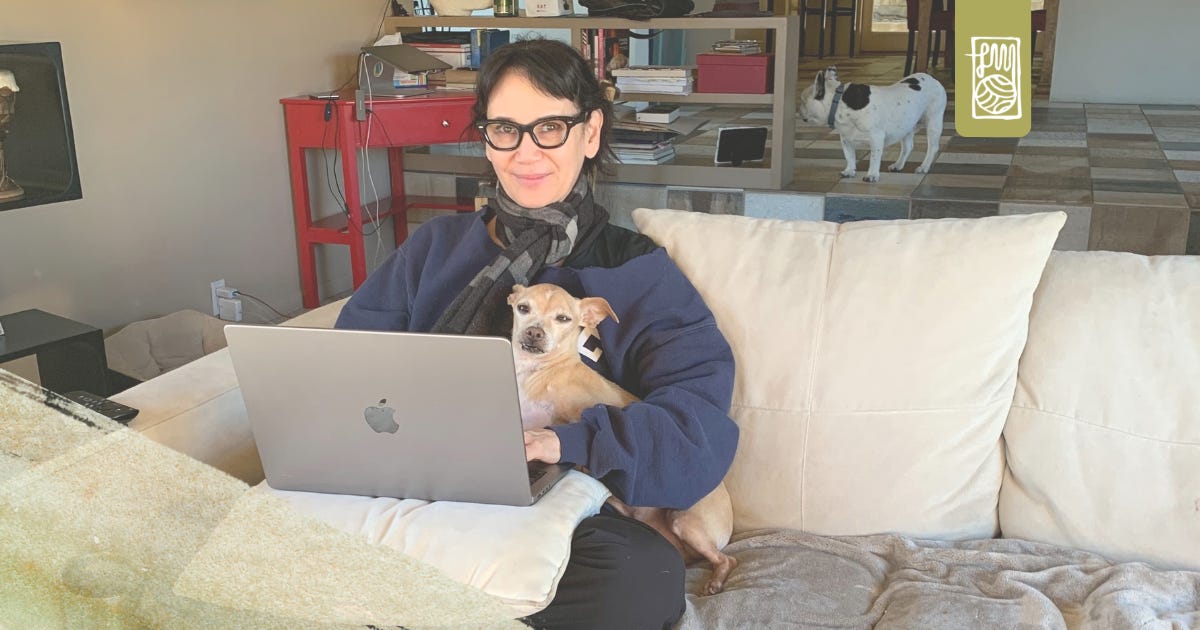
This is a free preview of a paid episode. To hear more, visit thisisgrieftoo.substack.com Six words. That’s all we were allowed. I was attending a grief training program with psychotherapist Meghan Riordan Jarvis, and she gave us a writing assignment: Describe the grief you’re experiencing in just six words. I didn’t have to think very hard. I want to dig him up. “Him” being my Italian-greyhound chihuahua Roo, who had died more than a year earlier. The grief still felt fresh and alive. Of course, I knew that digging him up so I could hold him in my arms and feel his scrawny warmth wasn’t rational. Or possible. But I didn’t want to edit those six words. I really really wanted to dig him up. When other people think you should be over it I never shared those words with anyone outside the group. My grief over Roo had turned into something distasteful for a few people in my life. They were impatient with me when I would tear up or want to talk about him. It was long past the time to move on, they would say. It’s ironic that as much research and study that I’ve done on grief, and knowing that everyone experiences it differently, I tried very hard not to mourn him. It wasn’t that I agreed I should get over it. It just hurt to be misunderstood. I didn’t want my grief to be exposed and judged by those who were fatigued by it. So I immersed myself in selling our home, moving, and getting into other people’s business so I didn’t have the space or energy to miss him. Until I attended that workshop. Six words became a poem Those six words captured the intensity of my grief. And saying them out loud felt deeply relaxing. Yes, relaxing. I wasn’t trying to be palatable. And everyone in the workshop got it. Much later, I sat down and wrote a poem called I Want to Dig Him Up . I’d like to share it with you now. I want to dig him up Turns out it was an unfortunate miscommunication Instead of cremating him We buried him Please, don’t ask me how I cannot remember the details After all he was my baby dog What I do remember is Roo panting, coughing and hacking And he didn’t have the energy to jump on to the fat leather chair next to my desk where we’d spend the work days together I do remember how Roo came to us as a Covid rescue An Italian greyhound chihuahua mix Found in a Malibu house with 47 other dogs They said he was the littlest We bonded hard and fast Cuddle binging on the couch His head resting on my chest Our breaths evenly matched It’s a horrific thing to say no, I will not pay $6,000 For a few more weeks of life And that’s when things get fuzzy about how it came to be that we buried Roo in a pink coffin I bought on Amazon that didn’t arrive until two days after the euthanasia we put him on ice In a blue igloo cooler Did you know that home use coffins come with very very sticky double sided tape to make sure the seal is super secure? I miss my Roo My Rooster His soft fur His stinky breath His soulful brown eyes His devotion My little man I want to dig him up Making room for grief Writing that poem changed my relationship with how much I missed Roo. I stopped trying to make my grief more acceptable to other people. I let it be raw and nonsensical and absurd and brutal. I wasn’t trying to find a silver lining or turn the experience into some meaningful life lesson. And then I shared it with a group of people who accepted where I was. Nobody told me it was time to move on. That witnessing was deeply healing. Your turn: Six words So here’s an invitation to think about a loss you’re holding. Ask yourself: If I had only six words to describe how I’m feeling about this loss, what would they be? Don’t worry about being poetic. Or profound. Or making sense. You don’t have to share what you’ve written with anyone. What if we wrote our grief together? This experience has stayed with me, and it’s gotten me thinking. What would it be like to create a small community where we make dedicated time to explore our grief through writing? Not a traditional writing workshop. You wouldn’t need to consider yourself a writer or have any experience writing poetry, essays, or stories. I’m imagining a space where we use writing prompts to explore what we’re carrying, and where we can share what we’ve written with people who listen without judgment or the need to fix anything. I’m considering creating something like this in 2027, and before I go any further, I’d love your help shaping it. Would you be interested in exploring your grief through writing? I’ve put together a short, anonymous survey with a few questions about what you might want from an experience like this—and what might make you hesitant to participate. It should take less than three minutes, and your answers will help me shape what this could become. I don’t know exactly what this might become. That’s part of why I’m asking. And here’s something I didn’t expect. In the process of writing this essay, I realized that I hadn’t discovered something new about my grief. I’d discovered something about what I needed from other people. I needed to be with people who weren’t trying to talk me out of my feelings. Please join me on Friday, November 20 at 2 pm PST for This Is Grief Too Live: Why Success Doesn't Silence Self-Doubt with Ellen Ancui ( Aging Fearlessly ). 54 film festivals. 12 awards. And an existential crisis. Filmmaker Ellen Ancui’s directorial debut, SAVERIO , has had a remarkable festival run. So why is she wondering if she’ll ever make another film? And if she does, will it be any good? We’ll talk about why accomplishments don’t necessarily quiet our inner critics, the strange emotional limbo between projects, and how to keep creating when we don’t know what comes next. If you can’t join live, paid members can view the replay and other This Is Grief Too Live’s here . If you’d like to spend more time exploring your own experiences with grief, I’d love to welcome you into Solid Ground, the paid membership of This Is Grief Too. You’ll find monthly video lessons and worksheets, weekly guided meditations, and journal prompts to help you reflect on what you’re carrying and what comes next. As always, thanks for being here. Below are a few journal prompts for paid subscribers who want to explore further. If something resonated with you, I’d love to hear about it. What do you wish people understood about your grief?