Find partners
Is That Even Legal?

Is That Even Legal?

Hosted by Attorney Robert Sewell

Episodes

111

Latest episode

May 2026

Language

EN-US

About the show

The law impacts almost everything we do, several times a day. Sometimes we break the law and don't even know it! Attorney Bob Sewell explores what is legal in today's society by asking experts the age old question - Is That Even Legal? And getting the answers in plain language...while having a bit of fun.

Listen to episodes

60 recent
May 22, 2026Episode 440 min

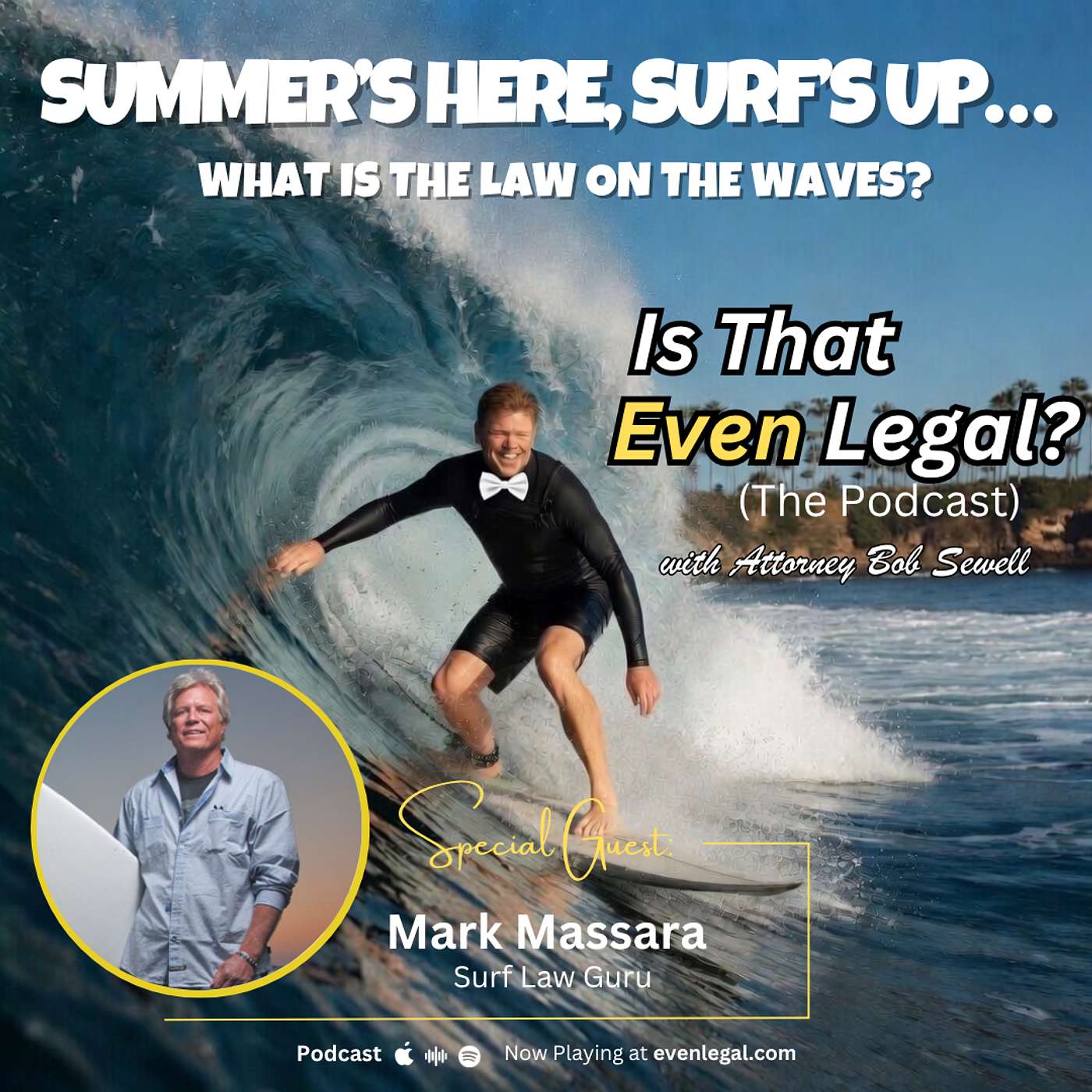
Summer’s Here, Surf’s Up…Who Owns the Beach and the Waves?

Send us Fan MailA beach looks simple until you ask one question that changes everything: where does private property end and public access begin? We sit down with Mark Massara, a “surf lawyer” who has spent decades inside California coastal law, land use fights, and environmental regulation. From the public trust doctrine to the mean high tide line, we break down why the shoreline is treated as a shared space and why attempts to rope off sand can trigger fast enforcement from the California Coastal Commission. Then we get into the hard part: climate change, sea level rise, and coastal erosion are moving the coastline in real time. We talk about shoreline armoring and seawalls, why they can protect a home while sacrificing the public beach, and how the Coastal Act tries to balance private expectations with long-term coastal resilience. If you’ve ever wondered why “just build a wall” is not a clean fix, this conversation makes the tradeoffs brutally clear. We also bring it back to the water. What happens when surfers collide, a board gets away, or someone ignores lineup priority? We walk through surfing liability under negligence principles and the four core rules of surf etiquette that keep people safe. Finally, Mark shares the conservation shift he’s seen up close, including why removing kelp wrack can hurt shorebirds and how groups like Surfrider Foundation and Save The Waves protect both beach access and coastal ecosystems. If you care about surfing, ocean conservation, or California beach access rights, subscribe, share this with a beach friend, and leave a review. Be sure to take a look at these organizations mentioned in the episode. Save the Waves- https://www.savethewaves.org/Surfrider Foundation- https://www.surfrider.org/Operation Surf- https://operationsurf.org/Me Water Foundation - https://www.mewaterfoundation.org/Waves of Impact- https://www.wavesofimpact.com/Surfers Healing - https://www.surfershealing.org/

May 6, 2026Episode 335 min

The Battle Over Groundwater Rights

Send us Fan MailArizona’s housing growth just ran into a question that’s bigger than any one subdivision: who gets to change the rules for water, and how? We sit down with Phoenix water law attorney Michele Van Quatham to unpack a trial court ruling in Home Builders Association of Central Arizona v. Arizona Department of Water Resources, a case that turns on the 100-year assured water supply program and the power of agencies to shift policy without formal rulemaking.We walk through how a developer typically qualifies for a 100-year water certificate in the Phoenix Active Management Area, including the groundwater “physical availability” analysis, hydrology studies tied to specific wells, and the 1,000-foot depth-to-water standard. Then we dig into the conflict sparked by the new Phoenix AMA groundwater model and the resulting pause on new determinations. The key legal issue is administrative procedure: the court finds that expanding the “affected area” to the full regional model functions like a new rule of general applicability, which requires public notice and the Arizona rulemaking process.From there, we connect the courtroom fight to real-world water policy and planning. We discuss a second lawsuit challenging a program that effectively demands 125% to 133% of water supplies, the limits of Colorado River and Central Arizona Project water for replenishment, and why “new water” quickly becomes expensive. Finally, we explore practical paths forward, from advanced water reuse and direct potable reuse to desalination concepts and the complicated water footprint of data centers once energy and cooling are counted. If this conversation helped you see Arizona groundwater management in a new light, subscribe, share the episode, and leave a review.

April 8, 2026Episode 240 min

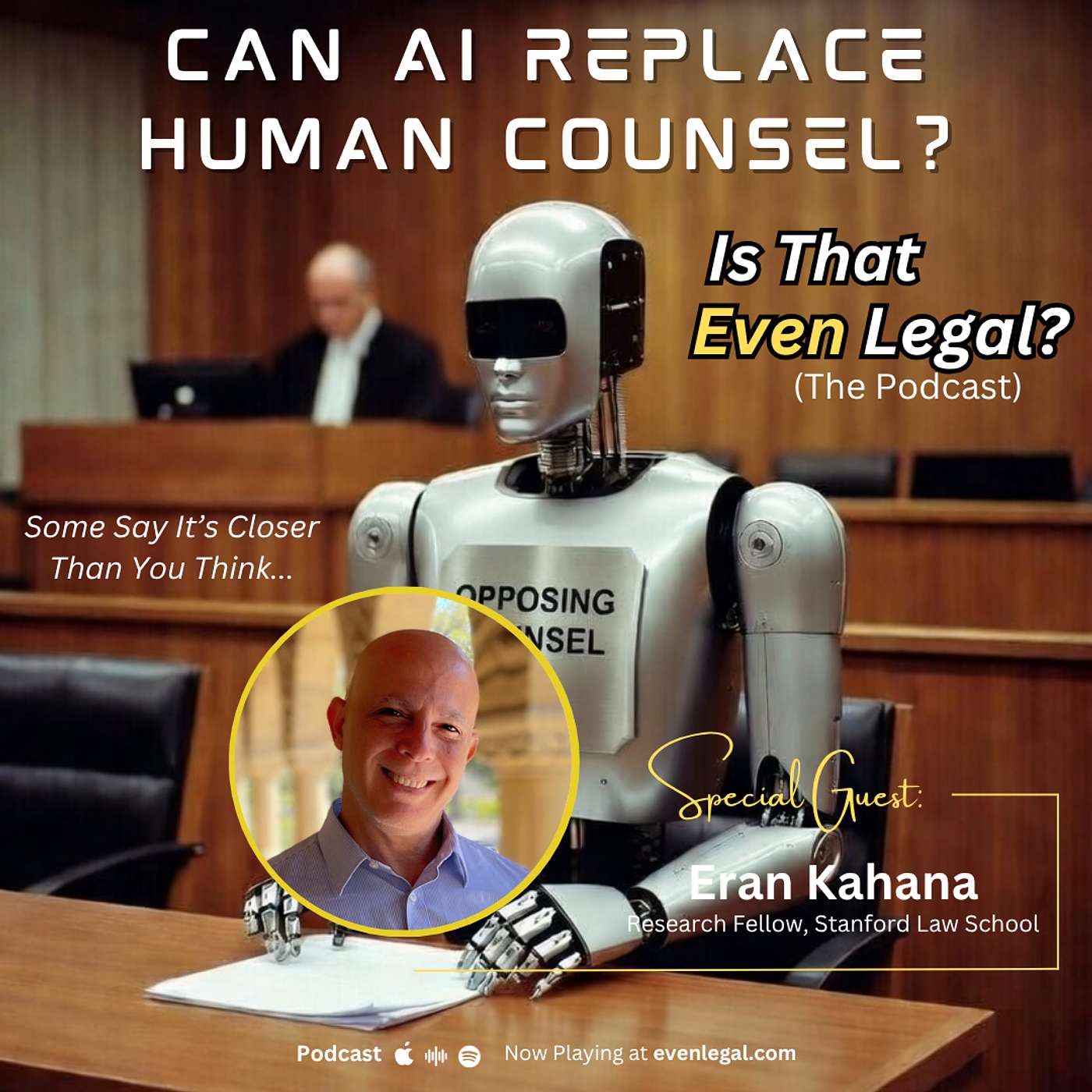
Can AI replace Human Counsel?

Send us Fan MailChatGPT can draft a motion in seconds, but what happens when the motion is polished nonsense and a real person signs it? We bring on Eran Kahana, a practicing attorney and Stanford Law School research fellow, to unpack a lawsuit that claims OpenAI caused harm by enabling AI generated court filings and effectively “doing law.” The story starts with a settlement, a case of buyer’s regret, and a flood of ChatGPT fueled motions that leave courts and opposing parties paying the price.From there, we dig into the heart of legal AI ethics: hallucinated case citations, confident sounding errors, and why “it passed the bar” marketing can create dangerous expectations for everyday users. Eran makes the case that the better frame is often product liability, not unauthorized practice of law, because foundation model developers knowingly ship tools that can fabricate authority while still sounding right. We also talk about the practical reality inside law firms, where AI can save time when used for brainstorming, but can create real exposure when lawyers treat it like a research engine.We close with the consequences and the future: Rule 11 sanctions, professional discipline, looming malpractice claims, and whether malpractice insurance even covers “delegating judgment to a machine.” Then we zoom out to AI governance and guardrails, including the idea of jurisdiction aware restrictions and stronger refusal modes for legal conclusions. If you care about legal tech, generative AI, and the future of legal practice, hit subscribe, share this with a lawyer friend, and leave a review so more people can find the show.Although AI is not ready for the courtroom now, Eran says just wait. We won't even recognize "justice" a decade from now.

March 16, 202628 min

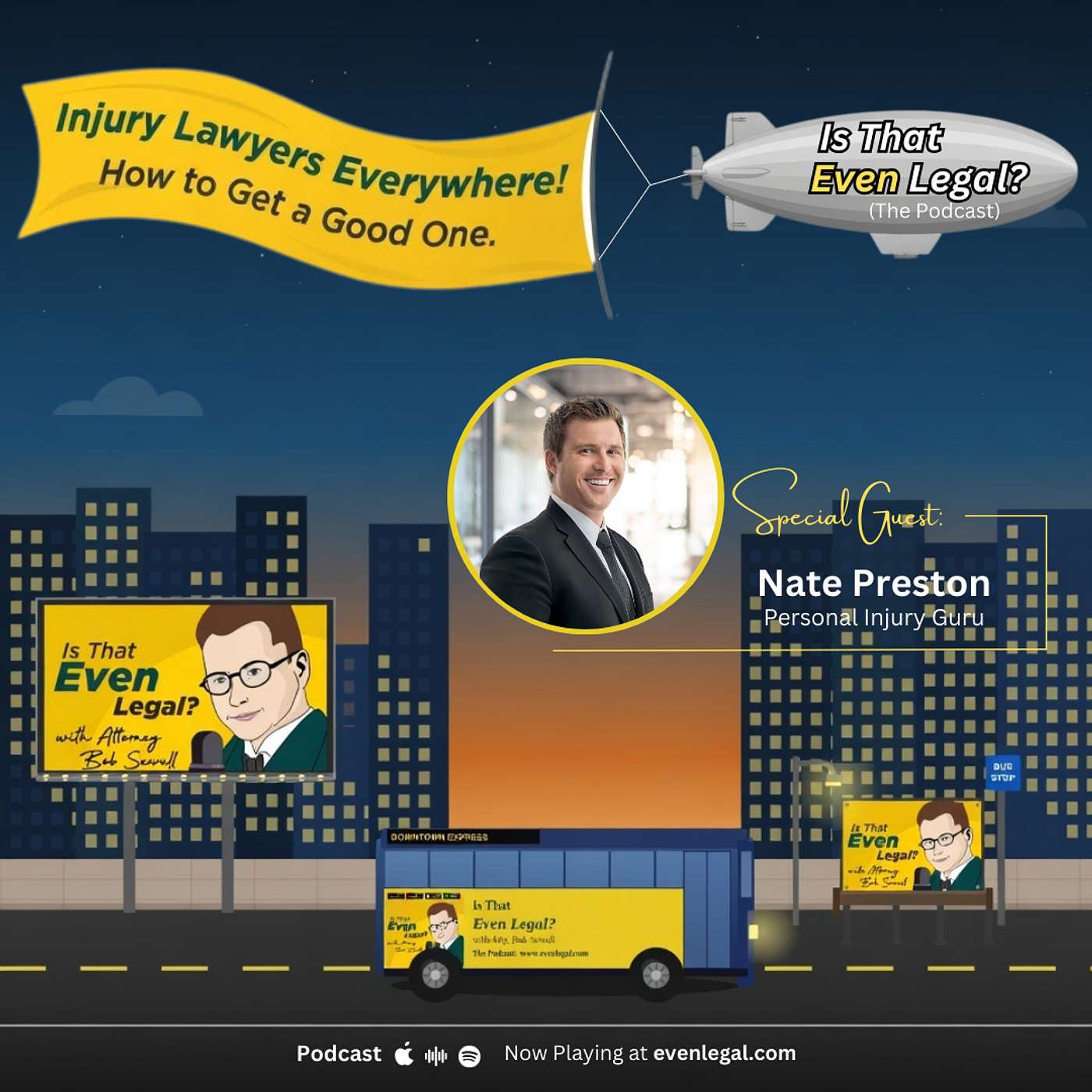
Injury Lawyers Advertise EVERYWHERE...Is That How You Should Choose?

Send us Fan MailArizona changed the rules of the legal game, and most people have no idea it happened. When the state allowed alternative business structures, it opened the door for non-lawyers and private equity to have ownership stakes in law firms and to share in fees, a shift that sounds like “access to justice” on paper but can reshape incentives in the real world.We sit down with Nate Preston, managing attorney at Warnock MacKinlay Law in Scottsdale, to unpack what we’re seeing on the ground in personal injury law. We talk about the billboard boom, why “volume” settlement practices can quietly drag down what injury victims take home, and how insurance companies use reputation and data to decide which firms get serious offers. If a firm rarely litigates, adjusters know it, and that can change everything from the first demand to the final number.Nate also shares concrete stories that show how much money can be left on the table when a lawyer rushes a case: evaluating ongoing pain, timing medical treatment, and digging into underinsured motorist coverage and household policies can turn a small settlement into a life-changing recovery. We also shift to emerging accident trends, including e-bike and e-scooter injuries, sidewalk defect claims against cities with strict 180-day deadlines, and what driverless cars and accident avoidance systems mean for evidence, discovery, and fault arguments.If you want a clearer way to choose a personal injury lawyer in Arizona and avoid getting sold by marketing instead of skill, hit play. Subscribe, share this with someone who needs it, and leave us a review so more people can find the show.

February 13, 202628 min

E-Bikes, Kids, And The Law

Send us Fan MailA quiet neighborhood, and a pack of teens flying past on throttles—what looks like summer freedom is colliding with a fast-changing legal reality. We unpack the e-bike surge with criminal defense attorney Russ Richelsoph, cutting through confusion about what’s truly an e-bike, what’s an electric motorcycle, and how cities are drawing lines on speed, sidewalks, and rider age. If you’ve wondered whether that “bike” needs a license, plates, or insurance, or why hospitals are seeing daily injuries from these crashes, this conversation lays out the stakes with clarity and real-world examples.We break down the three-class system many states use—Class 1 and 2 capped at 20 mph, Class 3 at 28 mph—and explain why machines like Surron-style electrics are often not e-bikes under Arizona law. Rust walks us through where kids can legally ride, from sidewalk rules that change by city to local helmet mandates for minors. We also talk enforcement: officers checking factory class stickers, issuing citations, and even impounding unlawful bikes. The safety angle is stark—20 mph is advanced cycling speed, especially for distracted teens sharing narrow sidewalks with pedestrians and driveways with turning cars.For parents, the hidden risk is civil liability. If a child injures someone, attorneys may target the adult who bought the machine, arguing negligent entrustment. We outline practical steps to reduce danger and exposure: verify the bike’s legal class and top speed, learn your city’s code, require helmets and lights, teach right-way riding and stopping, and call your insurance agent to confirm coverage under homeowners, renters, auto, or umbrella policies. Smart boundaries and the right gear keep the ride fun, safe, and firmly on the right side of the law.If this helped you navigate the e-bike maze, subscribe, leave a review, and share the episode with a friend who’s shopping for a “bike” that might be a motorcycle. What rules does your city enforce, and do you think teens should need training before riding? We’d love to hear your take.

January 13, 202636 min

Can A Forged Deed Cost You Your House?

Send us Fan MailA forged deed, a ticking clock, and a court that says the fix belongs to lawmakers—this conversation goes deep into how Arizona’s property laws shape real lives. We walk through Dominguez v. Dominguez, where a recorded deed alleged to be forged collided with a five‑year statute tied to property tax payments. The result is unsettling: an elderly homeowner can lose title if fraud isn’t challenged in time. The concurrence even warns that this reading could become a blueprint for deed thieves. We unpack why the justices still chose restraint, applying the statute as written and pointing the finger at the legislature to close the gap.Then we pivot to Aroca v. Tang Investment, where the court extinguished a deed of trust after the limitations period on the underlying debt expired, rejecting the idea that liens can linger forever. If a lender sleeps on its rights, the lien goes too. That may sting in post‑crash scenarios and for second liens, but it brings certainty to chains of title and aligns with broader policy around timely enforcement. Together, these cases show a consistent philosophy: courts interpret law; lawmakers set policy. If the rules enable deed fraud or crush lenders, the remedy is legislative.We share practical steps you can take now. Homeowners and families can set up county title alerts, keep tight control of original documents, watch tax bills, and get counsel at the first hint of title activity. Lenders can audit dormant notes, calendar deadlines, and streamline enforcement so claims don’t die on the vine. And for those who want change, the path is civic, not judicial: advocate for a discovery‑rule fix to forged deeds, stronger notary standards, and better recording notice.If you care about protecting homes, cleaning up title, and keeping courts in their lane, this one’s for you. Subscribe, share with someone who owns property in Arizona, and leave a review telling us which outcome you’d change and why.

December 8, 202529 min

Office Romance: Policy, Pitfalls, Protection

Send us Fan MailA viral kiss cam, a CEO resignation, and a very public reminder: office romance isn’t rare - and it’s not harmless when power, pay, and promotions are on the line. We dive into the real legal and cultural risks with employment attorney David Weisman, separating sensational headlines from practical steps every company can take today.We walk through why the riskiest relationships are supervisor–subordinate pairings, how undisclosed romances turn into conflicts of interest, and why “consensual” can change the moment a breakup happens. From the McDonald’s and retail leadership cases to everyday teams in hospitals and service industries, we unpack how favoritism—real or perceived—triggers complaints, erodes morale, and pushes good people out. David explains the role of a clear fraternization policy, what a consensual relationship agreement (aka love contract) actually does, and the nonnegotiable move to end reporting relationships when dating occurs.Policy without practice is a liability. That’s why we dig into scenario-based training that sets boundaries employees can remember: one respectful ask, no means no, and never across power lines. We cover documentation, graduated discipline, and fast, fair investigations that protect people and the business. If you lead a team, work in HR, or just want a healthier workplace, you’ll leave with a playbook to handle relationships transparently, reduce risk, and keep trust intact.If this conversation helped you, follow the show, share it with your team, and leave a quick review so more listeners can find it. Got a thorny workplace question you want us to tackle next? Send it to producer at evenlegal.com.

November 3, 202524 min

Cross-Border Judgments, Plainly Explained

Send us Fan MailA cousin-to-cousin loan sounds simple—until the judgment crosses an ocean. We walk through a striking case where a Nigerian court entered a money judgment and an Arizona court recognized it, revealing how comity, reciprocity, and due process shape whether foreign creditors can collect in the United States. With commercial litigator Marshall Hunt, we unpack the Uniform Foreign Country Money Judgments Recognition Act, Arizona’s added reciprocity requirement, and the practical tests courts use to decide if a foreign judgment deserves respect.We break down what “due process” really means in cross-border disputes: proper notice, a real chance to respond, and a court with legitimate authority over the parties. You’ll hear how service by email can satisfy legal standards, how personal jurisdiction turns on purposeful contacts and the place of the transaction, and why judgments for taxes, penalties, or family matters usually won’t be recognized. Along the way, we compare U.S. and Nigerian procedures, highlight why Arizona diverges from the modern trend, and show how Rule 44.1 lets courts consider expert affidavits to understand foreign law.For founders, in-house counsel, and dealmakers, the stakes are real. Recognition rules influence contract drafting, venue and governing law clauses, and enforcement strategy when deals go south. Respecting competent foreign judgments saves time, reduces costs, and avoids conflicting rulings, while reciprocity helps U.S. businesses receive fair treatment abroad. If you move money, goods, or services across borders, this conversation gives you the tools to plan smarter: document contacts, choose enforceable forums, define service methods, and know the defenses that actually work.Enjoyed the conversation? Follow the show, share it with a colleague who handles international deals, and leave a quick review to help others find us. Your questions and stories power future episodes—send them our way and join the dialogue.

October 14, 202528 min

Swift, Kelce, and the Prenup Playbook

Send us Fan MailThe law doesn’t care how romantic your story is: creditors, community property rules, and default statutes move the same way whether you’re a billionaire songwriter or a hometown athlete. We dig into the real purpose of a prenup: not to plan a breakup, but to build a clear financial framework that protects income, isolates debt, and keeps your estate plan from turning into a family brawl. Using the Swift–Kelce engagement as a timely lens, we translate headline drama into practical guidance anyone can use.We walk through the biggest misconceptions first. In many states, money earned after the wedding becomes community property, even if it lands in an account titled to one spouse. That means one partner’s creditors can reach the other partner’s earnings or bonuses without a single misstep at home. A well-crafted prenup flips those defaults, designating income as separate, walling off business liabilities, and preventing “community liens” from quietly forming on premarital assets like homes, companies, and royalties. We also map the clauses that matter most: property characterization, income rules, debt allocation, spousal support options, disclosure and counsel requirements, and dispute resolution that keeps fights out of court.Estate planning gets a spotlight too. Clear property definitions reduce probate and trust litigation, especially for blended families balancing care for a spouse with inheritances for children. We share cautionary tales - from invalid napkin contracts to celebrity payouts - and explain why DIY templates and last-minute signatures invite disaster. If you own a business, bring a home into marriage, have kids from a prior relationship, or carry complex debts, this is your playbook for protecting love from legal fallout. Subscribe, share this episode with a friend who’s engaged, and leave a quick review to help more people find practical legal insight without the jargon.

September 23, 202532 min

Love 'em or hate 'em, big trucks are with us for the long haul...

Send us Fan MailBehind the wheel of every commercial truck is a driver navigating not just America's highways, but a complex maze of regulations that would fill an entire office if printed. Attorney Zac Hargis pulls back the curtain on the unseen challenges facing the transportation industry in this eye-opening conversation about truck drivers' daily regulatory battles.From the moment they start their day with federally mandated pre-trip inspections to managing electronic logging devices while safely operating vehicles weighing up to 80,000 pounds, truckers face scrutiny at every turn. A single traffic stop can trigger citations at local, state, and federal levels, potentially resulting in fines exceeding $10,000 – enough to devastate a small trucking operation. Meanwhile, these professionals must contend with aggressive passenger vehicles, blind spots that can hide entire cars, and the physics that make it impossible for them to stop as quickly as smaller vehicles expect.The conversation explores everything from cross-border transportation challenges to the reality that truck drivers face medical scrutiny similar to airline pilots. Sleep apnea, diabetes, and other health conditions aren't just personal matters for truckers – they're regulatory concerns that can impact their livelihood. Hargis also addresses the isolation of life on the road and how truck stops have become unfairly stigmatized despite facing "no more illegal activity than their fair share."Perhaps most importantly, this episode reminds us of the essential service these road warriors provide. "I've got food on my table because of a truck driver. I've got this shirt on my back because of a truck driver," Hargis notes, emphasizing that most drivers take immense pride in their work despite the sacrifices it demands. Next time you're tempted to cut off a semi or become impatient behind one climbing a hill, remember – they're not trying to slow you down; they're doing their best to keep America running while navigating an almost insurmountable regulatory environment.Listen now to gain a new perspective on the trucks and drivers that make modern life possible, and learn how specialized legal services are helping these professionals stay on the road.

Is this your show?

Claim this listing to keep it up to date, reach guests who want to pitch you, and manage bookings with Guestify.

Claim this listing