Welcome to the InfoGov Hot Seat. The show where Information Governance flips into Governed Intelligence, and data becomes your AI advantage. Each episode features candid interviews with leaders across information governance and the broader business and data ecosystem, including IG practitioners, consultants, and solution providers, plus Chief Data Officers, CIOs, CISOs, and CEOs across industries. We unpack what is changing right now in governance, risk, compliance, and data strategy, and turn it into practical insights you can apply. Expect real-world conversations on records and retention, privacy, security, eDiscovery, data quality, and AI readiness, with a focus on building trustworthy data foundations that reduce risk and create measurable advantage with AI.
Listen to episodes
60 recent
October 19, 2026Episode 357 min
What Happens When AI Uses Outdated Laws and Bad Data?
How can enterprises build trustworthy AI while staying compliant? In this episode of Governed Intelligence, experts explore legal data infrastructure, AI governance, data provenance, privacy, retention policies, and cyber resilience. Discover why accurate legal data and information governance are essential for reducing AI risks, preventing hallucinations, and building responsible enterprise AI. #EnterpriseAI #AIGovernance #DataGovernance
September 29, 2026Episode 10253 min
The Biggest Mistake Law Firms Make When Buying AI Technology
ILTACON 2026 is wrapped, so what actually mattered? On this live InfoGov Hot Seat, host Jim Merrifield sits down with ILTA president Jason Dirkx (Chief Innovation Officer) and Hunter Nicholas (VP Sales, FIT). We get into MCP, moving AI from pilot to production, change management, security reviews, fake "AI" claims, and the microwave take on Gen AI hype. Rapid fire round and audience Q&A included. Episode of InfoGov Hot Seat Live, now InfoGov Hot Seat: A Governed Intelligence Podcast . Host Jim Merrifield looks back at ILTACON 2026 with Jason Dirks (Chief Innovation Officer, Benesch, and President of ILTA) and Hunter Nicholas (VP of Sales, Future in Tech). They cover what actually changed in legal tech this year, what's just hype, and how firms and business partners turn AI into measurable value. In this episode: Why MCP and the "single pane of glass" defined ILTACON 2026, and why your own data is now the real differentiator How to move from pilot to production, starting with the business need rather than the tool Change as a limited resource: why firms need to meter change to avoid exhausting their people Information governance vs. data governance, and why governance has to be cross-functional What gets deals through security review: candor, roadmap transparency, SOC 2, ISO 27001, and FedRAMP Cutting through AI noise: "AI with an ROI" and why post-sale partnership matters more than the signature Rapid-fire hot seat: Gen AI and the microwave analogy, overhyped buzzwords, how to lose a buyer in 30 seconds, and predictions for 2030 Guests: Jason Dirkx, Hunter Nicholas Founding Supporters: Newcode, NetDocuments, iManage, Filerskeepers, Future in Tech 🔔 Subscribe for more conversations on AI, data, governance, and leadership. 💬 Drop your questions for future guests in the comments. #ILTACON2026 #LegalTech #InformationGovernance #AIGovernance
August 24, 2026Episode 1011 hr 1 min
AI SaaS Is Dying What Law Firms Will Build Instead
Episode of InfoGov Hot Seat Live. Host Jim Merrifield and co-host Leigh zidwich talk AI data governance, agentic workflows, and strategy with Maged Helmy (CEO, Newcode) and Tim Fox (Chief Data and AI Officer, Ogletree Deakins). In this episode: Why law firms are shifting from prompt-based chatbots to agentic AI workflows at scale The hidden costs of "messy data" and how to handle enterprise search with newer LLMs Why AI as an infrastructure will soon replace AI as a SaaS Building cross-functional committees to drive AI adoption, governance, and real ROI Pre-ILTACON session previews and the growing importance of AI auditing and reporting Bold predictions for the future of legal AI over the next 12 months Guests: Leigh Zidwick, Maged Helmy, Tim Fox Supporters: Newcode, NetDocuments, iManage, Filerskeepers, Future in Tech, ILTA 🔔 Subscribe for more conversations with legal AI and info governance leaders. 💬 Drop your questions for future guests in the comments.
January 8, 2025Episode 6018 min
IGHS60 - AI, Data Governance, and the Future: Insights from Box CEO Aaron Levie
In this conversation, Jim Merrifield interviews Aaron Levie, co-founder and CEO of Box, discussing the evolution of Box, the importance of information governance, and the transformative role of AI in data management. Levie emphasizes the need for organizations to adapt their data architectures to leverage AI effectively, the emergence of AI agents tailored to specific roles, and the ethical considerations surrounding AI deployment. He expresses optimism about future innovations and the necessity of maintaining organized data to fully benefit from AI advancements.
January 17, 2024Episode 2221 min
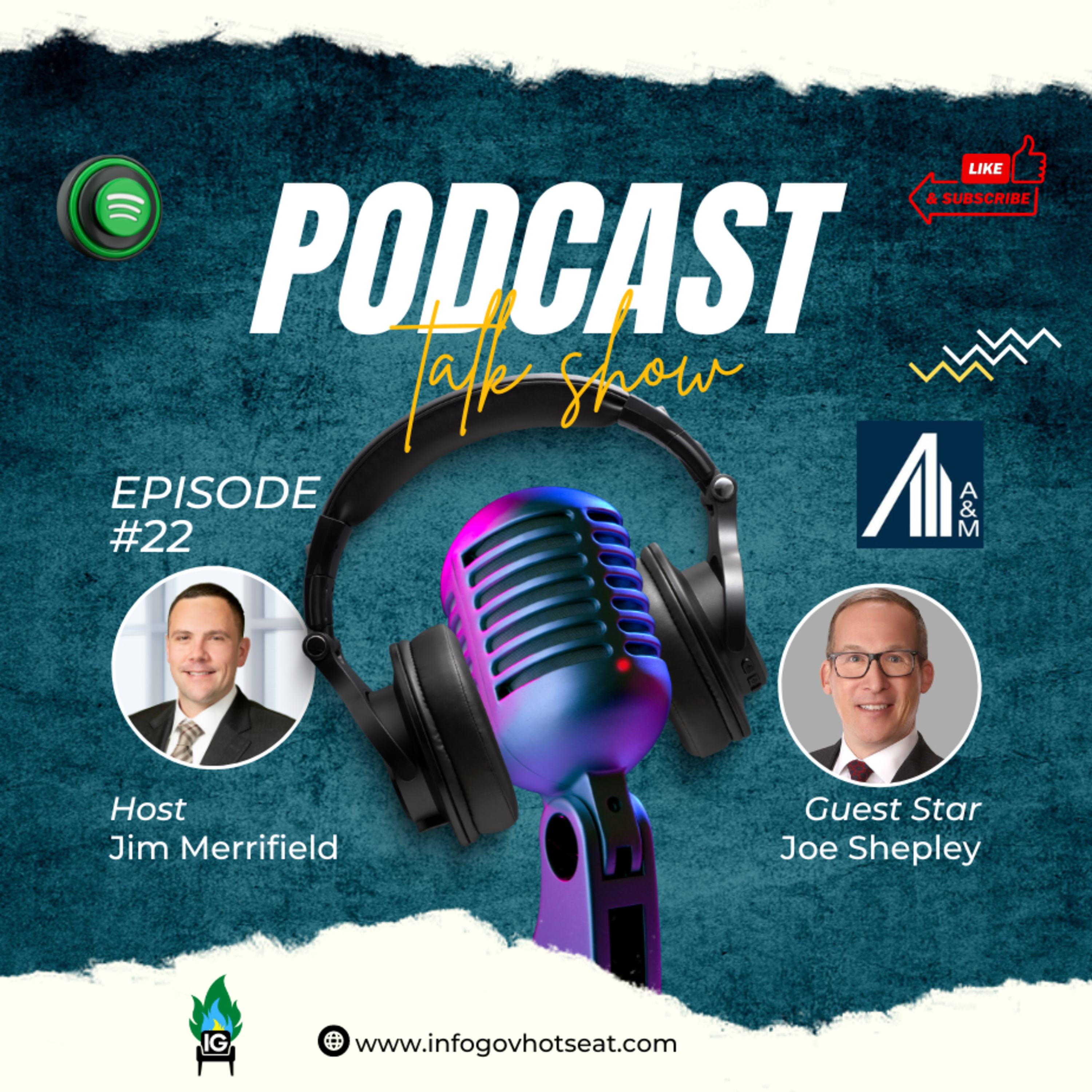
IGHS22 - Joe Shepley, Alvarez & Marsal
In this conversation, Jim Merrifield interviews Joe Shepley, a consultant at Alvarez & Marcell, about his role in information risk and governance. They discuss unconventional advice for clients, the importance of addressing legacy data, advice for a younger self, funny moments in consulting, and the essential skills every consultant should have. They also touch on the future of information governance and the increasing importance of data cleanup and compliance. Takeaways Addressing legacy data is crucial for reducing risk and improving information governance. Consultants should focus on writing skills, critical thinking, and emotional intelligence. The future of information governance will involve increased regulatory enforcement and advancements in AI technology. The human element, including empathy and care for clients, is a key differentiator for consultants. Chapters 00:00Introduction and Background 01:16Unconventional Advice for Clients 03:19Addressing Legacy Data 04:31Advice for Younger Self 06:14Funny or Unexpected Moment in Consulting 08:50Fictional Character as a Consultant 11:14Essential Skills for Consultants 15:35The Future of Information Governance 19:53Conclusion
December 5, 2023Episode 2022 min
Information Security Strategies with Andrew Ysasi of VRC: How to Stay Ahead in Today's Digital World
Summary In this episode, Jim Merrifield interviews Andrew Ysasi from VRC about the importance of secure and efficient record storage in the current digital landscape. They discuss the challenges of cybersecurity, the unique features of VRC's record storage solutions, and the importance of customer service. Andrew also shares insights on how VRC secures and maintains client records, mitigates transfers of record storage, and stays up to date on regulations and standards. The episode concludes with Andrew's final thoughts on the need for intentional investment in cybersecurity and information governance. Takeaways Secure and efficient record storage is crucial in the current digital landscape, considering the intense cyber threats, changing privacy regulations, and emerging technologies. VRC sets itself apart from other record storage solutions by prioritizing customer service, providing accessibility to staff, and offering a range of services like shredding and release of information. To secure and maintain client records, VRC invests in certifications, ongoing security awareness and training, and compliance specialists. They prioritize physical and digital security to protect sensitive information. Transferring record storage can be challenging, but VRC's resources, commitment, and national footprint allow them to provide seamless transitions and even offer cleanup opportunities for clients. Staying up to date on regulations and standards requires an intentional information governance program, external audits, and ongoing education and training. Organizations must invest in cybersecurity and information governance to protect their data and comply with regulations. Chapters 00:00 - Introduction and Background 03:10 - Importance of Secure and Efficient Record Storage 05:18 - What Sets VRC's Record Storage Solutions Apart 08:37 - Customer Service as a Key Differentiator 10:11 - Securing and Maintaining Client's Records 13:44 - Challenges and Mitigating Transfers of Record Storage 17:54 - Staying Up to Date on Regulations and Standards 18:57 - Final Thoughts
April 6, 2026Episode 9517 min
AI Governance and Defensible Disposal: A Practical Roadmap for 2026
In this episode of the InfoGov Hot Seat, experts tackle one of the biggest mistakes organizations make with defensible disposal: treating it as an all-or-nothing initiative that must be completed at once. Learn why this approach erodes credibility and how to build a sustainable framework for compliance instead. The discussion covers practical implementation strategies for defensible disposal, AI governance controls, and the critical roadmap for information governance success in 2026. KEY TOPICS COVERED: - Why large-scale, poorly socialized disposal initiatives fail - How failed big-bang projects make it harder to restart IG efforts - Starting small with low-hanging fruit to build momentum - Managing large-scale matter mobility between law firms - Expanding governance across collaborative platforms (Microsoft 365, Teams, SharePoint) - Providing better insights into physical records disposition - Executing large-scale destruction pilots in the first 90 days - Robust audit utilities for ISO and SOC 2 certification requirements - AI governance controls built on governance-first architecture - Managing sensitive data like PII and PHI in AI environments - Navigating retention requirements for AI prompts and outputs CRITICAL INSIGHTS: → Defensible disposal is not all-or-nothing—start small and scale → Failed big initiatives damage credibility and make restarts harder → Target low-hanging fruit first to demonstrate value quickly → Build a compliance framework incrementally over time → AI should augment human governance, not replace it → Governance-first architecture is essential for AI controls → AI prompt and output retention requires sector-specific evaluation → Avoid introducing guesswork into AI governance decisions → Risk versus benefit analysis is crucial for prompt retention IG PRIORITIES FOR 2026: - Large-scale matter mobility between firms - Cross-platform governance for collaborative tools - Physical records disposition insights and automation - Microsoft 365 integration to meet users where they work - First 90-day destruction pilots for physical and electronic records - Comprehensive audit trails for regulatory compliance AI GOVERNANCE APPROACH: - Build controls on top of governance-first architecture - Focus on managing PII and PHI in AI workflows - Evaluate geopolitical and sector-specific requirements - Research and education needed for prompt retention policies - Balance innovation with defensible governance practices PRACTICAL IMPLEMENTATION: - Be pragmatic—perfection is the enemy of progress - Pilot initiatives to work through stakeholder communication - Start with one practice group or department - Document successes to build organizational buy-in - Use audit utilities to demonstrate compliance value - Celebrate quick wins to maintain momentum FINAL RECOMMENDATION: To improve IG outcomes in the next 30 days, be pragmatic and start small. Focus on piloting initiatives that allow you to work through stakeholder communication and potential challenges before scaling firm-wide. WHO SHOULD WATCH: - Information governance professionals planning disposal projects - Records managers dealing with retention backlogs - Legal operations leaders implementing AI governance - Compliance officers preparing for audits - IT directors managing collaborative platforms - Anyone who has seen a big-bang IG project fail This conversation provides the honest, practical guidance needed to avoid common pitfalls and build sustainable information governance programs that actually work. Subscribe for more insights on information governance, defensible disposal, and AI governance strategies. #DefensibleDisposal #InformationGovernance #AIGovernance #LegalTech #IGDay
April 15, 2025Episode 6927 min
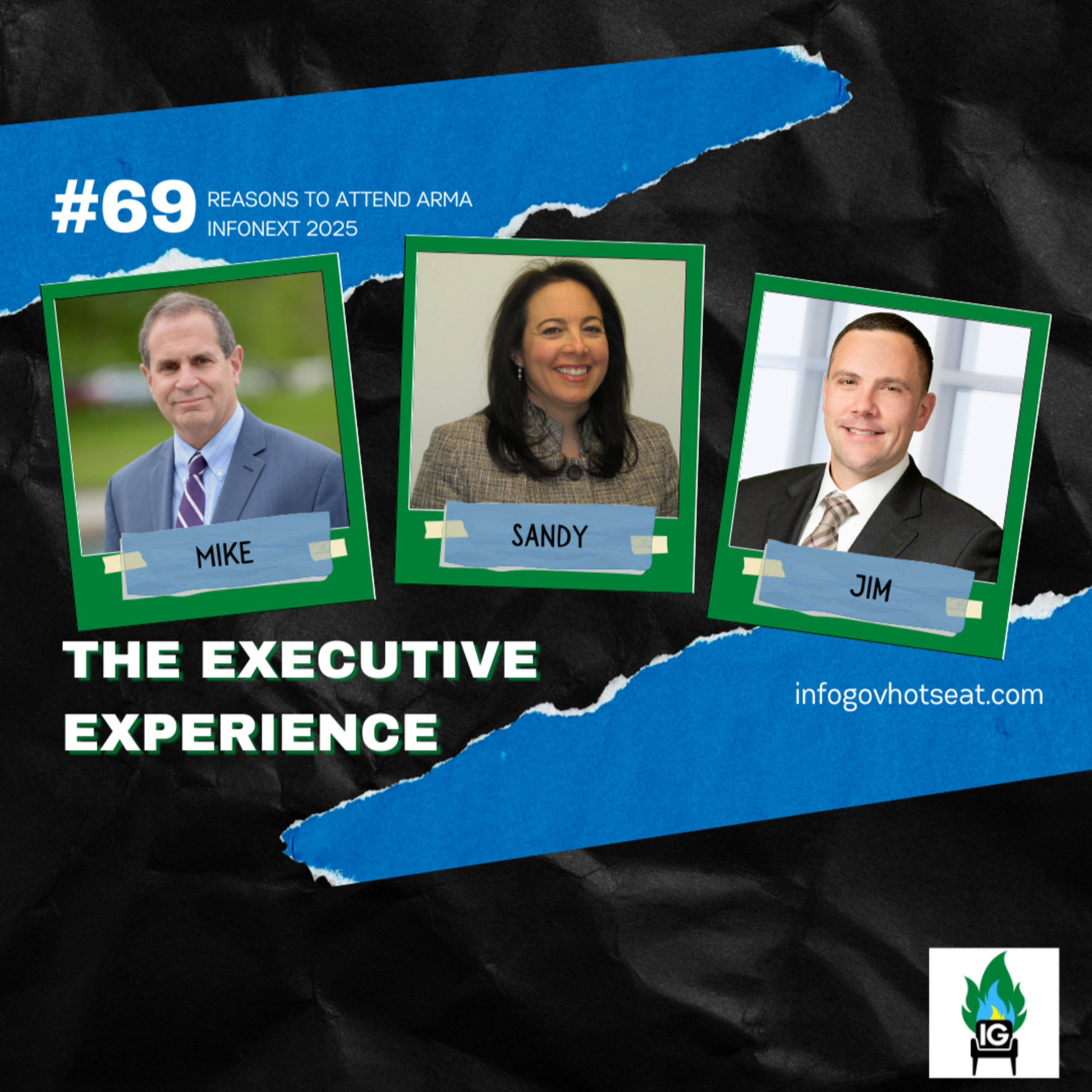
IGHS69 - Top Reasons to Attend InfoNext2025
In this episode of the Info Gov Hot Seat, host Jim Merrifield welcomes Sandy Serkes from Valora Technologies and Mike Salvarezza from ARMA to discuss the upcoming Infonext 2025 conference. They delve into the executive experience designed for senior-level professionals, the importance of AI adoption in information governance, and the diverse audience expected at the conference. The conversation highlights the need for information governance to evolve from a risk-averse mindset to one that embraces opportunities, particularly with the integration of AI. Attendees will also have the chance to participate in a workshop aimed at embedding information governance into organizational culture. The episode concludes with a discussion on the exciting agenda and the unique offerings of the conference, including a debate featuring an AI chatbot.
May 23, 2024Episode 2812 min
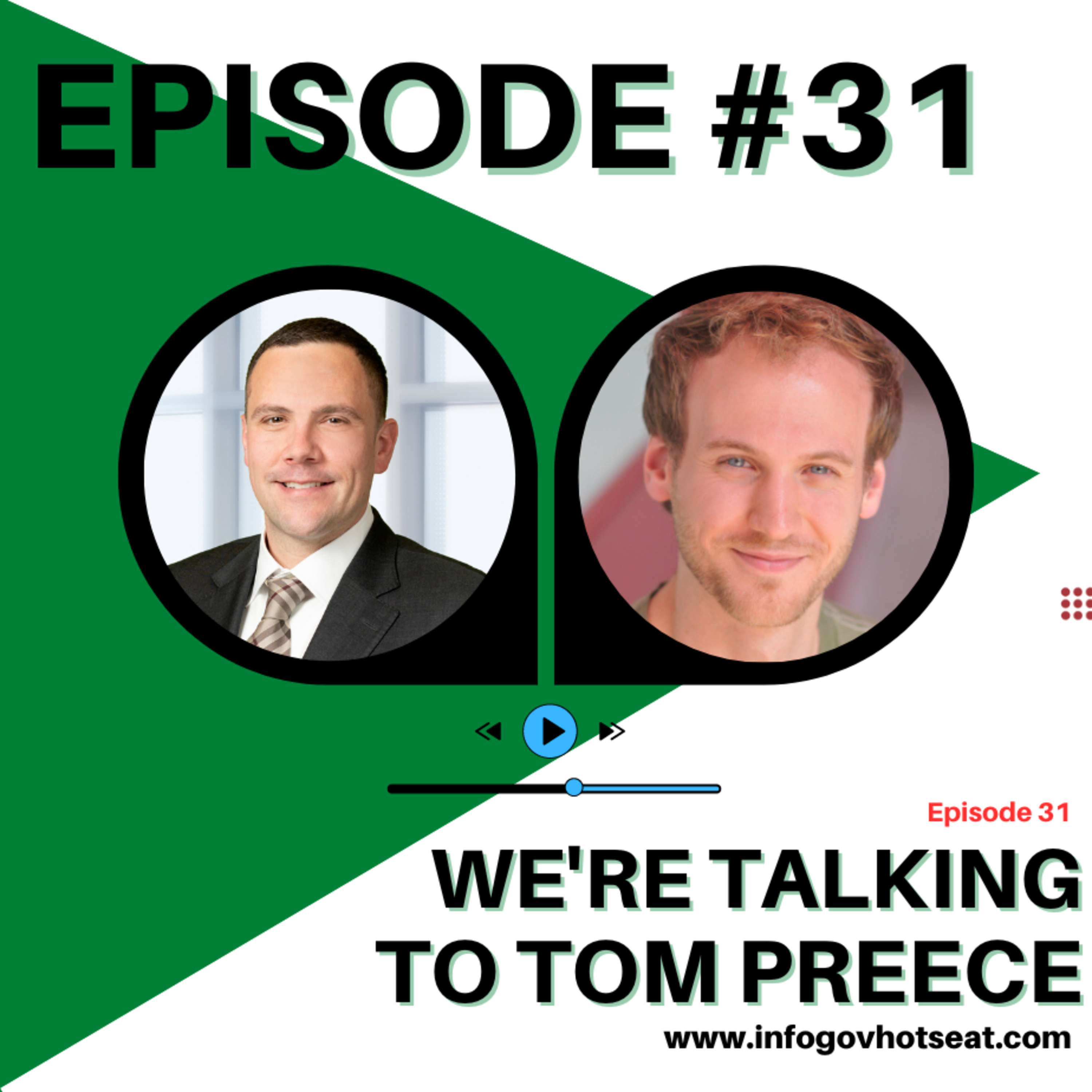
IGHS31 - Tom Preece, Rational Enterprise
Tom Preece, Director of Information Governance Solutions at Rational Enterprise, discusses how their solution ensures compliance with data protection regulations such as GDPR and CCPA. He explains the importance of knowing what data an organization has and why it's there, and how their tool allows organizations to interview the data itself to understand its purpose and origin. Preece also highlights the challenges organizations face in implementing effective information governance practices and how their software addresses these challenges. Additionally, he emphasizes the importance of data management in reducing the risk of data breaches and explains how their solution helps organizations improve their data management and ensure appropriate protections are in place.
July 3, 2024Episode 3614 min
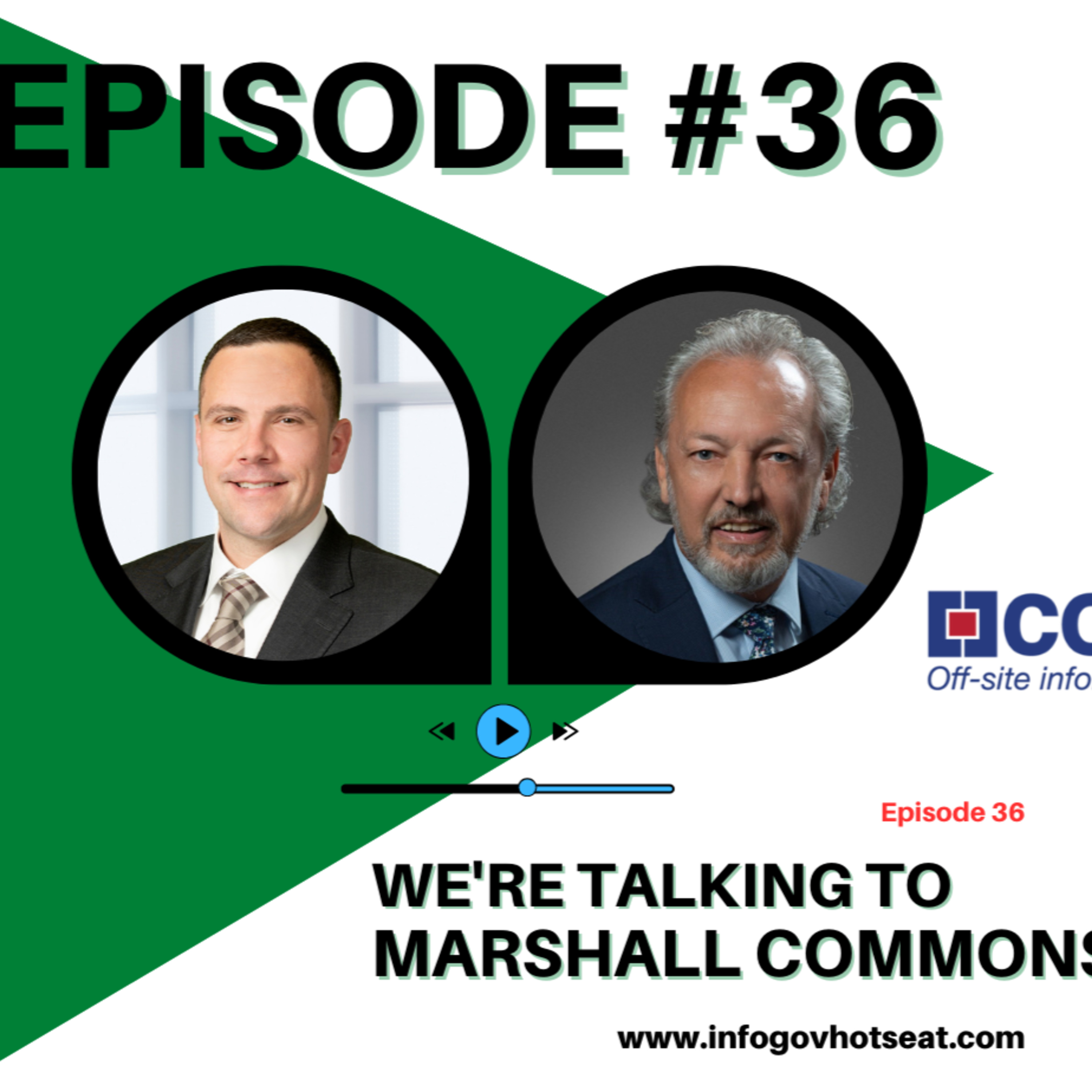
IGHS36 - The Role of ARMA in Marshall Commons' Journey
Marshall Commons, a sales professional at Corodata, shares his journey in the information governance and records management industry. He started in household goods sales but transitioned to record storage in 2008. Marshall got involved with ARMA and became a programs director, connecting with industry experts and organizing events. He later became a chair of the advisors and played a key role in organizing the ARMA Summer of California Conference. Marshall emphasizes the importance of volunteering and getting involved in ARMA to enhance one's experience and make a difference.
Is this your show?
Claim this listing to keep it up to date, reach guests who want to pitch you, and manage bookings with Guestify.