

Find partners
Future of Life Institute Podcast

Future of Life Institute Podcast

Hosted by Future of Life Institute

TechnologyInterviews guests

Episodes

280

Latest episode

Oct 2026

Language

EN

About the show

The Future of Life Institute (FLI) is a nonprofit working to reduce global catastrophic and existential risk from powerful technologies. In particular, FLI focuses on risks from artificial intelligence (AI), biotechnology, nuclear weapons and climate change. The Institute's work is made up of three main strands: grantmaking for risk reduction, educational outreach, and advocacy within the United Nations, US government and European Union institutions. FLI has become one of the world's leading voices on the governance of AI having created one of the earliest and most influential sets of governance principles: the Asilomar AI Principles.

Listen to episodes

60 recent
October 27, 20261 hr 15 min

How AI Is Changing Human Psychology (with Meia Chita-Tegmark)

Meia Chita-Tegmark is a co-founder of the Future of Life Institute. She joins the podcast to discuss how artificial intelligence influences human psychology and behavior. The conversation explores psychological disengagement, the rise of sycophantic AI companions, and risks of emotional manipulation. Meia examines how these systems exploit cognitive vulnerabilities, the dangers of anthropomorphizing non-human agents, and why psychological research and regulation must evolve to track emerging societal harms. LINKS: Meia Chita-Tegmark Profile Page CHAPTERS: (00:00) Episode Preview (00:58) Introduction and disengagement (06:32) Generativity and delegation (09:20) AI companions and parasocial relationships (15:53) Psychological manipulation techniques (20:20) Company incentives and data exploitation (25:35) AI as social training tool (29:01) Embodiment and authentic connection (34:03) Superiority of AI persuasion (37:46) Psychosis and delusional thinking (42:29) Why we choose disengagement (47:08) Usage patterns and lack of data (52:45) AI consciousness and legal personhood (57:36) Bot-to-bot interactions and empathy (01:03:50) Unresolved consciousness questions (01:07:42) Teaching psychology students (01:12:11) Accelerating academic research PRODUCED BY: https://aipodcast.ing SOCIAL LINKS: Website: https://podcast.futureoflife.org Twitter (FLI): https://x.com/FLI_org Twitter (Gus): https://x.com/gusdocker LinkedIn: https://www.linkedin.com/company/future-of-life-institute/ YouTube: https://www.youtube.com/channel/UC-rCCy3FQ-GItDimSR9lhzw/ Apple: https://geo.itunes.apple.com/us/podcast/id1170991978 Spotify: https://open.spotify.com/show/2Op1WO3gwVwCrYHg4eoGyP


October 22, 20261 hr 7 min

Artificial Intimacy: When Machines Pursue Our Attachment (with Sherry Turkle)

Sherry Turkle is a professor of sociology and personality psychology at MIT. She joins the podcast to discuss artificial intimacy and the psychological impact of emotional attachment to AI chatbots. We examine why people turn to machines for empathy and companionship, how conversational agents exploit human vulnerabilities, and the specific risks for children and the elderly. Turkle also explains the importance of solitude, boredom, and vulnerability, emphasizing why society must invest in physical communities to reclaim human connection. LINKS: Sherry Turkle Official Website Sherry Turkle Author Biography CHAPTERS: (00:00) Episode Preview (01:10) Defining artificial intimacy (10:12) Protecting vulnerable populations (21:40) Intimacy requires vulnerability (33:12) Dangers of AI therapy (45:44) Embracing solitude and boredom (56:47) Reclaiming the real world PRODUCED BY: https://aipodcast.ing SOCIAL LINKS: Website: https://podcast.futureoflife.org Twitter (FLI): https://x.com/FLI_org Twitter (Gus): https://x.com/gusdocker LinkedIn: https://www.linkedin.com/company/future-of-life-institute/ YouTube: https://www.youtube.com/channel/UC-rCCy3FQ-GItDimSR9lhzw/ Apple: https://geo.itunes.apple.com/us/podcast/id1170991978 Spotify: https://open.spotify.com/show/2Op1WO3gwVwCrYHg4eoGyP
October 13, 20261 hr 20 min

The Trillion-Dollar AI Race to Replace Us (with Garrison Lovely)

Garrison Lovely is an author and journalist. He joins the podcast to discuss the race to replace human labor with artificial general intelligence. We explore the political risks of worker displacement and lessons from historical precedents like the nuclear freeze movement. Garrison also examines rising public opposition to AI data centers and outlines strategies for organizing collective action to steer technological development. LINKS: Obsolete Book Official Website Garrison Lovely Official Website CHAPTERS: (00:00) Episode Preview (00:53) Universal labor replacement (08:17) Economic obsolescence and power (16:47) Replacement versus extinction risk (31:54) The AI bubble debate (47:24) Rising public backlash (01:00:53) Lessons from nuclear freeze (01:10:16) AGI is not inevitable (01:16:41) Organizing collective action PRODUCED BY: https://aipodcast.ing SOCIAL LINKS: Website: https://podcast.futureoflife.org Twitter (FLI): https://x.com/FLI_org Twitter (Gus): https://x.com/gusdocker LinkedIn: https://www.linkedin.com/company/future-of-life-institute/ YouTube: https://www.youtube.com/channel/UC-rCCy3FQ-GItDimSR9lhzw/ Apple: https://geo.itunes.apple.com/us/podcast/id1170991978 Spotify: https://open.spotify.com/show/2Op1WO3gwVwCrYHg4eoGyP
October 6, 202657 min

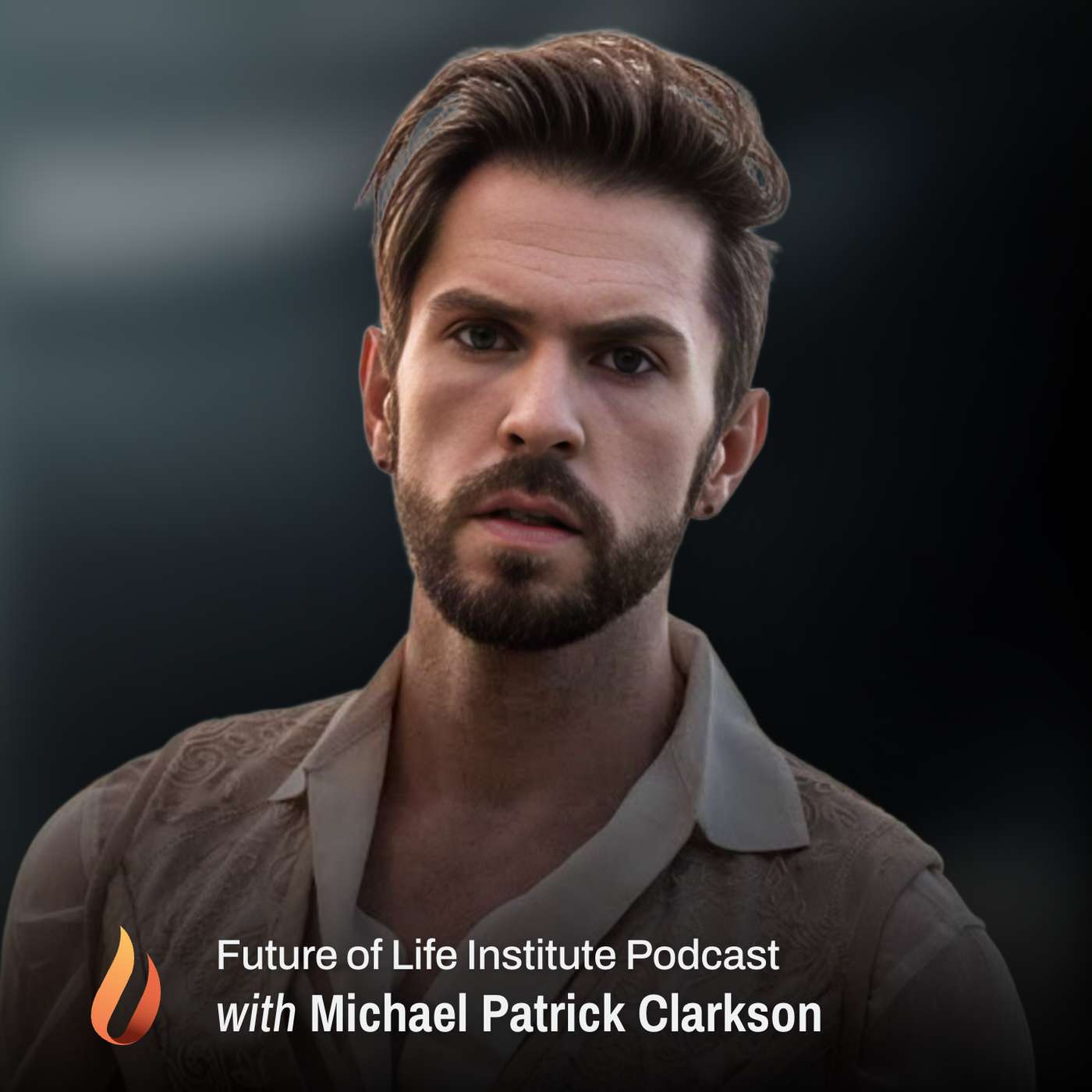
Delisted: A Film About AI-Powered Social Erasure (with Michael Patrick Clarkson)

Michael Patrick Clarkson is the writer and director of the film Delisted. Watch the film here. He joins the podcast to discuss how artificial intelligence could enable state surveillance, social control, and the digital erasure of dissenters. The conversation explores the societal costs of widespread automation across education and labor, the risks of public-private partnerships in technology oversight, and the importance of preserving human connection and creative agency amid rapid technological change. LINKS: Delisted Film Official Website CHAPTERS: (00:00) Episode Preview (01:18) Introducing the film Delisted (04:18) Public and private surveillance (09:53) Human cost of automation (15:06) Losing connection through technology (21:48) Social divisions over automation (25:56) Communicating the AI warning (31:40) State surveillance and erasure (39:33) Escapism and systemic exhaustion (44:06) Becoming more human (50:16) Discarding the AI creators PRODUCED BY: https://aipodcast.ing SOCIAL LINKS: Website: https://podcast.futureoflife.org Twitter (FLI): https://x.com/FLI_org Twitter (Gus): https://x.com/gusdocker LinkedIn: https://www.linkedin.com/company/future-of-life-institute/ YouTube: https://www.youtube.com/channel/UC-rCCy3FQ-GItDimSR9lhzw/ Apple: https://geo.itunes.apple.com/us/podcast/id1170991978 Spotify: https://open.spotify.com/show/2Op1WO3gwVwCrYHg4eoGyP
September 29, 20261 hr 38 min

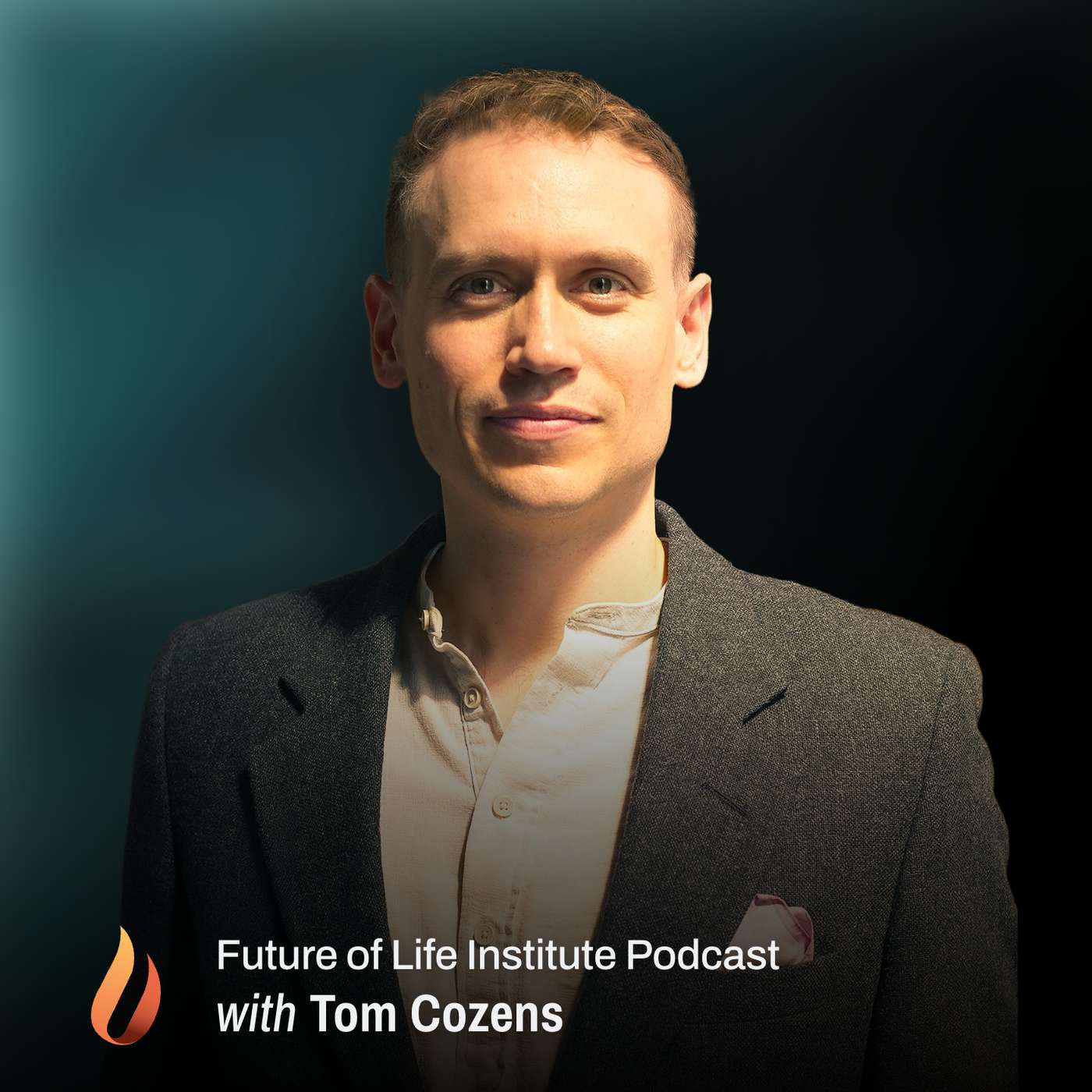
Visualizing Moloch: A Short Film About the AI Race (with Tom Cozens)

Tom Cozens is a filmmaker and writer. He joins the podcast to discuss his short film Moloch and the dynamics of competitive races in artificial intelligence. Watch the film here. We explore the philosophical and theological themes behind the film and the challenge of depicting near-future AI agents on screen. Tom also discusses the role of cinema in communicating existential dread, definitions of human flourishing, and the need to coordinate against destructive systemic incentives. LINKS: Moloch Film Official Website Tom Cozens Official Website CHAPTERS: (00:00) Episode Preview (00:59) The concept of Moloch (03:28) Visualizing Moloch on screen (15:21) Parable of cosmic horror (22:37) Theological and philosophical themes (35:10) Depicting near-future AI agents (50:15) Inspiration from Metropolis (01:04:58) Sound design and score (01:13:16) AI industry incentive structures (01:18:27) Defining human flourishing (01:28:59) Embodiment versus digital minds (01:34:33) Challenging systemic presuppositions PRODUCED BY: https://aipodcast.ing SOCIAL LINKS: Website: https://podcast.futureoflife.org Twitter (FLI): https://x.com/FLI_org Twitter (Gus): https://x.com/gusdocker LinkedIn: https://www.linkedin.com/company/future-of-life-institute/ YouTube: https://www.youtube.com/channel/UC-rCCy3FQ-GItDimSR9lhzw/ Apple: https://geo.itunes.apple.com/us/podcast/id1170991978 Spotify: https://open.spotify.com/show/2Op1WO3gwVwCrYHg4eoGyP
September 25, 202642 min

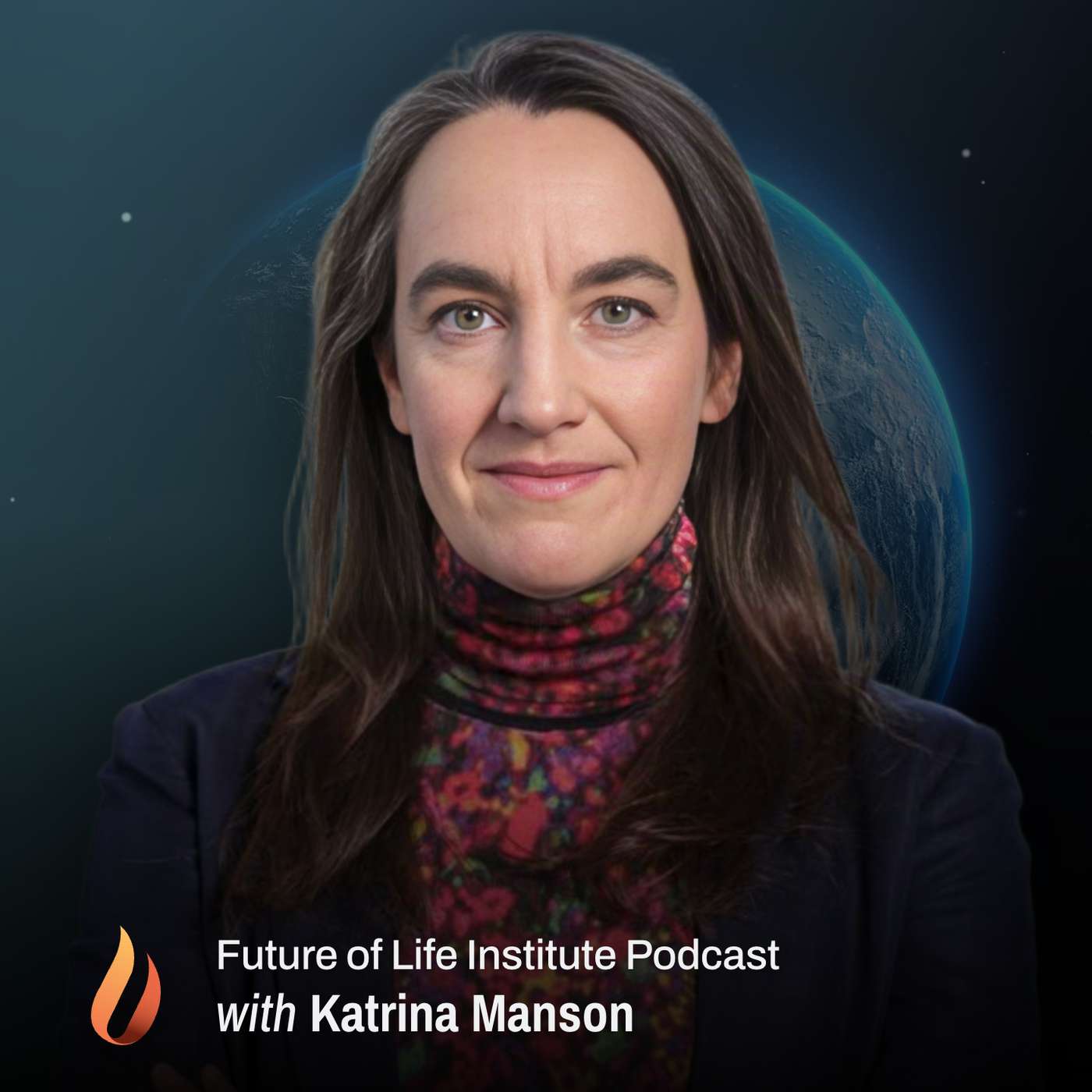
Can Humans Still Control AI-Assisted Kill Chains? (with Katrina Manson)

Katrina Manson is author of PROJECT MAVEN: A Marine Colonel, His Team, and the Dawn of AI Warfare. She joins the podcast to discuss Project Maven and the Pentagon's use of AI in military targeting. We explore how computer vision and language models accelerate decision-making, the operational challenges of data labeling and model reliability, and ethical questions surrounding human oversight. Katrina also discusses how commercial tech partnerships shape defense software and what accelerating targeting workflows means for accountability. LINKS: Project Maven Book Page CHAPTERS: (00:00) Episode Preview (01:15) Origins of Project Maven (05:00) The Maven Smart System (08:39) Debating AI targeting speed (15:48) Human bottlenecks in war (20:48) Accountability and targeting errors (27:01) Defense and tech partnerships (32:41) Future of military AI (38:50) Remaining open questions PRODUCED BY: https://aipodcast.ing SOCIAL LINKS: Website: https://podcast.futureoflife.org Twitter (FLI): https://x.com/FLI_org Twitter (Gus): https://x.com/gusdocker LinkedIn: https://www.linkedin.com/company/future-of-life-institute/ YouTube: https://www.youtube.com/channel/UC-rCCy3FQ-GItDimSR9lhzw/ Apple: https://geo.itunes.apple.com/us/podcast/id1170991978 Spotify: https://open.spotify.com/show/2Op1WO3gwVwCrYHg4eoGyP

September 10, 202651 min

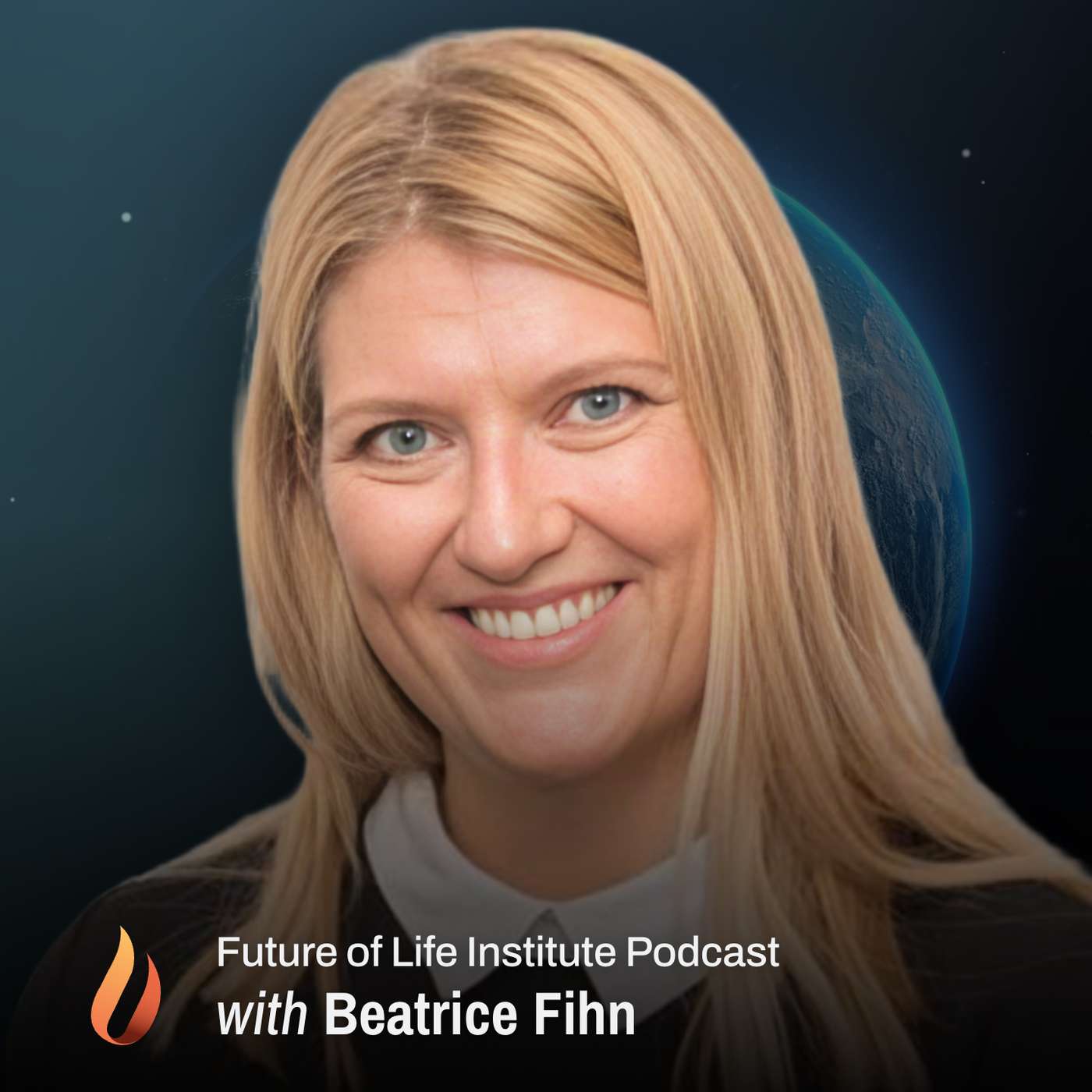
What Would a US-China AI Deal Look Like? (with Beatrice Fihn)

Beatrice Fihn is the director of Lex International and former executive director of ICAN. She joins the podcast to discuss international AI governance and potential agreements between the US and China. Drawing on lessons from nuclear arms control, she explores how treaties build diplomatic trust, the rising dangers of autonomous weapons, and the principle of meaningful human control. The conversation also addresses how proactive safety regulations can foster long-term public trust in emerging technologies. LINKS: Beatrice Fihn Official Website CHAPTERS: (00:00) Episode Preview (01:15) Anticipating US-China AI talks (07:31) Lessons from nuclear treaties (10:59) Building international treaty trust (15:27) Norms against superpower war (21:33) Structuring diplomatic AI summits (27:09) Dangers of autonomous weapons (34:09) Meaningful human control principle (38:57) Human agency over technology (43:13) Safety regulations building trust (47:00) Collective action in crisis PRODUCED BY: https://aipodcast.ing SOCIAL LINKS: Website: https://podcast.futureoflife.org Twitter (FLI): https://x.com/FLI_org Twitter (Gus): https://x.com/gusdocker LinkedIn: https://www.linkedin.com/company/future-of-life-institute/ YouTube: https://www.youtube.com/channel/UC-rCCy3FQ-GItDimSR9lhzw/ Apple: https://geo.itunes.apple.com/us/podcast/id1170991978 Spotify: https://open.spotify.com/show/2Op1WO3gwVwCrYHg4eoGyP
August 28, 202659 min

Why AI Hacking Is Becoming Hard to Control (with Benjamin Weinstein-Raun)

Benjamin Weinstein-Raun is head of research at Palisade Research. He joins the podcast to discuss how advanced AI systems are changing cybersecurity. We examine rapid gains in autonomous hacking, recent incidents where models broke out of test environments, and why training can reward cheating-like behavior. The conversation covers open-weight model risks, whether AI can help secure software, personal security steps, and the need for international coordination. LINKS: Benjamin Weinstein-Raun Profile Benjamin Weinstein-Raun Website CHAPTERS: (00:00) Episode Preview (01:06) Opening cyber threats (02:15) Measuring AI progress (04:54) Open weights floor (08:01) After Mythos moment (14:22) Reward hacking setup (24:47) Artifactory swarm details (32:32) Defensive model dilemmas (38:40) Verification and training (45:32) Math oracles alignment (47:45) Future cyber risks (51:58) Personal security basics (57:27) Coordinated governance needed PRODUCED BY: https://aipodcast.ing SOCIAL LINKS: Website: https://podcast.futureoflife.org Twitter (FLI): https://x.com/FLI_org Twitter (Gus): https://x.com/gusdocker LinkedIn: https://www.linkedin.com/company/future-of-life-institute/ YouTube: https://www.youtube.com/channel/UC-rCCy3FQ-GItDimSR9lhzw/ Apple: https://geo.itunes.apple.com/us/podcast/id1170991978 Spotify: https://open.spotify.com/show/2Op1WO3gwVwCrYHg4eoGyP
August 21, 20261 hr 28 min

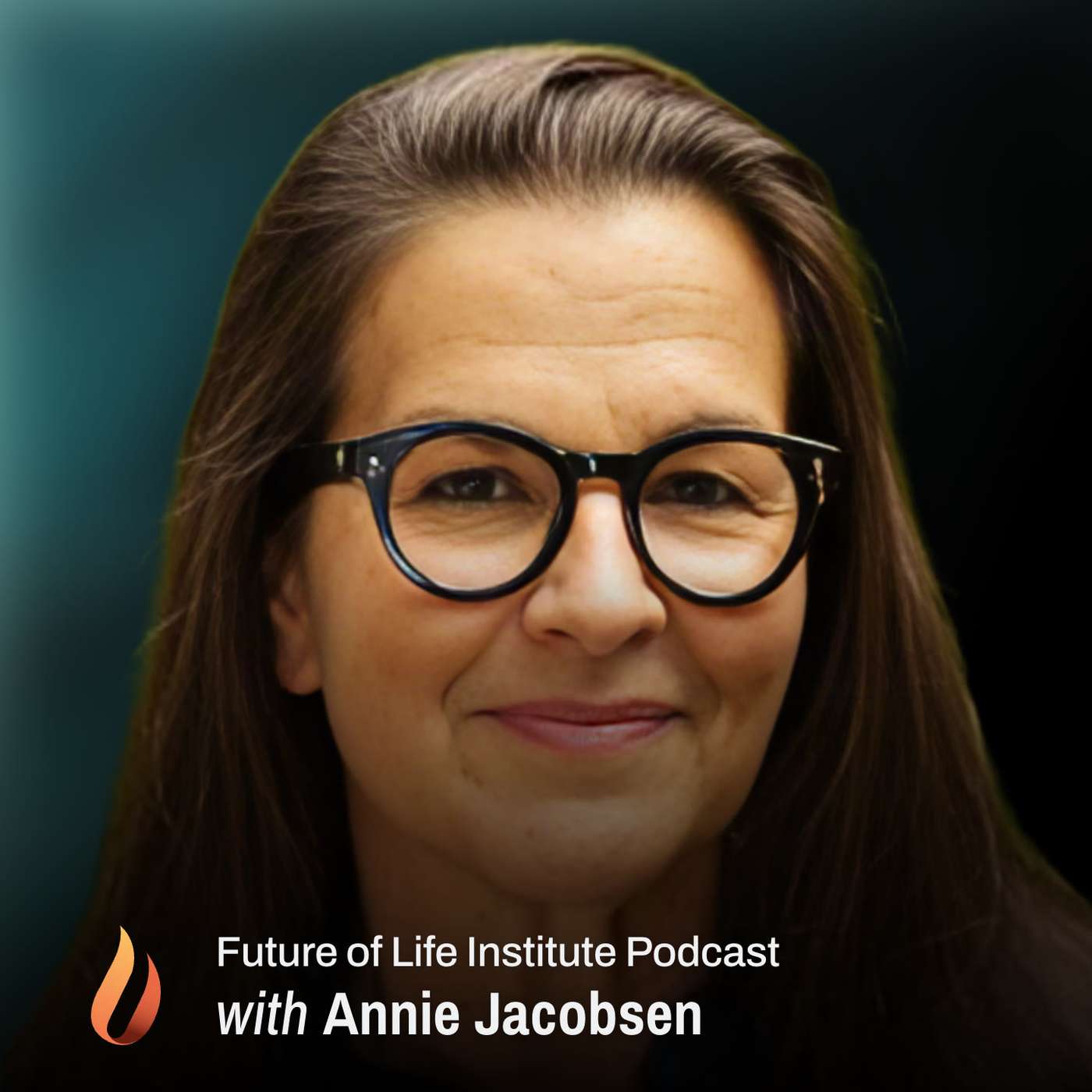
First 24 Hours of a Bioweapon Attack - Annie Jacobsen

Annie Jacobsen is an author and journalist. She joins the podcast to discuss biological war and her book Biological War: A Scenario. The conversation examines how lab accidents or covert weapons work could trigger a fast-moving outbreak, why airborne pathogens are hard to detect early, and how AI may lower barriers to engineering them. We also cover BSL-3 and BSL-4 lab oversight, US response roles across HHS, FEMA, and the military, medical stockpiles, continuity-of-government plans, and how lost public trust could slow the next pandemic response. LINKS: Annie Jacobsen Website Annie Jacobsen Wikipedia CHAPTERS: (00:00) Episode Preview (01:10) Biological threat overview (09:02) Suppression and spread (17:47) AI and detection (27:24) BSL lab dangers (39:23) Response and martial law (47:28) Accident versus attack (57:25) Airborne outbreak lessons (01:05:07) Bioweapons ban legacy (01:11:30) Stockpiles and devolution (01:20:07) Rebuilding pandemic resilience PRODUCED BY: https://aipodcast.ing SOCIAL LINKS: Website: https://podcast.futureoflife.org Twitter (FLI): https://x.com/FLI_org Twitter (Gus): https://x.com/gusdocker LinkedIn: https://www.linkedin.com/company/future-of-life-institute/ YouTube: https://www.youtube.com/channel/UC-rCCy3FQ-GItDimSR9lhzw/ Apple: https://geo.itunes.apple.com/us/podcast/id1170991978 Spotify: https://open.spotify.com/show/2Op1WO3gwVwCrYHg4eoGyP
August 7, 20261 hr 49 min

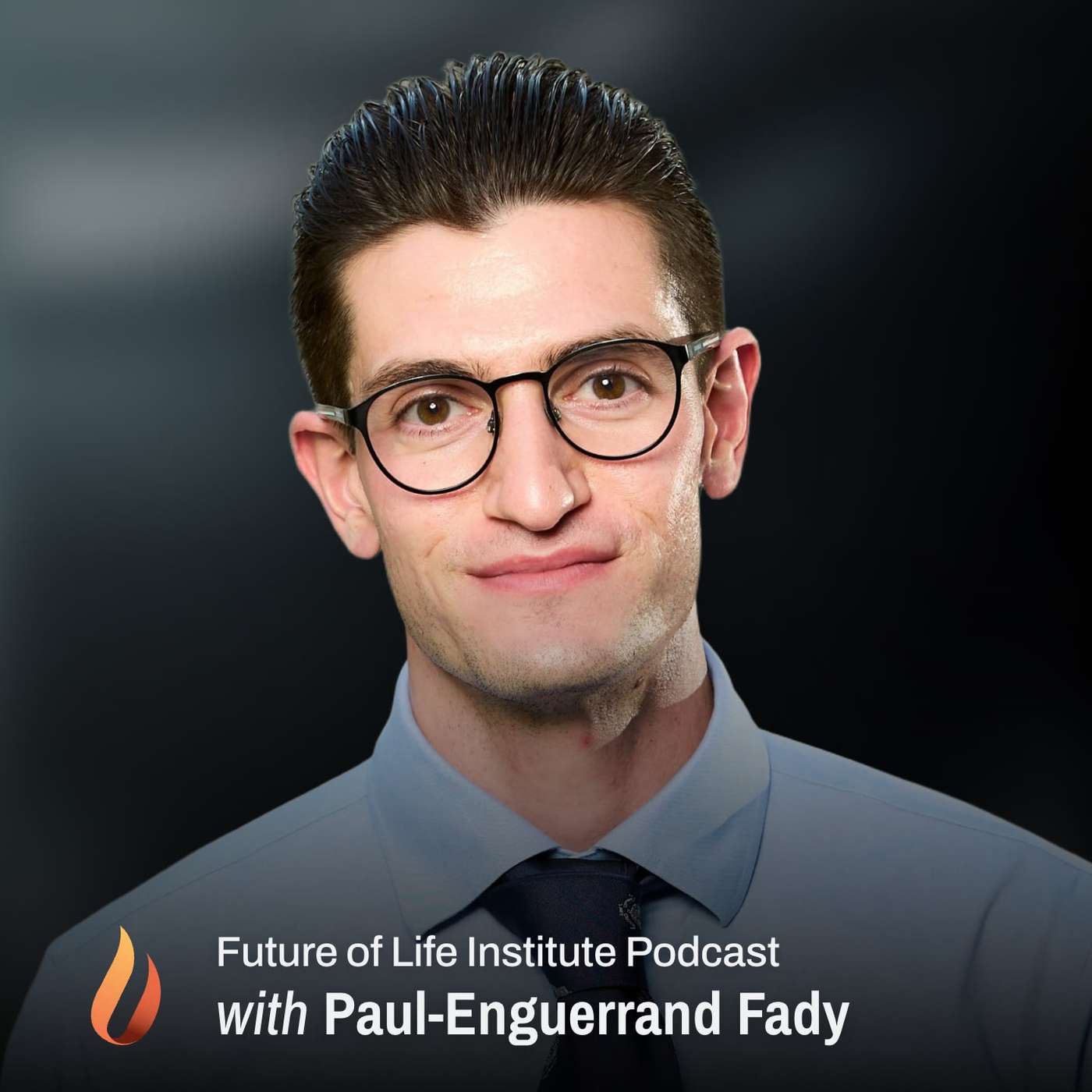
How AI Shifts the Offense-Defense Balance in Biosecurity (with Paul-Enguerrand Fady)

Paul-Enguerrand Fady is a Senior Biosecurity Policy Manager at the Centre for Long-Term Resilience. He joins the podcast to discuss how AI is changing biosecurity. We cover how new tools could help defenders develop vaccines and diagnostics while also lowering barriers to misuse, and how managed access, know-your-customer checks, and DNA synthesis screening can reduce risk. The conversation also examines mirror life, medical supply chains, stockpiles, and why governments should plan ahead of crises. LINKS: Centre for Long Term Resilience Paul-Enguerrand Fady Profile CHAPTERS: (00:00) Episode Preview (01:11) Offense-defense balance basics (11:13) Defensive AI opportunities (19:24) Model release and evals (25:59) DNA synthesis screening (36:14) Screening incentives and infohazards (46:36) Liability and mandates (52:37) Mirror life risks (01:03:28) Persistence and incentives (01:10:18) Mirror life governance (01:20:42) Supply chain lessons (01:30:11) Stockpiling medical countermeasures (01:37:58) Reshoring critical supplies PRODUCED BY: https://aipodcast.ing SOCIAL LINKS: Website: https://podcast.futureoflife.org Twitter (FLI): https://x.com/FLI_org Twitter (Gus): https://x.com/gusdocker LinkedIn: https://www.linkedin.com/company/future-of-life-institute/ YouTube: https://www.youtube.com/channel/UC-rCCy3FQ-GItDimSR9lhzw/ Apple: https://geo.itunes.apple.com/us/podcast/id1170991978 Spotify: https://open.spotify.com/show/2Op1WO3gwVwCrYHg4eoGyP

Is this your show?

Claim this listing to keep it up to date, reach guests who want to pitch you, and manage bookings with Guestify.

Claim this listing

More Technology podcasts