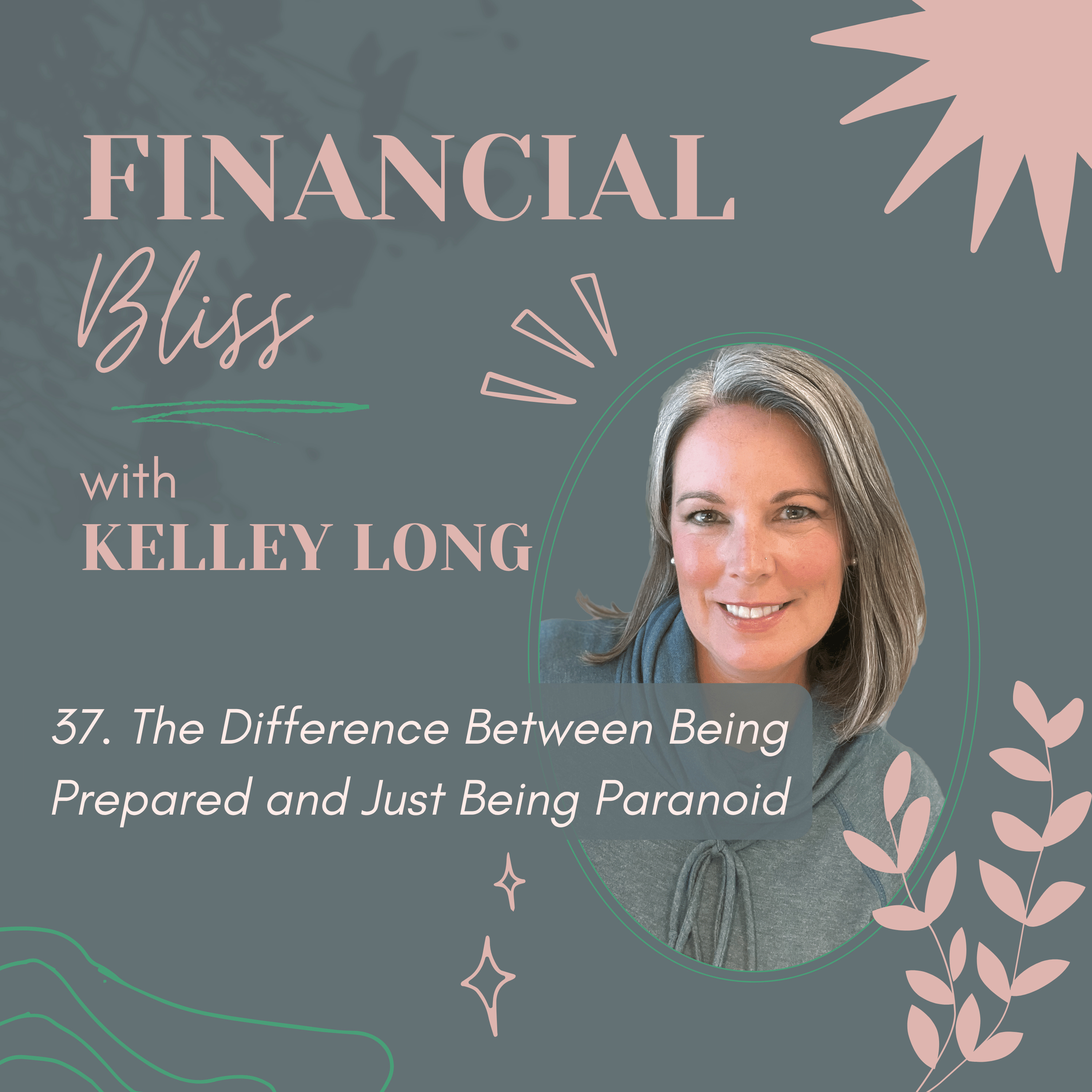
The Difference Between Being Prepared and Just Being Paranoid - E37
Kelley explores how to prepare financially and emotionally for climate uncertainty without allowing fear, doomscrolling, or an obsession with control to take over. Using forecasts of unusually disruptive weather as a starting point, she argues that genuine preparedness is not about predicting every possible disaster or buying every emergency product—it is about strengthening the financial and psychological resilience that allows you to respond when circumstances change. Kelley shares practical strategies for building that resilience, including protecting your cash reserves, understanding what your insurance actually covers, making flexible travel plans, maintaining reasonable emergency supplies, and resisting the temptation to overspend in the name of preparedness. She also examines the mental side of uncertainty, explaining how algorithms can amplify frightening content, how perfectionism can become a response to feeling powerless, and why deliberately managing what receives your attention can help prevent anxiety from spiraling. Drawing on her own experience learning to release her attachment to plans going exactly as expected, Kelley makes the case that flexibility itself is a skill that can be practiced through everyday disruptions before a genuine crisis arrives. Ultimately, she encourages listeners to replace rumination with practical action, prepare for what they reasonably can, and build confidence from the knowledge that resilience is not the ability to prevent difficult things from happening—it is the ability to adapt, make informed decisions, and keep moving when they do. Key Takeaways: • Financial preparedness and emotional resilience are closely connected when dealing with uncertainty. • Focus your attention on what you can control rather than exhausting yourself trying to manage circumstances you cannot. • Building or protecting an emergency reserve can reduce both the financial and emotional stress associated with an unexpected event. • Travel insurance can help in some circumstances, but it should not automatically be assumed to cover every weather-related disruption. • No amount of financial planning can completely eliminate uncertainty from life. • The goal of preparedness is not to guarantee that nothing bad happens; it is to have enough financial resources, flexibility, and resilience to respond effectively when something does. Key Timestamps: (02:06) – Self-Awareness, Control, and the Algorithm (09:39) – #1: Be Prepared, but Don’t Go Overboard (11:33) – #2: Build Up or Protect Your Cash Reserve (12:50) – #3: Check Your Insurance (14:26) – #4: Be Mindful of Your Travel Plans (16:06) – #5: Be Flexible (22:58) – #6: Foster Your Confidence and Resilience Key Topics Discussed: Kelley Long, Financial Bliss, Money Mindset, Financial Psychology, Money Psychology, Behavioral Finance, Financial Anxiety, Money Stress, Wealth Mindset, Healthy Relationship With Money, Financial Habits, Money Beliefs, Financial Decision Making, Spending Habits, Saving Habits, Investing Psychology, Financial Confidence, Financial Wellness, Wealth Building, Personal Finance, Financial Planning, Retirement Planning, Financial Independence, Financial Goals, Money and Happiness, Money and Relationships, Scarcity Mindset, Abundance Mindset, Fear of Spending, Fear of Investing, Financial Avoidance, Lifestyle Inflation, Financial Freedom, Values-Based Financial Planning More of Financial Bliss: Get Your Copy of My Book: https://www.google.com/url?q=http://financialblisscoach.com/book&sa=D&source=docs&ust=1787278536772124&usg=AOvVaw3Vv2EfFMi0OktlKwJf2C9T