Farmers Have Until December To Join In Deere’s Class Action Settlement. Here Are Their Options.
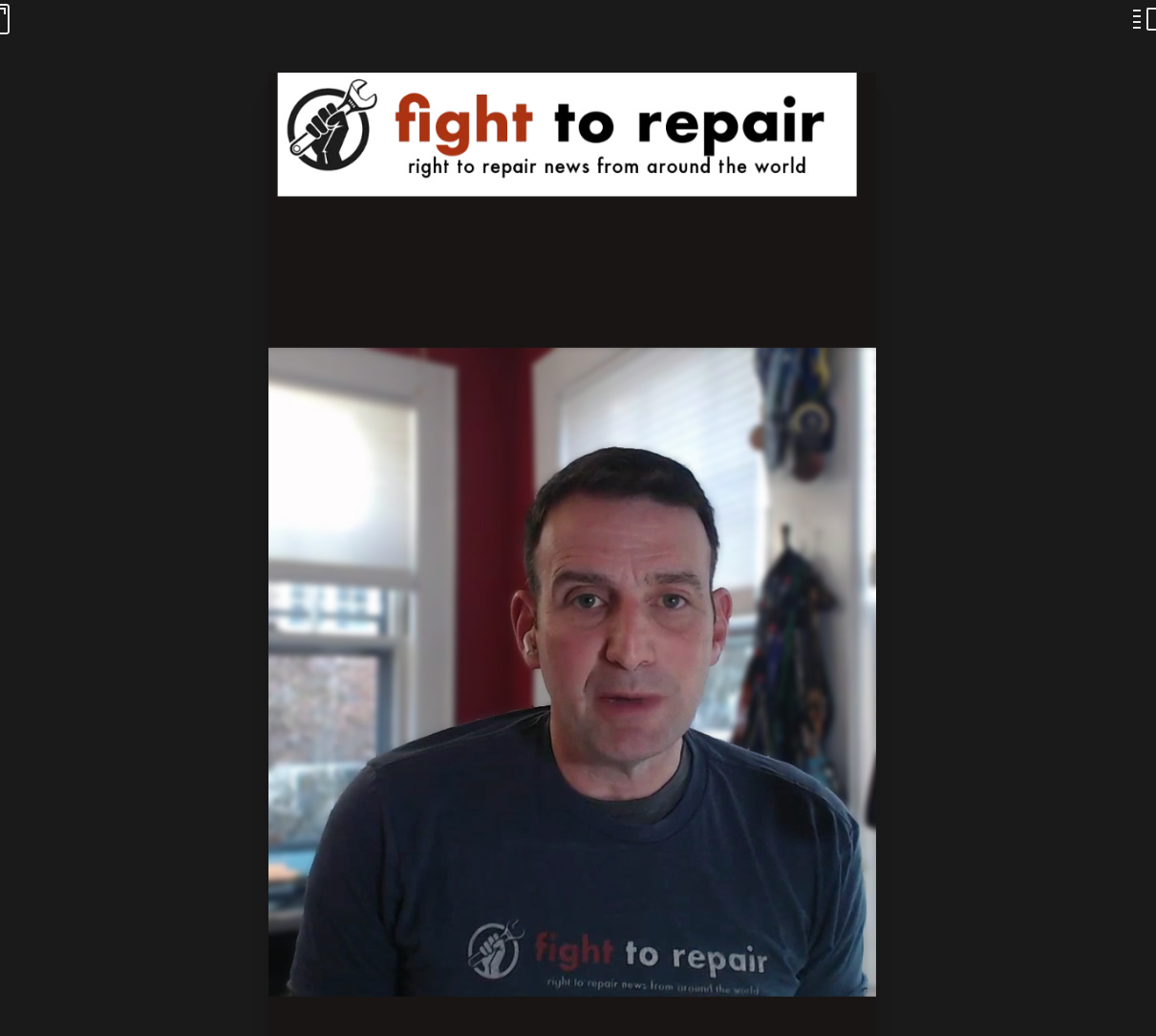
Farmers covered by the proposed John Deere repair class-action settlement are receiving notices from attorneys explaining what happens next in the long-running class action lawsuit. Willie Cade of The Repair Association has a message for them: saying “NO!” may be your best option. In this new video for Fight To Repair News, Cade - a noted advocate for the rights of farmers - walks through the choices farmers who are part of the class action suit face under the settlement. He argues that the decision is about more than whatever check might eventually arrive in the mail. According to the settlement website, the class covered by the settlement includes any customers who purchased repair services for John Deere large agricultural equipment through Deere’s authorized dealers in the United States between Jan. 10, 2018 and May 18, 2026. The payments reflect the “anticompetitive harm” suffered by each member of the class. According to Cade, farmers have four choices of what to do: * Nothing ¯\_(ツ)_/¯ * Submit a claim * Submit a claim while objecting to the settlement ; or * Opt out by communicating a clear “No” to the settlement officials and judge overseeing the case. That last option might seem unnecessary, given Option 1. But formally saying “No” matters because opting out preserves a farmer’s ability to pursue their own claims against Deere rather than being bound by the terms of the settlement, which rule out any subsequent claims against Deere for anticompetitive practices related to repair, data harvesting and so on. And Cade thinks farmers should take a hard look at the math before deciding. They’ll see that the cost of saying “No” is … small. He says the settlement fund totals roughly $99 million, with as much as $45 million potentially going to attorneys and another $6 million toward administering claims. Whatever remains would be divided among farmers who actually submit claims, with payments tied to recorded dealer labor. Should all 200,000 class members sign on, that would mean an average payout of just $250 per member. Even if a much smaller percentage of class members sign on - say 25% (50,000 farmers)- each with an average farm sized at a bit under 500 acres , the average settlement amount would be just $1,000 or $2/acre. In other words, Cade estimates the recovery at roughly three ears of corn per acre - a drop in the hat for farmers who might have paid for an hour of dealer labor per acre farmed over the 8+ year period covered by the settlement Cade is careful to note that he isn’t a lawyer, and he isn’t pretending opting out is cost-free. His larger point is simpler: farmers have agency here. The Deere repair fight has always been about who controls the equipment farmers own and who gets to decide how it can be repaired. Cade argues that farmers should judge this settlement against that larger fight — not simply accept it because a notice arrived in the mail. “Take a look and see if this settlement is really of service to you and to the industry and to farmers in general,” Cade says. “And if it’s not, go ahead and opt out. Make a statement.” For farmers who spent years dealing with restricted repair, the settlement notice isn’t just paperwork. It’s a decision. This is a public episode. If you'd like to discuss this with other subscribers or get access to bonus episodes, visit fighttorepair.substack.com/subscribe