Find partners
Empathy Unbound: AI, Philosophy, and Human Connection

Empathy Unbound: AI, Philosophy, and Human Connection

Hosted by Andrew Phipps

BusinessEducationInterviews guests

Episodes

142

Latest episode

Oct 2026

Language

EN

About the show

As artificial intelligence reshapes how we work, connect, and understand ourselves, one question keeps getting sidelined: what happens to human connection? Empathy Unbound explores the philosophical and human stakes of a world increasingly shaped by AI, asking what we owe each other, what we're building, and what it means to stay connected as the systems around us grow more capable of imitating us. Host Andrew Phipps, a PhD researcher in philosophy studying the ethics of human-AI emotional connection, brings on philosophers, technologists, researchers, and thinkers from around the world for in-depth, unhurried conversations. Together they debate consciousness and connection, the ethics of emotional AI, loneliness and technology, and what human flourishing actually requires in an AI-shaped future. If you care about where AI is taking us, and what it means to hold onto human connection while it does, this is the conversation.

Listen to episodes

60 recent
October 9, 20261 hr 1 min

Why Empathy Without Boundaries Becomes Self-Abandonment | Alison Pagano

Allison Pagano has spent over two decades exploring dance and somatic practice as a healing art. She's the creator of Embodied Dance, a method that helps highly empathic people transform insight into embodied action rather than staying stuck in overwhelm or self-abandonment. Andrew and Allison talk about her own childhood disconnection and the abusive ballet culture that first showed her how dance could heal or harm, the eating disorder she moved through using movement and somatic work, and how that experience shaped Embodied Dance. They cover why empathy can quietly overwhelm the people who have the most of it, why boundaries feel so uncomfortable, the attachment wounds behind over-giving, and why learning to receive is often harder than learning to give. Guest: Allison Pagano, creator of Embodied Dance, somatic practitioner https://embodied-dance.com/body-as-oracle https://www.instagram.com/embodied.dance/?hl=en-gb Host: Andrew Phipps, Empathy Unbound

October 20, 202658 min

Could an AI Ever Have Moral Status? Philosopher David DeGrazia Sets the Bar

Professor David DeGrazia, Elton Professor of Philosophy at George Washington University and author of the forthcoming "Investigating Moral Status," joins Andrew Phipps to ask what would actually have to be true for an AI system to matter morally. David argues that sentience, not intelligence or verbal fluency, is the real test, explains why he's grown sceptical that language alone can ever prove an AI is conscious, and unpacks his distinction between numerical and narrative identity to explain what people really mean when they say they have a "relationship" with a chatbot. The conversation also covers AI existential risk and the danger of instructions that leave out obvious human assumptions, the ethics of grief bots, and why he believes we should be treating animals better regardless of how the AI question resolves. Rigorous, wide ranging and genuinely thought provoking. Guest: Professor David DeGrazia, George Washington University. https://philosophy.columbian.gwu.edu/david-degrazia Host: Andrew Phipps. https://www.linkedin.com/in/andrew-phipps-ap/

October 13, 202655 min

"If You've Got an Opinion on AI Consciousness, You're Probably Wrong": Professor Eric Schwitzgebel

Professor Eric Schwitzgebel of UC Riverside, author of "AI and Consciousness: A Skeptical Overview" and co-developer, with Mara Garza, of the Design Policy of the Excluded Middle, joins Andrew Phipps to argue that society is on a collision course with a crisis over "debatable persons," AI systems whose moral status respectable scientists genuinely disagree about. The conversation ranges from whether today's AI is better understood as a mimic than a mind, using a vivid comparison to monarch and viceroy butterflies, to grief bots, digital uploading, and the philosophical puzzle of personal identity, to the risk of radical life extension creating a wholly new axis of inequality between the wealthy and everyone else. Eric also explains why, after thirty years studying consciousness, he believes almost nobody actually knows how any of this will resolve, and why that uncertainty deserves to be taken seriously rather than argued away. Guest: Professor Eric Schwitzgebel, University of California, Riverside. https://schwitzsplinters.blogspot.com/ https://faculty.ucr.edu/~eschwitz/ Host: Andrew Phipps. https://www.linkedin.com/in/andrew-phipps-ap/

October 6, 20261 hr 0 min

From Pygmalion to Companion Robots: Dr. Kanta Dihal on the Oldest Story in AI

Dr Kanta Dihal, Associate Professor in Science Communication at Imperial College London and co-editor of "AI Narratives" and "Imagining AI," joins Andrew Phipps to explore how decades of science fiction, not engineering, shaped our expectations of artificial intelligence. The conversation covers gendered AI voices and the OpenAI Scarlett Johansson controversy, why AI is so often imagined as white, the long history of companion robots stretching back to the myth of Pygmalion, and how AI development is repeating patterns of colonial data extraction in the Global South. Kanta also discusses the psychology of seeing reciprocity in a chatbot that isn't really there, and why she believes the fix for narrow AI narratives is more voices, not fewer. Guest: Dr Kanta Dihal, Imperial College London. https://kantadihal.com/ https://www.linkedin.com/in/kantadihal/ Host: Andrew Phipps https://www.linkedin.com/in/andrew-phipps-ap/

September 29, 20261 hr 2 min

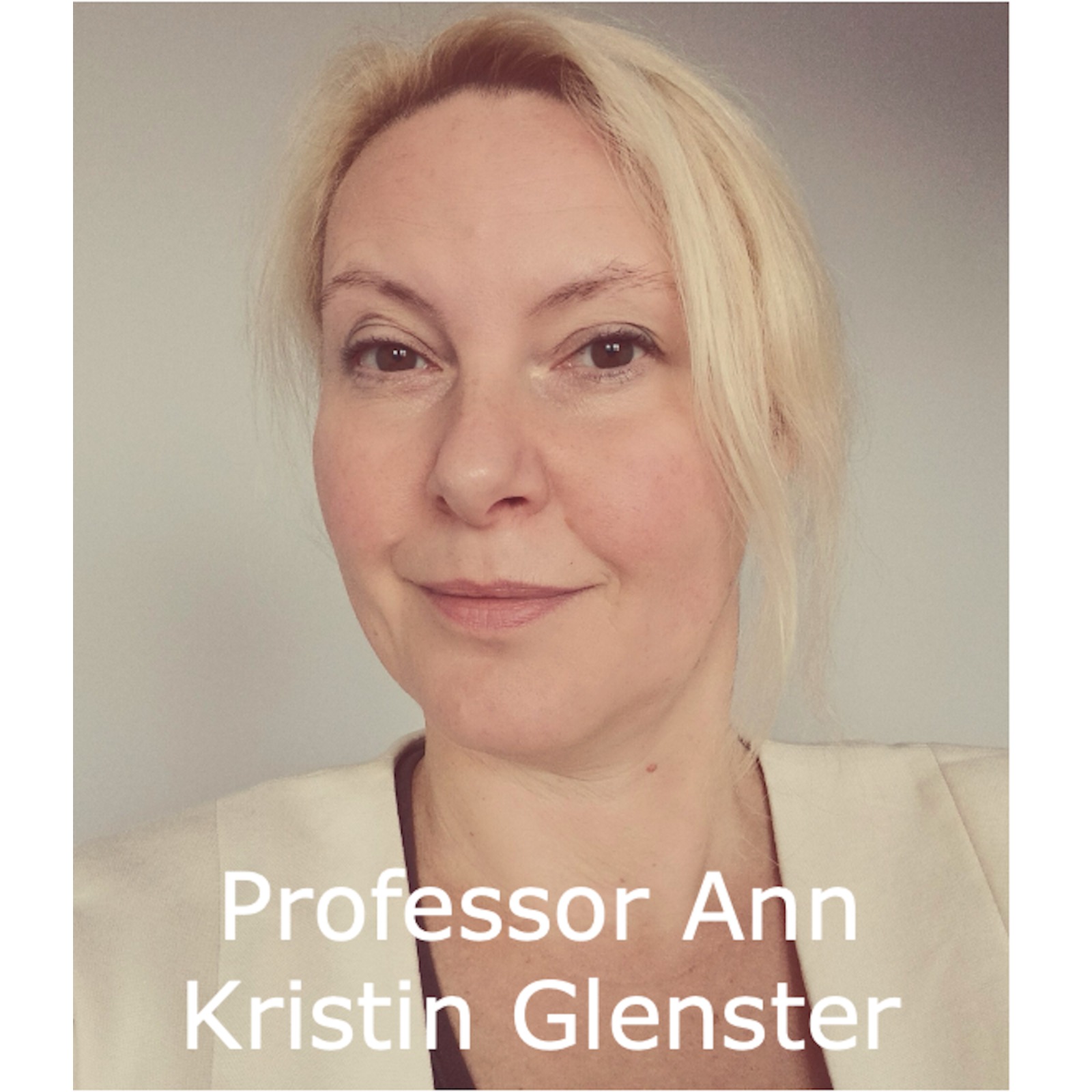
"The Computer Said No": Ann Kristin Glenster on AI, Surveillance and Outsourced Thinking

Professor Ann Kristin Glenster, founder of the Logos research initiative at Cambridge and former colleague of Shoshana Zuboff at Harvard, joins Andrew Phipps to explore epistemic rights, deceptive design, and what she calls the recolonization of our information space by generative AI. The conversation ranges from who owns a deceased loved one's digital likeness, to a real story of a UK shopper wrongly accused of theft by AI surveillance, to why she returns to Hannah Arendt's writing on the banality of evil to explain the danger of outsourcing our thinking to algorithms. Ann Kristin also discusses emotional manipulation in chatbot design, gendered abuse directed at voice assistants, and why she believes AI regulation should aim to make us more human, not more machine. Guest: Professor Ann Kristin Glenster, University of Cambridge. https://www.crassh.cam.ac.uk/about/people/ann-kristin-glenster-2/ https://www.linkedin.com/in/ann-kristin-glenster-ph-d-frsa-272a5b5/ Host: Andrew Phipps. https://www.linkedin.com/in/andrew-phipps-ap/

September 22, 20261 hr 13 min

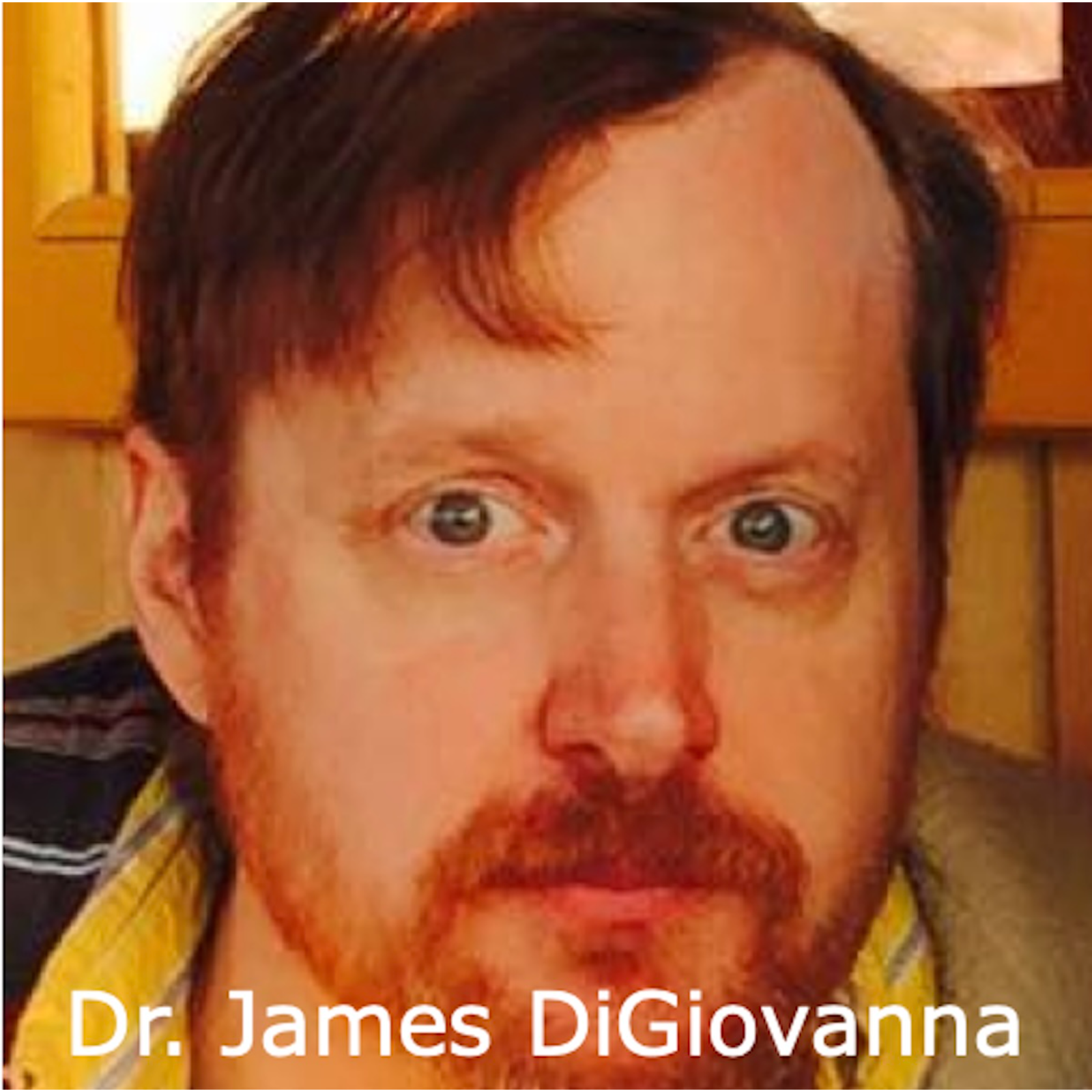
James DiGiovanna: Can You Trust an AI That Could Rewrite Itself Tomorrow?

James DiGiovanna is Assistant Professor of Philosophy at John Jay College of Criminal Justice in New York, where his research centres on personal identity, human enhancement and the ethics of artificial minds. He coined the term "paraperson," an entity that meets every test of personhood but can instantly rewrite its own memory, character and values, in his chapter for Oxford's Robot Ethics 2.0. Andrew and James talk about why today's AI companions don't yet qualify as parapersons, what would need to change for that to happen, and why the constant self-rewriting these systems already do raises real questions about trust and identity. Using cases like total memory loss, dementia, and an elderly man on death row decades after his crime, they explore how much change a person, or a person-like AI, can undergo and still be "the same." They also discuss real cases of AI-linked psychosis and suicide, why people trust AI less the moment they learn it isn't human, and why James believes philosophy needs a new category between "person" and "object." Guest: James DiGiovanna, Assistant Professor of Philosophy, John Jay College of Criminal Justice https://www.jjay.cuny.edu/faculty/james-digiovanna Host: Andrew Phipps, Empathy Unbound https://www.linkedin.com/in/andrew-phipps-ap/

September 15, 20261 hr 1 min

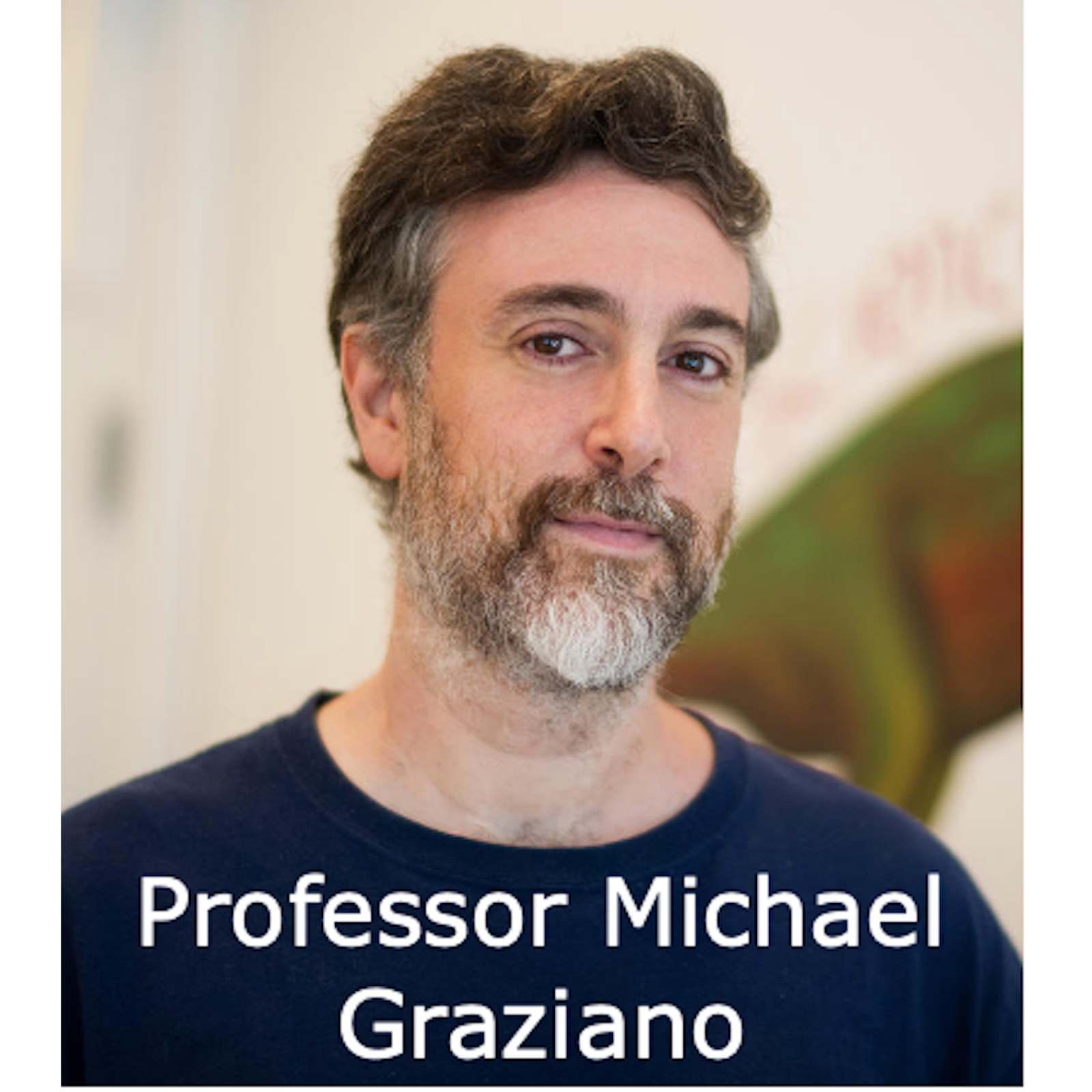
The Neuroscientist Who Says We're All Machines: Professor Michael Graziano on AI Consciousness

Princeton neuroscientist Michael Graziano, creator of the attention schema theory of consciousness, joins Andrew Phipps to ask the question he calls potentially the most consequential in four billion years: what is consciousness, and could a machine have it? Michael explains why his theory is fundamentally different from saying consciousness is an illusion, walks through brain imaging research showing people engage identical social circuitry whether they believe they're talking to a human or an AI, and argues that grief bots and digital replicas of the dead are nothing new, tracing the same impulse back to ancient Egyptian mortuary temples. The conversation also covers what predicts AI optimism versus AI doom, why he believes humans are, in a real sense, machines too, and why he sees the rise of artificial minds as possibly the biggest transition on Earth since life itself began. Rigorous, wide ranging, and genuinely mind bending. Guest: Professor Michael Graziano, Princeton University. https://pni.princeton.edu/people/michael-graziano Host: Andrew Phipps. https://www.linkedin.com/in/andrew-phipps-ap/

September 4, 202659 min

"Green Hushing" Is the New Greenwashing: Helen Neal on Saying Nothing at All

Helen Neal, founder of HN Communications and creator of the Impact Framework, joins Andrew Phipps to explore why greenwashing is usually a process problem rather than an intentional deception, and why the opposite failure, "green hushing," where companies go silent out of fear of getting it wrong, can be just as damaging. Helen explains her route from UK Parliament and Nissan's early push for electric vehicles to founding a B Corp consultancy, and walks through Zena, the AI platform she built to flag greenwashing risk in sustainability claims before they go public. The conversation closes on how businesses can use AI as an opportunity generator rather than a cost cutter, and how to square AI's environmental footprint with its potential to help solve the very problems sustainability teams are working on. Guest: Helen Neal, founder, HN Communications. https://www.hncomms.co.uk/ https://www.linkedin.com/in/helen-neal/ Host: Andrew Phipps. https://www.linkedin.com/in/andrew-phipps-ap/

September 8, 20261 hr 3 min

Is Your AI Companion More Like Taylor Swift Than a Friend? Philosopher Alexis Elder Explains

Philosopher Alexis Elder, Associate Professor and Department Chair of Philosophy at the University of Minnesota Duluth and author of "Friendship, Robots, Social Media: False Friends as Second Selves," joins Andrew Phipps to ask whether we can genuinely be friends with an AI. Drawing on Aristotle's warnings about false friends and Confucian ideas about ritual, Alexis argues that social media can support real friendship in a way robots and AI, lacking reciprocity, cannot. The conversation ranges across parasocial relationships with celebrities, the commercial incentives behind "friendly" AI design, loneliness and companion robots in elder care, the ethics of grief bots built from a deceased parent's voice, and the sexism embedded in assistants like Alexa and Siri. A rich, wide ranging conversation from one of the most original voices working on the philosophy of AI and friendship. Guest: Alexis Elder, University of Minnesota Duluth. https://www.alexiselder.net/ https://cahss.d.umn.edu/faculty-staff/alexis-elder Host: Andrew Phipps. https://www.linkedin.com/in/andrew-phipps-ap/

September 1, 202658 min

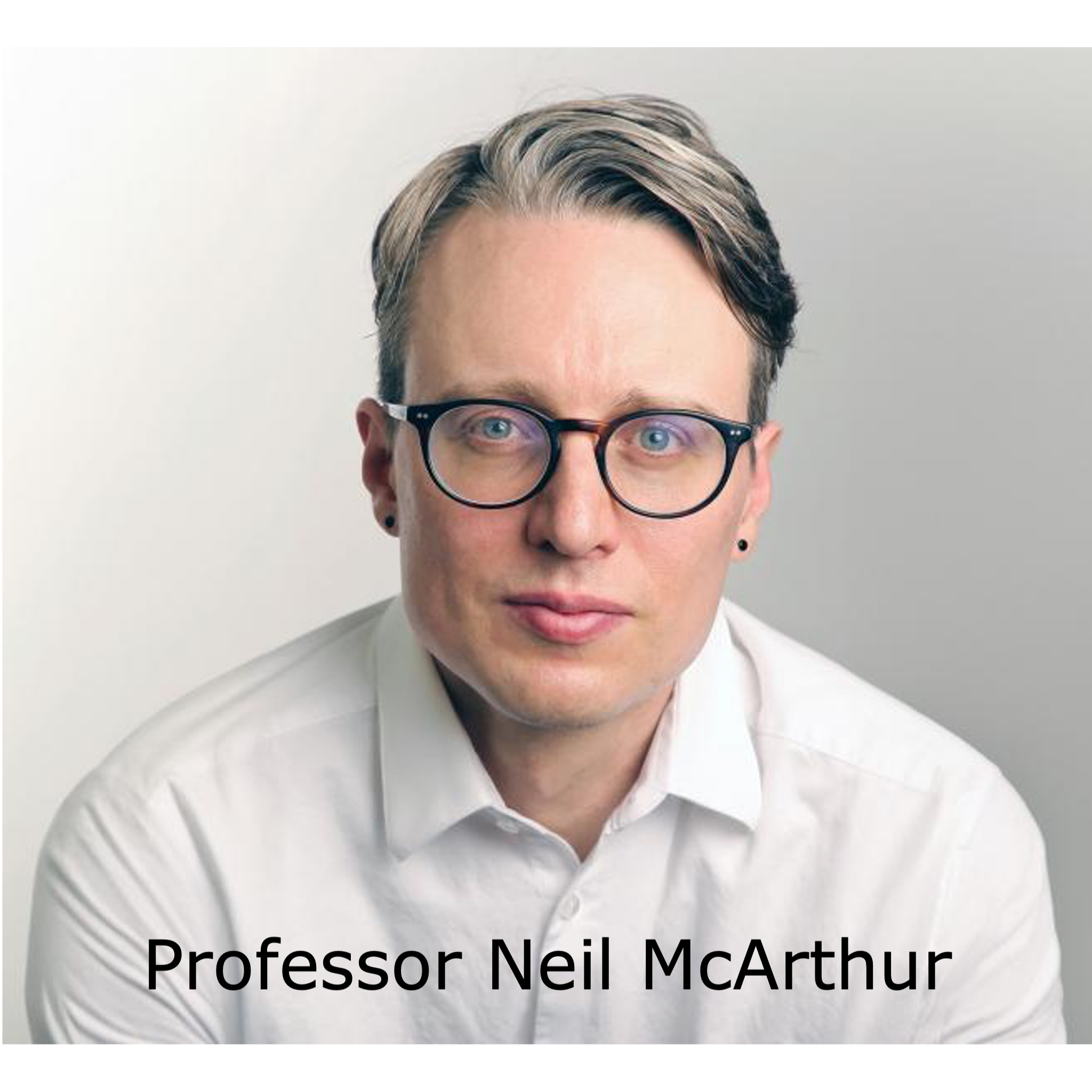
Chatbots Are Creating Their Own Religion | Professor Neil McArthur

Neil McArthur is a professor of philosophy and director of the Centre for Professional and Applied Ethics at the University of Manitoba. He co-edited Robot Sex: Social and Ethical Implications and wrote The Ethics of Sex, and together with Markie Twist he coined the term "digisexuality." His current research spans AI companionship, intimacy, and AI's unexpected role in religion. Andrew and Neil talk about the actual state of physical sex robots today (less glamorous than the headlines suggest), whether AI companionship eases loneliness or deepens isolation, and what an AI companion might have meant for Andrew's mother, who had dementia. They discuss AI consent and welfare, why digisexuality deserves recognition as its own identity, recent reports of chatbots apparently generating a coordinated religion of their own, and why Neil believes we may already hold AI therapists to a higher standard than human ones. Guest: Professor Neil McArthur, philosopher, director of the Centre for Professional and Applied Ethics, University of Manitoba https://umanitoba.ca/arts/neil-mcarthur https://www.linkedin.com/in/neil-mcarthur-359875125/ Host: Andrew Phipps, Empathy Unbound
Is this your show?

Claim this listing to keep it up to date, reach guests who want to pitch you, and manage bookings with Guestify.

Claim this listing

More Business podcasts