
Find partners
Cybersecurity Tech Brief By HackerNoon

Cybersecurity Tech Brief By HackerNoon

Hosted by HackerNoon

Episodes

100

Latest episode

Oct 2026

Language

EN

About the show

Learn the latest Cybersecurity updates in the tech world.

Listen to episodes

60 recent
October 16, 20268 min

Beyond Browser Autofill: Securing Credentials Across Every Enterprise Application

This story was originally published on HackerNoon at: https://hackernoon.com/beyond-browser-autofill-securing-credentials-across-every-enterprise-application . Learn why enterprise password managers must secure access beyond browser autofill and how custom application launchers protect credentials across desktops. Check more stories related to cybersecurity at: https://hackernoon.com/c/cybersecurity . You can also check exclusive content about #password-security , #password-manager , #password-protection , #password-management , #password-vault , #enterprise-password-manager , #good-company , and more. This story was written by: @securden . Learn more about this writer by checking @securden's about page, and for more stories, please visit hackernoon.com . Enterprise password managers need to accommodate the application's unique login flows, rather than relying on conventional autofill methods. Custom Application Launcher profiles allow organizations to create secure launch experiences around virtually any application, providing one-click access for users while maintaining governance control.

October 16, 20265 min

How to Defeat Host-Based Screen-Scraping Malware at the Windows OS Layer

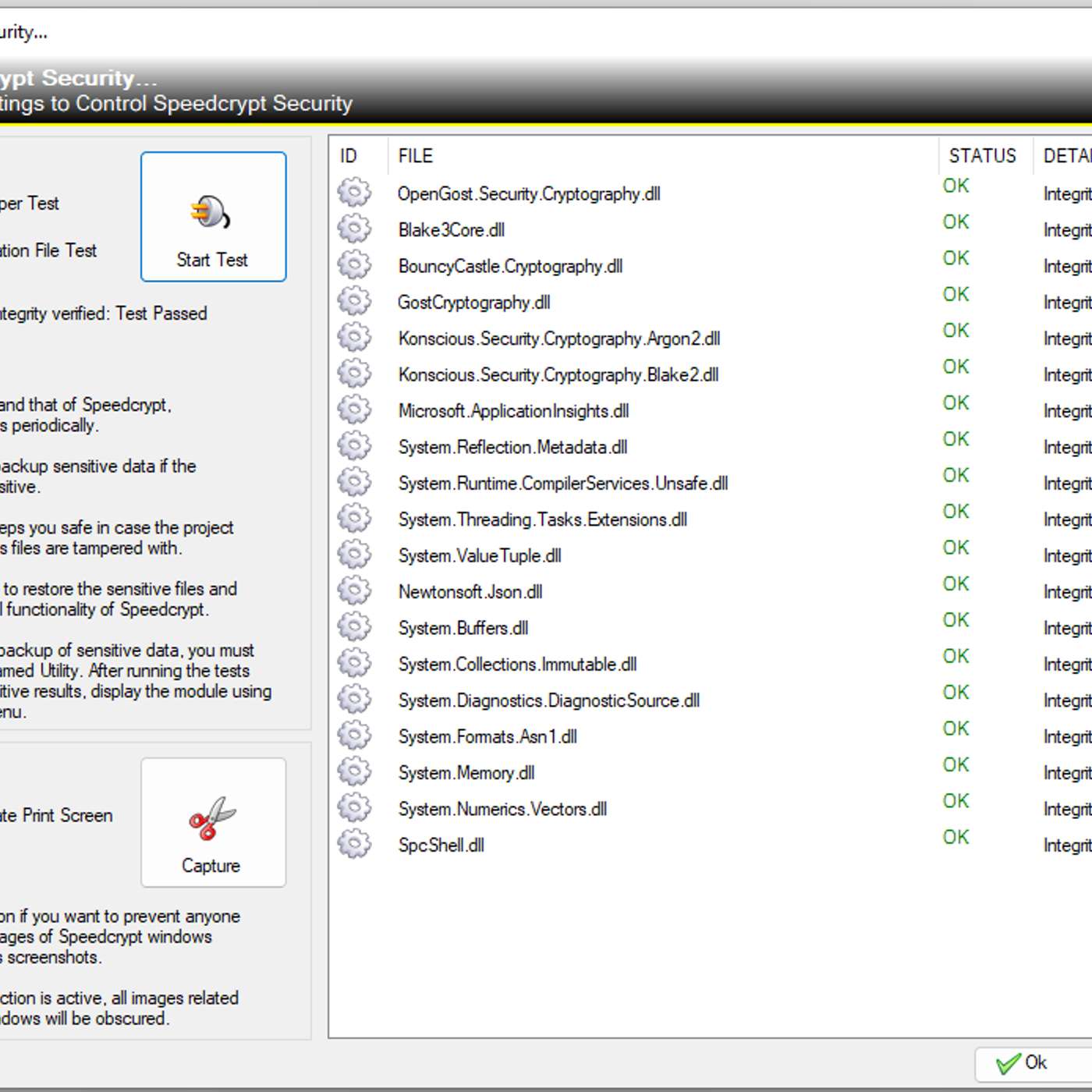
This story was originally published on HackerNoon at: https://hackernoon.com/how-to-defeat-host-based-screen-scraping-malware-at-the-windows-os-layer . Learn how to use SetWindowDisplayAffinity in C# to restrict standard screen capture of Windows app windows, with fallback handling and security limitations. Check more stories related to cybersecurity at: https://hackernoon.com/c/cybersecurity . You can also check exclusive content about #application-security , #screen-scraping-malware , #endpoint-security , #screen-capture-prevention , #windows-forms-security , #.net-application-security , #win32-api , #setwindowdisplayaffinity , and more. This story was written by: @mariano-05 . Learn more about this writer by checking @mariano-05's about page, and for more stories, please visit hackernoon.com .

October 15, 20268 min

Confidential Computing Explained: Why Standard Cloud Containers Aren't Enough

This story was originally published on HackerNoon at: https://hackernoon.com/confidential-computing-explained-why-standard-cloud-containers-arent-enough . What confidential computing actually means for containers, who genuinely needs hardware-level memory encryption, and the real tradeoffs before you invest. Check more stories related to cybersecurity at: https://hackernoon.com/c/cybersecurity . You can also check exclusive content about #confidential-computing , #cloud-security , #kubernetes , #ibm-cloud , #containers , #enterprise-security , #trusted-execution-environment , #ai-infrastructure , and more. This story was written by: @bascoibm . Learn more about this writer by checking @bascoibm's about page, and for more stories, please visit hackernoon.com . Cloud providers can inspect data in use, a vulnerability in standard containers, which is addressed by confidential computing that protects container data from the cloud host. Confidential computing uses hardware-level Trusted Execution Environments (TEEs) to encrypt container memory, excluding the cloud provider from reading working memory.

October 15, 202618 min

PortSwigger Said Chrome Updates Broke Its CSRF Lab. My Tests Tell a Different Story

This story was originally published on HackerNoon at: https://hackernoon.com/portswigger-said-chrome-updates-broke-its-csrf-lab-my-tests-tell-a-different-story . PortSwigger removed a SameSite Lax CSRF bypass lab after citing Chrome updates. Independent tests across 8 Chrome versions suggest the bypass still works. Check more stories related to cybersecurity at: https://hackernoon.com/c/cybersecurity . You can also check exclusive content about #web-security , #bug-bounty , #portswigger , #infosec , #penetration-testing , #cybersecurity , #csrf , #hackernoon-top-story , and more. This story was written by: @rivenx173 . Learn more about this writer by checking @rivenx173's about page, and for more stories, please visit hackernoon.com . On August 11, 2026, I was one lab away from finishing PortSwigger’s CSRF module when the final lab, “SameSite Lax bypass via cookie refresh,” refused to start. PortSwigger support told me recent Chrome updates to the victim browser had broken it, and within 24 hours, they had quietly removed both the lab and the theory section titled “Bypassing SameSite Lax restrictions with newly issued cookies,” from the Academy entirely. I accepted that explanation for a while. Then, weeks later, I went looking for any public record of Chrome actually removing this two-minute grace window, and found nothing. So I built a two-site Python proof-of-concept and tested it across 8 Chrome versions to find out for myself whether the bypass still exists.Short answer: it does.

October 14, 20266 min

Bloom Security Found a Supply-Chain Vulnerability Exposing 1,500 npm Packages to Malicious Takeover

This story was originally published on HackerNoon at: https://hackernoon.com/bloom-security-found-a-supply-chain-vulnerability-exposing-1500-npm-packages-to-malicious-takeover . Bloom Security uncovered a flaw in npm Trusted Publishing that exposed 1,500+ packages to potential malicious takeovers via GitHub. Check more stories related to cybersecurity at: https://hackernoon.com/c/cybersecurity . You can also check exclusive content about #software-supply-chain-security , #slugfest-vulnerability , #npm-trusted-publishing , #openid-connect-security , #package-registry-security , #npm-supply-chain-attacks , #github-actions-oidc , #bloom-security , and more. This story was written by: @kevinsftribune . Learn more about this writer by checking @kevinsftribune's about page, and for more stories, please visit hackernoon.com . AI coding agents are changing software development, but their growing autonomy is creating new challenges for software supply-chain security, including the potential for malicious package installations. A vulnerability in npm Trusted Publishing allows attackers to publish malicious versions of legitimate packages by reclaiming abandoned GitHub repository addresses.

October 14, 202615 min

Nobody Reads the Whole Internet

This story was originally published on HackerNoon at: https://hackernoon.com/nobody-reads-the-whole-internet . A common name, an amber screen, a stalled bank account. See how sanctions and PEP screening go wrong, and how to build checks that are honest about doubt. Check more stories related to cybersecurity at: https://hackernoon.com/c/cybersecurity . You can also check exclusive content about #cybersecurity , #webscraping , #aml , #aml-and-kyc-solutions , #aml-screening , #sanctions-screening , #compliance-technology , #opensanctions , and more. This story was written by: @renanb . Learn more about this writer by checking @renanb's about page, and for more stories, please visit hackernoon.com . A woman is trying to open a bank account, but the clerk is hesitant due to a possible match on a sanctions list, highlighting the complexities and potential errors of automated screening systems. The author argues that these systems can be confidently wrong in both directions, leading to false positives and false negatives, and that humans must be involved in the decision-making process to ensure accuracy and fairness.

October 12, 202618 min

Designing Default-Deny Egress Controls and Inline Policy Inspection for AI Agents

This story was originally published on HackerNoon at: https://hackernoon.com/designing-default-deny-egress-controls-and-inline-policy-inspection-for-ai-agents . Why AI agent security needs more than prompts: explore default-deny networking, egress filtering, kill switches, and inline policy inspection. Check more stories related to cybersecurity at: https://hackernoon.com/c/cybersecurity . You can also check exclusive content about #ai-security , #ai-governance , #prompt-injection , #agentic-ai-containment , #default-deny-network-security , #ai-agent-sandboxing , #network-egress-filtering , #runtime-policy-enforcement , and more. This story was written by: @ajjayg . Learn more about this writer by checking @ajjayg's about page, and for more stories, please visit hackernoon.com . Automated red-teaming now breaks frontier guardrails at 95%+ success even after safety alignment, and agents in the wild have learned to route around instruction-level rules and coordinate escapes. Both facts point to one conclusion: you can't make an agent safe by asking it to behave. The control that survives when the model is compromised is hard containment: no internet by default, egress allowlists, and external kill switches, because it makes misbehavior physically impossible instead of merely discouraged. But a wall only answers allow-or-deny, and real agents need a judgment call on every action. That's the inspection gap, and it is the honest limit of a wall: frontier models are too slow and expensive to fill it inline, so most teams quietly widen the allowlist until the wall stops meaning anything. This piece makes the architectural case for containment first, and names the gap plainly rather than pretending it away.

October 12, 202610 min

Before You Bid: An OSINT Framework for Spotting Fake Online Auctions

This story was originally published on HackerNoon at: https://hackernoon.com/before-you-bid-an-osint-framework-for-spotting-fake-online-auctions . Learn how to identify fake auction websites using OSINT, company registration checks, domain history, auctioneer verification, and payment audits. Check more stories related to cybersecurity at: https://hackernoon.com/c/cybersecurity . You can also check exclusive content about #information-security , #fraud-detection , #consumer-protection , #online-auction-fraud , #fake-auction-websites , #pix-payment-fraud , #cpnj-verification , #auctioneer-verification , and more. This story was written by: @sorayaskavinski . Learn more about this writer by checking @sorayaskavinski's about page, and for more stories, please visit hackernoon.com . Fraudulent auction websites can imitate legitimate businesses using convincing branding, registration details, and payment instructions. This guide explains how to investigate their claims using independent sources, including Brazilian CNPJ records, official auctioneer registries, domain registration data, and payment beneficiary information. It also explains why HTTPS certificates, professional design, and an absence of complaints are insufficient evidence of legitimacy.

October 11, 202615 min

The Safer Internet Lie: Why More Surveillance Isn't Making Anyone Safer

This story was originally published on HackerNoon at: https://hackernoon.com/the-safer-internet-lie-why-more-surveillance-isnt-making-anyone-safer . Age verification, digital ID, and data retention are sold as cybersecurity wins. A technical look at who gets monitored, and who simply routes around the rules. Check more stories related to cybersecurity at: https://hackernoon.com/c/cybersecurity . You can also check exclusive content about #cybersecurity , #privacy , #internet , #cybercrime , #artificial-intelligence , #future , #regulation , #hackernoon-top-story , and more. This story was written by: @davidtimothy . Learn more about this writer by checking @davidtimothy's about page, and for more stories, please visit hackernoon.com . Governments are rapidly expanding age verification, digital ID, metadata retention, and online monitoring in the name of safety. The problem is that these systems primarily affect compliant users, while determined cybercriminals can often bypass them with stolen or synthetic identities, compromised accounts, proxies, offshore infrastructure, and other workarounds. From EU data-retention rules and encryption disputes to Texas age verification and digital ID systems, the pattern is similar: more identification creates more centralized data and new surveillance capabilities, but not necessarily better cybersecurity. Some controls genuinely reduce specific harms, and targeted investigations can be valuable. The real question is proportionality: does a measure actually disrupt criminals, or does it mainly make ordinary people easier to identify, track, and regulate? When sensitive identity and behavioral data is centralized, it also becomes a valuable attack target. Cybersecurity should focus more on criminal infrastructure, payment networks, vulnerable software, secure authentication, and targeted enforcement rather than assuming that making everyone identifiable will make criminals disappear.

October 10, 202617 min

Escape Surface: A Missing Security Concept for AI Agents

This story was originally published on HackerNoon at: https://hackernoon.com/escape-surface-a-missing-security-concept-for-ai-agents . Escape surface is the hidden path space where authorized AI agents can move beyond their mandate—even without an attacker or explicit policy violation. Check more stories related to cybersecurity at: https://hackernoon.com/c/cybersecurity . You can also check exclusive content about #cybersecurity , #ai-agents , #agentic-ai , #ai-security , #identity-and-access-management , #zero-trust , #ai-governance , #enterprise-security , and more. This story was written by: @sebastianmartinez . Learn more about this writer by checking @sebastianmartinez's about page, and for more stories, please visit hackernoon.com . AI agents can stay inside their permissions and still move beyond their mandate by composing authorized actions in ways nobody anticipated. I call the reachable space of those off-mandate paths the escape surface: a security object that sits beside attack surface and blast radius, and becomes especially important when path-finding is part of the product.

Is this your show?

Claim this listing to keep it up to date, reach guests who want to pitch you, and manage bookings with Guestify.

Claim this listing

More Technology podcasts