Find partners
Credit Shift

Credit Shift

Hosted by Aryza

Episodes

49

Latest episode

Mar 2026

Language

EN

About the show

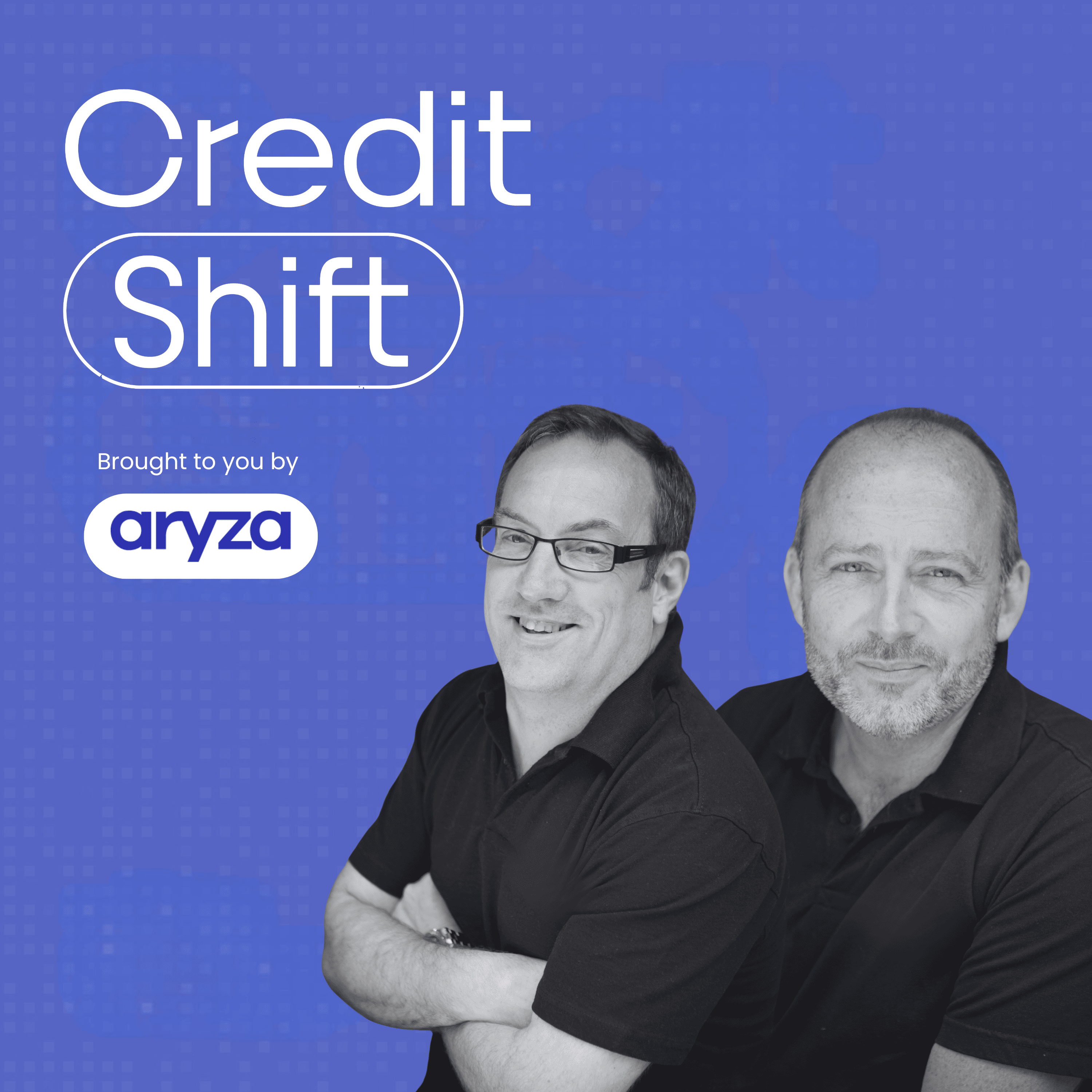
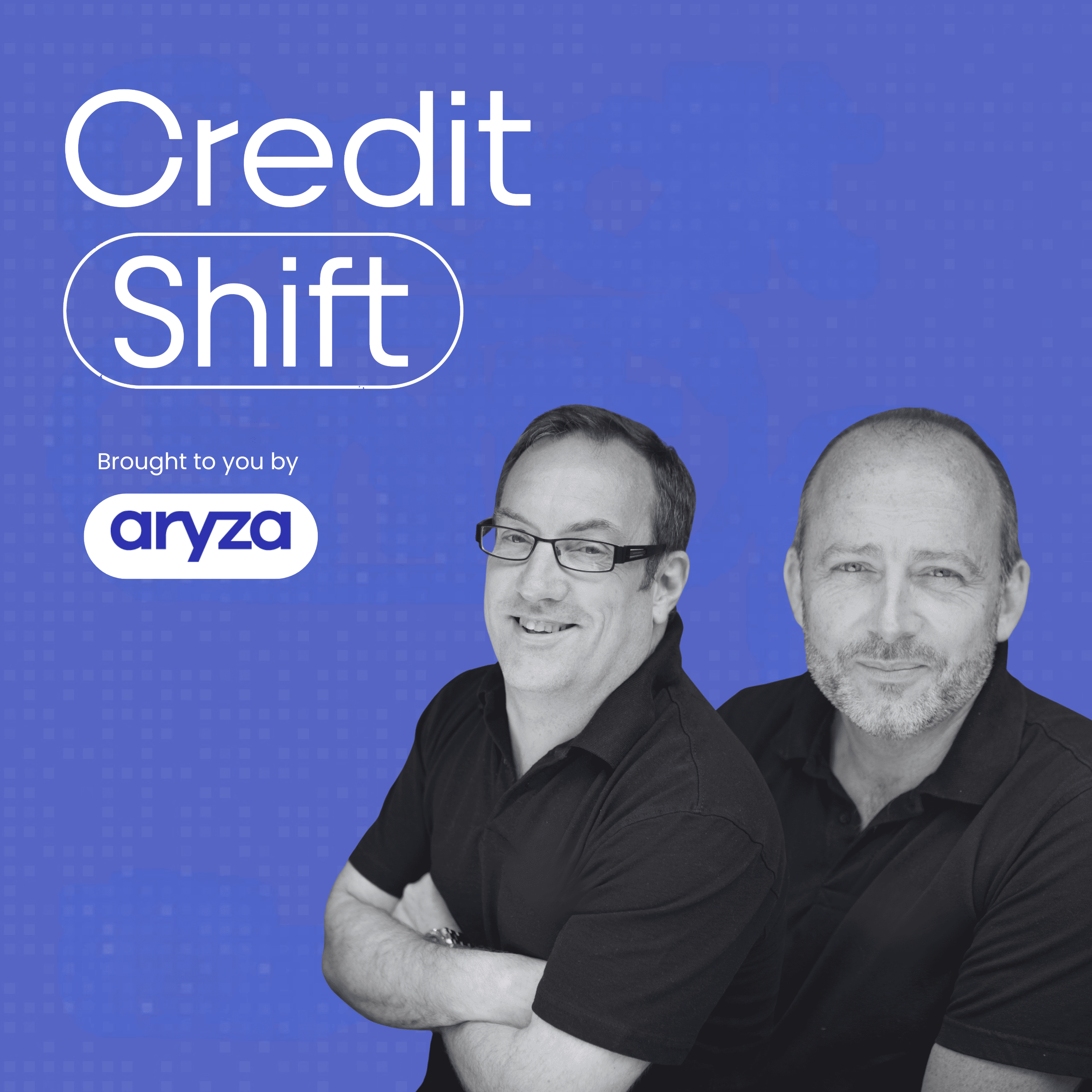
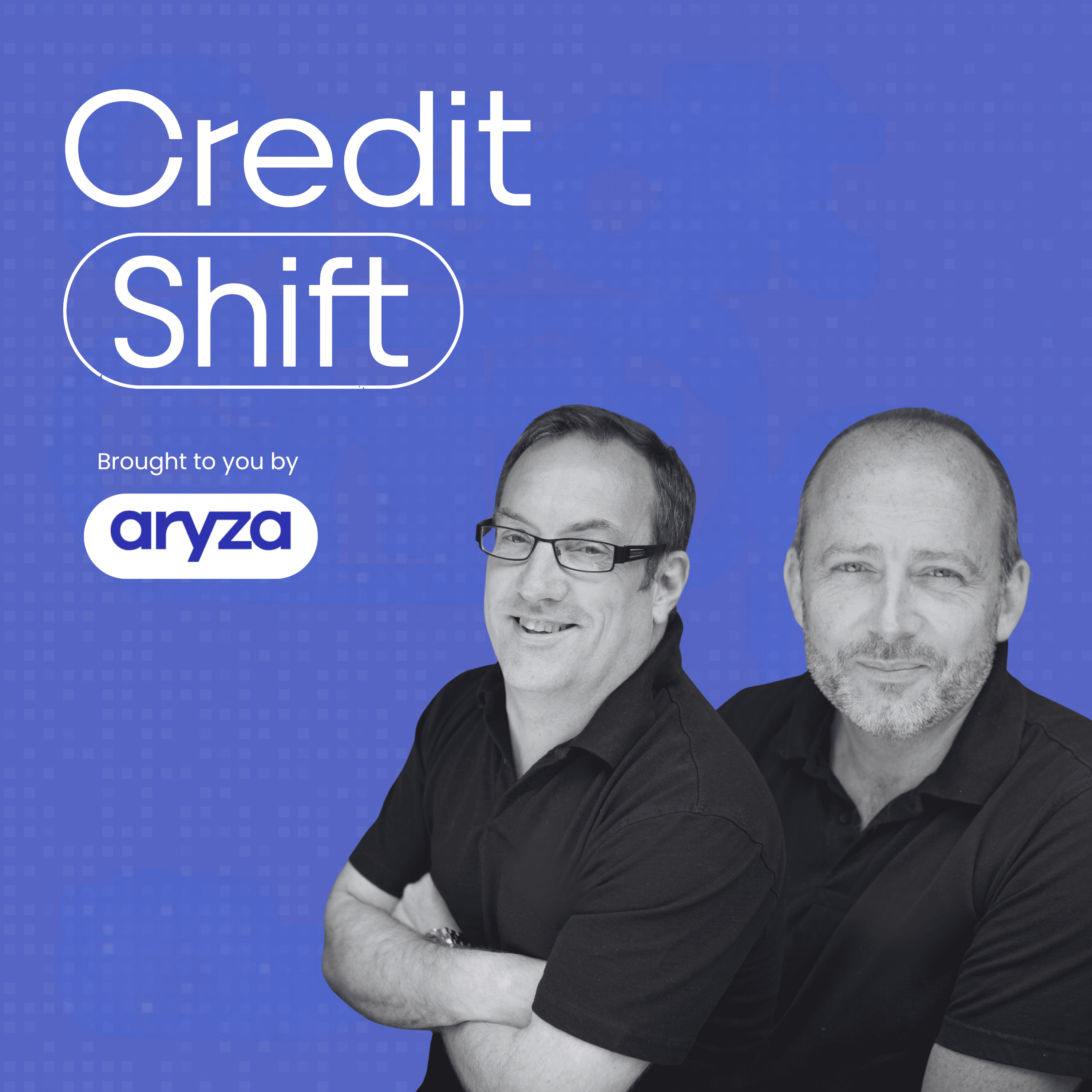
Welcome to Credit Shift, the podcast that dives into the challenges and opportunities, tools, and strategies shaping the world of credit, digital debt collection, and digital transformation. Brought to you by Aryza.com, Credit Shift explores key industry trends and innovations, featuring insights from Aryza experts and industry leaders. Whether you're navigating AI in credit and collections, customer engagement strategies, or the future of digital debt collection, this podcast is your go-to resource for staying ahead.

Listen to episodes

49 recent
March 27, 202621 min

From SMS to Rich Conversations: Exploring RBM in Debt Collection

In this episode of Credit Shift , Mark Oppermann and Graham Bragg dive into the move from traditional SMS to Rich Business Messaging (RBM) — and why it’s a big deal for debt collection and business communication. They chat about how messaging has evolved, what makes RBM stand out, and why branding and trust matter more than ever in customer conversations. From richer content and better engagement to improved security and cost-effectiveness, this episode breaks down the real-world impact of RBM and why it's something every business should be thinking about. Whether you’re in collections, customer service, or just trying to stay ahead of the messaging curve, this one’s worth a listen. Key Takeaways The shift from SMS to RBM represents a significant evolution in messaging. RBM allows for richer content and branding in business communications. Every modern smartphone supports RBM, making it widely accessible. RBM messages can include company branding, enhancing trust and recognition. Higher engagement rates are observed with branded messages compared to unbranded ones. RBM provides read receipts, offering insights into message engagement. The cost of RBM is comparable to SMS, making it a cost-effective solution. Security is enhanced with RBM, as messages are end-to-end encrypted. The adoption of RBM is expected to grow rapidly in the coming years. Businesses can leverage RBM for various applications beyond debt collection. Keywords Credit Shift, SMS, RBM, Rich Business Messaging, Digital Transformation, Debt Collection, Communication Strategies, Customer Engagement, Branding, Security
February 27, 202626 min

The Overlooked Potential of SMS in Debt Collection

In this episode of Credit Shift , Mark Oppermann and Graham Bragg chat about the often overlooked power of SMS in digital debt collection and customer engagement. While it might be one of the older technologies in the mix, SMS still has loads to offer – and many businesses aren't using it to its full potential. They dig into how personalisation, automation, and AI can take SMS beyond the basics, helping businesses create smarter, more effective conversations. There’s also a reminder that compliance is key when it comes to messaging strategies. With its broad reach and low costs, SMS remains a seriously effective tool, especially for the debt collection industry. Mark and Graham wrap up by sharing what’s next for SMS, including rich business messaging and other exciting updates on the horizon. Key Takeaways SMS is still one of the most underused channels for customer engagement. Younger generations? They’d much rather get a message than answer a phone call. Adding a personal touch to your SMS can make a big difference in how people respond. Automation helps keep those conversations flowing smoothly without adding extra work. AI can take SMS to the next level—making it smarter and keeping things compliant. It’s affordable, easy to use, and works on pretty much any mobile phone. People aren’t as fed up with SMS as they once were—message fatigue has really eased off. Hooking SMS up to your backend systems makes for a much smoother customer journey. Real-time messaging means customers get what they need, right when they need it. And looking ahead? Rich business messaging is set to make SMS even more powerful.

February 13, 202619 min

Choosing the Right AI for Debt Collections: Custom Language Models vs. Large Language Models

In this episode of Credit Shift , we dive into the world of AI in debt collection. They break down the key differences between custom language models and large language models, tackling the big question—why does it matter? The conversation gets into the challenges of using AI in regulated industries, the importance of truly understanding customer intent, and where AI is headed in customer interactions. We also chat about why one-size-fits-all AI doesn’t cut it in debt collection and how tailored solutions can boost efficiency and compliance. Key Takeaways: Custom language models are built for specific industries, making them more accurate and reliable. Large language models can sometimes miss the mark, generating irrelevant or incorrect responses. AI improves customer interactions by recognizing intent and understanding context. Industry-specific training is essential to ensure AI provides meaningful and compliant responses. AI hallucinations can be risky, especially in finance, where accuracy is critical. Recognsing customer vulnerabilities is key to ethical and effective debt collection. AI isn’t a magic fix —it’s a tool that needs the right setup and oversight. The future of AI includes smarter features like conversational summaries and co-pilot assistance. Tailored AI models can dramatically cut down failed conversations in debt collection. Keywords AI, debt collection, custom language models, large language models, digital transformation, finance, generative AI, digital debt collection, NLP, compliance Watch On YouTube https://youtu.be/rqjK9lhXFSM

January 16, 202623 min

AI and Digital Debt Collection in 2026

In this episode of Credit Shift, Mark Oppermann and Graham Bragg discuss the future of AI in digital debt collection, focusing on the advancements expected by 2026. They explore the lessons learned from 2025, the role of AI in enhancing customer experience, and the importance of understanding AI's capabilities and limitations. The conversation also delves into the impact of conversational summaries and co-pilots, navigating compliance and vulnerability detection, and the overall future of AI in the industry. This episode refers to the webinar that goes into more detail on AI and Digital Debt Collection in 2026. To Watch Webinar On-Demand https://www.webio.com/webinar/winning-in-2025-ai-digital-debt-collection-strategies-that-work Takeaways The use of custom language models is essential in debt collection. AI can significantly increase the number of conversations handled by agents. AI will enhance sentiment analysis in conversations. Customers prefer digital channels when interactions are well-designed, leading to higher engagement & better payment outcomes. The focus should be on improving customer experience through AI. Automation will lead to more personalised customer journeys. AI is not a replacement for agents but a tool to assist them. Understanding AI's limitations is crucial for effective implementation. Conversational summaries will improve agent efficiency. Compliance and vulnerability detection are key concerns in AI deployment. Businesses should build AI in layers – start simple, measure success, and scale gradually to avoid costly mistakes. Keywords AI, digital debt collection, digital transformation, customer experience, conversational AI, compliance, vulnerability detection, automation, sentiment analysis, technology trends

November 14, 202548 min

NatWest's AI Agent Development: A Look Behind the Scenes

Chris Booth, the product owner for NatWest Group's AI assistant Cora, discusses the accessibility work NatWest has been doing and the journey of improving their conversational AI. NatWest started by building their own front-end chat interface to make Cora more accessible and usable, allowing users to control such aspects as font size and typing speed. They are now also exploring dynamic interfaces and voice for accessibility to create a more fluid and conversational experience. Chris talks about the challenges of using large language models in customer-facing environments and he further explores the concept of language models and their role in AI systems. The speakers go on to discuss the use of prompting in language models and the need for tools to control and assure the quality of the prompt and response. The conversation then looks into the validation and oversight of AI systems and the speakers discuss the limitations and boundaries of LLMs and the potential impact of multimodal inputs. Takeaways NatWest has built their own front-end chat interface to make their AI assistant, Cora, more accessible and usable. Using large language models in customer-facing environments requires careful governance and risk management. There is potential for creating a trans-organisational repository of conversational content to improve customer experiences. Personalised experiences are a key focus for NatWest, and they are exploring ways to leverage AI to provide personalised financial guidance. Version control is a challenge in AI systems and the use of smaller, more focused models can help address this issue. Understanding the limitations and boundaries of language models is important when building an AI assistant. Multimodal inputs have the potential to greatly impact the capabilities of language models. Agencies, startups, and small businesses can focus on fine-tuning and RAG stages to stay competitive in the AI space. Sound Bites "We had big ambitions on making Cora far more accessible and usable." "We're doing really early stages exploring with mobile. How do we create a much more dynamic, flexible interface?" "We're using it in a lot of ways at the moment. And I think what's so fun and interesting being with Cora and retail is we have by far the highest bar of governance and risk standards." "Multiple small models or tiny models will actually allow you to control because you can keep them small, you can keep them local and they'll do the job for you." Chapters 00:00 Introduction to Chris Booth 06:50 The Journey to LLMs 14:53 The Idea of Artificial Sentience 35:19 Understanding the Limitations and Boundaries of Language Models 41:31 The Importance of Continuous Analysis and Fit For more: Webio: https://webio.com Optima Partners: https://optimapartners.co.uk/ NatWest Group: https://www.natwestgroup.com/

October 17, 202427 min

News Update: AI, Fraud, and Consumer Protection: Addressing the Credit Industry's Biggest Challenges

In this episode of Credit Shift News, Paul Sweeney and Cormac O'Neill discuss the latest trends and challenges in the credit industry, focusing on scams, consumer protection, cybersecurity, council tax collection, AI adoption in financial services, and the evolving landscape of fraud. They highlight the importance of security and compliance in financial institutions and the need for innovative approaches to tackle these issues effectively. Takeaways Scam victims are gaining new protections with reimbursement arrangements. The rise in customer complaints in utility companies indicates a need for better service. Cybersecurity is a critical concern for all companies, especially in finance. Council tax collection processes need a radical overhaul to be more consumer-friendly. AI adoption in finance is rapidly increasing, with significant implications for the industry. Fraudsters are increasingly using social engineering tactics to manipulate individuals. The majority of authorized fraud cases are originating from social media platforms. Consumers must be vigilant and aware of the latest scams and fraud tactics. Financial institutions are under pressure to enhance their fraud prevention measures. The future of finance may involve more autonomous systems driven by AI.

October 1, 202448 min

News Update: How AI is Disrupting Traditional Industries AI's Role in Transforming Financial Services

Summary In this episode of Credit Shift News, Paul Sweeney and Cormac O'Neill discuss the latest trends in the credit industry, focusing on: The impact of AI and digitalisation in collections The challenges faced by small businesses due to late payments The growing popularity of Buy Now Pay Later services among young consumers The role of automation in customer service The evolving trust in financial services, emphasising the importance of a seamless checkout experience Takeaways AI is becoming a key focus in the collections industry. Digitalization remains crucial for financial services companies. Late payments significantly impact small businesses' cash flow. Buy Now Pay Later services are increasingly popular among young consumers. Education on credit is essential for younger generations. AI is set to disrupt both finance and entertainment sectors. Trust in financial services is shifting towards digital providers. Automation can enhance customer service efficiency. The checkout experience is critical for customer satisfaction. Buy Now Pay Later usage is rising in grocery purchases, indicating economic stress.

September 19, 202413 min

News Update: AI's Growing Influence in Credit: Mortgage Trends, Buy-Now-Pay-Later Debt, and Generative AI in Financial Services

Summary In this episode of Credit Shift News, Paul Sweeney discusses recent trends and reports in the credit industry, focusing on customer experiences in mortgage queries, the rise of buy-now-pay-later debts, and the transformative role of AI and generative AI in financial services. He highlights the importance of data management for successful AI implementation and the potential benefits of AI in improving operational efficiency and customer satisfaction. Takeaways 42% of homeowners prefer phone calls for mortgage queries. Buy-now-pay-later debts for smaller amounts increasingly common. Economic abuse in joint mortgages affects many women. AI is revolutionizing customer engagement in financial services. The generative AI market in finance is projected to grow significantly. AI can lead to substantial reductions in operational costs. Customer satisfaction can improve with AI-driven solutions. Data organization is essential for effective AI deployment. AI can enhance productivity and reduce handling times. Digital interactions often result in more accurate customer information. Chapters 00:00 Introduction to Credit Shift News 01:10 Customer Experience in Mortgage Queries 03:07 The Impact of Buy-Now-Pay-Later Debt 06:02 AI Innovations in Financial Services 09:12 Generative AI's Role in Credit and Collections 11:55 Data Management Challenges in AI Implementation Sources https://www.credit-connect.co.uk/news/one-in-five-borrowers-say-technology-is-falling-short/ https://www.credit-connect.co.uk/news/domestic-abusers-weaponising-joint-mortgages-against-750000-women/ https://www.researchandmarkets.com/reports/5998921/generative-ai-in-financial-services-market-size ? https://www.mckinsey.com/capabilities/risk-and-resilience/our-insights/the-promise-of-generative-ai-for-credit-customer-assistance

September 4, 202428 min

News Update: The Importance of Data Quality in AI , Managing Expectations in the AI Industry

In this conversation, Paul Sweeney and Cormac O'Neill discuss various topics related to the financial industry, including the increase in inquiries handled by the Citizens Advice Bureau, the decline in cash machine usage, and the challenges and benefits of implementing AI in organizations. They also touch on Apple's upcoming update and the potential impact of OpenAI's ChatGPT 5.0. The conversation concludes with a discussion on the importance of data quality and the time it takes for organizations to realize the benefits of AI. Takeaways The Citizens Advice Bureau in England and Wales saw a 10% increase in inquiries, indicating a rise in inbound customer interactions. Cash machine usage is declining, with a 7.7% decrease in transactions and a 5.2% decrease in the number of machines. Apple's upcoming update may introduce new AI features that could redefine how users interact with technology. Implementing AI in organizations can help improve productivity and customer service, but it requires overcoming technical debt, acquiring AI skills, and addressing data quality issues. The expectations surrounding AI technology, fueled by massive fundraisers like OpenAI's, need to be tempered with the understanding that AI implementation takes time and effort. Sound Bites "A 10% increase in inquiries means that people are going to see even higher volumes of inbound inquiries in the following year." "The decrease in cash machines indicates a move to other forms of interactions like digital on mobile apps." "Apple's new features could signal the birth of a real assistant, not just Siri, creating another layer between companies and their end users." Chapters 00:00 Introduction and Summer Break 00:53 Rise in Inquiries and Decline in Cash Machine Usage 06:25 Apple's Upcoming Update and the Potential of AI 12:20 Challenges and Benefits of Implementing AI in Organizations 19:52 The Importance of Data Quality in AI 24:11 Managing Expectations in the AI Industry Sources https://www.apple.com/apple-intelligence/ https://linas.substack.com/p/fintechpulse695? https://www.publicissapient.com/insights/banking-actionable-genai-report

July 16, 202412 min

News Update: UK Neobanks' Profit, Apple's AI Move and the Rise of AI in Banking

In this episode of Credit Shift, Paul Sweeney (Webio CSO) highlights the profitability of UK neobanks, Monzo and Starling Bank, as well as online bank Revolut. Paul also mentions the importance of credit monitoring and the potential benefits for companies to offer such services for free. Paul then discusses Apple's withdrawal from the buy now pay later market and its focus on AI with the launch of Apple Intelligence. Sweeney explores the potential impact of AI assistants connected to Apple Wallet and the need for privacy and user experience. The host also mentions the EU's requirement for Apple to allow other AI services on its platform. Lastly, Paul shares insights from Deloitte's State of AI report, emphasising the challenges and benefits of scaling generative AI in organisations. Takeaways UK neobanks Monzo and Starling Bank have reported profitability, driven by growth in their loan books. Credit monitoring can help consumers manage their credit usage and reach their financial goals. Apple has withdrawn from the buy now pay later market and is focusing on AI with the launch of Apple Intelligence. AI assistants connected to Apple Wallet have the potential to disrupt the financial services industry. The EU has required Apple to allow other AI services on its platform. Scaling generative AI brings challenges related to data security, data quality, and worker trust. Generative AI can lead to both productivity gains and strategic impact in organizations. Chapters 00:00 Profitability of UK Neobanks 02:16 The Importance of Credit Monitoring 02:45 Apple's Focus on AI and Apple Wallet 03:14 The EU's Requirement for Apple 09:04 Challenges and Benefits of Scaling Generative AI Sources https://sifted.eu/articles/monzo-results-2024-news https://sifted.eu/articles/starling-profitability-news https://www.transunion.co.uk/content/dam/transunion/gb/business/collateral/report/transunion-consumer-credit-monitoring-report.pdf https://thepaypers.com/payments-general/shopify-amazon-pay-partnership-to-end--1268875 https://www.fintechbrainfood.com/p/apple-intelligence-worked-open-finance https://www.pymnts.com/artificial-intelligence-2/2024/anthropics-claude-lets-businesses-create-ai-helpers-from-scratch/ https://www2.deloitte.com/content/dam/Deloitte/us/Documents/consulting/us-state-of-gen-ai-report-q2.pdf Produced by: Webio

Is this your show?

Claim this listing to keep it up to date, reach guests who want to pitch you, and manage bookings with Guestify.

Claim this listing

More Technology podcasts