Find partners
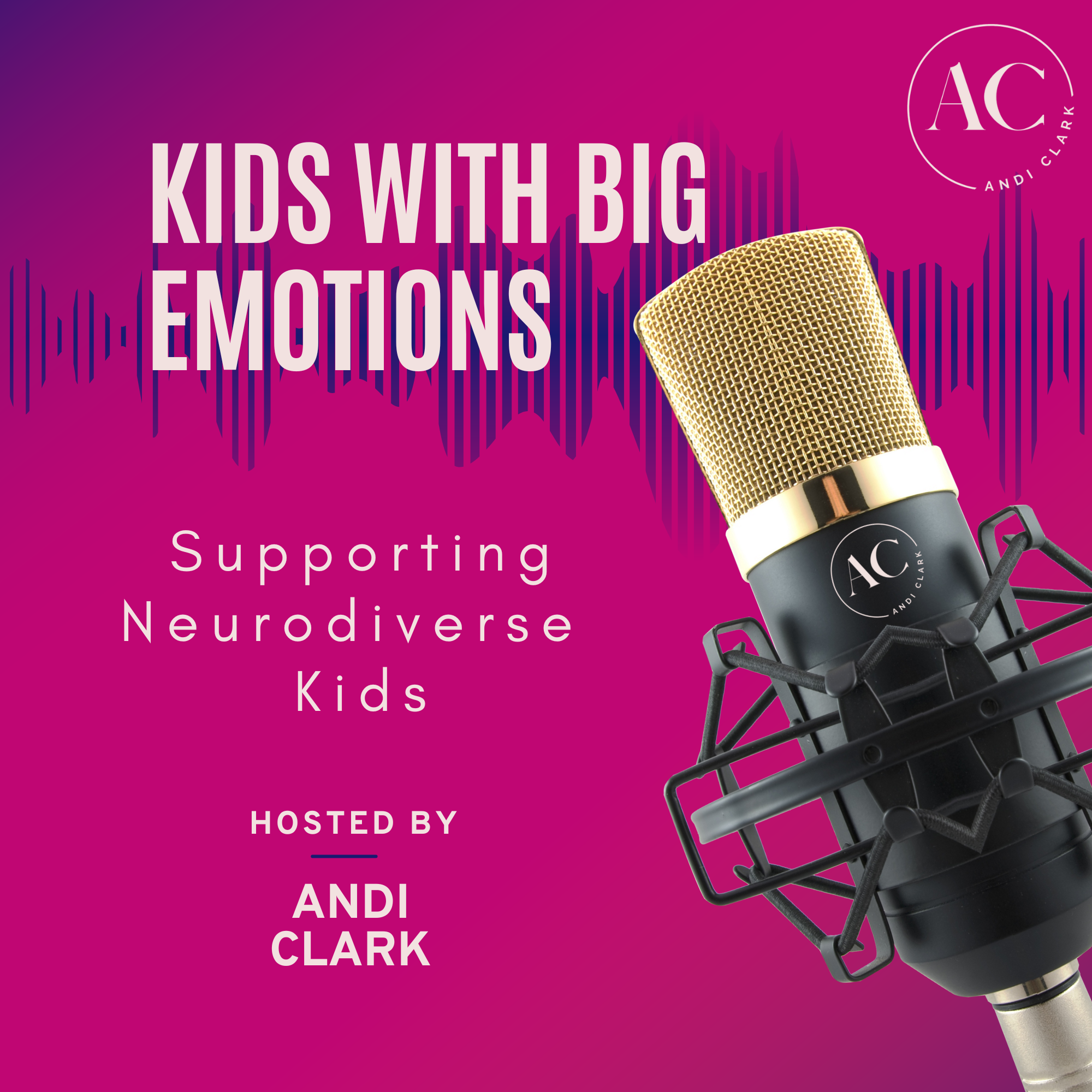
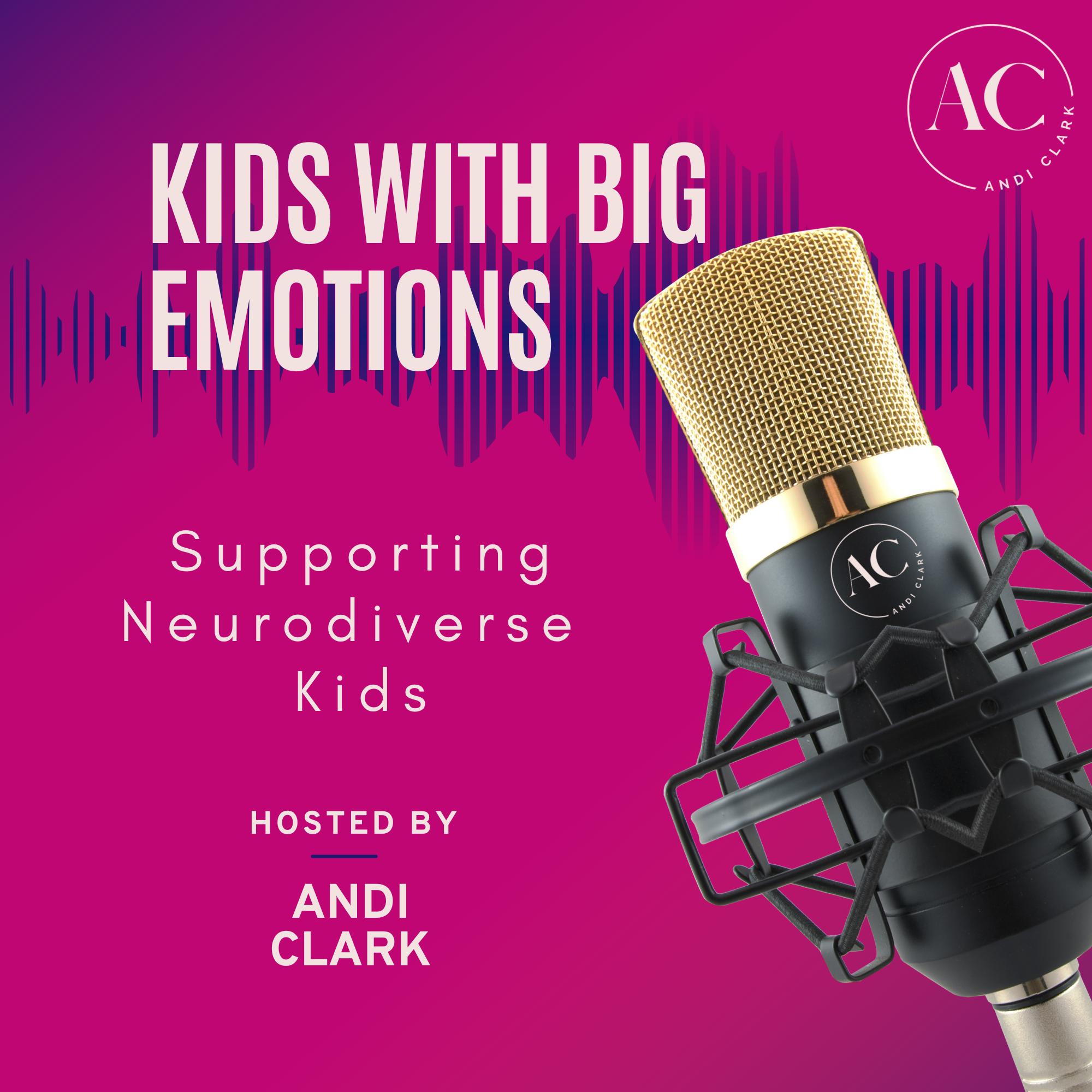
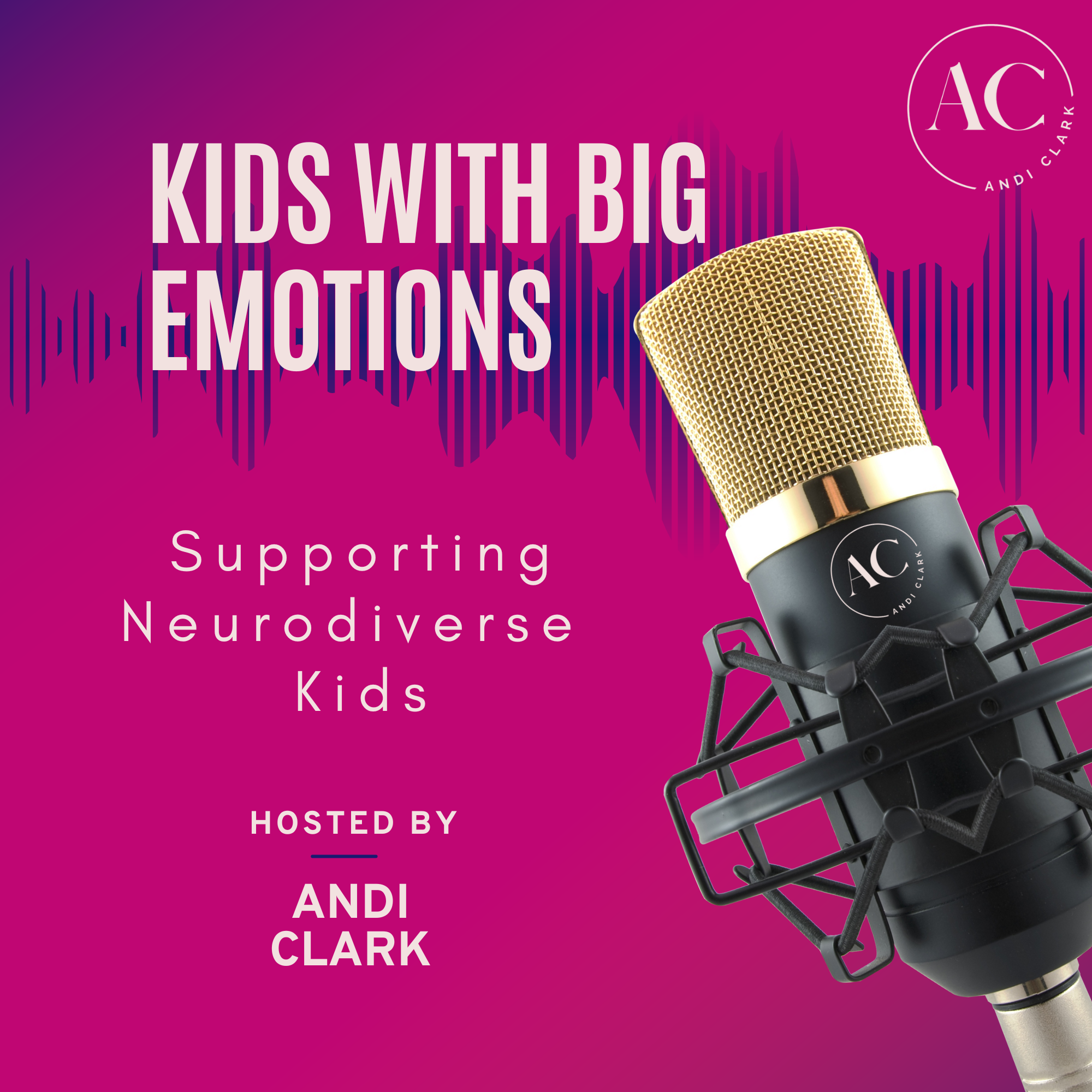
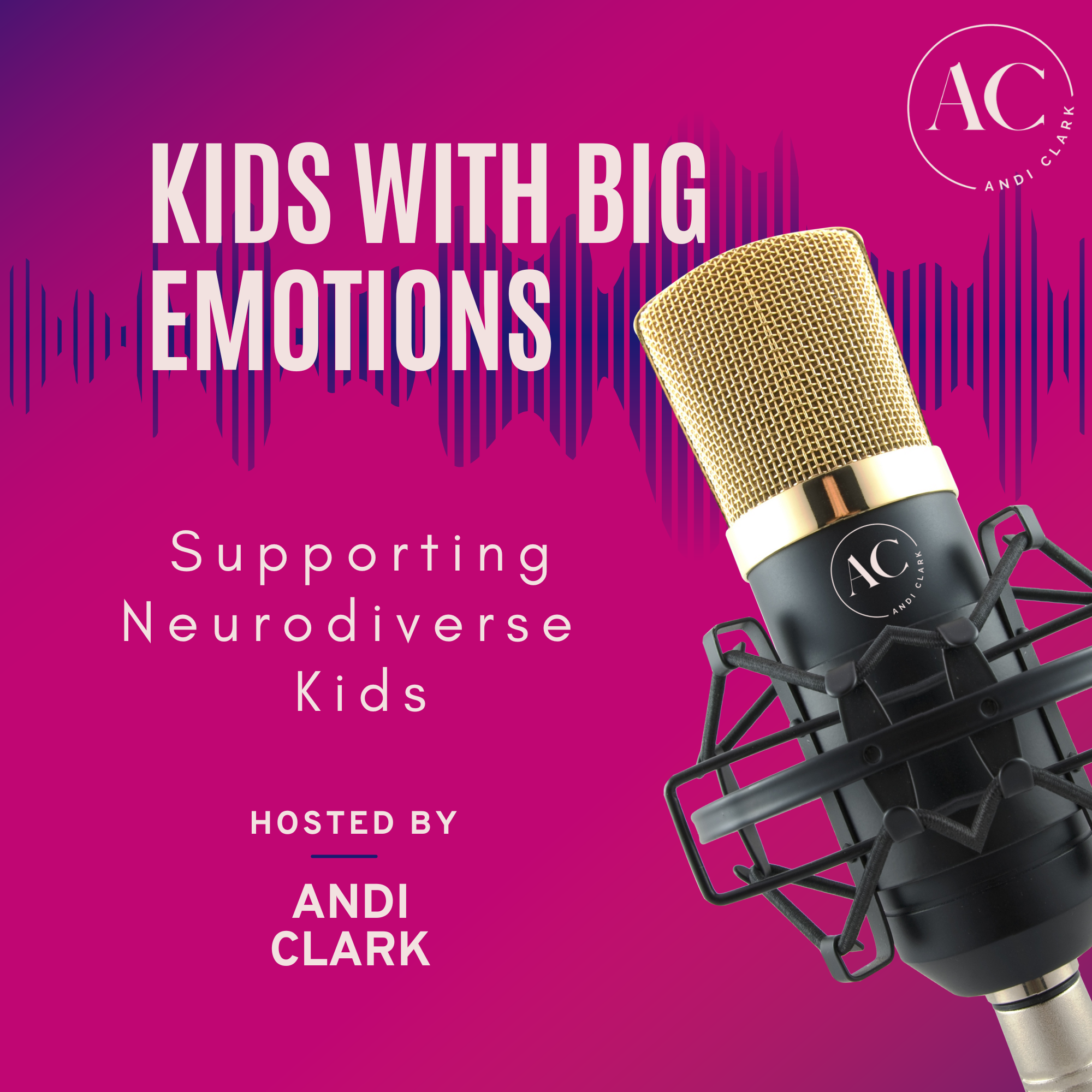
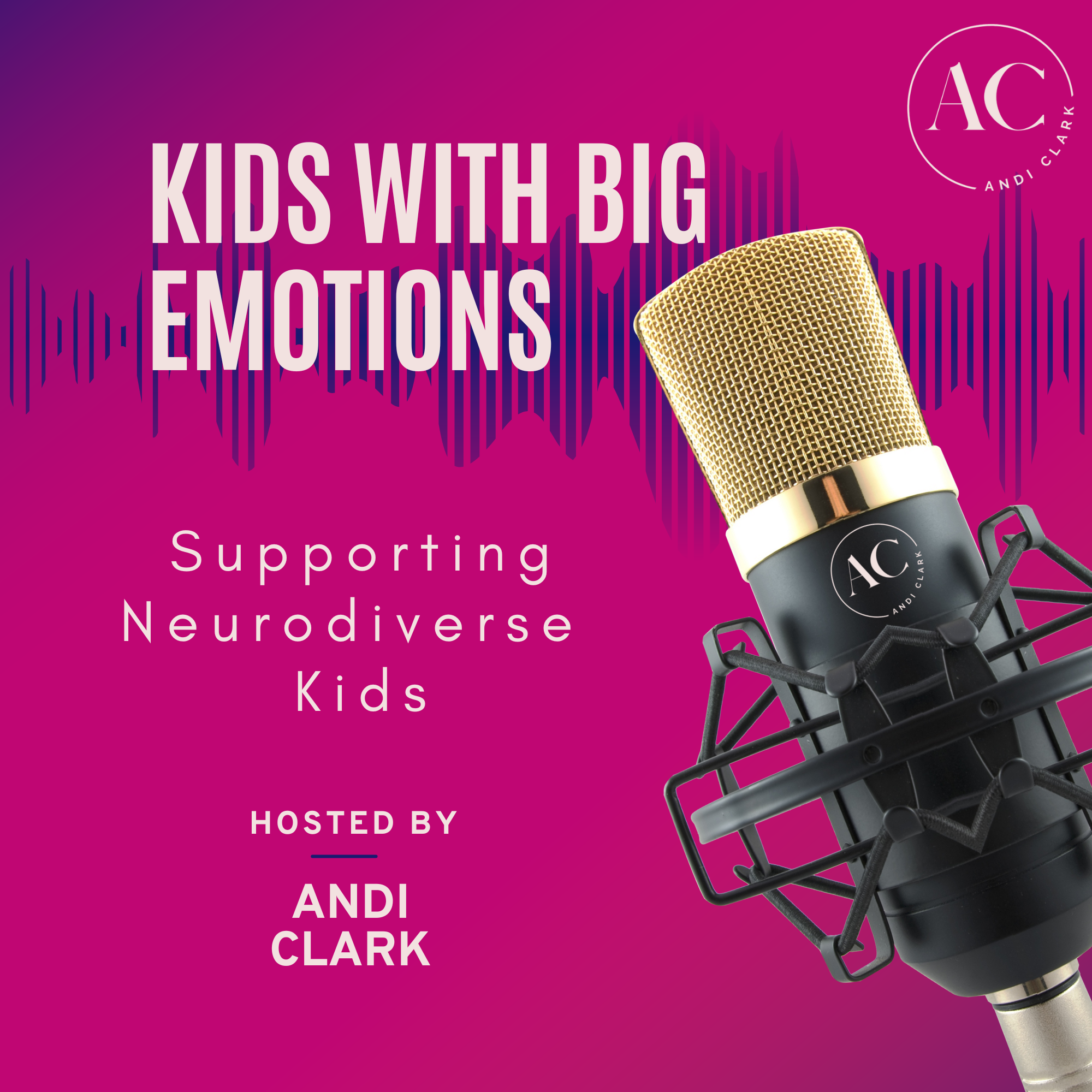
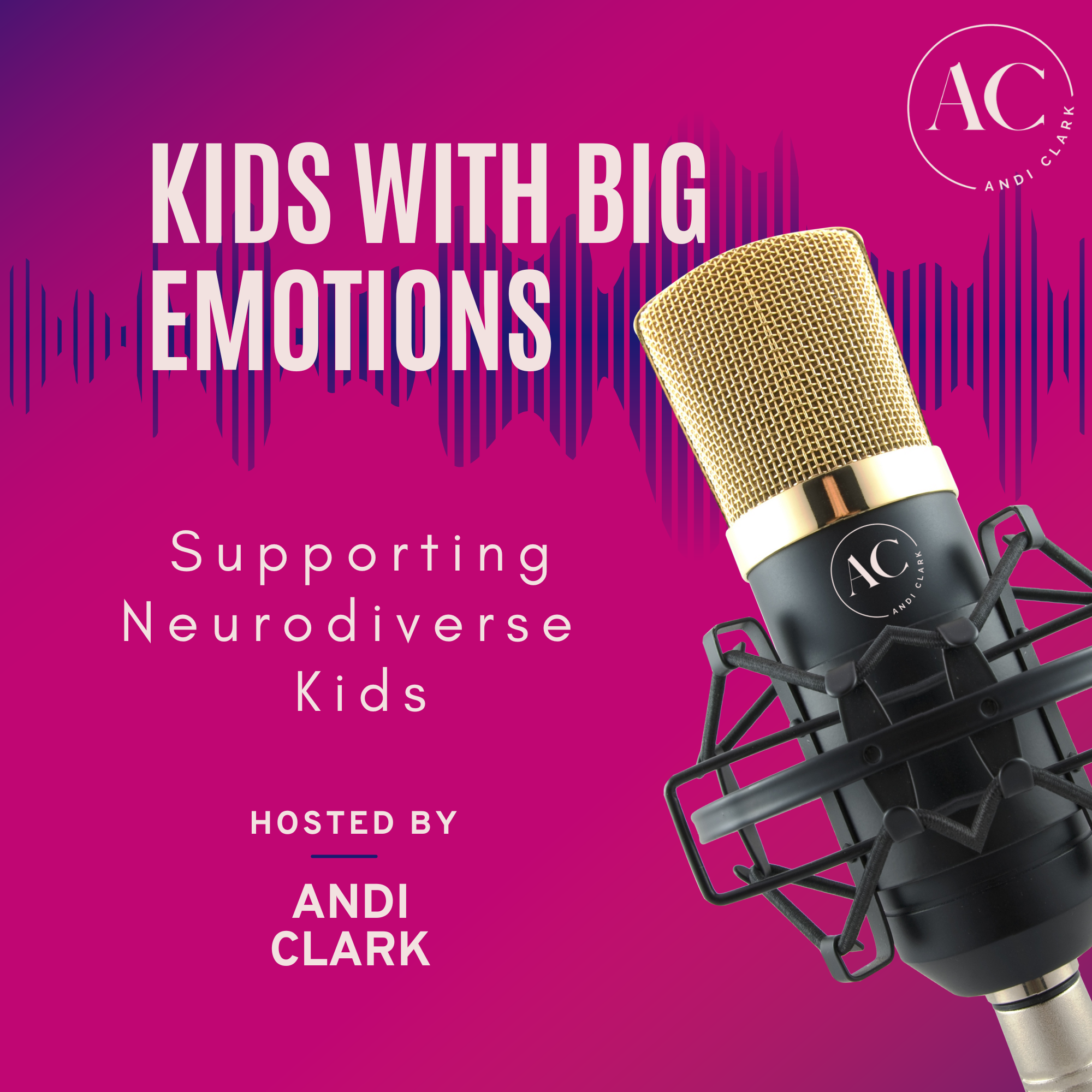
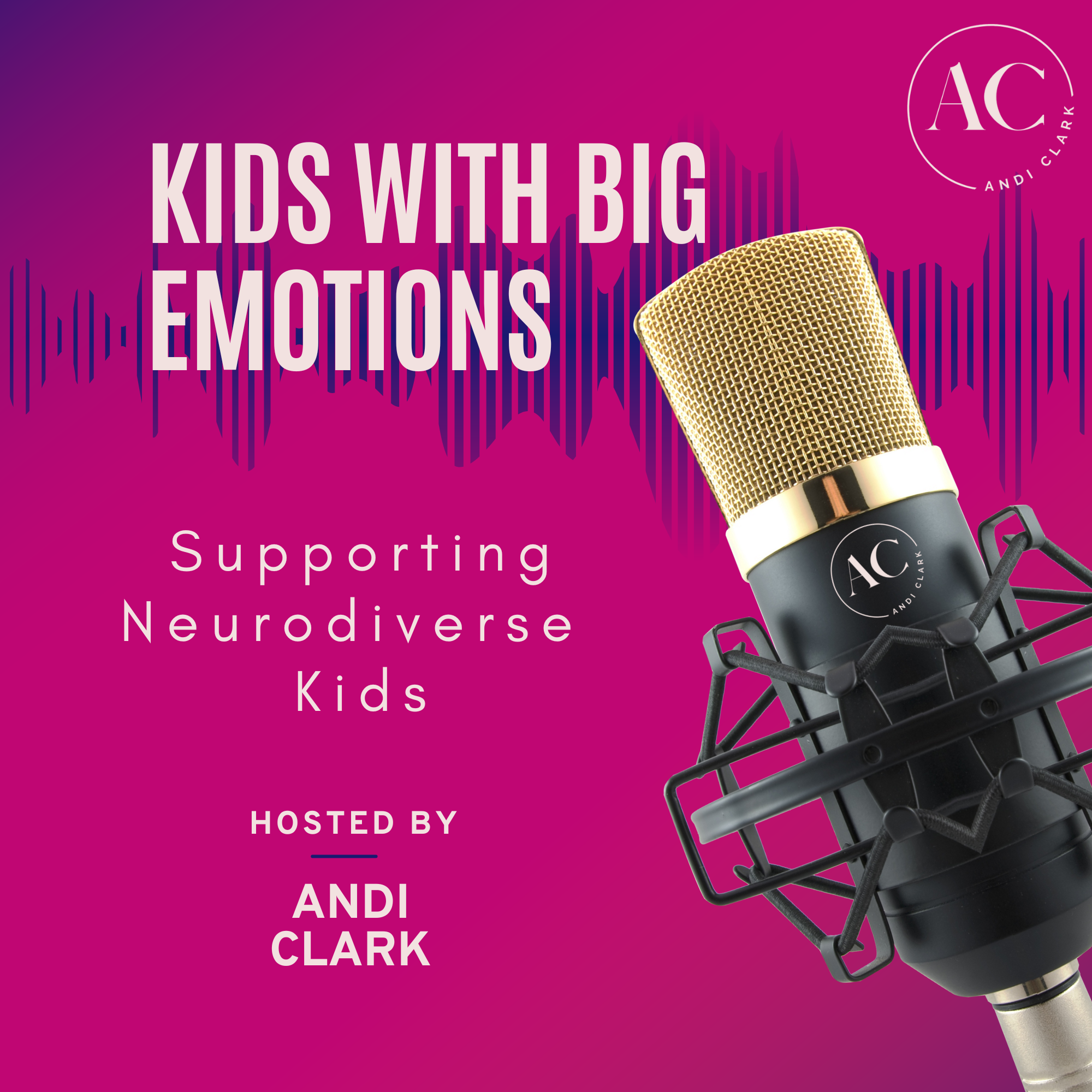
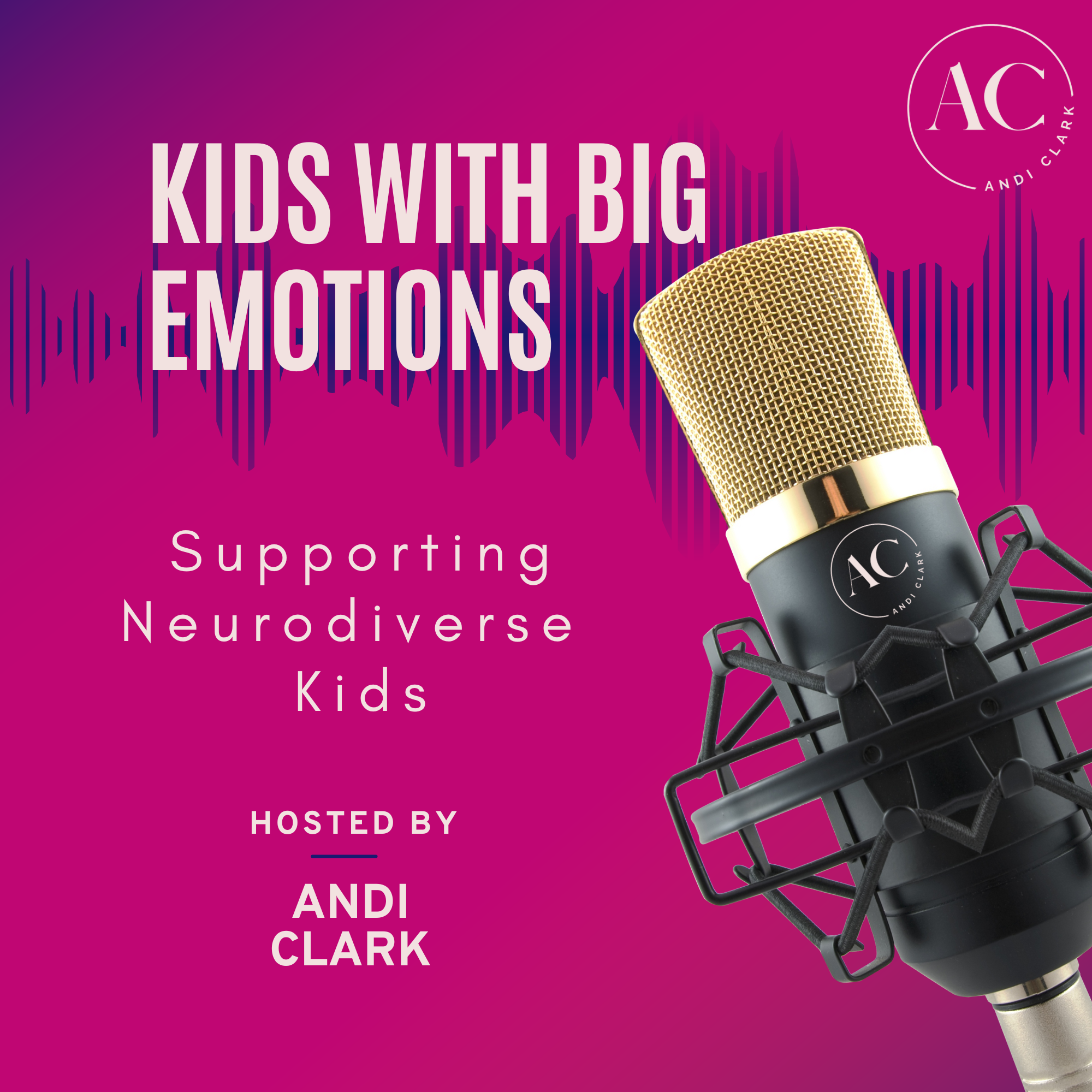
Kids with Big Emotions Podcast

Kids with Big Emotions Podcast

Hosted by Andi Clark

BusinessHealthFitnessInterviews guests

Episodes

123

Latest episode

Sep 2025

Language

EN

About the show

If your child has big emotions that affect your daily life, you are not alone. Since my son was born he has experienced intense anxiety and emotional outbursts that have been challenging. This led me to become a sleep, stress, and resilience coach helping me understand and learn how to regulate my son's nervous system so he was not living in a stressed fight or flight state all of the time. The school environment heightened his anxiety as they focused on managing his outbursts rather than understanding their root causes. While navigating these complexities, I’ve faced numerous challenges and setbacks. However, each phase of my son's development has brought new opportunities for growth and learning for both of us. It’s a continuous process, but it is possible to support and understand children with big emotions more effectively. Through this podcast, I aim to reassure and inspire you. Many children experience intense emotions, and together, we can discover better ways to support not only them but also your entire family. Join me on this journey, and let’s learn from each other. Visit my website at www.andiclark.com to learn more about my experiences and access valuable resources. With over 30 years in the health world, I'm here to share my knowledge and support you every step of the way.

Listen to episodes

60 recent
September 15, 202544 min

123 The Hidden Stressors Impacting Kids’ Emotions with Safiya

Website: 🌐 www.andiclark.comSelf Assessment form: https://subscribepage.io/big-emotions-self-assessmentBook a 30-Minute Call with Andi – Get your questions answered and explore next steps: Book here: https://tidycal.com/andi1/bookacallIn this episode of Kids With Big Emotions, I sit down with Safiya Omosanya to explore the often-overlooked stressors that can impact how our kids think, feel, and behave. From sensory overload to environmental triggers, Safiya shares her insights on what’s really going on beneath the surface when children experience big emotions—and how we as parents can create calmer, more supportive environments.Together, we talk about moving beyond quick fixes, the importance of parent self-care, and why embracing neurodiversity can transform not only our children’s lives but also our own parenting journey.Whether you’re in the thick of meltdowns, struggling with school expectations, or simply wondering what else might be affecting your child’s emotional regulation, this conversation is here to guide you.🔑 Key TakeawaysHidden stressors—like noise, smells, light, or overstimulation—can play a bigger role in your child’s meltdowns than you might realize.Shifting from punishment to understanding opens the door for real connection and growth.Parent self-care is not optional—it’s foundational to modeling regulation for your child.Schools and specialists are helpful, but parents are the strongest advocates and anchors for their child’s needs.Embracing neurodiversity allows children to thrive in their uniqueness rather than feeling “broken” or “less than.”⏱️ Episode Highlights[00:00] Introduction and Safiya’s background[04:20] Why traditional discipline often misses the root cause[09:45] How hidden environmental stressors affect kids’ behavior[15:10] The role of parental regulation and self-care[21:30] Rethinking reliance on schools and specialists[28:40] Embracing neurodiversity and celebrating strengths[34:15] Safiya’s takeaways for parents navigating big emotionsTo reach out to Safiya Omosanya you can book at call or contact her on LinkedIN. 20 minute complimentary “I’m ready to break cycles” session book at www.calendly.com/SafiyaOmosanyaLinked In https://www.linkedin.com/in/safiya-omosanya-aaa46a260
August 4, 202525 min

122 How to help your child in the Middle of a Meltdown

Website: 🌐 www.andiclark.comSelf Assessment form: https://subscribepage.io/big-emotions-self-assessmentBook a 30-Minute Call with Andi – Get your questions answered and explore next steps: Book here: https://tidycal.com/andi1/bookacallMeltdowns are not a sign your child is being disrespectful—they’re a sign they’re overwhelmed, stuck, or trying to communicate something they don’t yet have the words for. In today’s episode, we’re focusing on how to meet your child where they are in the middle of an emotional outburst, and what to do (and not do) to help them feel safe, seen, and supported.You’ll learn how your own nervous system impacts your response, why some kids shut down completely, and what’s actually happening in their brains when they “lose it.” You’ll also get ideas you can try today—even if your child refuses every tool you’ve learned.💡 Key TakeawaysYou can’t teach during a meltdown—the moment is for safety and regulation, not lessons.How your own stress animal influences your response—and what to do if you're triggered too.Why some kids go silent or “freeze” in the middle of a meltdown, and how to support them without pushing.Co-regulation doesn't always look like calming your child down—sometimes it means just being a calm presence beside them.Strategies like turning on a calming show or offering stillness aren’t “giving in”—they’re resetting the nervous system.🕰️ Episode Highlights with Timestamps[03:20] What’s really happening in your child’s nervous system during a meltdown—and why logic doesn’t work at that moment.[06:12] The difference between a tantrum and a meltdown—and why assuming your child is “in control” can make things worse.[09:05] What to do if your child shuts down or goes silent—and why stillness doesn’t mean they’re fine.[13:40] How your own stress response shows up in these moments—and how to ground yourself first, even if it’s just one breath.[17:55] The one thing that makes co-regulation effective—and why trying to “fix” the meltdown too soon backfires.[21:30] Tools that don’t require your child to engage—like a calming show or sitting in quiet together—that reset their nervous system without adding pressure.[25:10] Why your child may reject every tool in the moment—and how to stop taking that personally.[29:00] A reminder that meltdowns are built up over time—and your response today is one step in a longer journey of safety and trust.🔗 Resources Mentioned“Stress Animals” Framework (Dolphin, Shark, Turtle, Clownfish)  Episode 110 https://andiclark.com/podcast/ Book a free coaching call: https://tidycal.com/andi1/bookacall 💬 If this episode helped you see meltdowns in a new light, please share it with a friend or leave a review—it helps more parents feel less alone.🎙 Listen to all episodes at: https://andiclark.com/podcast/ 

July 28, 202546 min

121 Behavior is a Signal, Not the Problem with Amy Dooley

Website: 🌐 www.andiclark.comSelf Assessment form: https://subscribepage.io/big-emotions-self-assessmentBook a 30-Minute Call with Andi – Get your questions answered and explore next steps: Book here: https://tidycal.com/andi1/bookacallIn this powerful conversation, former special education teacher and parent coach Amy Dooley joins Andi to explore what it really means to parent from a place of connection, not control. Amy shares her personal shift from traditional classroom discipline to connection-based parenting, and how that journey led her to support parents in transforming their own limiting beliefs.Key Takeaways:Behavior is a signal, not the problem. When kids act out, it’s often a cry for safety, not defiance.You are worthy, even in the mess. Your child doesn’t need a perfect parent—they need a present one.Parenting shifts begin with self-work. To truly support your child, start by noticing and healing your own patterns.Control isn’t connection. Old-school discipline methods may suppress behavior, but they don't meet your child’s underlying needs.Safety comes before strategies. When your child feels seen and supported, their nervous system calms—and so does yours.Episode Highlights:[00:00] – Welcome + Amy's background as a teacher and homeschool parent[02:00] – Early career belief: “Control = good teaching”[04:50] – The moment Amy realized she wasn’t seeing the child—just the behavior[06:30] – The Coke bottle metaphor: why behavior is the symptom, not the problem[08:30] – Shifting from labeling kids to understanding them[10:00] – Step one: Assigning positive intent to your child[12:30] – Why parents must start with their own healing[14:10] – “I am worthy. Period.” and what today’s kids are demanding[16:00] – Parenting through generational change[17:50] – The screwdriver and screw analogy: why parent shifts must come first[20:00] – Why Amy left the classroom to work with parents[22:30] – A child’s progress is limited when the home foundation is shaky[25:30] – How presence—not perfection—builds trust[28:00] – Feeling like you’re not enough as a parent[30:00] – What “being enough” really looks like in the messiest moments[33:00] – Why your own regulation matters more than the strategy[35:00] – Amy’s story of timing meltdowns vs. being present[37:00] – When you shift, your child’s behavior shifts too[39:00] – Forgiving your former self and building new tools[42:00] – The parenting purse analogy: replacing outdated tools[45:30] – Final message: You are worthy. Your mess doesn’t disqualify you.Resources Mentioned:💡 Amy Dooley's Free Quiz: Discover your parenting strengths and get 3 connection-based strategies: https://quiz.tryinteract.com/#/683657ece9067900158eb2a9 📱 Follow Amy on Facebook: The Empowered Parent: https://www.facebook.com/empoweredparentcoach/Instagram (https://www.instagram.com/amy.dooley_parentcoach) + TikTok: @the.empowered.parent (https://www.tiktok.com/@theempoweredparentcoach)💬 Loved this episode?If Amy’s message about worthiness and connection-based parenting spoke to you, take a moment to reflect: What outdated tools are you ready to let go of?You don’t have to do this alone.Start by exploring Amy’s free quiz to see where your child is struggling and how you can create more calm, connection, and clarity—together.👉 Tap the links in the show notes to take your next step.

July 21, 202534 min

120 When Simple Tasks Turn Into Big Struggles

Website: 🌐 www.andiclark.comSelf Assessment form: https://subscribepage.io/big-emotions-self-assessmentBook a 30-Minute Call with Andi – Get your questions answered and explore next steps: Book here: https://tidycal.com/andi1/bookacall💡 Key Takeaways:If your child melts down over getting dressed, avoids homework, or can’t stick with a simple routine—it’s not defiance or laziness. Their brain might be overwhelmed by the steps we’re asking them to take.Many kids are expected to follow plans or routines before they’re ready—because no one has helped them with the basics their brain needs first.Before kids can follow a list or stay focused, they need help with skills like noticing what’s happening around them, managing distractions, and stopping themselves from going off track.When we slow things down and meet them at the step they can handle, they feel more successful—and that’s when real progress begins.Your child isn’t failing. They just need support that matches how their brain works.⏱️ Episode Highlights & Timestamps:[00:01:15] Why even adults struggle with attention—and how screens play a role[00:06:40] Real-life examples of attention struggles and how they affect daily routines[00:08:15] Introducing the fire metaphor: Kindling, logs, and flames of executive functioning[00:10:20] The four foundational skills that must come before planning[00:13:10] Why giving your child a “beautiful visual schedule” might still lead to meltdowns[00:14:35] How skipping steps on the ladder causes overwhelm, shutdowns, and feelings of failure[00:16:00] The hidden complexity of getting dressed—and why it’s not just one task[00:18:45] How brain maturation and scaffolding work together over time📚 Resources Mentioned:Want to better understand your child’s executive functioning challenges? Start with the Kids With Big Emotions Self-Assessment: 👉 https://andiclark.com/assessmentReady to explore personalized support? Book a free 30-minute call to see if 1:1 coaching is the right fit for your family: 👉 https://tidycal.com/andi1/bookacall

July 14, 202550 min

119 From Meltdowns to Connection with Megan Hamm

Website: 🌐 www.andiclark.comSupport Circle Membership: https://andiclark.thrivecart.com/support-circle/Self Assessment form: https://subscribepage.io/big-emotions-self-assessmentBook a 30-Minute Call with Andi – Get your questions answered and explore next steps: Book here: https://tidycal.com/andi1/bookacallIn this powerful conversation, I sit down with Licensed Professional Counselor and Registered Play Therapist Megan Hamm, who has spent 17+ years supporting children and families through trauma, crisis, and complex emotional needs. Together, we unpack why traditional views of “bad behavior” miss the mark—and what parents can do instead to truly support their children in moments of big emotion.Whether you’re navigating daily meltdowns, feeling stuck in reaction mode, or simply want to build a deeper connection with your child, Megan offers a compassionate, grounded framework to help you shift from managing behavior to understanding it.Key TakeawaysBehavior is communication: Every outburst or meltdown is a signal, not a problem to be fixed.Connection comes before correction: Real change begins with relationship, not control.In-the-moment responses aren’t the time for teaching: Kids in crisis need safety, not consequences.You can’t teach what you haven’t practiced: Parents must build their own regulation tools first.Modeling matters more than managing: Your calm presence teaches more than any strategy.Changing the environment matters: Preventing crisis often starts with how we set up the home and routine.Episode Highlights[00:00] - Introduction to Megan and her background in trauma-informed care[04:00] - The shift from changing behavior to understanding behavior[07:00] - What to do when your child is in meltdown: A crisis-response lens[09:00] - Why calm connection beats consequence every time[12:00] - How to prepare your home and your nervous system for high-emotion moments[16:00] - Practicing regulation when things are not chaotic—why timing matters[20:00] - Why Megan does more parent coaching than direct child therapy[25:00] - What children really need during a meltdown—and why “fixing” doesn’t work[30:00] - Letting kids learn through experience and mistakes, without shaming[36:00] - What to say when others don’t understand your parenting approach[41:00] - Modeling, natural consequences, and what actually builds lifelong skills[48:00] - Megan’s book and how to work with herResources Mentioned🔗 Megan Hamm’s Website: www.meganmhamm.com 📖 Book – The Heart of the Matter: Buy here https://buy.stripe.com/5kA4hxcDc2zd0GkbIJ 🔗 LinkedIn: www.linkedin.com/in/meganhamm-lpc 📱 Instagram: https://www.instagram.com/meganhammlpc/ 👥 Facebook: facebook.com/megan.hamm.554041🎧 Want to reflect more deeply on your parenting journey?If this episode stirred something in you or helped you see your child’s behavior in a new light, I invite you to take a quiet moment to explore what support might look like for your family. You don’t have to figure it all out alone.

July 7, 202522 min

118 You Can’t Lead Your Child Out of Chaos If You’re Still In It

Website: 🌐 www.andiclark.comSelf Assessment form: https://subscribepage.io/big-emotions-self-assessmentBook a 30-Minute Call with Andi – Get your questions answered and explore next steps: Book here: https://tidycal.com/andi1/bookacallIn this powerful solo episode, Andi walks parents through a foundational truth: you can't help your child regulate if you're still dysregulated yourself. When your child melts down, it’s easy to default to scripts and strategies—yet what your child truly needs is your steady presence. Andi explains how stress animals show up in parenting, why awareness is the first step, and what it really means to become the anchor your child can return to when they’re overwhelmed.This is Step 3 of Andi’s CARE5™ framework—focused on Regulating Yourself before trying to co-regulate your child.Key TakeawaysYou can’t co-regulate a child if you’re still activated yourself.Knowing your stress animal (shark, clownfish, turtle) helps you interrupt reaction cycles.It’s not about getting calm perfectly—it’s about noticing when you’re not.Regulation starts with awareness, not strategy.You don’t need to fix everything in the moment—your presence is what matters most.Episode Highlights[00:00] Why this episode goes before calming your child: it starts with your nervous system.[02:00] Introduction to the CARE5™ model and its previous steps.[04:00] “You can’t be the anchor when you’re caught in the wave.”[06:00] A compassionate reminder that no parent can be calm 100% of the time.[07:30] Adult stress animals: how yours show up fast in parenting.[09:00] What happens when a child’s shark triggers your shark (or clownfish or turtle)?[10:30] You can be a firm shark without being in threat mode.[12:00] Real-world example: a clownfish parent with a turtle child.[14:30] “Your nervous system leads the way”—why your calm comes first.[16:00] Think of your calm as a dock in the storm.[17:00] Fire drills and stress practice: why we train outside the meltdown.[18:30] The first shift isn’t behavior—it’s noticing.[20:00] What your child needs most is you—not the perfect tool or script.[21:00] How to work with Andi if you want deeper support.Resources MentionedEpisode 110: Understanding Your Child’s Stress Animal: https://open.spotify.com/episode/0vlnDR2iEqZ8K57YxJ5xU7?si=lCs7WKO6TUubNAUpMP_AyQEpisode 116: Changing the Lens on Behavior (Step 1 of CARE5™): https://open.spotify.com/episode/0t1mfLsWM6M3szf7PTJwYy?si=0156f0f2a94240b0 Ready to become the steady anchor your child needs? Start by calming your own waves first.

June 30, 202554 min

117 Helping Kids Take Control of Learning with Josh Aronovitch

Website: 🌐 www.andiclark.comSupport Circle Membership: https://andiclark.thrivecart.com/support-circle/Self Assessment form: https://subscribepage.io/big-emotions-self-assessmentBook a 30-Minute Call with Andi – Get your questions answered and explore next steps: Book here: https://tidycal.com/andi1/bookacallWhat if SAT prep wasn’t just about getting a better score—but about helping your child see their worth, trust their process, and feel empowered to handle hard things?In this conversation, Andi sits down with coach and educator Josh Aronovitch, who’s known for helping kids not just improve test scores—but deeply reconnect with their own strengths. From supporting neurodiverse kids with test anxiety to helping students find the college path that fits who they are, Josh brings a perspective that goes far beyond academics.Whether your child is preparing for high school, college, or still figuring things out, this episode is packed with emotional insight, practical wisdom, and the kind of hope parents need.Key TakeawaysTest-taking is a skill, not a reflection of intelligence. Many kids know the material—they just haven’t been taught how to take tests in a way that works for their brain.Your child’s nervous system matters. Emotional regulation, mindset, and even breathwork play a bigger role in performance than most people realize.Standardized tests are flawed—but can be a powerful opportunity. With the right tools and perspective, even students who struggle can thrive.Success doesn't come from doing it right the first time. The journey—mistakes and all—helps kids build grit, confidence, and the ability to handle life’s curveballs.College planning should start with who your child wants to be—not just what job they’ll have.Episode Highlights[00:03:00] – Do SATs still matter? Josh explains how “test-optional” doesn’t always mean optional—and why test scores can still open doors.[00:05:30] – Why kids struggle with testing (and it’s not what you think): From psychological spirals to perfectionism, Josh breaks down what really gets in the way.[00:08:30] – Helping a student go from 720 to 1190: How a 2-year journey transformed not just scores—but self-belief.[00:10:45] – Test prep as emotional growth: Why learning to pause, breathe, and “get off the wrong train” changes everything.[00:16:00] – Understanding before memorizing: Why high-achieving kids often get stuck in math—and how to teach it differently.[00:21:00] – The truth about multiple choice and second-guessing: Josh shares how depth of thinking can actually backfire—and how to help.[00:28:30] – Finding the right college path: Josh flips the question—starting with how your child wants to feel, then working backwards.[00:35:30] – The power of failure: Why kids need safe experiences with mistakes in order to grow.[00:41:00] – A client story: 7 SATs, a perfect score in math, and med school dreams realized.[00:46:00] – Josh’s global lifestyle and why travel helps kids dream bigger: A story about dancing, yoga, and finding joy through discomfort.Resources MentionedConnect with Josh:Website: www.aronovitchcoaching.comFacebook: https://www.facebook.com/ARONOVITCHCOACHINGInstagram: https://instagram.com/joshthesatguy LinkedIn: https://www.linkedin.com/in/josharonovitch/Text Josh directly: 856-341-0503Retreat: https://docs.google.com/document/d/1AbgkhYVGakwYWtG-vSYOe6Zo94AX5Mrk0omdu77w36g/edit?usp=sharingIf you loved this episode, make sure to subscribe and leave a review!

June 23, 202522 min

116 What If It’s Not Bad Behavior—But a Stress Response?

Website: 🌐 www.andiclark.comSelf Assessment form: https://subscribepage.io/big-emotions-self-assessmentBook a 30-Minute Call with Andi – Get your questions answered and explore next steps: Book here: https://tidycal.com/andi1/bookacallIf your child seems to flip from calm to chaos without warning, this episode will change the way you see those outbursts.What if their “bad behavior” isn’t defiance—but a sign their nervous system is overloaded?In this foundational episode, Andi introduces Step 1 of the CARE5™ Framework: Changing the Lens. You’ll learn why traditional discipline often backfires, how to recognize stress signals in your child, and what’s really happening beneath those emotional explosions.Using the Coke bottle analogy and real-life examples, Andi helps you shift from guilt and frustration to clarity and compassion—so you can begin responding instead of reacting.Key Takeaways:“Misbehavior” is often a stress response—not manipulation or disrespect.Emotional outbursts tend to happen when a child’s nervous system is overwhelmed.The first step to supporting your child is changing how you interpret their behavior.Our nervous systems react faster than logic—especially under chronic stress.You can’t co-regulate your child until you first regulate your own nervous system.Episode Highlights:[00:00:00] Welcome + what the CARE5™ Framework is and how it helps[00:03:00] Common mismatch between adult expectations and child capacity[00:04:30] Story: Pokémon night meltdown and uncovering the hidden stress[00:07:30] What happens in the brain and body when a child feels unsafe[00:10:00] Reframing defiance as an overwhelmed nervous system[00:11:00] Coke bottle analogy: how stress builds invisibly before it explodes[00:13:30] Why home becomes the safe place where meltdowns happen[00:16:00] The life vest metaphor: why discipline isn’t what they need[00:18:00] Small stressors that shook my son's Coke bottle that day[00:19:00] Recap: Step 1 of the CARE5™ Framework – Change the Lens[00:21:00] Preview of Step 2: Stress Animals (listen to Episode 110)Resources Mentioned:🎧 Episode 110 – Understanding Your Child’s Stress Animal: https://open.spotify.com/episode/0vlnDR2iEqZ8K57YxJ5xU7?si=lCs7WKO6TUubNAUpMP_AyQ Ready to see your child’s behavior through a new lens?

June 16, 202541 min

115 Helping Kids Regulate and Thrive with Melissa McIntosh

Website: 🌐 www.andiclark.comSelf Assessment form: https://subscribepage.io/big-emotions-self-assessmentBook a 30-Minute Call with Andi – Get your questions answered and explore next steps: Book here: https://tidycal.com/andi1/bookacallIn this powerful episode, Melissa McIntosh—former Educational Assistant turned mindfulness mentor—shares her journey from burnout in the school system to building Mindful Kids Inc. Her mission? Helping families reconnect through simple, effective mindfulness practices that truly support emotional regulation. We explore why mindfulness isn’t just for kids, how parents can model regulation, and what it really means to build a calm home from the inside out.Key TakeawaysMindfulness is a lifestyle, not a technique – It’s about consistent, bite-sized practices that shift the family dynamic over time.One size doesn't fit all – Each child has unique tools that work for them; helping them discover what fits is the magic.Academics aren't the foundation – Emotional awareness must come first for real learning and connection.You are the expert on your child – Trusting your intuition, even when it goes against the system, is critical.Episode Highlights[00:00] – Meet Melissa: Her transition from education to mindfulness, and why she followed her gut.[03:45] – The moment she realized the system wasn’t working—for kids, for families, or for herself.[06:30] – Why her husband’s calm energy opened the door to mindfulness—and how it changed everything at home.[10:15] – The missing piece in schools: involving parents and seeing the whole child, not just academics.[14:00] – Why mindfulness must start with parents before it can help their children.[18:15] – How kids can learn to filter outside energy, like “Steve’s nosebleed,” through a calm lens.[22:00] – The Mind Jar explained: how a simple tool helps kids settle their thoughts and feelings.[26:00] – What it looks like when kids start teaching mindfulness at home—and why that’s the real win.[30:00] – Mindfulness as a superpower that grows with your child over time.[33:45] – What to do when kids are dysregulated and the tool doesn’t “work.”[36:00] – The moment you realize: it’s working.[38:00] – Why gratitude is part of mindfulness—and how it changes the emotional tone of a family.Resources MentionedMindful Kids Inc. – Melissa’s mindfulness-based programs for kids and families: https://www.mindfulkidsinc.comFollow Melissa onInstagram: @mindfulkidsincFacebook: https://www.facebook.com/mindfulkidsinc If this episode resonated with you, please subscribe and share it with a friend who’s raising a child with big emotions.

June 9, 202522 min

114 When Kids Overachieve or Underachieve: What Parents Miss

Website: 🌐 www.andiclark.comSelf Assessment form: https://subscribepage.io/big-emotions-self-assessmentBook a 30-Minute Call with Andi – Get your questions answered and explore next steps: Book here: https://tidycal.com/andi1/bookacallWhat drives some kids to push themselves relentlessly while others seem to lack motivation altogether? In this episode, Andi explores what’s underneath both ends of the spectrum—overachieving and underachieving—and what parents might be missing. Whether your child is racing ahead with academic goals or struggling to get started, this episode will help you understand the hidden executive functioning struggles that shape their behavior and what to do about it.Key TakeawaysOverachievement can mask underlying executive functioning struggles, especially in social, emotional, or sleep areas.Underachievement isn’t laziness—it often stems from overwhelm, fear of failure, or difficulties with initiation and planning.Asking curious, compassionate questions helps kids reflect and create flexibility in their goals and timelines.The “gap vs. gain” mindset shift (from Dan Sullivan and Benjamin Hardy’s book) helps both parents and kids celebrate progress instead of chasing perfection.Progress looks different for every child—sometimes the slowest pace is the most meaningful.Episode Highlights & Timestamps[00:00] – Introduction: Why kids may be overly driven or totally disengaged[01:40] – A real-life story: A teen pushing for an associate’s degree before high school graduation[03:00] – The missed question: Have we stopped to celebrate progress?[04:00] – How executive functioning struggles can hide behind academic success[05:30] – Challenges like inhibition, switching tasks, and sleep issues in high achievers[06:00] – The opposite end: Kids with no drive and what’s behind the shutdown[07:00] – A deeper dive into executive functioning (initiation, flexibility, planning, etc.)[08:30] – Explaining the Gap and the Gain framework to kids[10:00] – Guiding kids through flexible thinking with curious questions[12:00] – Using short-term scenarios (like Lego or ice cream) to build long-term skills[13:00] – Helping high achievers reflect, rest, and regulate[14:30] – Using tools like health trackers (Whoop, Oura) to validate rest[15:45] – Supporting disengaged kids through tiny wins and drive-by praise[17:30] – Honoring their pace and effort over outcome[18:45] – Questions for parents: Where is your child thriving on the surface but struggling underneath?[20:00] – Modeling balance and rest as a parent[21:15] – Final thoughts: Both drive and disinterest can hide deeper needsResources MentionedThe Gap and the Gain by Dan Sullivan & Dr. Benjamin HardyExecutive Functioning Podcast SeriesEp. 85 Perception: Emotional Regulation 101: https://open.spotify.com/episode/2TNuHQyoCA9VhiSOWWqRSG?si=PWEUzBd9STKiJ1pKDBiCJg Ep. 86 Attention: Struggles Aren’t Always ADHD: https://open.spotify.com/episode/16DRPoFWy78XlLvmCDF0kW?si=lTaIMc3lQPCuHVHuttTU0QEp.88 What is Working Memory? Part 1: Verbal Working Memory: https://open.spotify.com/episode/3Vavf1BBwLwORkai5ZIwcX?si=0Z-n6cRkSEquqJ2b6tYPOgEp. 89 What is Working Memory? Part 2: Non Verbal Working Memory: https://open.spotify.com/episode/4Ygbn1LqDNrvL9MPDydkDp?si=KwdSPvC-QdeIXKWt-WMQ9AEp. 90 Inhibition: Helping your child navigate impulsivity: https://open.spotify.com/episode/3eZWomMOv5V7emtZrClYlU?si=6Vlvgod5QFiqhhpwMBXm4QEp. 93 Initiation: Why Getting Started Is Hard For Some Kids And How To Help: https://open.spotify.com/episode/695CBuXzpx0juVy08VKmDO?si=85Ql0vAJRPqlai-68_CRZwEp.94 Cognitive Flexibility: Why Perfectionism and Inflexible Thinking Go Hand in Hand: https://open.spotify.com/episode/3adl8y66voFQL5lrvKLFFn?si=cqnK67s_RdSMI_6qVJ-ubg110 Understanding Your Child’s Stress Animal Is the Key to Calmer Days: https://open.spotify.com/episode/0vlnDR2iEqZ8K57YxJ5xU7?si=r6Mrqn5DQru28qLF9EW7Cg

Is this your show?

Claim this listing to keep it up to date, reach guests who want to pitch you, and manage bookings with Guestify.

Claim this listing

More Business podcasts