Find partners
The Ontic Connected Intelligence Podcast

The Ontic Connected Intelligence Podcast

Hosted by Ontic

TechnologyHistoryInterviews guests

Episodes

244

Latest episode

Oct 2026

Language

EN

About the show

Welcome to the Ontic Connected Intelligence Podcast, the show for corporate security professionals who are elevating the practice and perception of security. Whether you’re a seasoned professional or new to the field, our podcast offers valuable insights and practical advice to help you navigate the complexities of modern corporate security. Hosted by Fred Burton and Manish Mehta, our episodes are packed with real-world examples and forward-thinking solutions to help you secure your organization effectively. Whether you're looking to enhance your intelligence-gathering capabilities, build a robust security team, or stay updated on the latest industry trends, this podcast empowers you to make informed decisions and lead with confidence. Tune in and join us on our mission to keep people safe and make organizations stronger. Subscribe now and never miss an episode.

Listen to episodes

60 recent
October 7, 202636 min

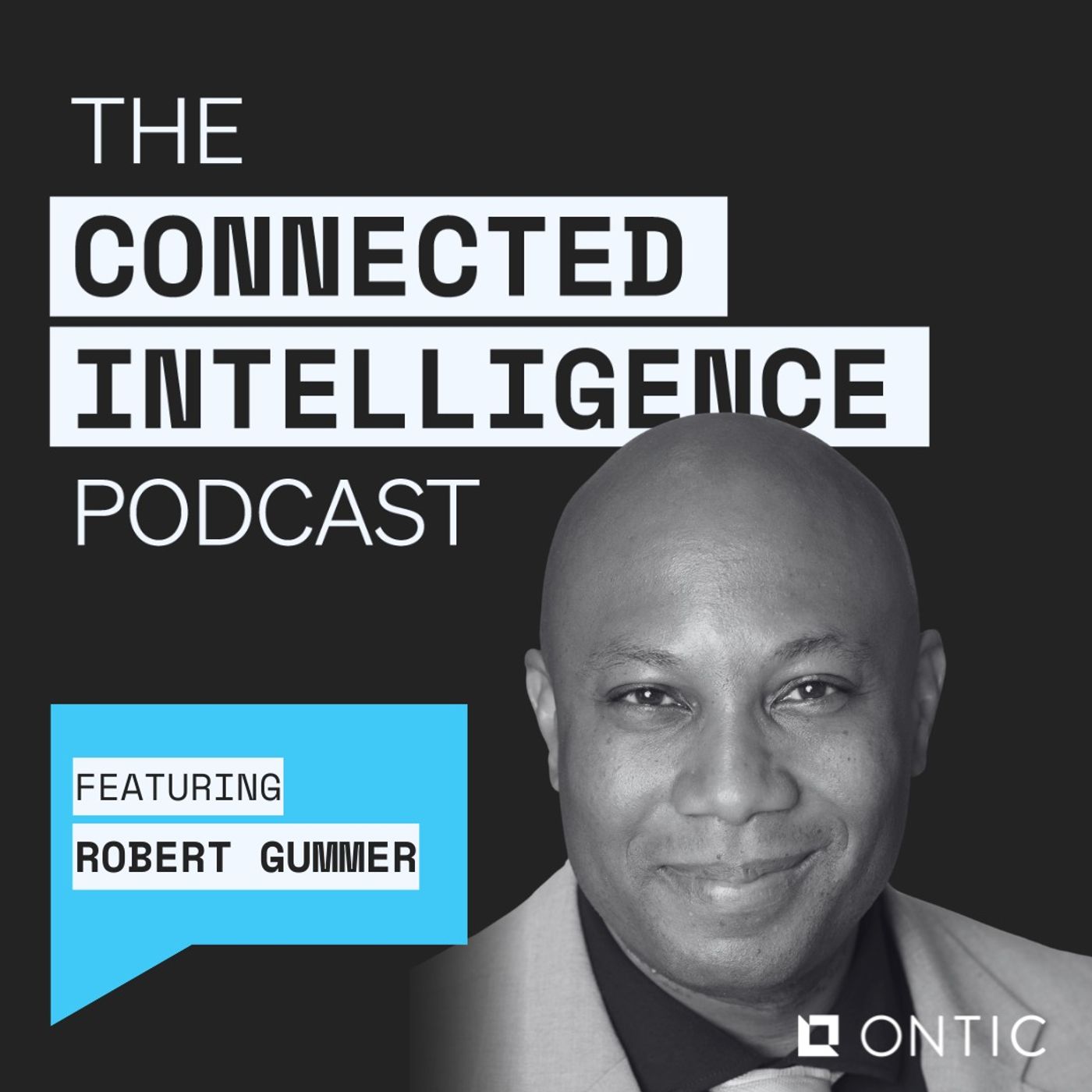
From the World Cup to the Olympics: Scaling Event Security with LA Metro’s Robert Gummer

Keeping a major event safe means protecting more than the stadium. Robert Gummer, Deputy Chief of Emergency Management and Security at LA Metro, joins Fred Burton to discuss lessons from the World Cup and how they’re informing preparations for the 2028 Olympics. He shares how integrating security across business units and strengthening partner relationships helped support safe transportation and fan events. The conversation explores how teams cut through threat-reporting noise, prioritize resources across transit hubs and fan zones, and connect intelligence to operational decisions. Looking ahead to the Olympics and Paralympics, Gummer explains why security deployments must become more flexible as the event footprint expands. You'll learn: Scale event security beyond stadiums to transit hubs and fan zones Build the partnerships and coordination that major events demand Use actionable intelligence to prioritize event security resources Learn more about Connected Intelligence for the public sector here .
September 23, 202624 min

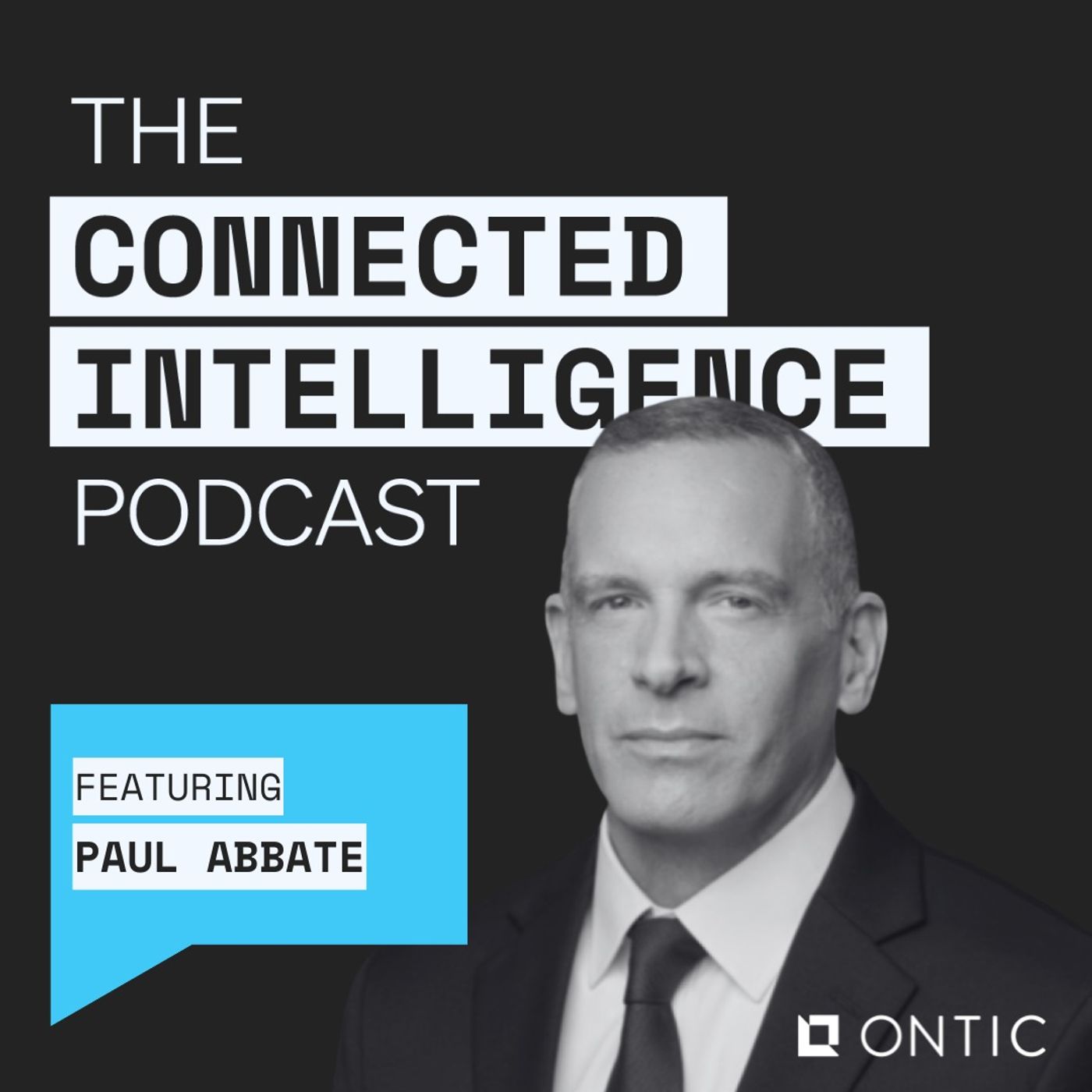
Evolving Insider Threats and Cyber-Physical Convergence with Former FBI Deputy Director Paul Abbate

Cyber threats don’t stay online—and insider threats don’t stop at the employee roster. Former FBI Deputy Director Paul Abbate joins Fred Burton to explore what these shifting boundaries mean for corporate security. Drawing on nearly three decades at the FBI and his advisory work at FTI Consulting, Paul discusses cyber-physical convergence, the expanding scope of insider threats, and the importance of connecting intelligence across teams. He shares why building trusted relationships before a crisis, getting security fundamentals right, and turning information into action are essential to protecting people and organizations. Listeners will: • Learn how compromised systems, exposed personal information, and online surveillance can turn digital threats into real-world harm • Understand how remote work, contractors, and supply chain partners are expanding insider risk beyond the traditional employee model • Explore how collaboration across security, human resources, legal, and leadership helps teams connect intelligence and take preventive action If you're enjoying this episode, please take a minute to rate and review the show.

September 9, 202623 min

Adapting Executive Protection in Dynamic Threat Environments with Jonathan Wackrow

Protection is most effective when it enables the mission rather than simply restricting it. In this episode, Fred Burton speaks with Jonathan Wackrow, managing director of Sentinel Resource Group, former U.S. Secret Service special agent, CNN law enforcement analyst, and co-author of The Protector’s Edge . Drawing on his experience with the Presidential Protective Division, Jonathan explains how leaders make consequential decisions with imperfect information, adapt plans as threat conditions change, and establish clear thresholds before a crisis. He also explores the shift from tactical protection to strategic leadership, including the importance of trust, cross-functional coordination, and understanding the principal’s objectives. The conversation closes with a powerful view of Connected Intelligence as the link between people, functions, context, and decisions that creates real decision advantage. You'll learn: • How protective leaders make consequential decisions with imperfect information • Why adaptability, predefined thresholds, and trusted relationships matter in volatile environments • How Connected Intelligence turns siloed information into decision advantage Sign up for our monthly newsletter here . Enjoying this episode? Take a minute to rate and review the show.

August 26, 202622 min

Connected Data, Trusted Decisions: Building an AI-Ready Security Program with Lukas Quanstrom

AI is creating new possibilities for corporate security, but readiness depends on far more than adopting a new tool. Ontic CEO and co-founder Lukas Quanstrom joins Manish to explain why connected, governed data and clearly defined workflows are essential for trustworthy AI outcomes. They discuss the difference between using AI for efficiency and using it to achieve foresight at scale, where systems continuously identify patterns and surface risks before teams think to ask. Lukas also shares practical steps security leaders can take now, from choosing a focused use case to measuring whether teams can reach evidence-backed decisions faster. Their conversation offers a grounded look at how generative and agentic AI could reshape security operations while keeping governance, accountability, and human judgment at the center. You'll learn: Why connected, governed data is the foundation of AI readiness How foresight at scale differs from simply making existing work faster Practical steps for building trusted, evidence-backed AI workflows Take Ontic's AI Readiness Assessment here . Enjoying this episode? Take a minute to rate and review the show.

July 15, 202629 min

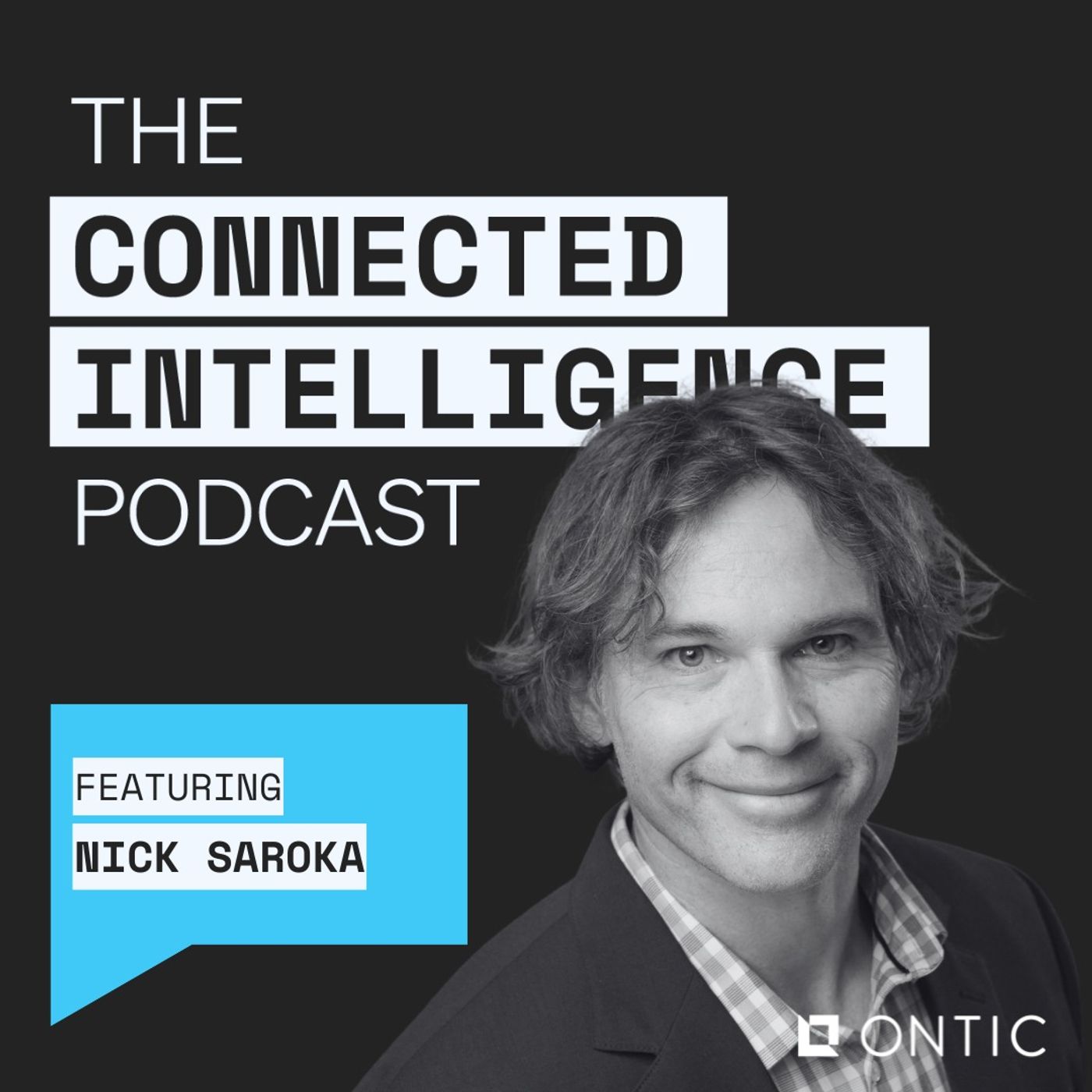
From Monitoring Hub to Enterprise Nerve Center: Building a Business-First GSOC with Nick Saroka

A mature GSOC does far more than monitor alarms. Manish speaks with Nick Saroka, Vice President of Operations at Exlog Global, about turning the GSOC into an enterprise nerve center that supports decisions across the business. Nick explains how teams can connect threat monitoring to organizational objectives, determine when to escalate with incomplete information, and earn credibility through relationships and repeated performance. He also explores AI’s role as a force multiplier for intelligence collection and dissemination while keeping human validation and judgment in the loop. The conversation closes with practical career advice for analysts who want to understand the businesses they protect and create greater organizational value. You'll learn: How to align GSOC intelligence with business objectives and operational decisions What to weigh when moving from monitoring to escalation and action Where AI can accelerate intelligence workflows without replacing human judgment Similar episodes: Building Next-Gen GSOCs with Visa’s Niall Herlehy A Modern Approach to Managing GSOCs with Jesse Leeds Fail Forward: Lessons in Leadership and Innovation with Jacob Valdez Embracing Change in Corporate Security: Strategies for Modernization with Ryan Schonfeld of HiveWatch If you're enjoying this episode, please take a minute to rate and review the show.

July 1, 202624 min

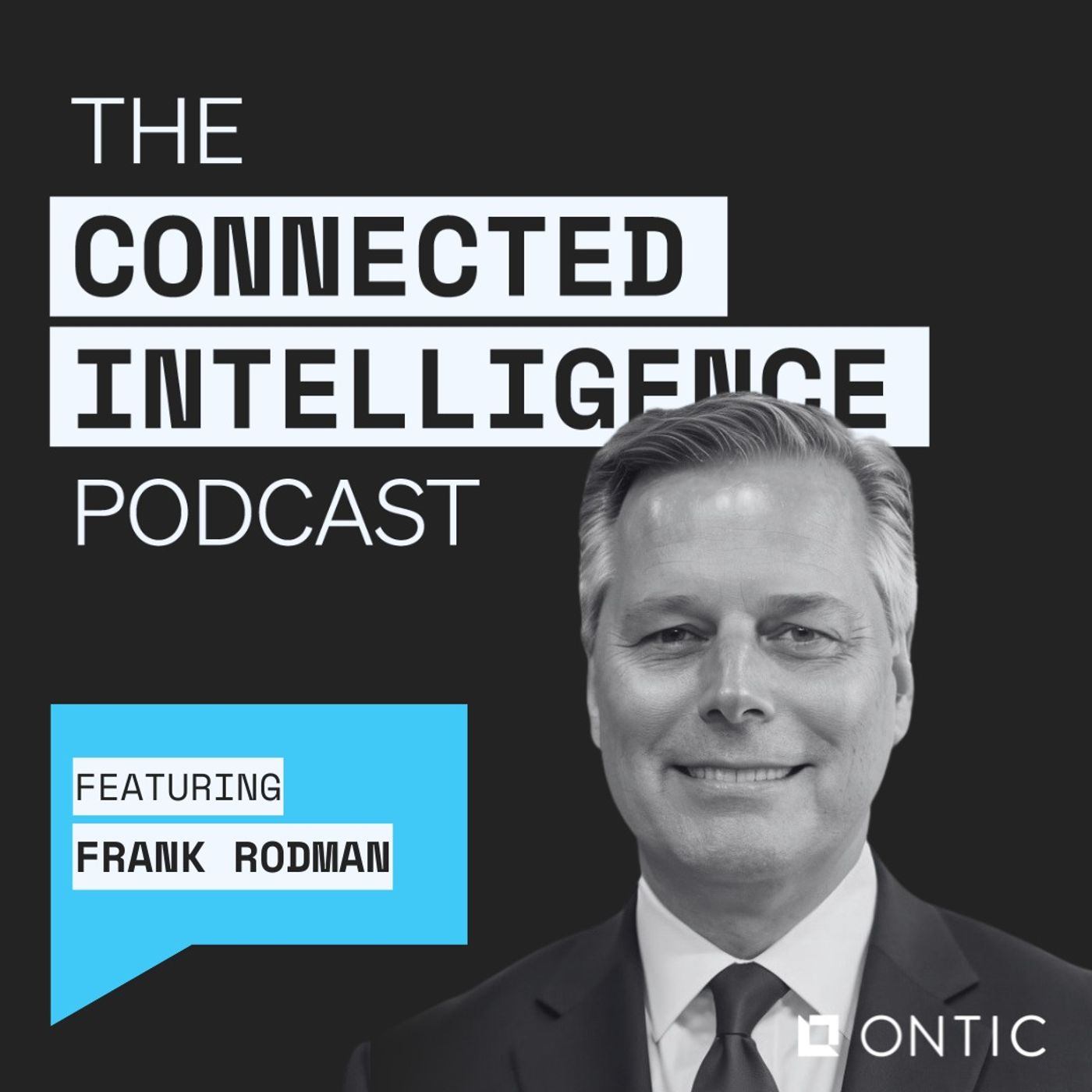
Turning Fragments Into Context: Frank Rodman on Event Security and Protective Intelligence

Frank Rodman, CEO and co-founder of Torchstone Global, joins Fred Burton to discuss what it takes to protect people, events, and organizations in an increasingly complex threat environment. Drawing on more than 30 years of experience across the Diplomatic Security Service, corporate security, executive protection, GSOC operations, and major global events, Frank shares lessons from the 1993 World Trade Center bombing investigation, the Tokyo subway sarin attack, Olympic Games, and Super Bowls. The conversation explores why private-sector security depends on influence, coordination, and clear communication, not just authority. Frank also explains how Connected Intelligence helps teams turn fragmented information into the context needed to make better security decisions before risk becomes crisis. You'll learn: How protective intelligence helps teams connect weak signals before a crisis Why major event security requires coordination, red teaming, and thoughtful trade-offs How security leaders can build stronger teams by combining expertise, communication, and business acumen Subscribe to our monthly newsletter here . If you're enjoying this episode, please take a minute to rate and review the show.

June 17, 202640 min

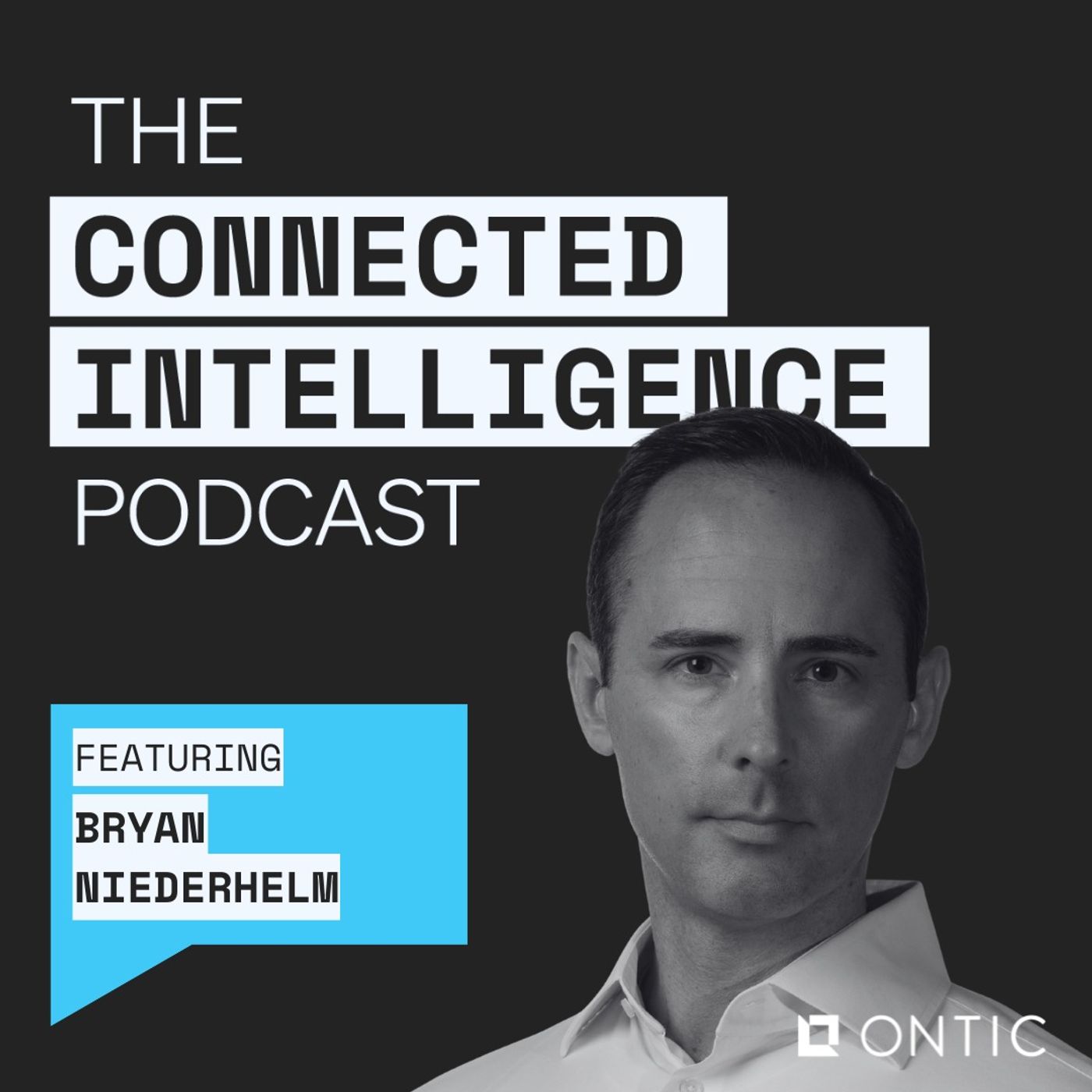
The Physics of Protection: Human Behavior, Risk, and Readiness with Bryan Niederhelm

Modern executive protection requires far more than a physical presence. In this episode, Fred Burton speaks with Bryan Niederhelm, Senior Vice President of Threat Assessment and Management at Gavin de Becker & Associates, about the evolving landscape of protective intelligence, threat assessment, and violence prevention. Bryan shares why the fundamentals of human behavior, preparation, and disciplined observation remain critical, even as AI and emerging technologies reshape the security conversation. The discussion also explores how protectors can avoid over-reliance on tools, build curiosity into their work, and better communicate risk to the people they protect. What you'll learn: Why modern protection depends on preparation, mindset, and understanding human behavior How AI, drones, and emerging technologies may influence protective intelligence Why curiosity and humility are essential skills for the next generation of protectors Learn more in Ontic Resources . If you're enjoying this episode, please take a minute to rate and review the show.

June 3, 202622 min

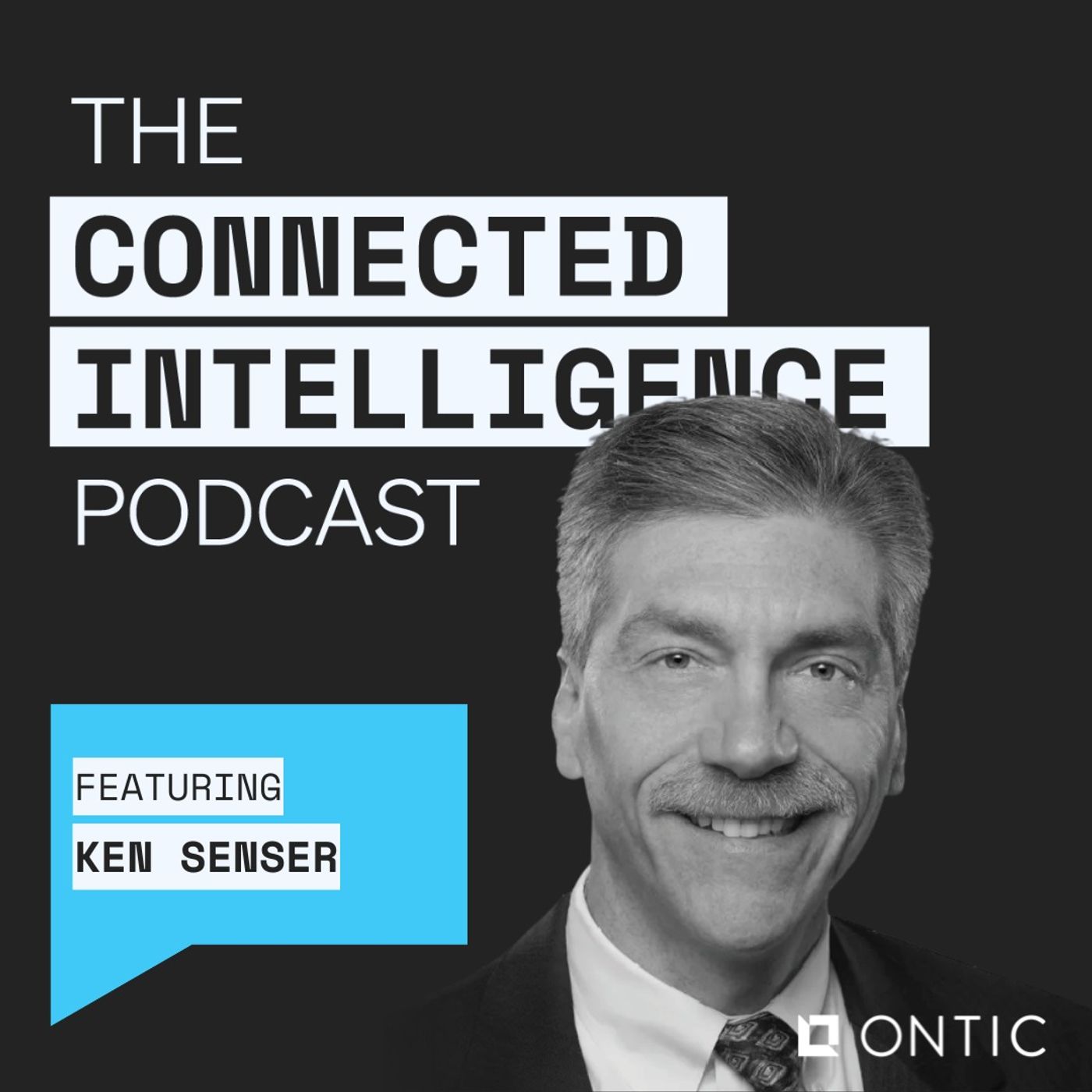
The New Executive Protection Playbook: Why Security Must Converge with Ken Senser

The risk landscape facing corporate leaders has changed dramatically. In this episode, Fred Burton sits down with longtime security executive Ken Senser to discuss how threats have evolved from large-scale physical attacks to today's digitally enabled, grievance-driven risks. Drawing on decades of experience with the CIA, FBI, Walmart, and Corporate Security Advisors, Ken shares his perspective on executive protection, protective intelligence, AI, and the growing convergence of cyber and physical security. The conversation explores what security leaders must do to protect executives, strengthen organizational resilience, and prepare for the future of risk. You'll learn: How executive protection has evolved from physical security to a converged risk discipline Why doxing, swatting, and online radicalization are reshaping threat landscapes How AI will transform both protective intelligence programs and attacker capabilities Subscribe to our monthly newsletter here .

May 13, 202626 min

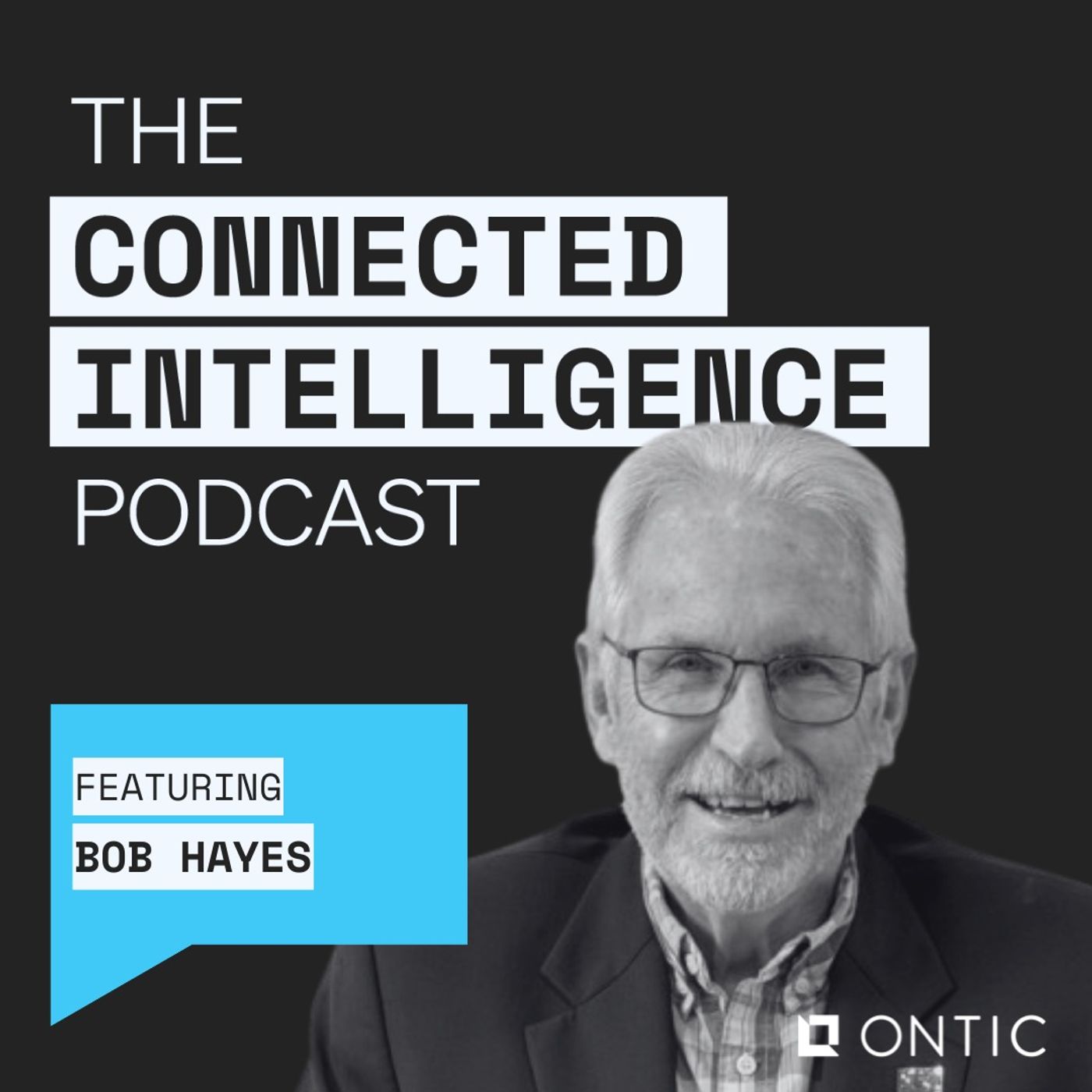
Incivility to Targeting: Bob Hayes on the New Era of Executive Risk

A growing culture of incivility is reshaping the corporate risk landscape, and security leaders are being forced to adapt quickly. In this episode of the Connected Intelligence Podcast, Fred Burton sits down with Security Executive Council founder Bob Hayes to discuss the research behind rising workplace aggression, executive targeting, activist-driven threats, and the long-term implications for corporate security programs. Bob shares lessons drawn from decades of research and leadership experience, including why organizations often overlook their most probable risks and how security teams can better align intelligence with business action. The conversation also explores the evolution of executive protection and the importance of actionable intelligence in today’s environment. You'll learn: Why workplace incivility is becoming a growing corporate security concern How executive targeting trends are shifting toward activist-driven threats What organizations often miss when assessing executive risk Subscribe to our monthly newsletter here . Resources mentioned in this episode: Beyond Incivility: The Soaring Business Cost of America’s Deteriorating Civility Executive Targeting Report: Analysis of Attacks on Corporate Executives from 2003-2025 If you're enjoying this episode, please take a minute to rate and review the show.

April 29, 202624 min

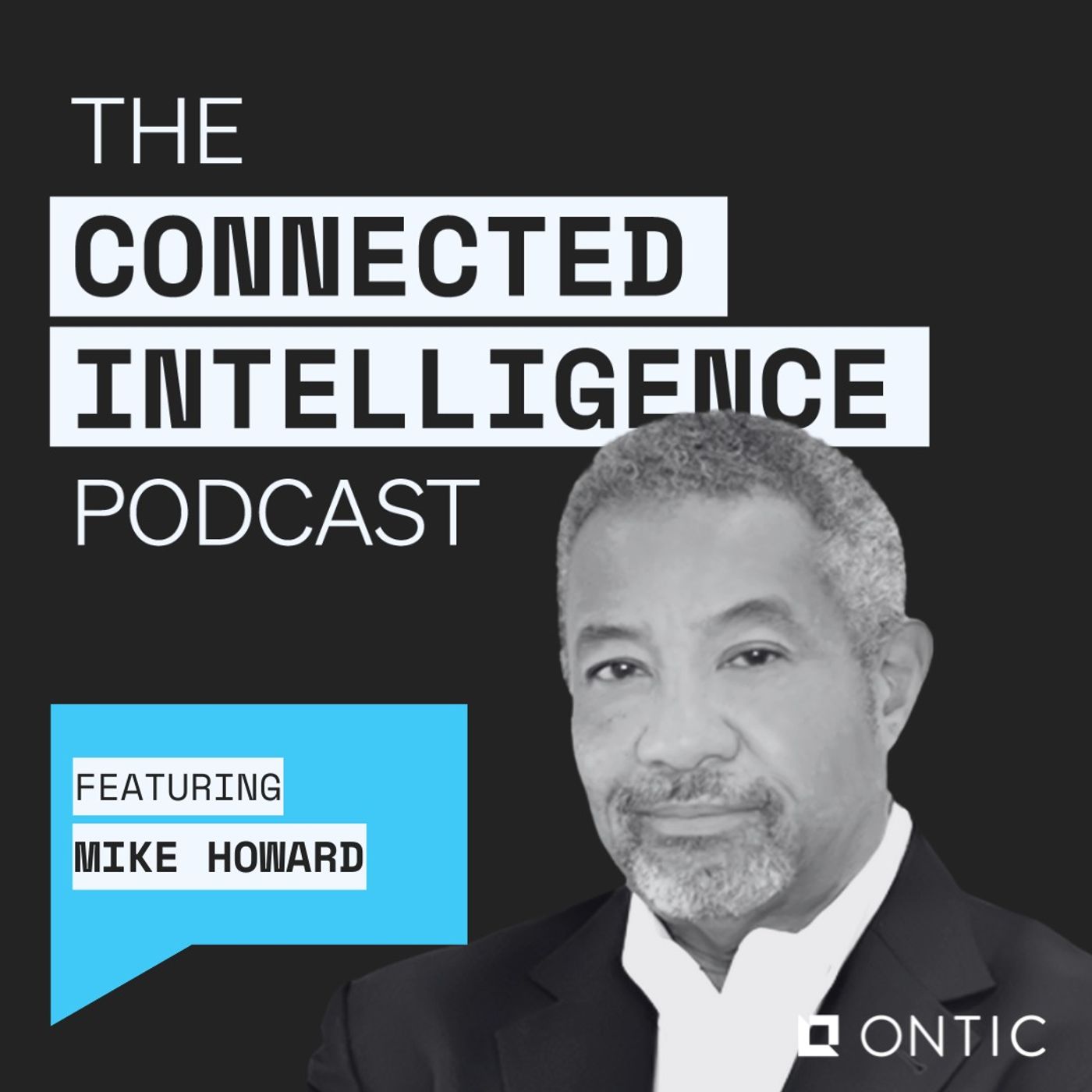
Influence Without Authority: Mike Howard’s Playbook for Modern Security Leaders

Transitioning from the CIA to leading global security at Microsoft is no small leap. Mike Howard shares how he navigated that shift, rebuilt a security program at scale, and learned to influence without authority in the private sector. He reflects on the importance of aligning security with business strategy, building diverse teams to tackle emerging threats, and continuously evolving as a leader. The conversation also explores how security leaders can think more broadly about risk in an increasingly interconnected world. You'll learn: Why influence, not authority, is the most critical skill in corporate security How aligning with business strategy unlocks buy-in and resources The importance of diverse talent in addressing emerging and complex threats Sign up for our monthly newsletter here .

Is this your show?

Claim this listing to keep it up to date, reach guests who want to pitch you, and manage bookings with Guestify.

Claim this listing

More Technology podcasts