The tools, stories, and science behind Absolute Gene-ius
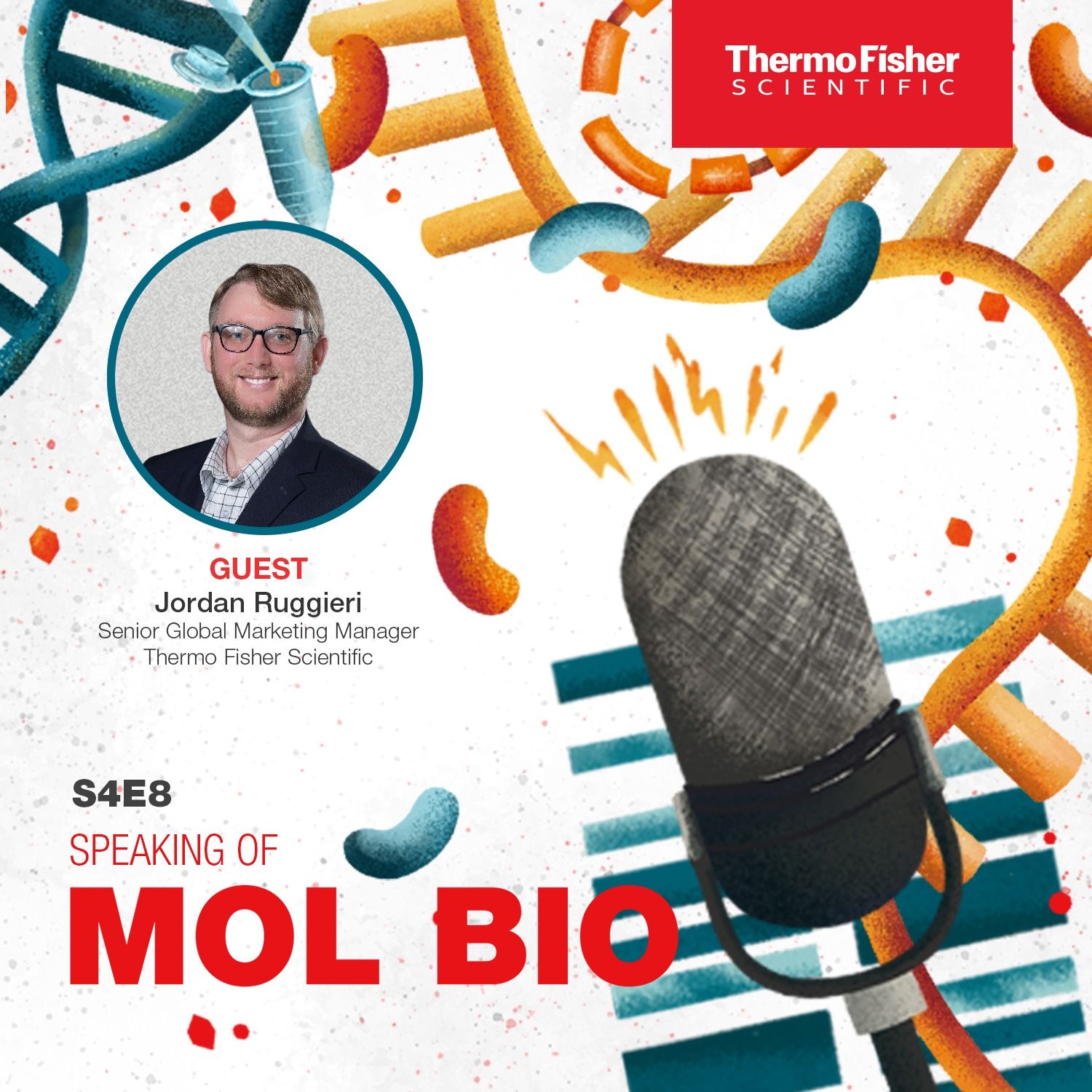
Molecular biology is more than a set of techniques. It is a toolkit for asking better questions. In this special crossover episode of Speaking of Mol Bio, Steve Lewis welcomes Jordan Ruggieri, Senior Marketing Manager at Thermo Fisher Scientific and co-host of the Absolute Gene-ius podcast. Jordan shares how Absolute Gene-ius began with a focus on digital PCR and evolved into a broader celebration of molecular genetics, genomics, and the scientists using diverse tools across multiple research areas. From endpoint PCR and qPCR to digital PCR, sequencing, sample prep, and downstream analysis, the conversation highlights how different technologies work together to help researchers move from sample to answer. Jordan also reflects on memorable podcast stories, including Antarctic microbial research, transplant science, lab mishaps, and the ways PCR-enabled discoveries can have real-world human impact. The episode also explores themes that run through many scientific careers: curiosity, grit, mentorship, failure, and openness to unexpected opportunities. Jordan shares his own path from aspiring dentist to R&D scientist, marketer, and podcast host, while offering early-career scientists practical advice: stay open, keep learning, and make time for hobbies and life outside the lab. Subscribe to get future episodes as they drop and if you like what you’re hearing we hope you’ll share a review or recommend the series to a colleague. Visit the Invitrogen School of Molecular Biology to access helpful molecular biology resources and educational content, and please share this resource with anyone you know working in molecular biology. For Research Use Only. Not for use in diagnostic procedures.