Find partners
Raise the Line

Raise the Line

Hosted by Osmosis from Elsevier

Episodes

583

Latest episode

Jun 2026

Language

EN

About the show

Join host Lindsey Smith and other Elsevier team members for a global conversation about improving health and healthcare with prominent figures in education and healthcare innovation as well as senior leaders at organizations such as the CDC, National Institutes of Health, Johns Hopkins University, WHO, Harvard University, NYU Langone and many others.

Listen to episodes

60 recent
June 11, 202629 min

Dismantling Structural Barriers to Healthcare: Robyn Bussey, “Just Health” Director at the Partnership for Southern Equity

"Do nothing for us without us." According to today’s guest Robyn Bussey, that operating principle is the basis for effective community health work. "You don't go into a community and dictate. You go and listen and trust and be a partner," she adds. As you’ll learn in this enlightening conversation, Bussey is following that approach in her current work as Just Health Director at the Partnership for Southern Equity, an Atlanta-based nonprofit advancing racial equity and shared prosperity across the South.  On this episode of Raise the Line from Elsevier, Bussey provides illuminating  examples of community-rooted work in South Fulton County and rural Georgia, and explains why community health workers may be the most underutilized asset in addressing health disparities. This wide-ranging interview with host Michael Carrese also explores: Bussey’s candid perspective on what happened to the surge of interest in health equity that occurred during COVID; Why life expectancy gains in many Southern states have lagged behind the rest of the country; Her advice to students and early-career clinicians about where they're needed most.   Mentioned in this episode:  Partnership for Southern Equity If you like this podcast, please share it on your social channels. You can also subscribe to the series and check out all of our episodes at www.osmosis.org/podcast
June 4, 202630 min

Marshalling Effective Response to Health Crises: Sir Peter Piot, Professor of Global Health, London School of Hygiene & Tropical Medicine

As concerns escalate about the deadly Ebola virus outbreak in Africa, we bring you the unique insights of Dr. Peter Piot, a renowned microbiologist who co-discovered the virus 50 years ago during the first recorded outbreak of the disease. His on-the-ground account of that crisis was provided to us in April before the current outbreak was declared, but it contains valuable historical perspective and shares lessons learned that he carried forward in his consequential career.  “What I saw from the beginning is the most important thing is to listen to people and that you need to act fast to save lives, before you have the evidence you would like to have.”    He followed his contributions on Ebola by diving into the fight against HIV/AIDS, eventually reshaping global response in leadership roles at the World Health Organization and United Nations. As he shares with host Lindsey Smith, the learnings in that case were more pragmatic than scientific. “We had to redefine HIV/AIDS not as a medical problem but as an economic and security problem in order to get it on the political agenda.”  Tune in for a fascinating episode that takes you from the gritty frontlines of public health crises to the battles for funding and attention in the halls of power as Dr. Piot shares what it actually takes to move the world to respond effectively to health threats. Mentioned in this episode: London School of Hygiene & Tropical Medicine If you like this podcast, please share it on your social channels. You can also subscribe to the series and check out all of our episodes at www.osmosis.org/podcast
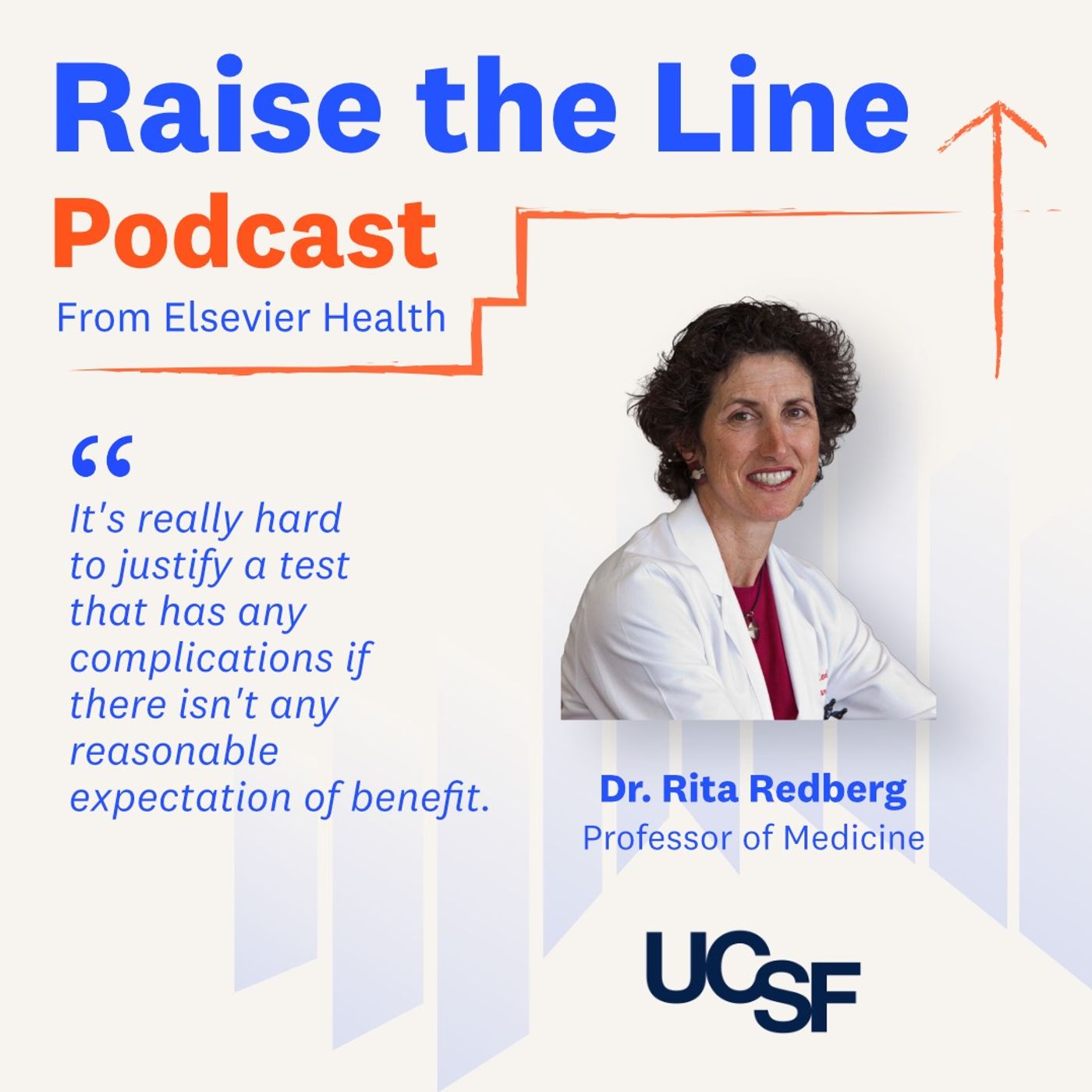
May 26, 202622 min

A Global Expert Helps Us Understand the Hantavirus Outbreak: Dr. Jamie Childs, Senior Research Scientist in Epidemiology of Microbial Diseases at Yale School of Public Health

The ongoing outbreak of hantavirus infections that originated with passengers on the Dutch cruise ship MV Hondius in April has generated concerns across the globe. This very rare occurrence has led to a number of deaths, required quarantining of passengers and prompted emergency responses from public health authorities in multiple countries.  On this episode of Raise the Line from Elsevier, we’re tapping the expertise of a leading authority on the subject, Dr. Jamie Childs of Yale University, to provide you with a scientific understanding of hantaviruses and what level of threat is posed by this situation. In short, Dr. Childs believes this is not the start of a pandemic. “The Andes variant involved here is one of the most dangerous hantaviruses, but it is totally controllable with contact tracing.” This timely conversation with host Lindsey Smith is informed by Dr. Childs’ decades of hantavirus research as well as learnings from his role leading the CDC’s environmental investigation during the landmark 1993 hantavirus outbreak in the Four Corners region of the American Southwest. And be sure to stay tuned to hear his concerns about the factors complicating containment of the current Ebola outbreak in East Africa. Note: this conversation was recorded on May 19th, 2026. Mentioned in this episode: Yale School of Public Health Yale Institute for Global Health If you like this podcast, please share it on your social channels. You can also subscribe to the series and check out all of our episodes at www.osmosis.org/podcast
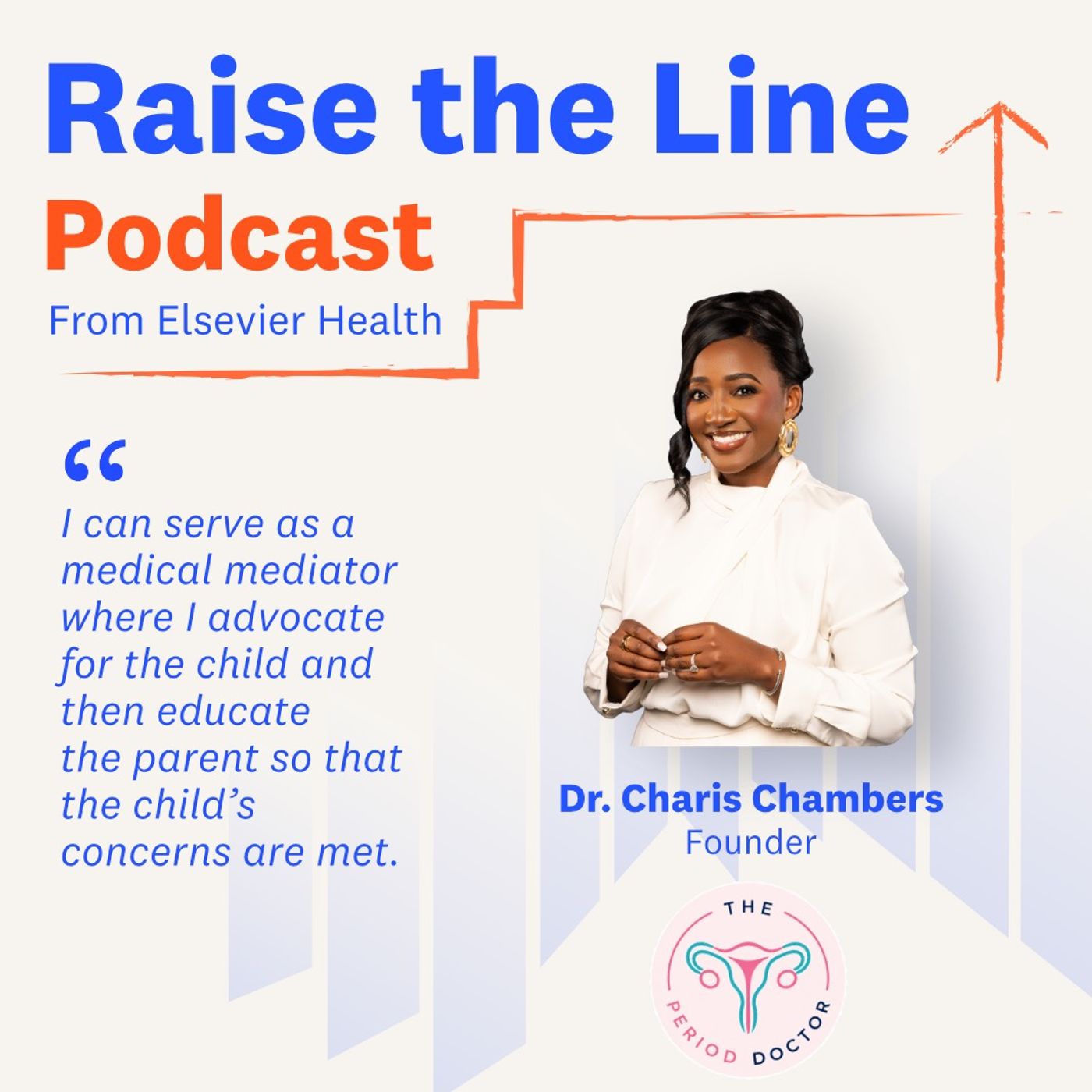
May 21, 202623 min

The Biggest Obstacles to Improving Mental Health: Dr. Steve Strakowski, Professor and Vice Chair for Research in Psychiatry at Indiana University School of Medicine

We mark National Mental Health Awareness Month on this episode by tapping the expertise of Dr. Steve Strakowski, an internationally recognized expert in bipolar disorder, who has spent decades studying the neurobiology and treatment of mood conditions while pushing just as hard on the structural barriers that keep effective treatments out of reach for more than half the people who need them. In this conversation with Raise the Line from Elsevier host Michael Carrese, Dr. Strakowski explains why access, not science, is now the biggest obstacle to improving mental health outcomes. He also addresses the heavy toll society pays for underfunding mental health prevention and treatment programs. “The money is spent eventually, but in the most expensive places like emergency rooms and prisons, and there is the human cost of suffering and suicides." This important discussion also covers: The persistent problem of Black patients presenting with mania being misdiagnosed with schizophrenia;  Why he describes bipolar disorder as a reward-processing illness;  The emerging therapies he finds encouraging. Mentioned in this episode:Indiana University School of Medicine If you like this podcast, please share it on your social channels. You can also subscribe to the series and check out all of our episodes at www.osmosis.org/podcast
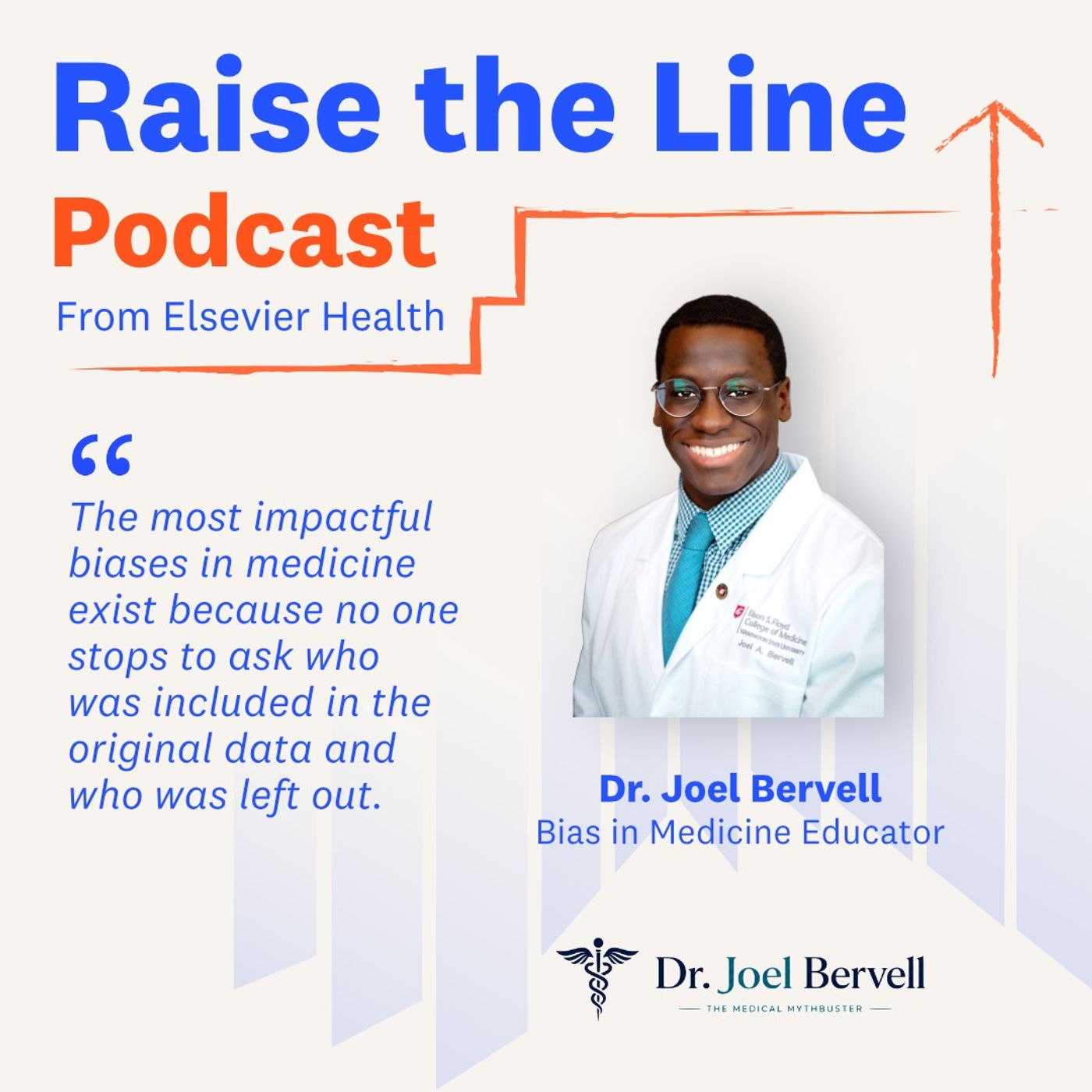
May 14, 202625 min

A Diverse Workforce Is Essential to Quality of Care: Dr. Tina Loarte-Rodriguez, CEO of Latinas in Nursing

"When the workforce does not align with the population, your system is misaligned by design." That candid observation comes from Tina Loarte-Rodríguez, DP, RN who has spent much of her two decade career in patient safety, risk management, and systems leadership as the only Latina in the room, which she sees as a signal of a systemic failure that demands structural solutions. As we mark National Nurses Month, Dr. Loarte-Rodríguez joins Raise the Line from Elsevier  host Lindsey Smith to explain why a culturally congruent workforce has important implications for access, trust and quality of care. This wide-ranging discussion also covers: What Dr. Loarte-Rodriguez means by "narrative infrastructure" and how a book series born during COVID is now shaping workforce conversations nationwide;   The case for making mentorship a core institutional system;   Why nursing burnout is not about a lack of resiliency.  Mentioned in this episode: Latinas in NursingThe Connecticut Center for Nursing Workforce If you like this podcast, please share it on your social channels. You can also subscribe to the series and check out all of our episodes at www.osmosis.org/podcast
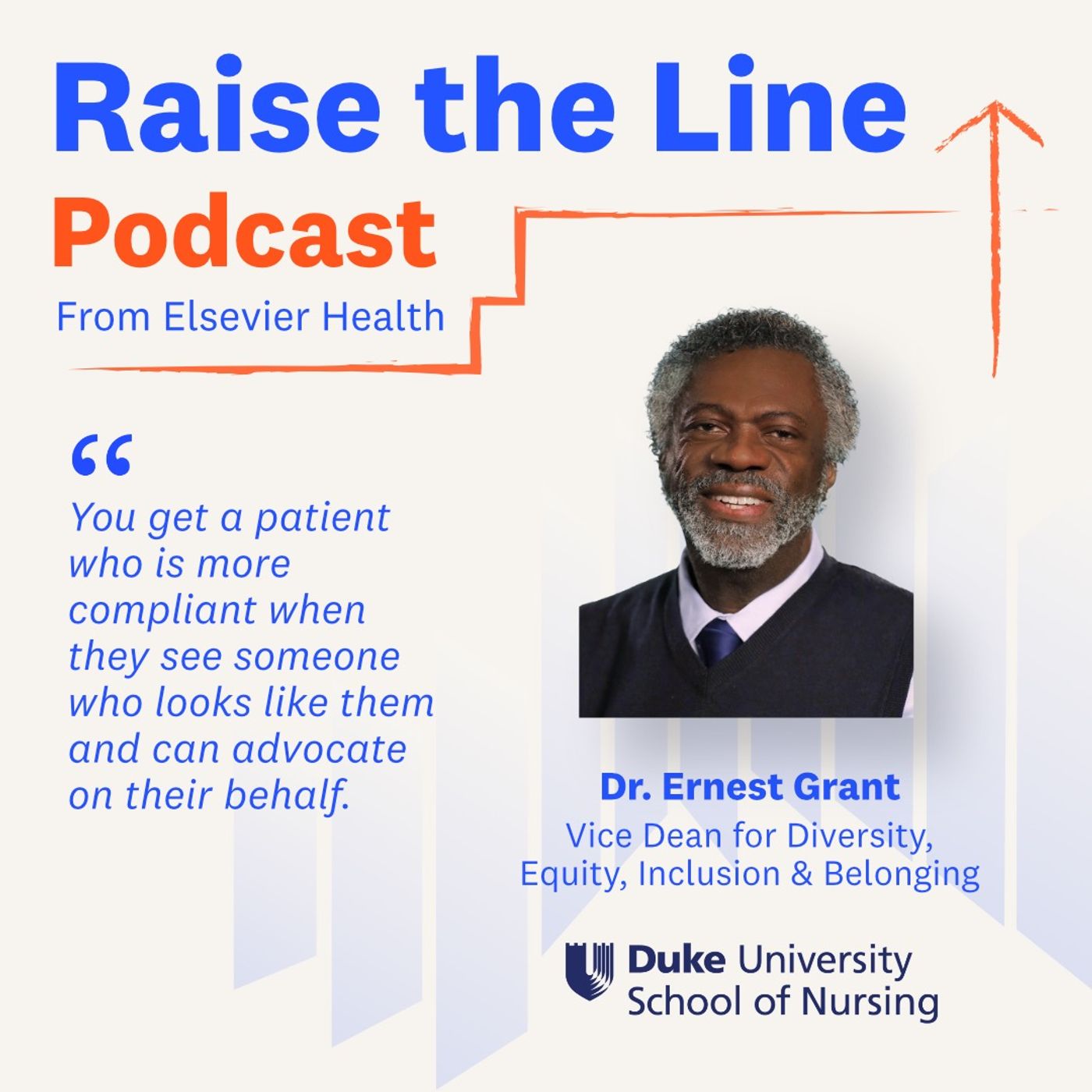
May 7, 202635 min

Bringing Holographic Technology Into Healthcare: David Nussbaum, Founder and Chairman of Proto Hologram

The doctor is in....the box.  That’s one way to describe how patients are now encountering their physicians in what’s being described as the future of telehealth. Imagine that instead of a cancer patient in a rural area driving hours for an appointment to see their specialist at an academic health center, they can go to their local clinic and see a life-size, real-time, 3-D projection of them in a seven foot tall light box.  The doctor can see the patient through two-way video, and is assisted by a clinician in the exam room. The technology behind this remarkable scene is provided by a Los Angeles based start-up called Proto Hologram, whose founder and chairman, David Nussbaum, joins us on this episode of Raise the Line from Elsevier. "Our holograms start where Zoom ends and where physically being there begins," says Nussbaum, a TIME Healthcare100 honoree who has spent the last decade developing commercial and educational applications for holograms.  In addition to clinical settings, Proto units are being used at medical schools and senior living facilities and are playing a role in public health campaigns about breast cancer and vaccines. Join host Lindsey Smith for a fascinating conversation that covers: The role of holograms in extending access to specialty care; How the technology could be used to combat loneliness among seniors; Nussbaum's philosophy of "commercializing the impossible". Mentioned in this episode: Proto Hologram If you like this podcast, please share it on your social channels. You can also subscribe to the series and check out all of our episodes at www.osmosis.org/podcast
April 30, 202633 min

Elevating True Expertise In a Time Of Self-Proclaimed Knowledge: Dr. Mel Herbert, Writer and Consultant on HBO Max’s The Pitt

“One of the reasons The Pitt has been so successful is because it's showing real expertise in a time when everybody thinks they're an expert,” says Dr. Mel Herbert, who brings decades of experience as an emergency medicine specialist to his work as a writer and consultant on the hit HBO Max show. Dr. Herbert, who was also a consultant on the groundbreaking TV drama ER, is one of seven physicians on The Pitt’s writing and production team, which explains the high degree of medical accuracy that is a hallmark of the show. But Dr. Herbert is also proud of the emotional accuracy captured on screen. “It's about the emotions. It's about the stress. It's about how it really affects the doctors and the nurses that I've found the most interesting to write about.” In this candid conversation with host Lindsey Smith, Dr. Herbert talks about his own struggles coping with the demands of life in the emergency room and the importance of letting clinicians know that help is available. “You don't have to suffer. We can help you now in ways we couldn't even do ten years ago. That's the story I want to tell.”  In addition to his work using TV as an educational vehicle, Lindsey and Dr. Herbert discuss his real world efforts to provide emergency medicine education across the globe through his companies EM:RAP and EM:RAP GO.  Stay tuned to this very special episode of Raise the Line with Elsevier in which you will also: Learn how writers tackle misinformation and hot button health topics; Get a behind the scenes look at how actors learn complex medical terminology; Discover who Dr. Herbert’s favorite characters are. Mentioned in this episode: The PittMental Health Resources from American College of Emergency PhysiciansEM:RAPThe Extraordinary Power of Being Average If you like this podcast, please share it on your social channels. You can also subscribe to the series and check out all of our episodes at www.osmosis.org/podcast
April 23, 202628 min

Understanding Migraine Syndrome And Its Impact on Women: Dr. Regina Krel, Director of Headache Medicine at Hackensack University Medical Center

"Headache is just a teeny piece of the puzzle," says Dr. Regina Krel, an insight that’s at the heart of why migraine syndrome, one of the leading causes of disability worldwide, remains so persistently misunderstood. In this informative conversation with Raise the Line from Elsevier host Michael Carrese, Dr. Krel, the director of Headache Medicine at Hackensack University Medical Center, explains migraine as a storm that sensitizes the entire brain, not just the site of the headache, which explains the long list of symptoms people experience including sensitivity to light and sound, brain fog, fatigue and problems with balance. “The headaches can be severe, but it’s the other symptoms that really kind of take over your whole body that make patients dysfunctional.” Dr. Krel also explains why migraine disproportionately impacts women in the prime of their working and caregiving years, and offers guidance for treating migraines in women, whose symptoms are commonly dismissed by non-specialists. Stay tuned to also learn about: The "migraine triangle"; Why stigma around migraine persists even in doctors' offices; New treatment options including neuromodulation devices. Mentioned in this episode: Headache Center at Hackensack University Medical Center If you like this podcast, please share it on your social channels. You can also subscribe to the series and check out all of our episodes at www.osmosis.org/podcast
April 16, 202626 min

Saving Lives Using Repurposed Medications: Dr. David Fajgenbaum, Co-Founder of Every Cure

To mark the sixth anniversary of Raise the Line from Elsevier we're revisiting one of the most remarkable stories we've had the privilege of sharing over the last 575 episodes. To do that, we're delighted to welcome back Dr. David Fajgenbaum, a physician-scientist who repurposed an existing medication that saved his own life from Castleman disease, an ultra-rare condition that nearly killed him on five occasions. Because there was no treatment specifically for Castleman, Dr. Fajgenbaum set out to find a previously approved medication that might work. “I eventually found a drug that was made for another disease 50 years ago. It's been over 12 years that I've been doing great on this medicine.”   When he first joined us in 2022, Dr. Fajgenbaum was just launching a non-profit organization called Every Cure with the hope of replicating the success he achieved in his own case, and as you’ll learn in this inspiring interview with host Lindsey Smith, its work has already saved thousands of lives. “It's a tragedy if someone dies while there's already a drug in their local hospital that could help them.”  In the latest installment of our Year of the Zebra series on rare conditions, you’ll hear an inspiring example of a life saved by this approach and also learn about: The role of artificial intelligence in scanning thousands of medications and diseases to find possible matches; How Every Cure decides which drugs merit the costly research needed to confirm a match;  Dr. Fajgenbaum’s philosophy of “living in overtime.” Mentioned in this episode:Every Cure Osmosis Video on Castleman Disease Dr. Fajgenbaum's Bestselling Memoir, Chasing My Cure If you like this podcast, please share it on your social channels. You can also subscribe to the series and check out all of our episodes at www.osmosis.org/podcast
April 9, 202640 min

How AI Could Strengthen the Doctor-Patient Relationship: Dr. Ashwin Vasan, Senior Fellow in Health Policy and Global Affairs at Yale School of Public Health

How AI Could Strengthen the Doctor-Patient Relationship: Dr. Ashwin Vasan, Senior Fellow in Health Policy and Global Affairs at Yale School of Public Health and Affiliate Faculty at Yale Jackson School of Global Affairs “Ultimately, AI needs to be a tool that doesn't break down trust or empathy or clinical judgment, but rather helps enhance those things.” That aspirational perspective from Dr. Ashwin Vasan, Senior Fellow in Health Policy and Global Affairs at the Yale School of Public Health and Affiliate Faculty at the Yale Jackson School of Global Affairs, frames a nuanced conversation about one of healthcare’s most consequential changes. Drawing on his experience as New York City Health Commissioner during the COVID-19 crisis and decades in global and public health, Dr. Vasan argues that the future of AI in medicine should be shaped less by the technology itself than by the values guiding its implementation, and that physicians need to play an active role in this process. “I think it behooves us to engage with this technology and steer it in the directions that we want as a society.” This timely discussion also offers Dr. Vasan’s thoughtful perspectives on: How AI could allow physicians to focus on the human side of care; The risks of AI reinforcing inequities and driving costs higher; Public health as the marriage of science, society and trust. Join host Lindsey Smith for a valuable Raise the Line episode on how AI can be harnessed to benefit patients and provides alike.  Mentioned in this episode: Yale School of Public Health Yale Jackson School of Public Affairs If you like this podcast, please share it on your social channels. You can also subscribe to the series and check out all of our episodes at www.osmosis.org/podcast
Is this your show?

Claim this listing to keep it up to date, reach guests who want to pitch you, and manage bookings with Guestify.

Claim this listing

More Technology podcasts