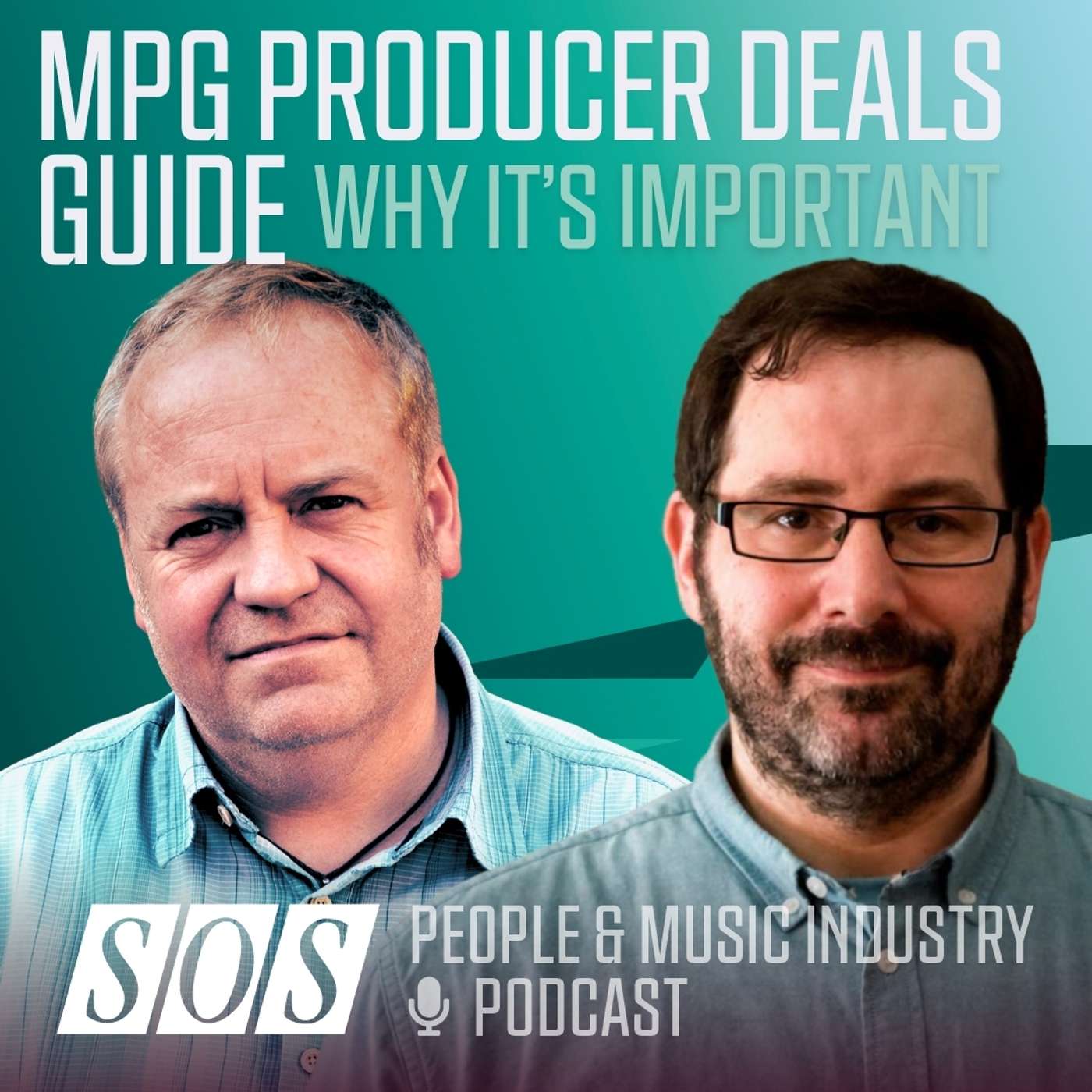
MPG Producer Deals Guide
Cameron Craig of the Music Producers Guild and Chris Cooke of CMU discuss the new MPG Producer Deals Guide, explaining how producer agreements are changing and what producers need to understand about points, royalties, expenses and publishing. They explore the issues facing both established and unsigned artists, and why agreeing terms clearly and putting them in writing is essential. Chapters 00:00 - Introduction 00:18 - Who are CMU? 01:03 - The Producer Deals Guide 03:51 - The Changing Industry 09:35 - The Producer Contribution 18:45 - Unsigned Artists 21:02 - Addressing The Matter Early 25:00 - When To Get A Publisher 26:31 - Managing Multiple Works 33:04 - Covering Expenses 38:17 - PPD And Net Receipt Deals 44:55 - Written Agreements Music Producers Guild The Music Producers Guild is a not for profit organisation that was started by producers, mixers, recording engineers, re-mixers and programmers and is run by volunteers from within the industry. Their aim is to support members in their careers, campaign for the rights of music industry workers, promote diversity within the industry and to celebrate the achievements of members via the annual MPG Awards. https://mpg.org.uk/dealsguide Cameron Craig Biog Cameron is a two time Grammy award-winning Producer-Mixer-Engineer. A hugely impressive credit list notably also includes several albums with U.N.K.L.E., along with names like Adele, Annie Lennox, Bjork, Tina Turner, Baxter Dury, Grace Jones, Joe Strummer, Duffy, Amy Winehouse and many more. His work has encompasses an enormous spectrum of musical styles including indie, dance, film soundtrack and orchestral recording, picking up a Grammy award for "Album of the Year" for his part in recording Adele's 25 and collecting another Grammy award for "Best Engineered - Non classical” in 2008 for his contribution to the Suzanne Vega album Beauty and Crime also recording the orchestra on Duffy's Grammy and Brit award-winning Rockferry album. Other notable accolades are Grammy nominations for Annie Lennox’s Nostalgia album that he mixed, Bjork’s Biophilia album that he recorded a track on, a nomination for MPG’s Recording Engineer of the Year 2015. Having started out in his native Australia he achieved great success with many multi-platinum albums and a nomination for ARIA Engineer of the year in 1995 to his name. It is then Cameron decided to move to the UK to further his career. Cameron is an Executive Director of the MPG and sits on the board of UK music representing the MPG to the wider music community. https://www.cameroncraig.info https://www.instagram.com/cameroncraig77 https://twitter.com/strangesounds https://www.facebook.com/cameron.craig.7161 Chris Cooke Biog Chris Cooke is co-Founder and MD of CMU, a company that helps people navigate and understand the music business through journalism, training, consultancy and events. Chris regularly writes, talks, teaches and consults about the music industry. He wrote the ‘Dissecting The Digital Dollar’ book and ‘Music Copyright Explained’ guide, advises the Council Of Music Makers, and co-leads Pathways Into Music, which builds connections between the music industry and music education. Chris also pursues other projects via UnLimited Media, through which he publishes ThisWeek Culture and ThreeWeeks at the Edinburgh Festival; and helped launch PR training charity the Taylor Bennett Foundation. https://mynameischriscooke.com https://www.instagram.com/chriscookeunlimited https://x.com/chrisunlimited https://www.facebook.com/chrisunlimited https://www.threads.com/@chriscookeunlimited Sam Inglis Biog Editor In Chief Sam Inglis has been with Sound On Sound for more than 20 years. He is a recording engineer, producer, songwriter and folk musician who studies the traditional songs of England and Scotland, and the author of Neil Young's Harvest (Bloomsbury, 2003) and Teach Yourself Songwriting (Hodder, 2006). Catch more shows on our other podcast channels: https://www.soundonsound.com/sos-podcasts