Hosted by Compass Chief Customer Officer, Raymond Hawkins, Not Your Father’s Data Center doesn’t only talk about data centers, but anything and everything of interest in our industry.
Listen to episodes
60 recent
October 20, 2026Episode 5433 min
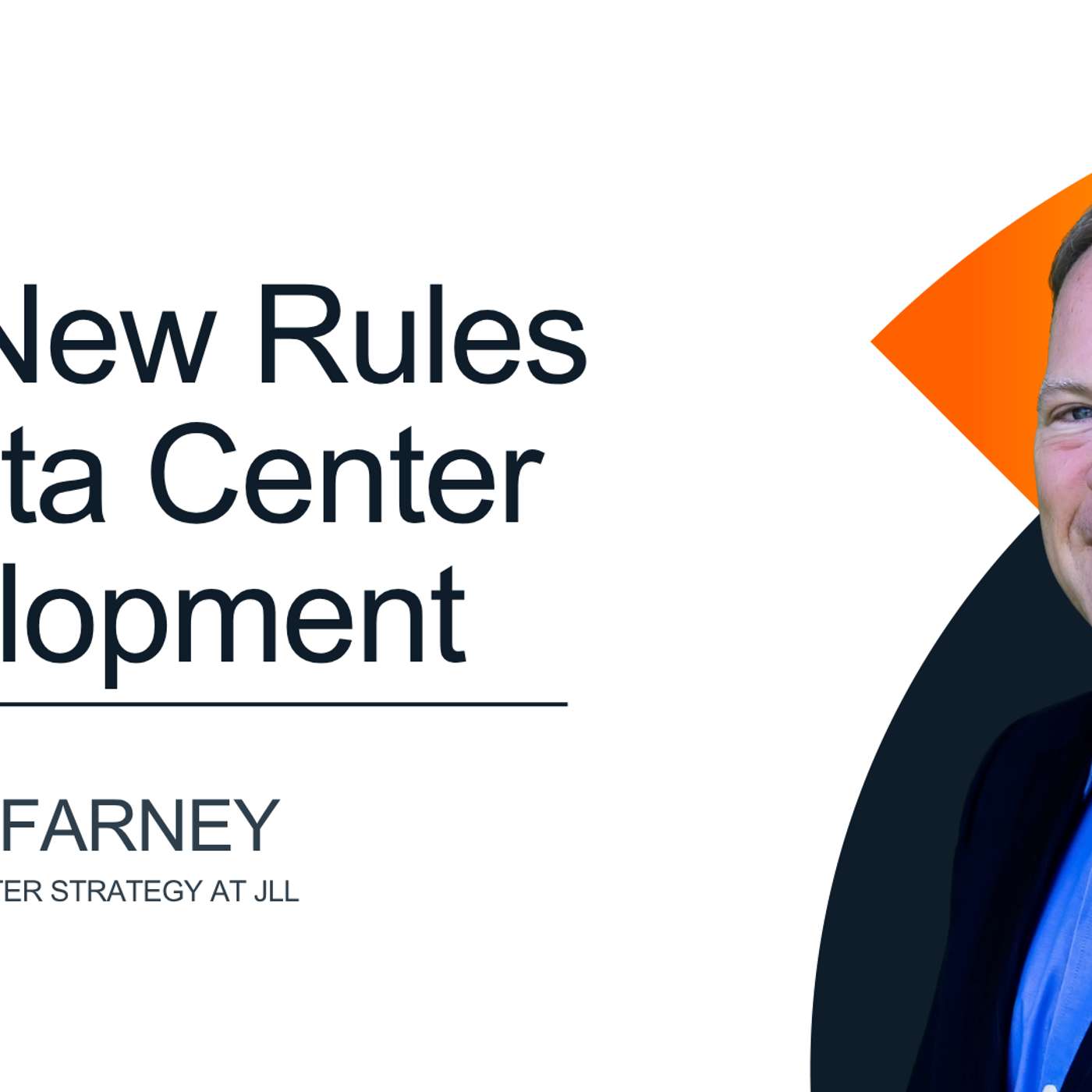
The New Rules of Data Center Development
In this episode, Raymond Hawkins, Chief Revenue Officer at Compass Datacenters, sits down with Sean Farney, Vice President of Data Center Strategy at JLL and an industry veteran with decades of hands-on experience. Sean Farney reflects on his journey from early computing—programming on TRS-80s and managing computer labs—to leading large-scale data center projects for clients like Microsoft. The conversation explores the evolution of the data center industry, comparing past and present buildout booms and examining how technological shifts, particularly AI, have rapidly transformed demand, design, and operational practices. Sean Farney and Raymond Hawkins address the fundamental drivers of data growth, the challenges of community pushback, and the importance of transparency in the industry. The episode also debunks common myths about data centers’ impact on power, water, and job creation, highlighting their positive role in local economies. The discussion wraps up with book recommendations and a call for better industry storytelling as data centers become essential infrastructure for modern life. Timestamps 00:00 Choosing a career path 06:18 Raised floors and fiber buildout history 10:08 Information growth and tech for kids 10:54 Cultural impact of data consumption 17:03 Developers shifting to new locations 21:08 Data tracking and future challenges 24:46 Discussing sustainable water use in data centers 27:21 Building a Data Center Team 30:10 Discussing data center decision-making 32:35 Reflecting on the data center industry
September 8, 2026Episode 5340 min
Jerome Soltani: How Compass and Schneider Electric Are Rethinking Data Center Maintenance
On this episode of Not Your Fathers Datacenter, Raymond Hawkins sits down with Jerome Soltani, Global Head of Services at Schneider Electric, to explore how predictive maintenance and partnership are transforming data center operations. Jerome Soltani shares his global journey from France to the US, reflecting on his two decades at Schneider, his experiences growing service teams, and the challenges of managing critical infrastructure at ever-increasing scale. The conversation dives deep into the technological shifts shaping the data center industry—especially the move from traditional, reactive maintenance toward predictive, data-driven strategies that leverage AI and advanced connectivity. Jerome Soltani explains how maintaining at a system level, rather than an asset-by-asset approach, is essential for uptime, efficiency, and ultimately customer satisfaction. The discussion also highlights workforce challenges, the importance of training the next generation through initiatives like the Texas State Technical College partnership, and ongoing efforts to drive sustainability and community impact. Through candid insights and real-world examples—including managing more than 1200 power centers across multiple US sites—Raymond Hawkins and Jerome Soltani showcase how collaborative innovation is enabling the data center industry to scale, adapt, and thrive. Whether you’re on the operations floor or in the boardroom, this episode offers valuable perspectives on the future of digital infrastructure. 00:00 Intro & Welcome 04:29 Rising Through the Ranks to SVP 09:02 Epic Haleakala Climb Adventure 12:14 The Untold Challenges of Liquid Cooling in AI 14:16 Embracing Predictive Maintenance Revolution 18:24 Predictive Maintenance Revolutionizes Data Centers 20:24 Unlocking Massive Opex Savings 26:15 Addressing Industry Workforce Crisis 29:26 Reno Campus' Game-Changing Donation 33:57 Streamlining Systems to Boost Satisfaction 36:33 Schneider's Bold Sustainability Mission 39:40 Behind-the-Scenes Partnership Secrets
July 14, 2026Episode 5247 min
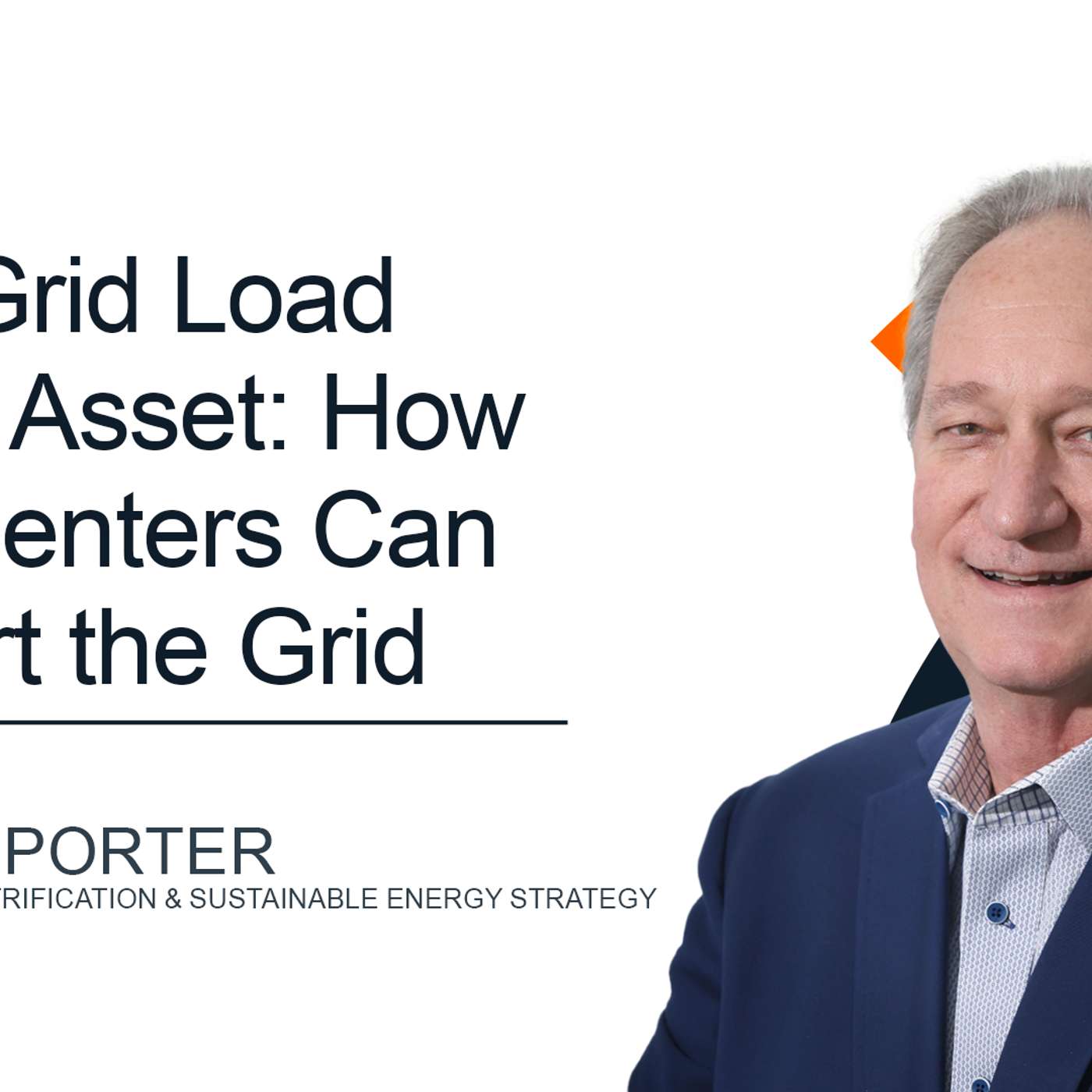
David Porter: From Grid Load to Grid Asset: How Data Centers Can Support the Grid
In this episode, Raymond Hawkins, Chief Revenue Officer at Compass Datacenters, is joined by David Porter, Vice President of Electrification and Sustainable Energy Strategy at EPRI—formerly known as the Electric Power Research Institute. With a career spanning mechanical engineering at Duke Energy, stints across the US energy landscape, and over 17 years at EPRI, David Porter brings deep industry insight into the intersection of energy and data infrastructure. Their discussion explores the rapid evolution of data center power demand, shifting from kilowatt to gigawatt requirements within a decade. The conversation unpacks the unique challenges this poses for power utilities, such as mismatched development timelines, grid transmission constraints, and the need for adaptable grid-responsive infrastructure. Key topics include EPRI’s nonprofit, science-based research mission; the rise of grid-interactive data centers; the DC Flex initiative for flexible load management; and the critical impact of load growth on grid affordability and efficiency. The episode offers a detailed look at how collaboration between data centers and utilities can enhance grid resilience and lower costs for everyone. Timestamped Overview 00:00 Intro 03:25 EPRI's public benefit mission 09:50 Data centers and electric transport 13:02 Energy demand forecasting for developers 15:00 Challenges with data center power constraints 17:49 Transmission vs. distribution systems 21:45 Improving energy transmission efficiency 23:35 Bridging data centers and utilities 28:06 Evolution of the Data Center Industry 31:42 Explaining the Flex Mosaic framework 35:30 Planning for grid capacity challenges 38:31 Importance of Frequency in Power Grids 41:05 Energy demand and frequency issues 45:56 Golfing chat
June 9, 2026Episode 5144 min
Solar Power's Role in the Future of Digital and Energy Infrastructure
In this episode, Raymond Hawkins, Chief Customer Officer at Compass Data Centers, sits down with Dan Cook, founder and Managing Director of Solar Stone. Hailing from Cleveland, Ohio, Dan Cook brings a diverse background rooted in commodities and metals trading before moving into utility-scale solar and battery development, overseeing projects totaling approximately 2 gigawatts. The conversation spans the dramatic growth in data center power demand, including how this surge has challenged both generation and transmission infrastructure. Dan Cook provides context from his energy brokerage and commodity experience, discussing supply chain constraints, queue backlogs for new generation assets, and the complexities of interconnection. Key themes include the impact of speculative projects on development timelines, the evolving landscape of long-duration storage technologies, and the role of federal incentives in renewable energy. The discussion also covers PR challenges for data centers, grid-connected versus behind-the-meter solutions, and the nuanced relationship between data center developers, utilities, and end users. Timestamped Overview: 00:00 Rising demand for copper mining 06:11 Challenges in energy transmission 09:50 Challenges with data center power needs 11:04 Challenges for Data Center Development 16:12 Land strategy for renewable projects 18:24 Challenges in grid development collaboration 22:14 Rise of renewable energy in data centers 25:09 Discussing project site opportunities 27:58 Focusing on regional solar projects 32:53 Utility procurement and renewable energy trends 36:28 Long duration energy storage 38:27 Federal tax credits discussion 43:33 Discussing solar energy basics
April 8, 2026Episode 5043 min
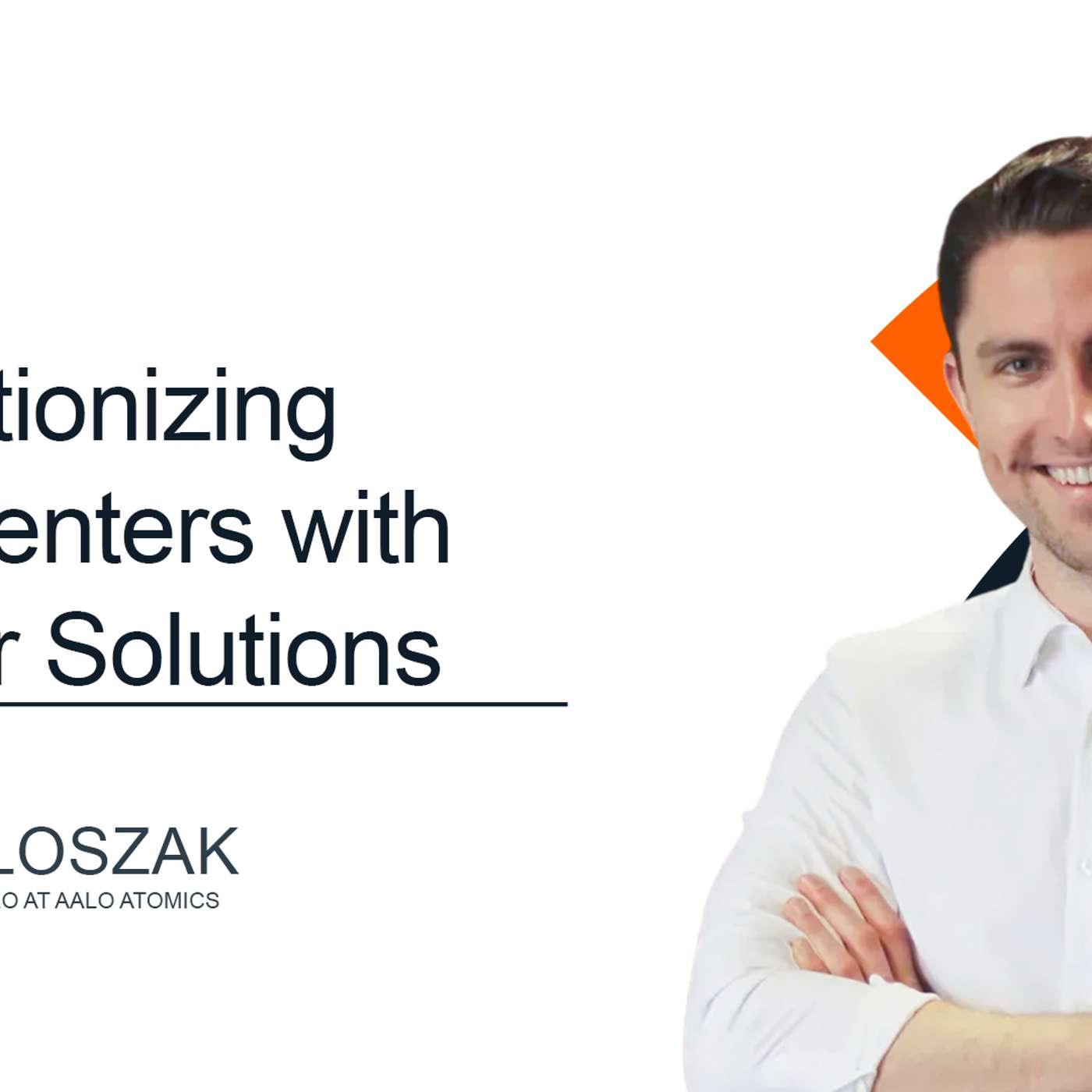
Revolutionizing Data Centers with Nuclear Solutions
In this episode, Raymond Hawkins, Chief Revenue Officer at Compass Datacenters, sits down with Matt Loszak, co-founder and CEO of Aalo Atomics. Matt Loszak shares his personal journey from growing up with severe asthma in Ontario—an experience that inspired his fascination with nuclear energy after coal plant closures led to both cleaner air and the end of his symptoms. His career spans from nuclear engineering studies to successful tech entrepreneurship, and eventually back to his roots in the energy sector with Aalo Atomics. The discussion explores the current and future challenges of powering rapidly scaling data centers, focusing on the unprecedented demand for clean, scalable electricity. Topics include the limitations of the current grid, the viability of modular and “extra modular” reactor technologies, and the promise of vertically integrated nuclear solutions. Matt Loszak offers deep insights into Aalo’s business model, the economics of on-site power generation, and the transformative potential of fast, factory-built nuclear power for the data center industry. Timestamped Overview 00:00 Intro & Matt’s Background 03:55 From software to nuclear impact 07:16 Engineering Leader in Nuclear Innovation 11:16 Nuclear Power The Future Answer 16:28 Revolutionizing SMRs Lessons from SpaceX 17:19 Vertical integration to solve delays 21:15 Smaller plants over gigawatt nuclear 24:50 Configurable real-time power solutions 28:50 Pipeline vs power grid infrastructure 31:37 Energy challenges in industry operations 35:27 Nuclear the big picture solution 39:56 Optimal small nuclear innovation 40:35 Aalo’s customer-focused design approach
March 11, 2026Episode 4938 min
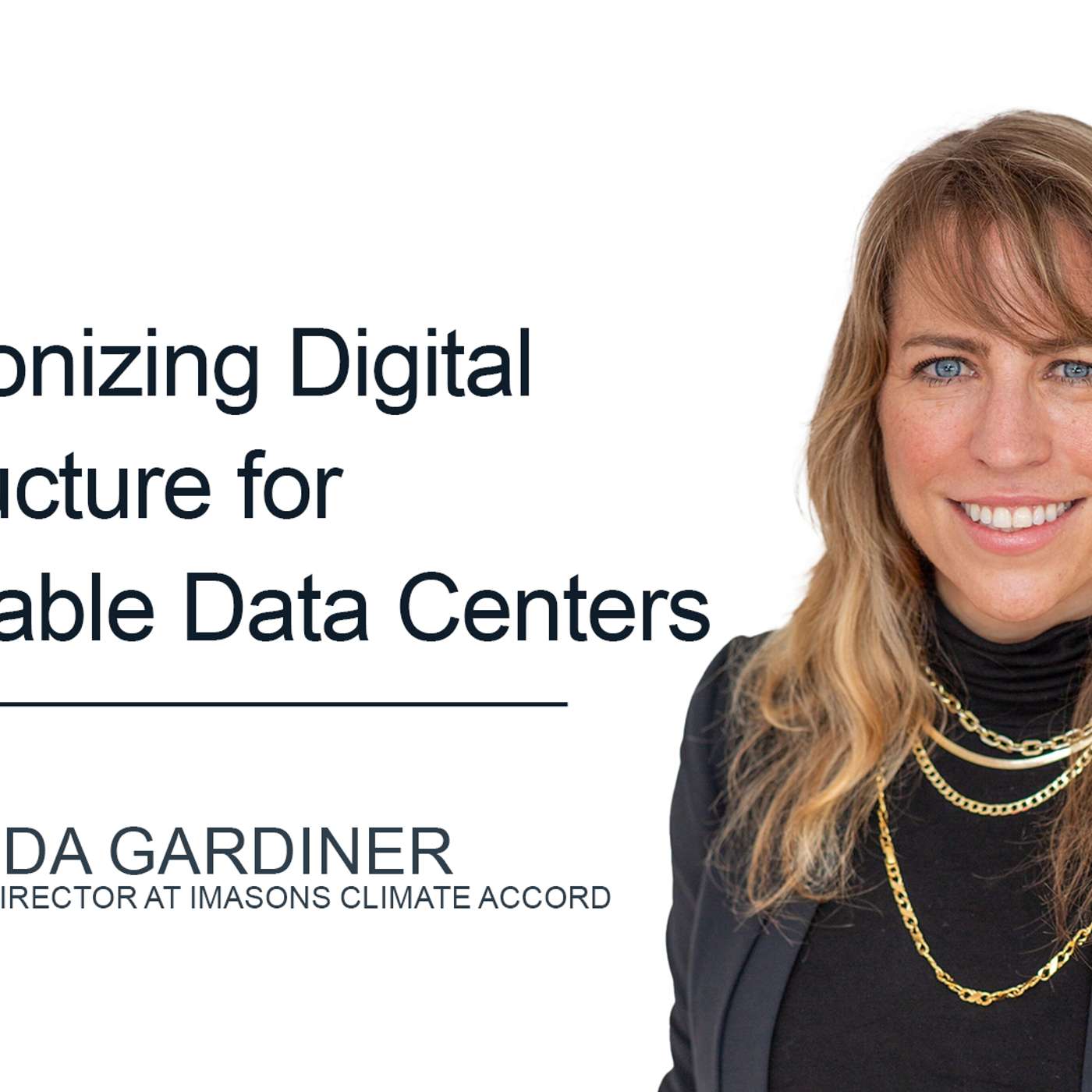
Decarbonizing Digital Infrastructure for Sustainable Data Centers
In this episode, host Raymond Hawkins, Chief Customer Officer at Compass Datacenters, sits down with Miranda Gardiner, leader of the iMasons Climate Accord. Miranda Gardiner brings a rich international background—having lived and worked across Iowa, Germany, San Francisco, Abu Dhabi, and more—with deep expertise in sustainability, architecture, and green building initiatives. Her journey includes significant work at the U.S. Green Building Council and hands-on involvement with sustainable projects worldwide. The conversation explores the rapidly evolving role of data centers in a world increasingly focused on power demand, decarbonization, and environmental responsibility. Topics span the exponential growth in data center energy needs, nuclear and renewable energy’s place in the power mix, and the critical importance of sustainable materials and supply chains. Raymond and Miranda discuss the collaborative structure of the Climate Accord—including governing bodies and working groups—addressing how the industry is innovating toward measurable climate goals, equipment standards, and new ways to balance digital growth with planetary stewardship. Timestamped Overview 00:00 Sustainable Design and Global Impact 06:20 Solo hike in Austria 09:48 Capturing Energy from Lightning 10:49 Fortuitous Career Transition Story 13:52 Collaborative Leadership in Decarbonization 17:55 Strategic Alliances for Clean Energy 21:50 Powering Digital Interactions at Scale 23:55 Energy challenges and perceptions 29:10 Industry Leaders Drive Climate Action 32:07 Building a Greener Future Together 33:48 Equipment and Environmental Collaboration 38:03 Responsible Digital Infrastructure Insights
February 17, 2026Episode 4837 min
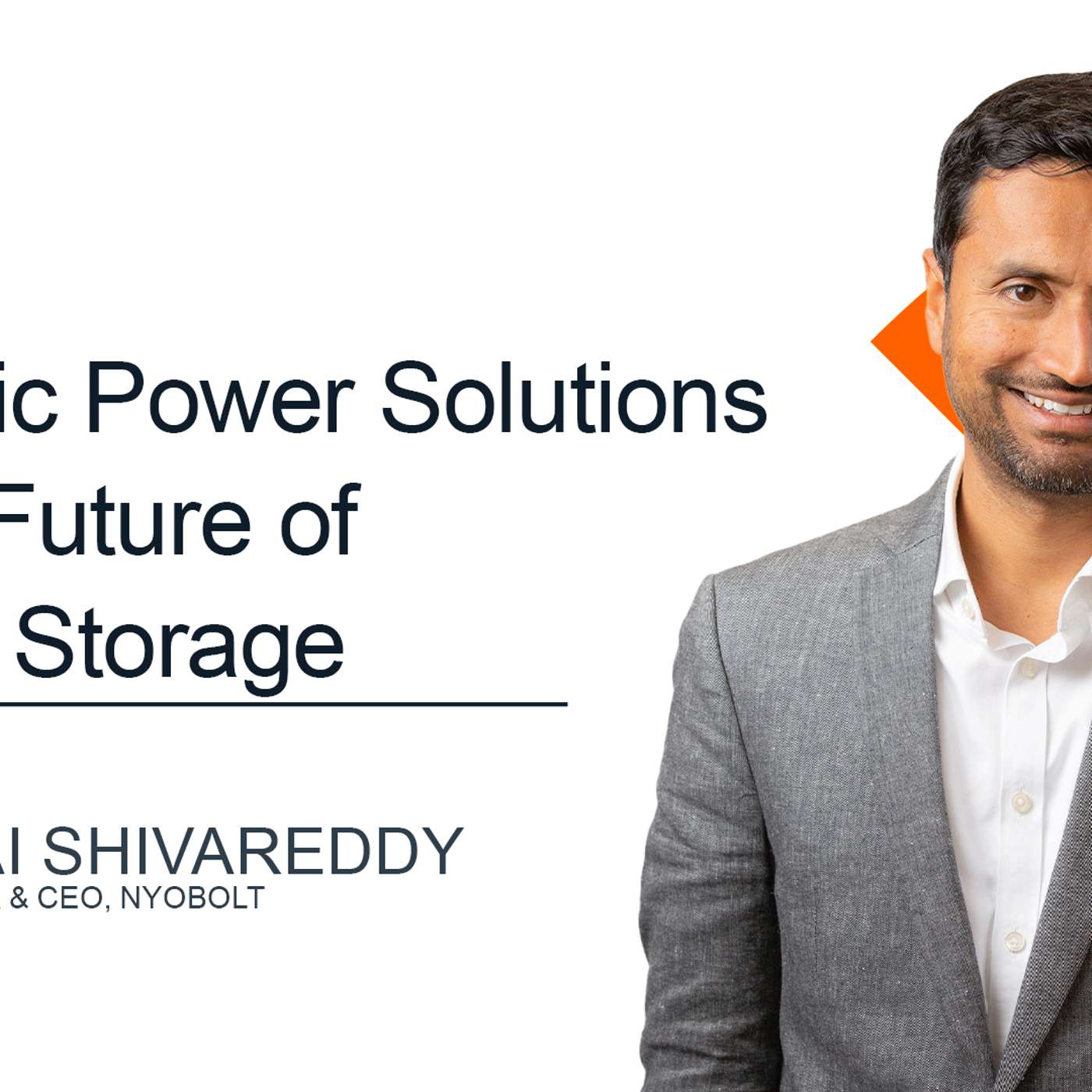
Dynamic Power Solutions for the Future of Energy Storage
In this episode, Raymond Hawkins, host of Not Your Father's Datacenter, sits down with Dr Sai Shivareddy, CEO and founder of Niable. Dr Shivareddy shares his fascinating journey from India, through his academic pursuits in physics and nanomaterials at Cambridge, to founding Niable with a focus on revolutionary battery technology. The discussion centers around the dramatic rise in power density within data centers, the historical shift from lead acid to lithium-ion batteries, and their respective challenges—especially in the face of rapidly spiking AI and GPU workloads. Sai explains Niable’s breakthrough material, enabling batteries to recharge in minutes while maintaining safety and high power density. The pair explore the urgent industry need for new solutions to manage dynamic, unpredictable power loads and introduce Niable’s dynamic response power systems as a novel bridge between supercapacitors and batteries. The episode offers practical insights on how innovative materials science can redefine power management in the next-generation data center. Timestamped Overview 00:00 Intro & Dr Shivareddy’s background 04:51 From lab to real world 06:38 Data centers growing power demand 10:23 Energy Storage Capacitors vs Batteries 15:22 UPS vs BBU power comparison 17:27 Battery stress at full capacity 20:13 GPU power surge trends 25:33 Voltage conversion in power systems 27:56 Dynamic Power Regulation System 30:17 Power System Design and Optimization 34:43 Optimizing GPU power efficiency 36:06 Power solutions for dynamic workloads
January 22, 2026Episode 4748 min
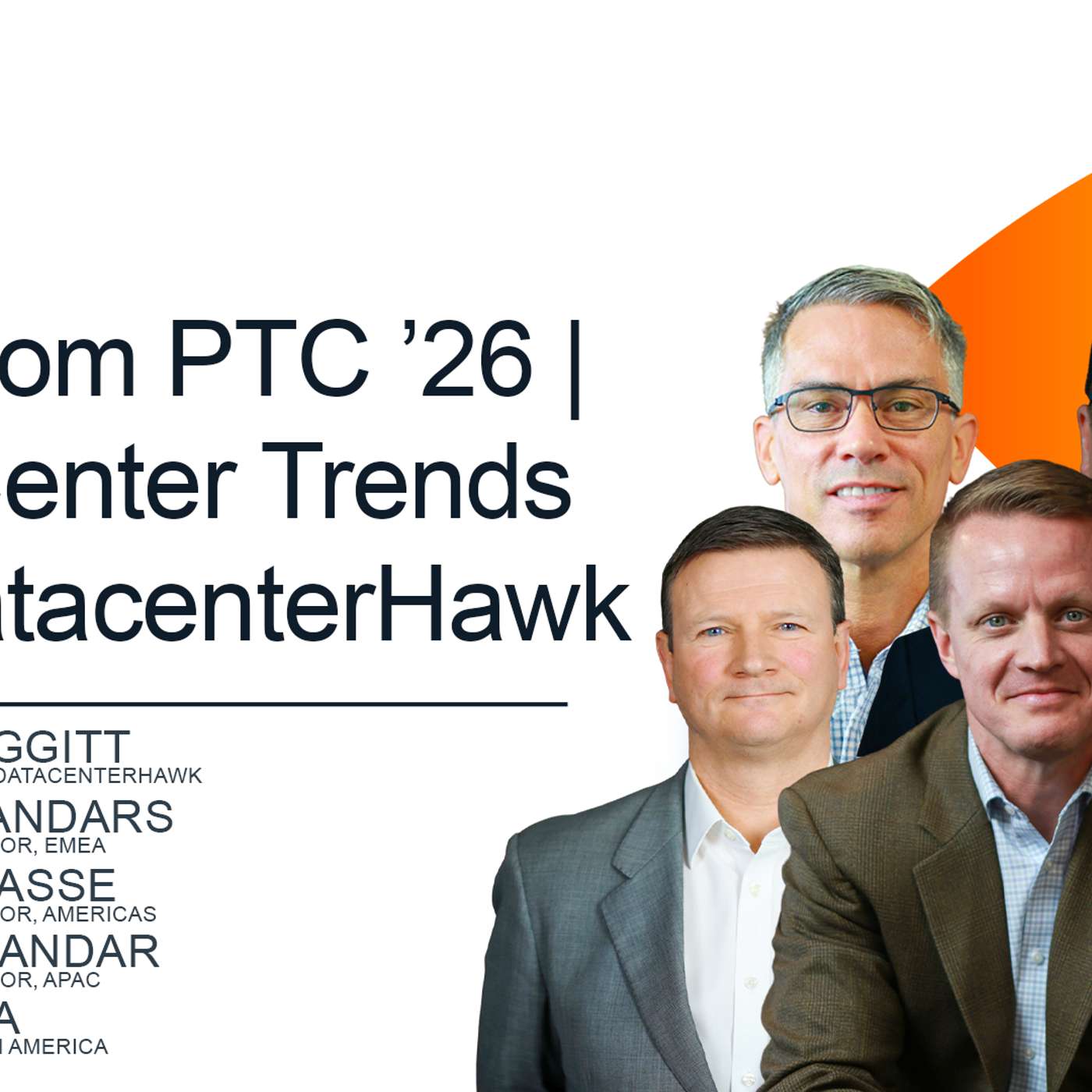
Live From PTC ’26 | Data Center Trends with datacenterHawk
The video is an episode of "Not Your Father's Data Center" hosted by Raymond Hawkins, who is joined by David Liot, CEO and founder of Data Center Hawk, and the company's global leadership team at the PTC conference in Hawaii. Data Center Hawk is a subscription-based platform providing data and analytics on supply, demand, pricing, and trends for over 115 global data center markets on a quarterly basis. The discussion focuses on the challenges and trends in the global data center business, particularly regarding power and the impact of the AI boom, with a regional breakdown provided by the Data Center Hawk team. Key Regional Insights on Power and Trends: APAC (Asia-Pacific), led by Daddy Escandar: Power situations are unevenly distributed. Tier one markets like Japan, Singapore, and Australia face similar issues to the US, with power delivery timelines extending to 8–10 years or as fast as 1–2 years. Grid quality is also unequal, leading to the use of non-traditional power sources in tier two markets like Vietnam, the Philippines, Thailand, and India. A significant project is Google's announced 5-gigawatt data center in India, which requires massive grid upgrades in the Chennai region. AI is viewed differently across the region, and many new deployments (45-50%) are being designed as "AI ready," giving the region the luxury of time to prepare before the customers arrive. Nuclear energy is not yet popular, though SMR (Small Modular Reactor) technology is being assessed in Indonesia, the Philippines, Vietnam, and Malaysia as a fast option for energy where grid quality is poor. Latin America (LATAM), led by Steve Sass: Brazil is the largest market, accounting for 40-45% of the region. It is well-set up for power, with growth spreading from São Paulo and Rio to tier two markets. The region benefits from submarine cable capacity and interconnection, which draws development to coastal areas. Mexico faces power constraints, specifically transmission issues, in areas like Querétaro, with some large data center companies unable to sell space due to expected power delays of one or two years. Transmission is the biggest constraint. Private companies may charge high interconnection fees ($800–$1,000 KVA) for connecting to a substation in an industrial park. Argentina may see investments due to the discovery of the second-largest natural gas reserve in the south, potentially mirroring the growth in West Texas. Most countries in LATAM (Argentina, Brazil, Uruguay) have 80-95% renewable energy, primarily from hydro (50-70%). LATAM is waiting for the AI "wave" to hit, as connectivity is needed first; Chinese cloud companies are growing capacity rapidly in the region. North America, led by Ed Soja: Power constraints are regional; Texas has exploded with projects in West Texas (Abilene, Amarillo) and South Dallas, due to the adoption of natural gas as a power source. Projects are moving to tertiary, non-traditional markets due to power availability, such as P Washington, Wisconsin, and Santa Teresa, New Mexico. Large-scale gigawatt developments are still occurring, but there's a return to 20–50 megawatt deployments following a hub-and-spoke model. Natural gas is currently used in the US as a "bridging power solution" to get projects running quickly in constrained markets until utility power is available. Its adoption is shaping development locations. There is a shift toward nuclear power, with hyperscalers acquiring and talking about building reactors. The host predicts significant nuclear data center projects in the US by 2030. EMEA (Europe, Middle East, and Africa), led by David Saunders: The main challenge is finding available land and power in suitable locations. Data center operators are partnering with power companies to solve generation, transmission, and distribution challenges. Europe has a lot of planned capacity, but the timeline for power delivery is uncertain. The planning and regulatory framework is complex, and a shortage of skilled labor is also a factor. The legacy FLAP-D markets (Frankfurt, London, Amsterdam, Paris, Dublin) are slowing down, particularly Dublin due to a political moratorium. Emerging markets like Nordic and Southern Europe (Portugal, Spain, Italy, Greece) are gaining momentum. The UK government has dedicated data centers as critical national infrastructure, which could speed up the regulatory process. The Irish government recently announced that large energy users can apply to develop gas power plants to support their businesses. The Middle East is an emerging market with exceptional growth. Saudi Arabia and UAE are the two major markets, with plans for multi-gigawatt campuses. The region aims to become the AI hub connecting Asia and Europe. Outlook on the AI Boom:. David Liot (CEO, Data Center Hawk) predicts a 3-to-5-year window for the current "straight up" AI boom, constrained by supply and alternative energy pathways. The key factors to track globally are: who has the power, who has the money (for billion-dollar projects), and who has the chips. Data Center Hawk tracked 3 gigawatts of absorption in the US in 2023, 6.8 gigawatts in 2024, and 15.6 gigawatts in 2025, which the speaker notes represents roughly $2 trillion in transactional value. Other speakers believe the runway is much longer, as large-scale enterprise adoption of AI in sectors like finance and healthcare is still in its infancy.
November 4, 2025Episode 4624 min
Beyond Generators – Building Energy Ecosystems for Tomorrow
In this episode, Raymond Hawkins, Chief Revenue Officer at Compass Datacenters, sits down with Brad Meissner, Director of Product Management at Generac and proud Milwaukee native. Brad shares his journey from growing up as a farm kid in southeast Wisconsin to earning a mechanical engineering degree from the Milwaukee School of Engineering, and ultimately leading Generac’s industrial stationary generator line. The discussion explores Generac’s bold entrance into the data center market with the recent launch of high-capacity (2.25–3.25 MW) generator sets—addressing pressing supply chain and lead time challenges within mission-critical power. Brad delves into Generac’s evolution from primarily consumer backup power solutions into a fully-fledged energy technology company, including strategic acquisitions in smart controls and microgrid systems. The conversation also highlights Generac’s agility in manufacturing, its commitment to local production in Wisconsin, advances in monitoring and managed services, and the growing role of sustainable fuels like HVO. Timestamped Overview 00:00 Intro & Brad’s Generac Career Journey 04:38 Celebrating Generact at Summer Fest 07:58 Evolving into an Energy Tech Company 10:42 Generac's Rapid Strategic Entry 14:08 Streamlining Standby Power Lead Time 18:35 UK's Leading Generator Control Supplier 19:44 HVO: A Versatile Fuel Alternative 23:20 Exciting North American Expansion Strategy
October 8, 2025Episode 4536 min
NVIDIA's Role in AI, Energy, and the Data Center Evolution
In this episode, Raymond Hawkins, Chief Revenue Officer at Compass Datacenters, sits down with Mark Spieler, Senior Managing Director of Global Energy Industry at NVIDIA. Mark shares his unique background, from growing up in Minnesota and working at Cray Research and Silicon Graphics, to a 13-year tenure at Halliburton across commercial, finance, and mergers and acquisitions roles, before joining NVIDIA in 2019 to lead their global energy business. The conversation explores the rising impact of AI on energy consumption, positioning data centers as the new “AI factories”—manufacturing knowledge with data and electrons as raw materials. Mark discusses Nvidia’s evolution from gaming hardware to high-performance computing and AI platforms, unlocking efficiencies and new capabilities. Key topics include energy efficiency gains in AI workloads, the future of nuclear power and SMRs for data centers, grid optimization, and the transformative economic and social potential of AI. The episode offers deep insights into the intersection of technology, energy, and the data center industry’s future. Timestamped Overview 00:00 Intro & Marc’s Background 03:44 Corporate Transition to SGI 08:26 Career Transition: Halliburton to NVIDIA 12:04 From Gaming to AI Platform Leader 16:03 AI Empowering Industries, Not Replacing 17:47 AI Enhancing Legal Profession Tasks 22:44 AI Cost Decline and Adoption Shift 23:33 Data Center Consolidation and AI Efficiency 27:53 NVIDIA’s Energy Solutions Collaboration 30:36 Nuclear Energy: Safe and Underappreciated 34:21 How NVIDIA is Innovating Energy Solutions
Is this your show?
Claim this listing to keep it up to date, reach guests who want to pitch you, and manage bookings with Guestify.