The Alliance NOW! Risk & Insurance Podcast Series provides listeners with rich, nuanced conversations that deepen learning and promote the successful completion of Risk & Insurance Education Alliance programs.
Listen to episodes
60 recent
October 15, 202637 min
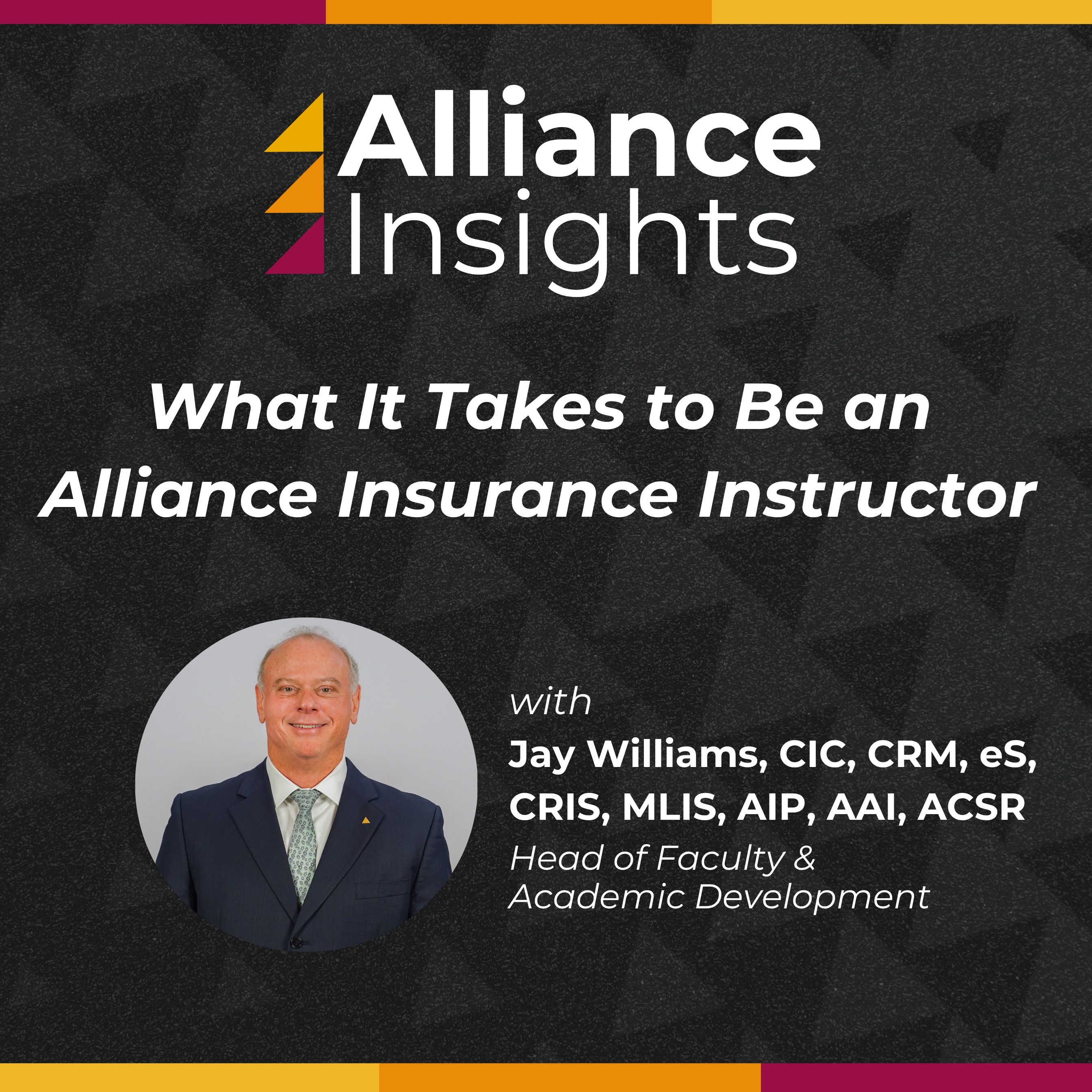
What It Takes to Be an Alliance Insurance Instructor
Key Topics Moving from music into the insurance industry How performance experience can strengthen classroom teaching Career experience across agencies, associations, carriers, technology, and leadership Recruiting and developing insurance faculty Keeping curriculum current with industry changes Using stories, humor, and real-world examples to teach technical material Creating a safe environment for learners to make mistakes Errors and omissions loss control lessons Reading insurance quotes, forms, endorsements, and policies Professional designations and lifelong learning Adapting instruction for different audiences and experience levels Advice for aspiring Alliance faculty members Key Takeaways Passion and energy help technical insurance content become more engaging and memorable. Broad industry experience allows an instructor to explain issues from the agent, carrier, underwriter, and leadership perspectives. Real-world cases give learners context that textbook examples alone may not provide. The classroom should be a safe place to get an answer wrong, learn, and avoid costly mistakes in practice. Reading the quote and the policy remains one of the most important habits in errors and omissions prevention. A strong instructor understands the audience and adjusts language, examples, and depth accordingly. The best teachers remain committed learners because insurance products, risks, technology, and learner expectations continue to change. Faculty members improve through repetition, mentoring, preparation, and the willingness to take a chance. Become an Alliance Faculty Member Do you enjoy sharing your experience and helping insurance professionals succeed? The Risk & Insurance Education Alliance invites experienced practitioners and emerging educators to explore faculty opportunities. Alliance instructors combine subject-matter knowledge, practical examples, curiosity, personality, and a commitment to lifelong learning to create education that is relevant, engaging, and useful. Learn more about faculty opportunities and Alliance programs at riskeducation.org. Focusing exclusively on risk management and insurance professional development, the Risk & Insurance Education Alliance provides a practical advantage at every career stage, positioning our participants and their clients for confidence and success.
October 14, 202646 min
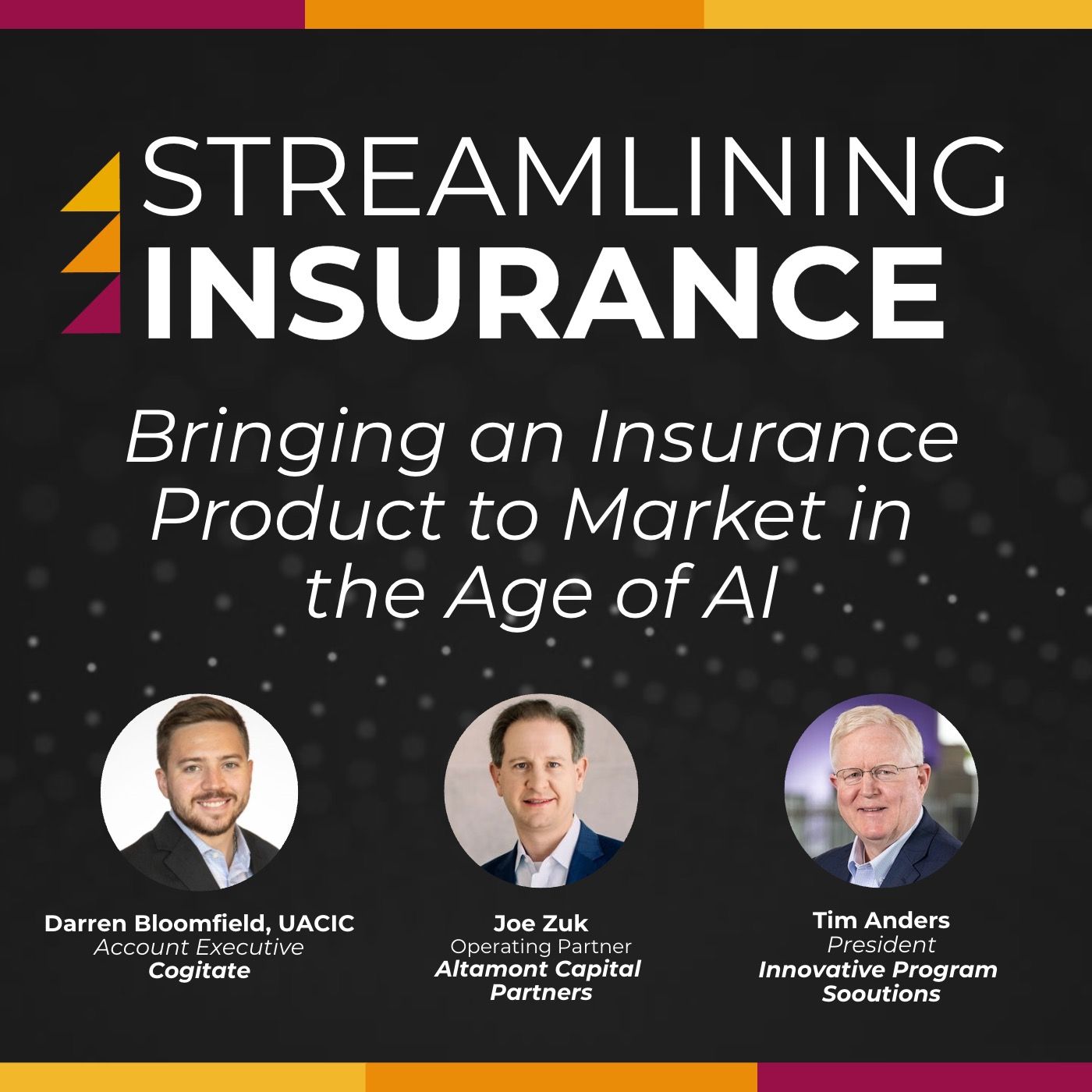
Streamlining Insurance: Bringing an Insurance Product to Market in the Age of AI
Topics Discussed The shift from economies of scale to specialized insurance organizations The changing roles of carriers, MGAs, brokers, reinsurers, and capital providers The great unbundling and modularization of the insurance value chain Hybrid fronting, MGA incubators, and enablement services Private equity, private credit, and institutional insurance capital How AI and data are changing underwriting and operations Why human judgment and contextual awareness remain essential Policy administration technology and operational efficiency Talent development and the future underwriting pipeline Why MGAs attract entrepreneurial underwriting talent Program durability, multiple capacity providers, and protecting the pen Broker needs and reducing friction in complex placements Catastrophe-exposed markets in California and Florida How MGAs identify distressed or underserved market opportunities The role of distribution, credibility, talent, and technology in launching an MGA Key Takeaways Insurance functions that once sat under one roof are increasingly owned, priced, and delivered by specialized organizations. Capital is becoming more flexible, but sound judgment, credibility, and disciplined execution remain scarce. Specialist expertise and proximity to the customer can improve risk selection and pricing decisions. AI is best positioned as an underwriting and operational support tool rather than a replacement for experienced judgment. Successful MGA platforms need strong policy administration capabilities and technology that can accommodate new tools and workflows. MGAs can offer underwriters greater agility, ownership, and entrepreneurial opportunity, but they must also develop sustainable talent pipelines. Durable programs reduce broker friction, consolidate expertise, and create a consistent experience across accounts. Market stress and coverage gaps often create opportunities for specialized MGAs, particularly in catastrophe-exposed or emerging risks. A successful MGA requires capital, distribution, talent, technology, deep underwriting expertise, and organizational support. Long-term carrier relationships depend on data, credibility, and a demonstrated commitment to target financial outcomes. Focusing exclusively on risk management and insurance professional development, the Risk & Insurance Education Alliance provides a practical advantage at every career stage, positioning our participants and their clients for confidence and success.
September 29, 202620 min
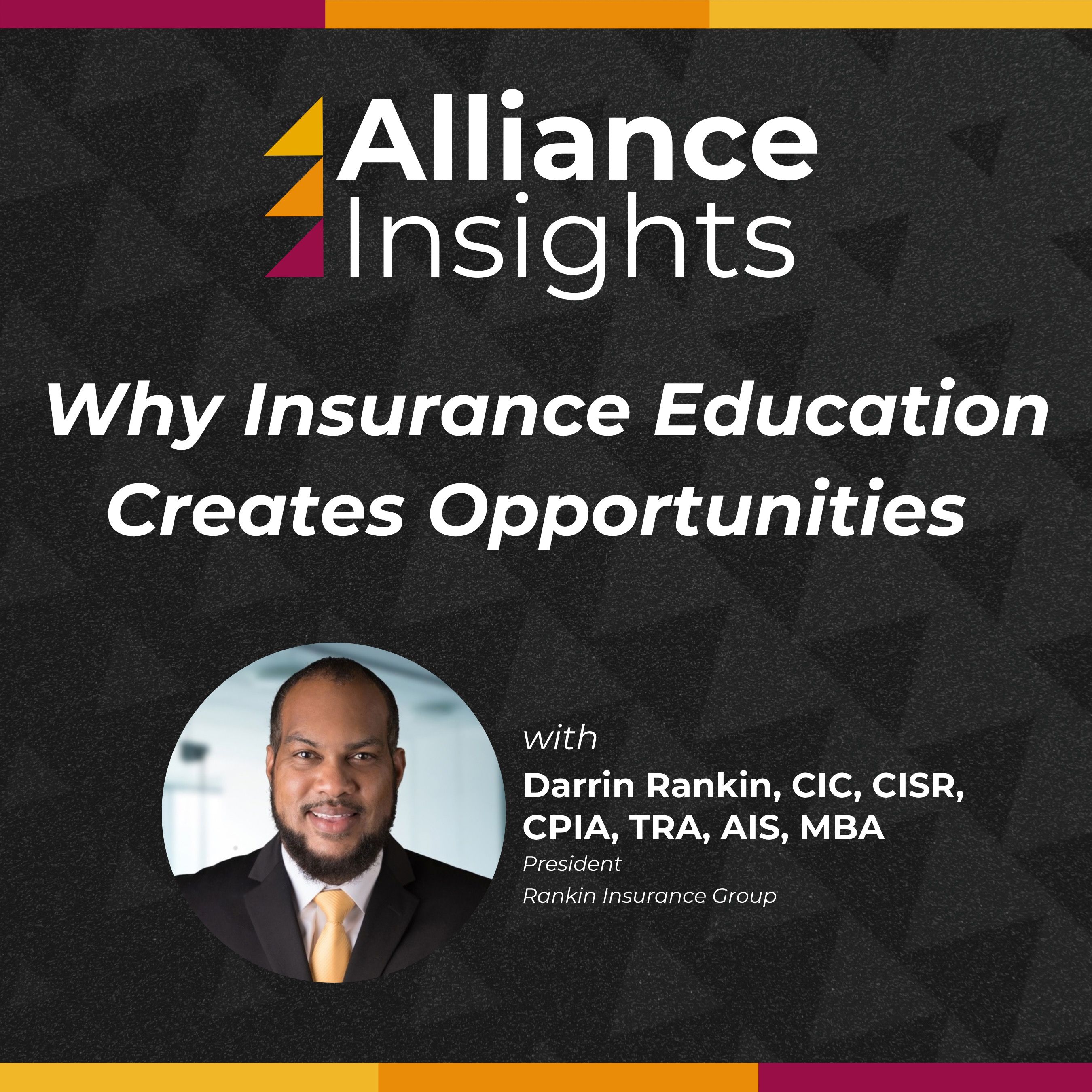
Why Insurance Education Creates Opportunities
Topics Discussed Starting an insurance agency from scratch Building a successful independent agency Insurance career development Professional designations and continuing education CIC and CISR programs Faculty development and teaching Work-life balance in insurance Mentorship and leadership Future insurance trends and AI Lifelong learning in the insurance profession Key Takeaways Education creates opportunities, career mobility, and long-term success. Building an agency requires persistence, patience, and commitment. Success is not measured only by revenue but also by relationships and personal fulfillment. Mentors can have a lasting impact even when they don't realize it. Effective instructors combine technical expertise with real-world examples and energy. Continuous learning is essential as insurance products, technology, and customer expectations evolve. Become an Alliance Faculty Member Do you enjoy sharing your expertise and helping insurance professionals grow? The Risk & Insurance Education Alliance invites experienced insurance and risk management professionals to explore opportunities to become faculty members. Our instructors help develop the next generation of industry leaders through practical, experience-driven education. Learn more about faculty opportunities and Alliance programs at riskeducation.org . Focusing exclusively on risk management and insurance professional development, the Risk & Insurance Education Alliance provides a practical advantage at every career stage, positioning our participants and their clients for confidence and success.
September 15, 202648 min
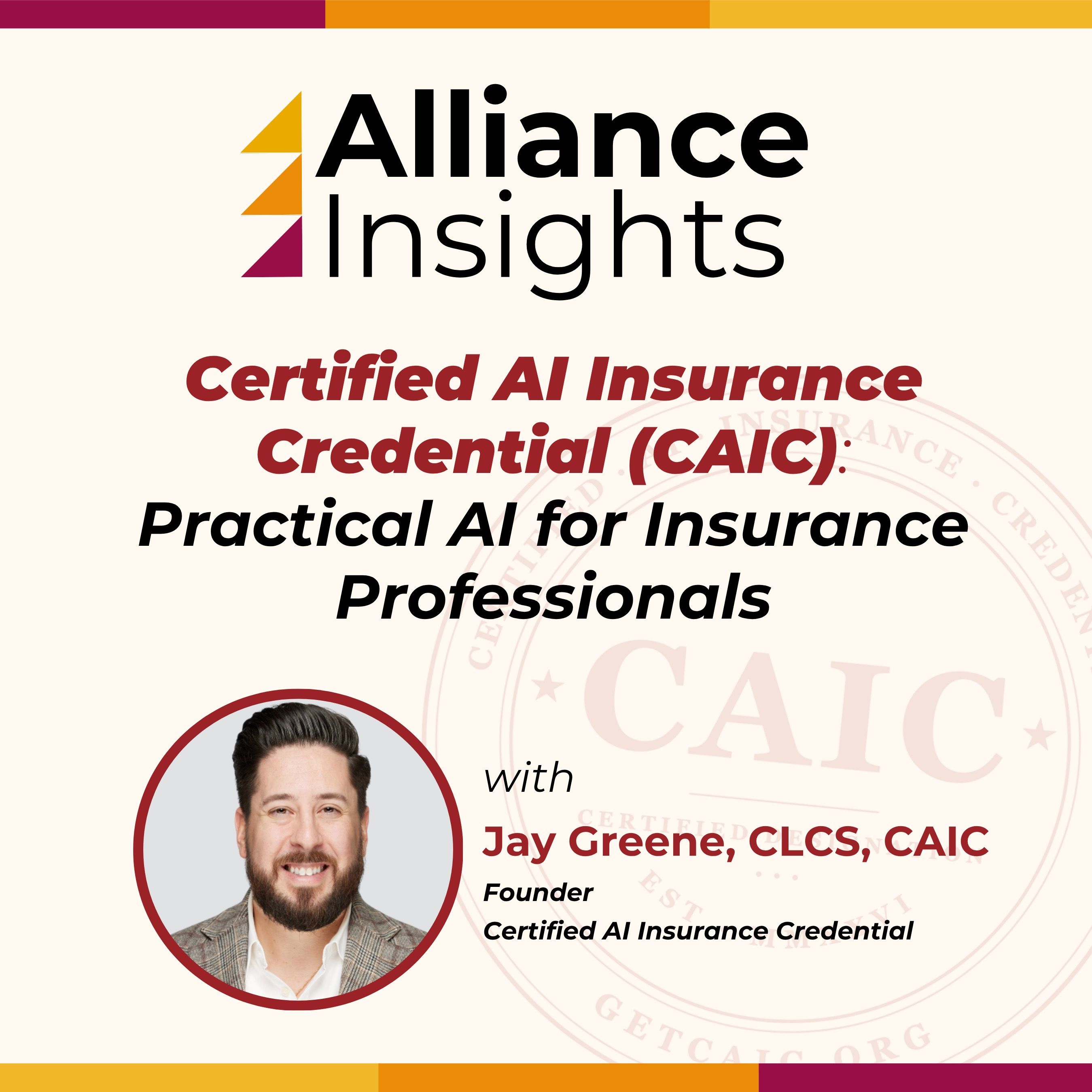
Certified AI Insurance Credential: Practical AI for Insurance Professionals
In this episode of Alliance Insights, Danielle Janecka welcomes Jay Greene, founder of the Certified AI Insurance Credential (CAIC), and Will Hold, President & CEO of the Risk & Insurance Education Alliance. Together, they explore: • Why AI adoption is becoming a competitive necessity • How insurance agencies can prepare for AI transformation • The importance of data quality and governance • What an "agentic agency" looks like in practice • Common mistakes organizations make when implementing AI • How Certified AI Insurance Credential provides practical, insurance-specific AI education • Why a living curriculum is critical in a rapidly evolving technology landscape Jay shares the personal experience that inspired him to create the credential and discusses how AI can help agencies improve workflows, boost productivity, and create new opportunities for professionals at every career stage. Will explains why the Alliance partnered with Certified AI Insurance Credential and how the program aligns with the Alliance's mission of providing practitioner-driven education that helps professionals adapt and thrive. Whether you're an agency owner, carrier professional, wholesaler, MGA leader, producer, or risk manager, this episode offers practical insights into preparing for the future of insurance. Ready to build AI knowledge that applies directly to insurance? The Certified AI Insurance Credential (CAIC) helps professionals understand AI fundamentals, evaluate technology solutions, improve workflows, and develop practical implementation strategies. Register through the Risk & Insurance Education Alliance and start gaining the knowledge needed to navigate the future of insurance with confidence. Focusing exclusively on risk management and insurance professional development, the Risk & Insurance Education Alliance provides a practical advantage at every career stage, positioning our participants and their clients for confidence and success.
September 8, 202622 min
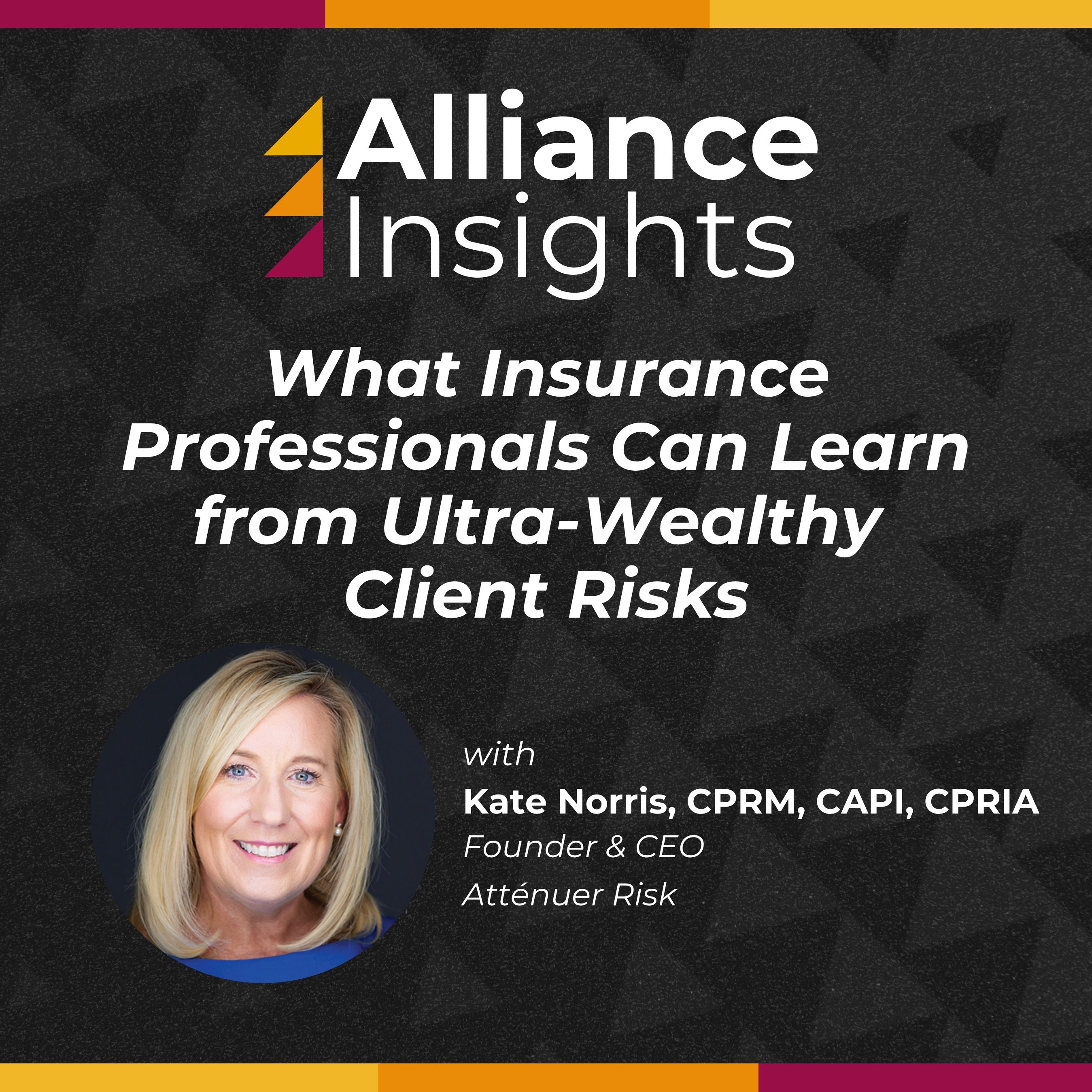
What Insurance Professionals Can Learn from Ultra-Wealthy Client Risks
Key Topics Discussed Personal risk management Family office risk management High-net-worth client exposures Client service excellence Risk identification and mitigation Insurance industry changes Career development Professional education Faculty leadership Knowledge sharing Key Takeaways Risk management extends beyond insurance policies into governance, succession planning, and organizational resilience. High-net-worth and family office clients face unique and evolving risk exposures. Strong client service remains a critical differentiator in the insurance industry. The best risk professionals stay curious and continually ask questions. Teaching helps professionals remain sharp and improve their own practices. Experienced practitioners have a responsibility to mentor and educate future industry leaders. Become an Alliance Faculty Member Do you have industry experience that could help others succeed? The Risk & Insurance Education Alliance is always looking for knowledgeable practitioners who are passionate about sharing real-world expertise. Becoming a faculty member is an opportunity to give back, strengthen your skills, and help develop the next generation of insurance and risk management professionals. Learn more about becoming an Alliance faculty member and make a lasting impact on the industry. Focusing exclusively on risk management and insurance professional development, the Risk & Insurance Education Alliance provides a practical advantage at every career stage, positioning our participants and their clients for confidence and success.
August 25, 202626 min
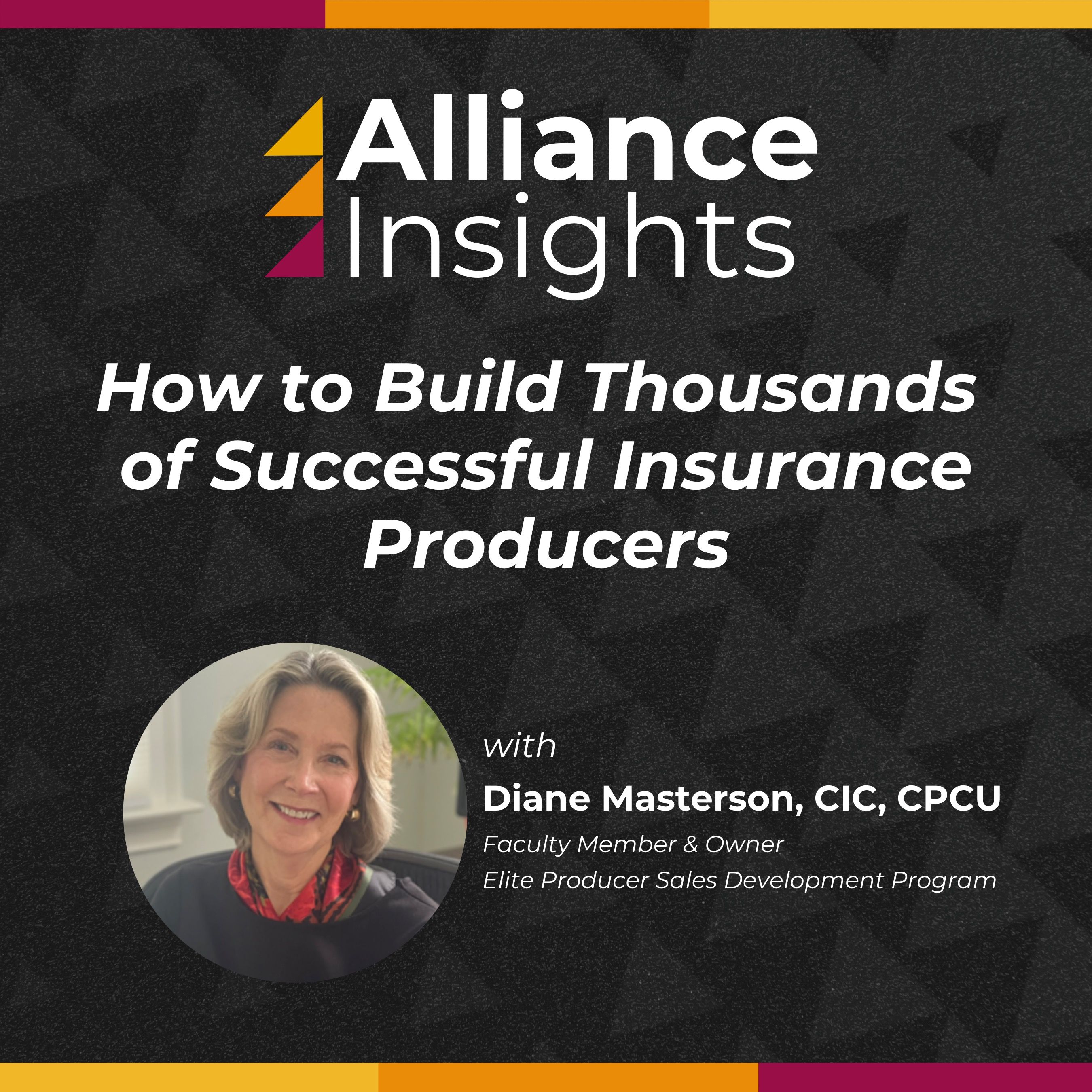
Alliance Insights: How to Build Thousands of Successful Insurance Producers
Key Topics Discussed Insurance career development Producer onboarding and training Prospecting and appointment setting Dynamics of Selling Insurance sales coaching Producer development programs Sales process design Insurance leadership Mentorship and professional growth Building successful insurance careers Key Takeaways The insurance industry offers meaningful and rewarding career opportunities. New producers often struggle most with prospecting and getting appointments. Effective sales results require both training and ongoing coaching. A structured sales process improves consistency and success. Coaching helps transform concepts into real-world behaviors. Long-term producer development creates lasting career success. Success looks different for every professional. Hard work remains a cornerstone of achievement in insurance. Become a Faculty Member with the Alliance Experienced insurance professionals have the opportunity to make a meaningful impact by becoming faculty members with the Risk & Insurance Education Alliance. Alliance faculty help educate, mentor, and develop insurance and risk management professionals through practical, experience-driven instruction. Faculty members bring real-world knowledge into the classroom and play an essential role in advancing the profession. If you're passionate about education, leadership, and giving back to the industry, explore faculty opportunities at https://www.riskeducation.org Focusing exclusively on risk management and insurance professional development, the Risk & Insurance Education Alliance provides a practical advantage at every career stage, positioning our participants and their clients for confidence and success.
August 11, 202632 min
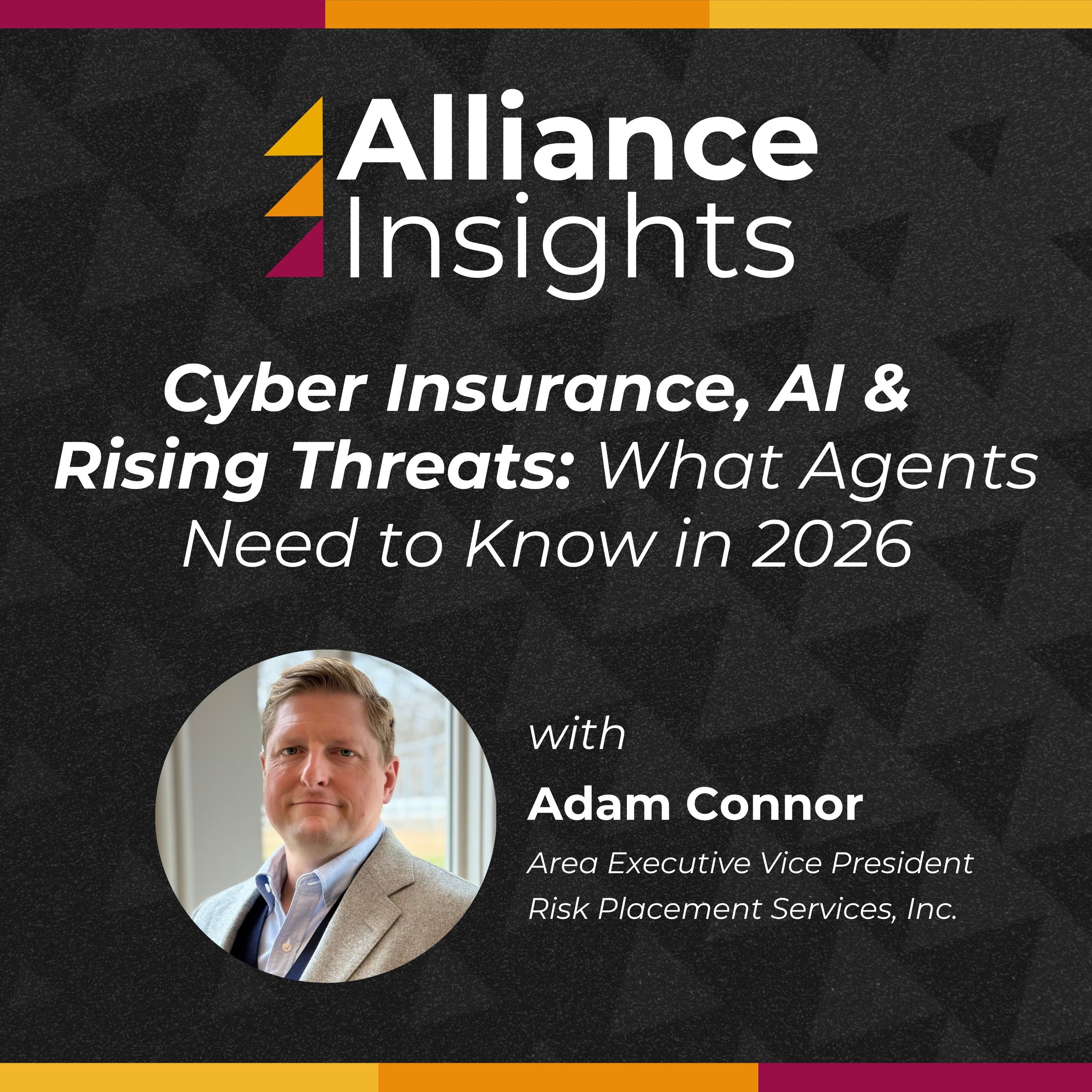
Cyber Insurance, AI & Rising Threats- What Agents Need to Know in 2026
Ready to build expertise in one of the fastest-growing areas of insurance? Explore the Risk & Insurance Education Alliance's Cyber RiskPRO® program and gain the knowledge you need to identify cyber exposures, explain coverage solutions, and serve clients with confidence in today's rapidly evolving cyber environment. Artificial intelligence is transforming the insurance industry, but it's also reshaping the cyber threat landscape. In a recent episode of Alliance Insights , Lisa Gardner spoke with Adam Connor, Area Executive Vice President at Risk Placement Services, about the current state of the cyber insurance market and what insurance professionals should expect over the next 12 to 18 months. One of Connor's key observations is that AI is rapidly becoming an everyday business tool. He described today's AI adoption as similar to the early days of online dating services. What once felt unfamiliar is quickly becoming mainstream. Insurance agencies are already using secure AI tools to analyze books of business, identify growth opportunities, improve retention strategies, and automate administrative tasks. At the same time, cyber criminals are leveraging AI to increase the speed and scale of attacks. According to Connor, social engineering and ransomware remain leading causes of cyber claims. AI lowers the technical barriers for threat actors, making sophisticated attacks easier to launch than ever before. Despite rising claims activity, the cyber insurance market remains competitive. Connor noted that many organizations continue to see flat renewals or even rate reductions due to new carrier entrants and strong marketplace competition. However, he expects the market to gradually harden as losses continue to accumulate. Connor also challenged a common misconception that smaller organizations are unlikely cyber targets. Many attacks use a broad, automated approach rather than targeting specific companies. Businesses that fail to maintain software updates, security controls, and employee awareness programs remain vulnerable regardless of size. Another important takeaway is the need for adequate cyber insurance limits. Connor cautioned that minimal coverage may create a false sense of security. With cyber losses often reaching millions of dollars, organizations should carefully evaluate whether their limits align with their exposure. As cyber threats continue to evolve, insurance professionals have an opportunity to help clients better understand both risk management and insurance solutions. While technologies may change, Connor's message was clear: cyber risk isn't going away, and organizations that embrace both cybersecurity and cyber insurance will be better positioned for the future. Cyber threats are evolving faster than ever, and clients are looking to insurance professionals for guidance. Build the expertise needed to identify cyber exposures, evaluate coverage options, and confidently navigate today’s cyber risk landscape with the Risk & Insurance Education Alliance’s Cyber RiskPRO® program. Learn more and take the next step in advancing your cyber risk knowledge. Focusing exclusively on risk management and insurance professional development, the Risk & Insurance Education Alliance provides a practical advantage at every career stage, positioning our participants and their clients for confidence and success.
August 6, 202647 min
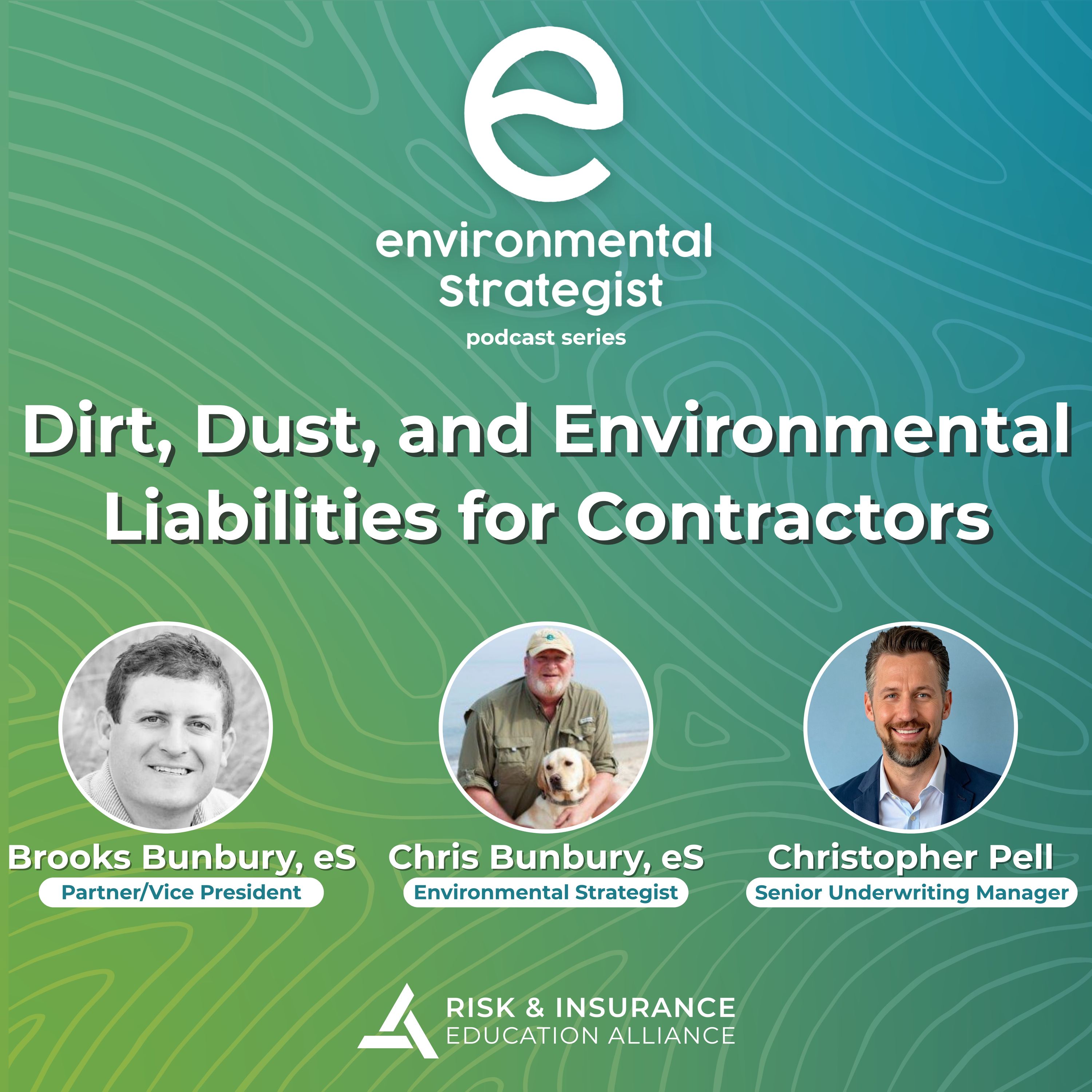
Environmental Strategist Podcast: Dirt, Dust, and Environmental Liabilities for Contractors
Contractors face environmental exposures that can lead to costly claims, coverage disputes, project delays, cleanup expenses, legal defense costs, and third-party liability. In this episode of the Environmental Strategist Podcast , presented in partnership with the Risk & Insurance Education Alliance , Brooks Bunbury is joined by Christopher Pell, Senior Underwriting Manager with Intact Insurance, Midwest and Eastern Environmental Division, to explore real-world contractor pollution liability claims and the environmental insurance solutions that can help protect businesses. The conversation examines current environmental insurance market conditions, growth in contractor pollution liability coverage, and the types of claims carriers are seeing across the construction and contracting space. Examples include mold from an improperly installed HVAC system, asbestos-contaminated demolition debris, underground utility strikes, fuel line leaks, stormwater runoff, liquid asphalt spills, illicit dumping, vapor intrusion, and aging underground storage tanks. Listeners will also learn how Contractors Pollution Liability (CPL) , site pollution coverage , transportation pollution liability , underground storage tank coverage , and related environmental insurance products may respond to exposures that are often excluded or limited under general liability, commercial auto, or property policies. The episode also offers practical underwriting insights for agents and brokers, including why project lists, loss runs, financial stability, health and safety practices, and well-drafted contracts matter when placing environmental coverage. This episode is ideal for insurance agents, brokers, risk managers, contractors, and environmental insurance professionals who want to better understand contractor pollution exposures, coverage gaps, and the importance of environmental financial assurance. Key Topics Environmental liabilities facing contractors Current environmental insurance market conditions Growth trends in contractor pollution liability (CPL) Mold claims and water intrusion exposures Asbestos contamination and demolition risks Fuel spills, leaking tanks, and underground utility strikes Vapor intrusion, silica, PFAS, and stormwater runoff Contractor Pollution Liability (CPL) coverage Environmental Impairment Liability (EIL) and site pollution coverage Transportation Pollution Liability coverage Underground Storage Tank (UST) risks and insurance considerations Legal defense costs in environmental claims Contractual environmental insurance requirements Environmental financial assurance programs Underwriting best practices for contractors How pollution coverage can provide a competitive bidding advantage Key Takeaways Environmental exposures exist for nearly every contractor, not just environmental specialists. Excavation, demolition, HVAC, plumbing, utility installation, roofing, and transportation operations can all trigger costly pollution claims. Standard general liability policies often contain pollution exclusions that leave contractors uninsured for significant environmental losses. Contractor Pollution Liability (CPL) coverage can address cleanup costs, bodily injury, property damage, business interruption, natural resource damages, and legal defense costs. Mold continues to be a major source of environmental claims affecting contractors across multiple trades. Underground utility strikes, fuel releases, asbestos discoveries, and stormwater runoff can quickly generate six- and seven-figure losses. Transportation Pollution Liability fills important coverage gaps that may not be addressed by commercial auto policies. Aging underground storage tanks present increasing risk and may become more difficult and expensive to insure over time. Strong safety programs, favorable loss histories, stable finances, and well-written contracts can improve underwriting outcomes and pricing. Contractors can use pollution liability coverage as a differentiator when competing for projects that require environmental financial assurance. Want to build stronger environmental risk and insurance expertise? Enroll in the Certified Environmental Strategist, Self-Paced Online Course from the Risk & Insurance Education Alliance. This four-hour, on-demand course helps insurance professionals better understand environmental exposures, coverage solutions, and risk management strategies. Start learning on your schedule and earn your Certified Environmental Strategist certification. Focusing exclusively on risk management and insurance professional development, the Risk & Insurance Education Alliance provides a practical advantage at every career stage, positioning our participants and their clients for confidence and success.
July 30, 202644 min
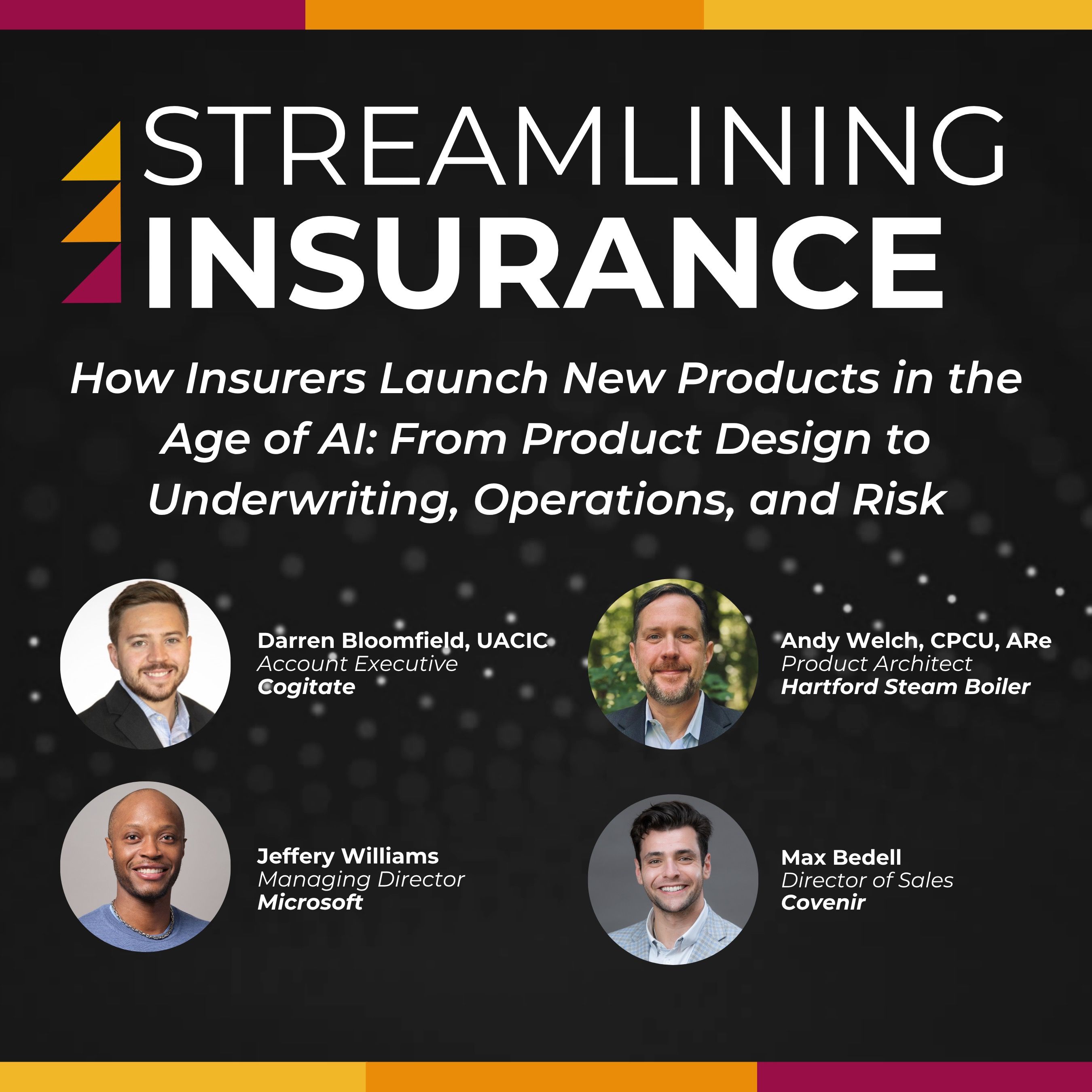
How Insurers Launch New Products in the Age of AI From Product Design to Underwriting Operations
Featured Guests Jeffrey Williams , Managing Director, Microsoft Global Insurance Advisory Practice Andy Welch , Product Architect, HSB Max Bedell , Head of Sales, Covenir Topics Discussed AI liability insurance Emerging AI risks and exposures Insurance coverage gaps Underwriting AI-related risks Insurance operations and automation MGA and carrier strategy AI adoption and employee enablement Claims and customer service transformation Future insurance technology trends The evolving relationship between people and AI Key Takeaways AI is creating new insurance coverage needs and exposures. Insurers are beginning to address AI-specific liability risks. Successful AI adoption requires employee education and engagement. AI should augment insurance professionals, not replace them. Insurance remains a relationship-driven industry. Organizations that thoughtfully integrate AI into workflows will gain a competitive advantage. CIC Insurance Company Operations Want a deeper understanding of how insurance companies operate, make underwriting decisions, manage claims, and leverage technology? The CIC Insurance Company Operations course from the Risk & Insurance Education Alliance provides insurance professionals with a practical look inside carrier operations, business strategy, financial considerations, underwriting processes, and organizational decision-making. Explore CIC Insurance Company Operations and gain the knowledge needed to better understand the insurance companies you work with every day. Focusing exclusively on risk management and insurance professional development, the Risk & Insurance Education Alliance provides a practical advantage at every career stage, positioning our participants and their clients for confidence and success.
July 22, 202634 min
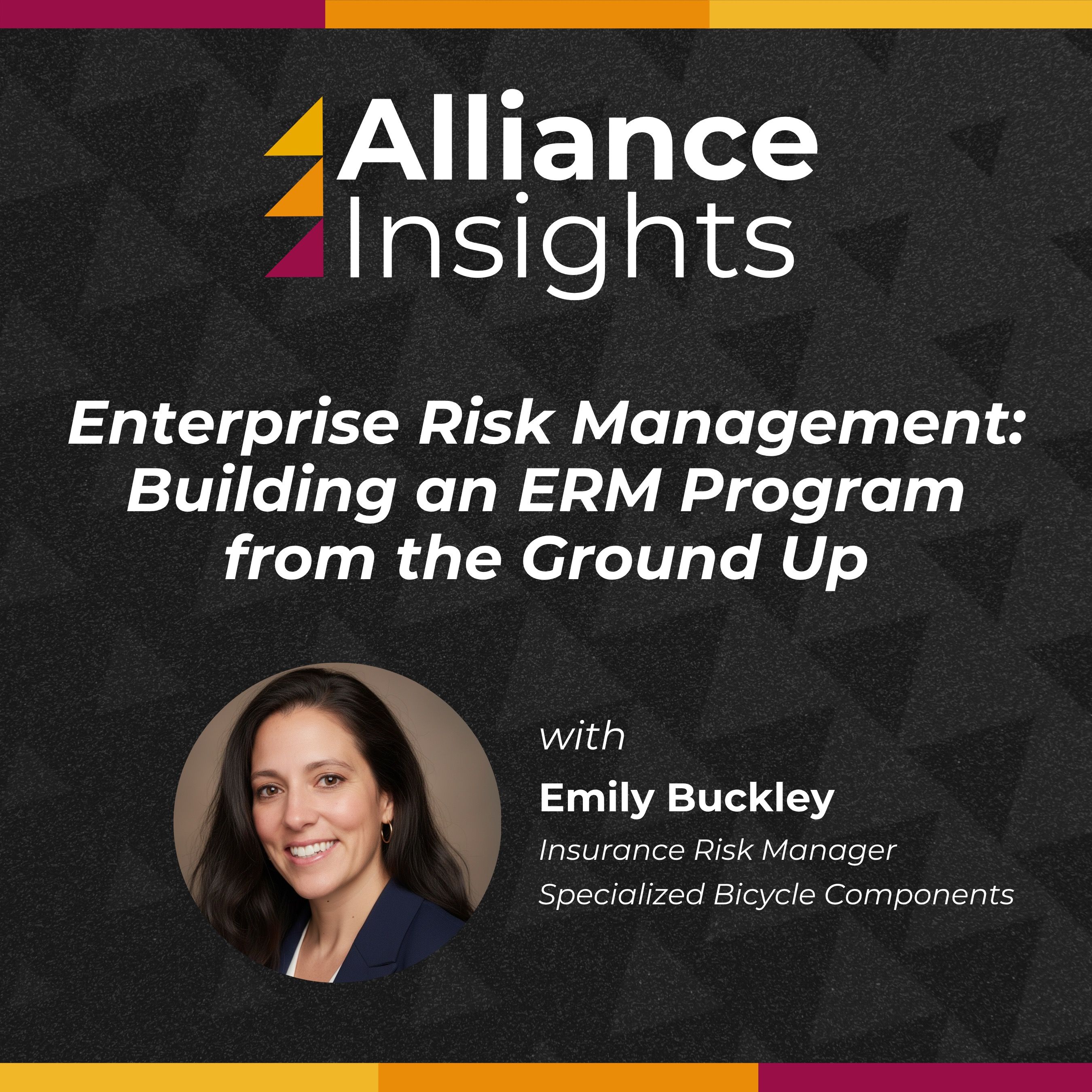
Enterprise Risk Management Building an ERM Program from the Ground Up
Key Topics Discussed Building an enterprise risk management (ERM) program from scratch Creating a strong foundation for organizational risk management Gaining executive support and stakeholder buy-in Breaking down silos through relationship building Identifying and prioritizing enterprise risks Using risk assessments to guide strategic decisions Designing insurance programs that support organizational growth Building productive broker and underwriter relationships Business continuity planning and resilience strategies Managing supply chain risk in a global organization Navigating multinational insurance challenges Lessons learned for new and aspiring risk managers Why risk management offers diverse career opportunities Key Takeaways Successful ERM programs begin with a clear understanding of an organization's most significant risks. Executive sponsorship is critical when building a risk management function. Relationships across departments are essential for identifying and managing risk effectively. Business continuity planning requires both strategic planning and operational knowledge. Insurance is one component of a broader risk management strategy. The right consultants, brokers, and service providers can accelerate program maturity. Risk management professionals can find opportunities across virtually every industry. Featured Guest Emily Buckley Risk Manager, Specialized Bicycle Components Emily leads risk management, insurance strategy, business continuity, and resilience initiatives at Specialized Bicycle Components. As the company's first dedicated risk manager, she has been instrumental in developing its enterprise risk management framework and strengthening organizational resilience across a global footprint. Learn More Interested in advancing your risk management expertise? The Practice of Risk Management course from the Risk & Insurance Education Alliance's CRM Designation program, provides practical frameworks for identifying, analyzing, controlling, financing, and monitoring organizational risks. Whether you're building an ERM program, improving business resilience, or advancing your career, PRM delivers the tools needed to make a measurable impact. Focusing exclusively on risk management and insurance professional development, the Risk & Insurance Education Alliance provides a practical advantage at every career stage, positioning our participants and their clients for confidence and success.
Is this your show?
Claim this listing to keep it up to date, reach guests who want to pitch you, and manage bookings with Guestify.