Find partners
Dentistry Talks

Dentistry Talks

Hosted by Dentistry

HealthFitnessInterviews guests

Episodes

100

Latest episode

Aug 2026

Language

EN

About the show

This is Dentistry Talks, a podcast where we speak with exciting voices – in and outside of the profession – to bring you fresh perspectives on dentistry. Whether it's a successful entrepreneur or a record-breaking athlete, our guests share experiences that have important connections to the world of dentistry. We hope their stories and advice can help you to reshape the way you approach dentistry – be it in business, personal development or providing the best patient care.

Listen to episodes

60 recent
September 29, 202658 min

Dentists are the 'perimenopause detectives': Kate Muir on menopause

'Dentists are the perimenopause detectives '. That is Kate Muir's pitch to the profession. A patient may still be having periods. She may not have spoken to her general practitioner. She may not even suspect perimenopause. But something in her mouth has changed. A wobbly tooth. Dryness. Burning mouth. Changes to her gums or bone. Could her dentist be the person who joins the dots? 'Your mouth is a big oestrogen party, and when you know you take the fun out of the party, things start to crack up. Things start to dry up,' Muir says. This is where the latest episode of Dentistry Talks begins: with the mouth as an overlooked part of the menopause conversation. Muir is a journalist, author and documentary maker who helped push menopause into public discussion through her Channel 4 films with Davina McCall. Yet she admits that she only recently began investigating the connection between hormones and oral health. 'It's in your teeth. It's in your gums. It's in your saliva. It helps maintain your oral microbiome,' she says. For dental professionals, the opportunity is not to diagnose menopause. It is to notice, ask and signpost. 'Maybe they can make the connection between the teeth and the rest of the body in a kind of backwards way,' Muir says, 'and say maybe you should go see your doctor, maybe you should be paying more attention to this.' Her own perimenopause did not announce itself clearly. While working as chief film critic of The Times , Muir developed heart palpitations and memory loss. One day, while writing a shopping list, she could not remember the word 'razor'. 'I thought, oh my god, I've got Alzheimer's because my mom had died of Alzheimer's just before that, and I panicked and panicked,' she recalls. The conversation moves from that frightening moment to the battle to get her first documentary commissioned, the phone call that brought McCall on board and the hormone replacement therapy (HRT) claims Muir believes are still frightening women away from treatment. There is also a question for practice owners. General Dental Council data shows that 103,138 registered dental professionals are women. Muir says surveys found that one in 10 women were leaving their jobs because of menopause symptoms. How much dental experience is being lost because somebody is struggling silently? And how much could be retained if practices knew what to ask? This episode forms part of Dentistry’s Menopause Matters campaign. Topics include: Why dentists could be ‘the perimenopause detectives’ Menopause and its effects on oral health Recognising changes and beginning sensitive patient conversations Supporting dental professionals experiencing menopause symptoms Memory loss, heart palpitations and other overlooked symptoms Misinformation and continuing fears around hormone replacement therapy How Kate Muir and Davina McCall brought menopause to television Why menopause awareness must now lead to action.

August 26, 202658 min

Is your dental practice accessible enough? Maisie Cass on neuroinclusion in dentistry

What is one thing a dental practice can do today to become more accessible? For Maisie Cass, it starts with curiosity. Cass is a neuroinclusion specialist, chief curiosity officer at Diversity Does, and was diagnosed with ADHD in adulthood. She has spent 20 years helping organisations understand the minds they are missing. In this episode of Dentistry Talks , she makes the case that accessibility is not a checklist. Or a policy. But instead a question: what does this person need to do their best work, feel understood and access care with less stress? The conversation cuts across both sides of the practice. For dental teams, it is about recruitment processes that filter out neurodivergent candidates before they ever reach an interview, onboarding that assumes everyone learns the same way, and performance conversations that mistake difference for deficiency. For patients, it is about what happens when someone walks through the door already overwhelmed by the noise, the lighting, the uncertainty of what comes next, and nobody on the team knows how to read it. Cass is particularly good on masking: the exhausting performance many neurodivergent people put on to appear neurotypical, often for years, often until burnout makes it impossible to continue. In dentistry, where perfectionism and high-stakes precision are the baseline, that invisible load can be severe. The episode also touches on the neurodivergent parents and carers sitting in your waiting room or working in your practice, carrying school meetings, emotional regulation battles and exhaustion alongside their clinical responsibilities, as if none of it is happening. The message throughout from Cass is practical. Neuroinclusion is building a practice where people can communicate clearly, work sustainably, and feel safe enough to ask for what they need. Topics include: What dental practices can do today to become more accessible Neuroinclusion in recruitment, onboarding and management Why diagnosis should open the conversation, not close it Supporting neurodivergent staff, patients, parents and carers Patient communication, sensory needs and dental anxiety Creating practice environments where people can do their best work.

July 28, 202649 min

Burnout in dentistry: the warning signs before the collapse

Burnout does not always arrive as a dramatic collapse. Sometimes it looks like another full diary, another yes, another day of telling yourself you will rest when things calm down in the surgery. Lynn Blades knows this pattern well. The founder of Legacy Leadership, journalist and author of The Quiet Burn , she has spent years helping high-performing professionals recognise what they have been trained to ignore. In this episode of Dentistry Talks , Blades explores why so many professionals miss the warning signs until their body forces them to stop and why dentistry, with its clinical precision, patient expectations, perfectionism, complaints risk, business ownership and the emotional labour of caring for people who are already anxious in the chair, is particularly exposed. ‘The dental industry is full of pressure,’ she says. Blades argues that one of the biggest myths about burnout is that it can be fixed over a long weekend. The real question, she says, is whether you are recovering properly. Warning signs include continuous fatigue, brain fog, forgetfulness, loss of interest in things that usually bring joy, physical pain, appetite changes, withdrawal and waking up without feeling rested. ‘When you get to the point where I cannot get out of bed, that is too late,’ she says. ‘That means you have not paid attention.’ How to identify burnout The episode also looks at how practice leaders can spot burnout in colleagues. Blades says changes in behaviour, more sickness absence, withdrawal, loss of confidence or taking on too much can all be signs that someone is struggling. Her advice is direct: ask what is going on before the person breaks. A major theme is boundaries, particularly the difficulty many people have with saying no. ‘No is a beautiful word,’ Blades says. ‘No means self-respect, no means boundaries.’ She argues that people who always say yes can become the ‘worker bee’ who gets everything done without the recognition, promotion or space to shine. Blades also shares her own burnout story, including the back pain she ignored until two discs collapsed and she needed surgery. It was, she says, the hard way to learn that she was not superwoman. Topics include: The early warning signs of burnout in dentistry Why recovery matters more than stress alone How to spot burnout in colleagues Saying no, boundaries and people pleasing Social media comparison and professional pressure Why self-care is a leadership skill.

June 30, 202655 min

How an Olympic bobsleigh athlete learned to weather the storm

We hear from British bobsleigh athlete, three-time champion shot putter and Olympian Adele Nicholl on decision making under pressure, resilience and why high performance is built through self-awareness, accountability and adaptability. In this episode of Dentistry Talks , Adele explores what elite sport can teach dental professionals about handling pressure, making difficult choices and staying calm when plans change. Drawing on her Olympic career, psychology background and experience speaking to business leaders, she explains why good decision making is a skill that can be learned, practised and improved over time. Adele reflects on the importance of taking responsibility for how we respond to setbacks, why self-belief matters when others do not understand your path, and how developing a ‘pencil plan’ can help professionals remain flexible without losing sight of long-term goals. The conversation also explores resilience, confidence, delayed gratification and the value of knowing yourself well enough to make decisions from clarity rather than fear. Topics include: Decision making under pressure What dentistry can learn from elite sport Resilience, setbacks and self-awareness Accountability and taking ownership Why adaptability matters in high-performance environments Trusting your gut while making considered choices.

May 27, 202642 min

Burnout, balance and building a brand: lessons from the Singing Dentist

We hear from dentist, creator and social media personality Milad Shadrooh – better known to millions online as The Singing Dentist – on authenticity, burnout and building a career that can actually last. Recorded live at the North of England Dentistry Show, this special edition of Dentistry Talks explores the realities of balancing clinical dentistry with life online, from social media pressure and personal branding to mindset, communication and protecting your energy in a demanding profession. Milad reflects on the journey from viral videos to global recognition, why authenticity matters more than performance online, and how routines, boundaries and strong relationships have helped him sustain both creativity and clinical practice over the long term. The conversation also explores the changing pressures facing modern dentistry – including burnout, patient expectations and the importance of communication – alongside practical lessons on confidence, resilience and building a healthier relationship with work. Topics include: Authenticity and building a personal brand online Managing social media pressure and criticism Burnout, routines and protecting your energy Why communication matters in dentistry Balancing creativity with clinical practice The changing realities of modern dentistry.

April 29, 202655 min

Ageing as a dental professional: how to maintain purpose and identity

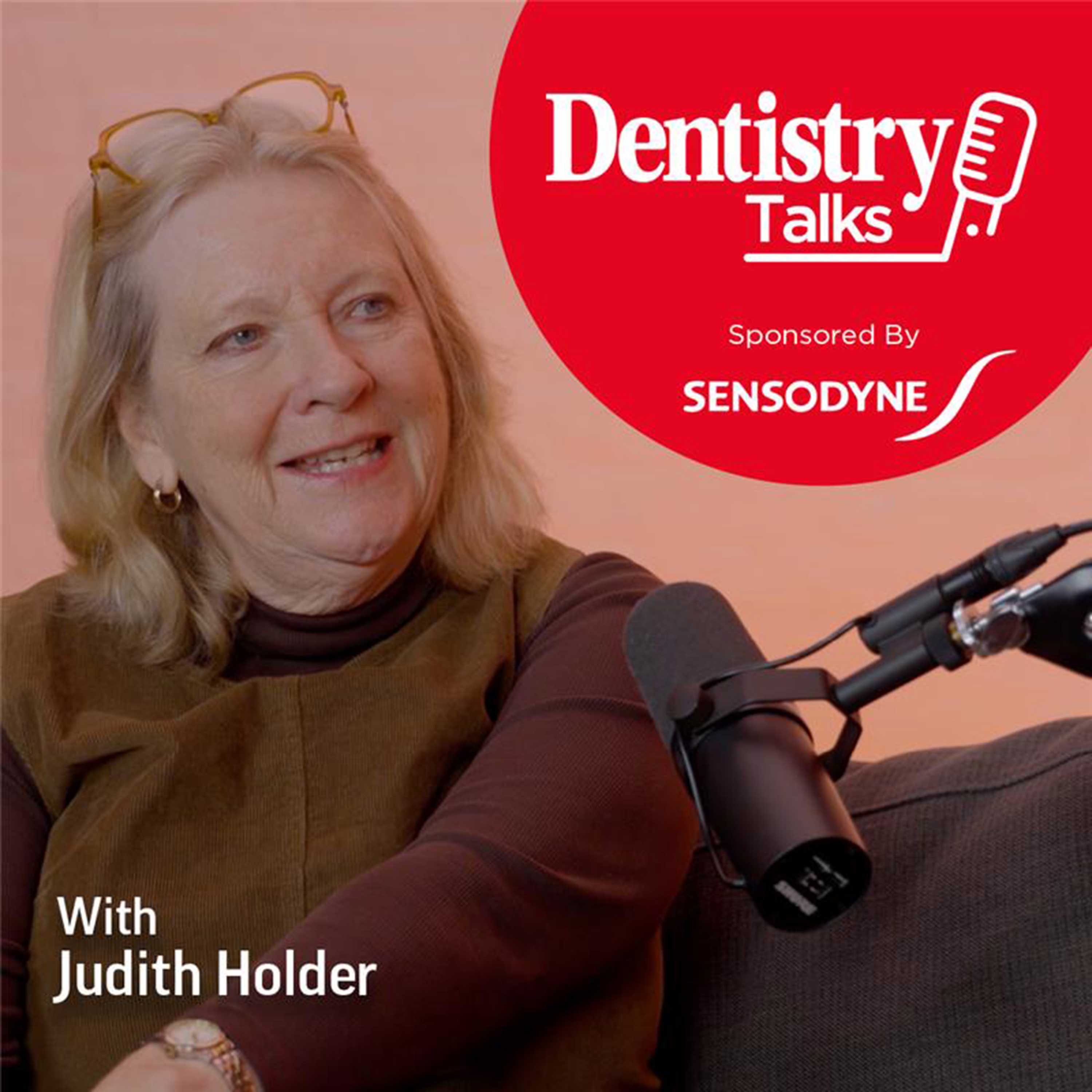
We hear from writer, broadcaster and speaker Judith Holder on ageing, identity and why later life deserves a different narrative – particularly for dental professionals working with an older patient base. Judith reflects on a career in television and comedy, and how stepping away from it allowed her to rediscover a sense of freedom, purpose and identity beyond work. These themes might resonate particularly strongly with dental professionals navigating high-pressure careers and thinking about life beyond the clinic. She challenges long-held stereotypes around ageing – particularly for women – and explains why feeling ‘overlooked’ or underestimated is still a common experience. The conversation asks what that means for how dental professionals communicate with and care for older patients. Judith’s turning point came when retirement created space to explore new interests and perspectives, reinforcing the idea that later life can be a period of growth, reinvention and renewed confidence. For dental professionals, the conversation offers a timely reminder that age, identity and lived experience all shape how patients engage with care – and why communication, empathy and awareness matter more than ever. Topics include What ageing really feels like – versus how it’s perceived Challenging stereotypes around older patients and colleagues Identity, purpose and life beyond a high-pressure career Why communication and language matter more than we think Finding balance, wellbeing and new opportunities later in life.

March 31, 202651 min

What every dentist needs to understand about trauma and dental anxiety

We hear from trauma-informed practitioner Ella McCrystal on why understanding trauma, mental health and human behaviour is becoming increasingly important for dental professionals. Ella shares her personal journey and explores what trauma really is – not just the events people go through, but how those experiences are stored, expressed and carried through the body over time. She explains why trauma so often shows up in dentistry, from dental anxiety and avoidance to communication challenges, stress within teams and the wider pressures facing the profession. A turning point came when Ella realised that many systems still treat symptoms rather than people, leading her to develop a more personalised, body-led approach that reflects the complexity of trauma and recovery. Topics include: Understanding what trauma actually is Why dental anxiety is often about more than dentistry The link between stress, burnout and patient communication Why mental health education needs to go deeper How more holistic care could benefit both patients and professionals.

March 2, 202648 min

From pitchside to practice: lessons from sports dentistry

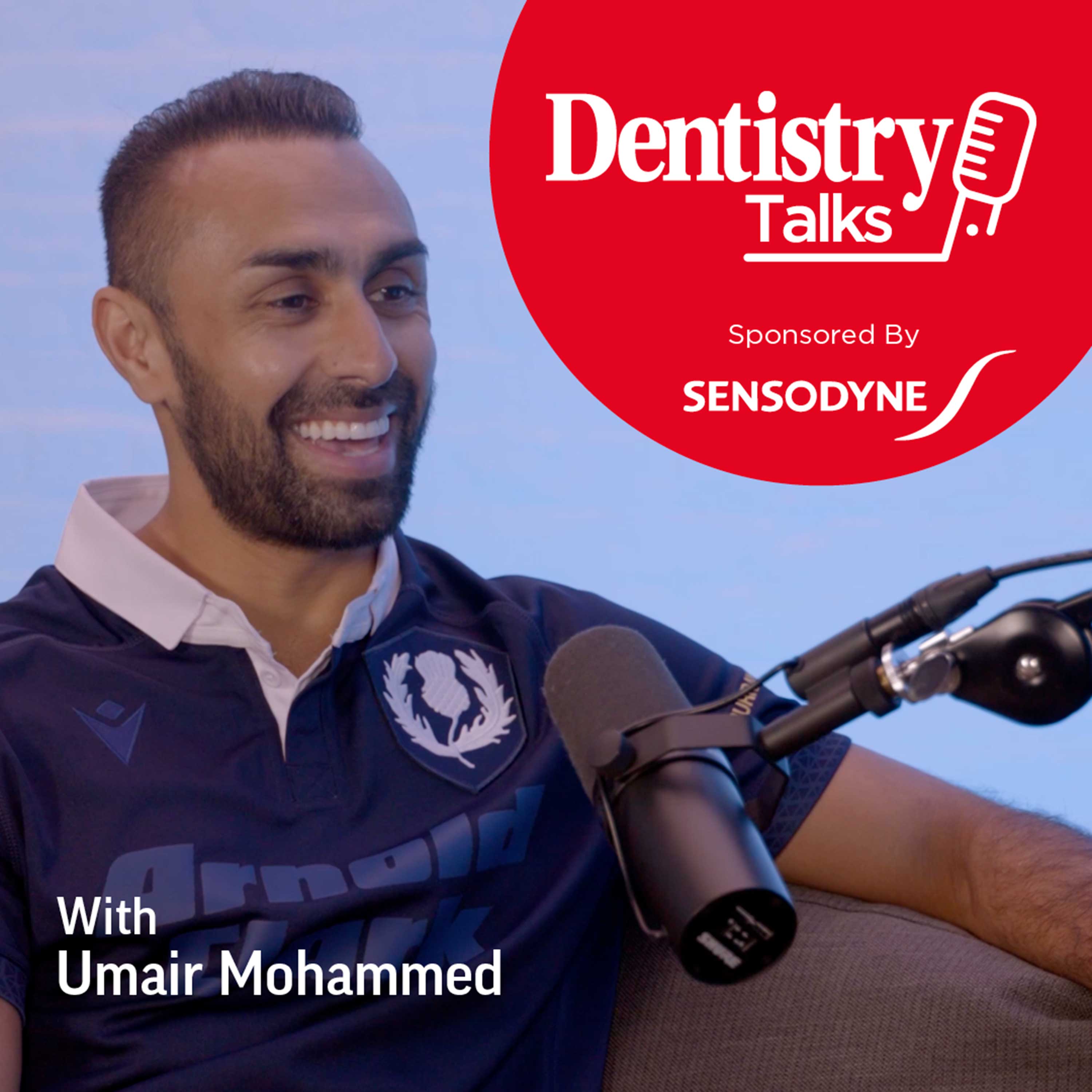
We hear from sports dentist Umair Mohammed, one of only a handful of clinicians worldwide to hold an MSc in sports dentistry, on why oral health belongs at the heart of athletic performance. Umair reflects on carving out a niche many once dismissed, combining his background in sport with his clinical career to help shape a growing movement in UK dentistry. He shares what it really means to be a sports dentist – from working pitch-side with elite teams to educating athletes and medical staff on the impact of oral health, sleep, nutrition and prevention. A turning point came when he realised that if the profession was to take sports dentistry seriously, someone had to champion it – helping to establish the UK Sports Dentistry Association and building an international network of like-minded clinicians.

January 30, 202650 min

Lessons from the business guru behind Kinky Boots

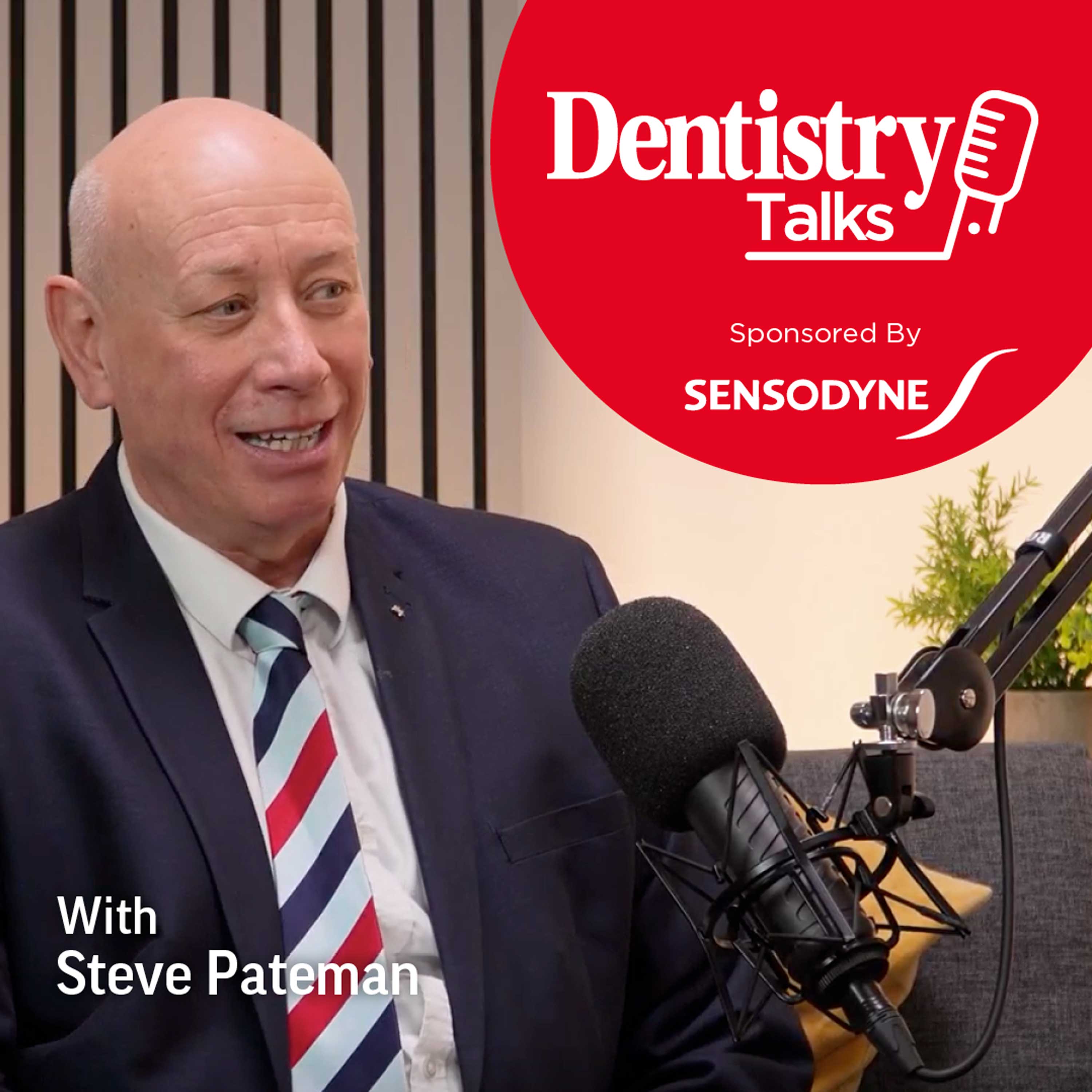
We hear from business leader Steve Pateman, whose story inspired the iconic broadway musical Kinky Boots , on breaking away from the band waggon. Steve reflects on adaptability, innovation, and timeless business lessons relevant to dental professionals. He explains how his traditional family footwear business struggled with rapid market changes, global competition, and currency shifts, forcing him to adapt. A turning point came when he identified an underserved niche market for high-quality, fashionable footwear in extended men's sizes, leading to business reinvention. Topics include: Adaptability in fast-changing industries Clear, personal communication with customers and teams Respect, inclusivity and approachability in customer relations Evaluating the value of innovation before committing Strong leadership and staff engagement.

December 23, 202549 min

Dental professionals – here's why you are capable of more than you think

In this episode, Michelle Carney explains why dental teams need to care about neurodiversity – and how inclusive recruitment can transform a practice. Michelle shares her journey with warmth and authenticity, explaining why kindness and compassion are not 'soft skills' but essential leadership strengths. She explores why neurodiversity matters in dentistry, highlighting how different ways of thinking elevate team performance and creativity – but also patient care. Michelle also discusses inclusive recruitment, including opportunities for neurodivergent individuals and those with intellectual disabilities, and why this approach makes sense for modern dental practices and businesses. Topics include: Leading with compassion Neurodiversity – why should dental teams care? How neurodiversity elevates teams What inclusive recruitment looks like Finding humour in the day to day and why it's important. This podcast is powered by Sensodyne .

Is this your show?

Claim this listing to keep it up to date, reach guests who want to pitch you, and manage bookings with Guestify.

Claim this listing