Brains Byte Back interviews startups, entrepreneurs, and industry leaders that tap into how our brains work. We explore how knowledge & technology intersect to build a better, more sustainable future for humanity. If you're interested in ideas that push the needle, and future-proofing yourself for the new information age, join us every Friday. Brains Byte Back guests include founders, CEOs, and other influential individuals making a big difference in society, with past guest speakers such as New York Times journalists, MIT Professors, and C-suite executives of Fortune 500 companies.
Listen to episodes
60 recent
October 21, 20269 min
Not Upfront About Your AI Use? It Could Cost You a Patent
Using ChatGPT or Claude to develop your invention? According to experts, if you aren’t upfront about how you used the tool, it could one day cost you a patent. In this episode of Brains Byte Back, host Erick Espinosa speaks with Cameron Powell and Gary Shuster, partners at DeepLaw, about how to use AI to build a business without putting the rights to your ideas at risk. Can using AI put your patent at risk? It comes down to who really came up with the idea, and whether you are open about the role AI played. What you need to know: Patents: AI can help you draft, but the idea has to be yours, and how you used it matters. Copyrights: What the U.S. Copyright Office says about work made with today’s technology. Trademarks: What founders should know before putting a name on the market. Whether you are an entrepreneur, a startup founder or a solo builder using AI tools every day, this is the practical guide to protecting your intellectual property. This is general information, not legal advice. Watch more: sociable.co/brains-byte-back DeepLaw: www.deeplawfirm.com Contact: erick@sociable.co
October 9, 202611 min
The H-1B Lottery Isn’t the Only Way to Work in the US. Here Are 4 Alternatives
The H-1B lottery isn’t the only way to work in the US. Immigration expert Danielle Goldman, CEO and co-founder of Build Talent Labs, breaks down four visa pathways international talent can still use, including a cap-exempt H-1B with no lottery. With the Microsoft green card suspension and a proposed $70,000 OPT fee making headlines this week, host Erick Espinosa asks what’s still working, with real examples. Please note: this interview was recorded before DHS proposed new OPT fees on Oct. 8, 2026. The fee is not in effect, and comments are open until Nov. 9. Chapters 0:00 The H-1B stories flooding the news 1:07 Why it looks so bad 1:53 Is it really as bad as it looks? 2:59 Door 1: Cap-exempt H-1B (no lottery) 4:47 The engineer who lost the lottery 5:58 Door 2: OPT for students 7:12 Door 3: Founding a company 8:07 Door 4: The O-1 visa 9:21 More doors: L-1, green cards, TN, J-1 10:20 Find your door Guest: Danielle Goldman , Build Talent Labs: https://www.buildtalentlabs.com Host: Erick Espinosa , Brains Byte Back by The Sociable More on H-1B alternatives: https://sociable.co/business/as-the-h-1b-visa-cap-fills-here-are-some-other-visas-that-us-companies-can-use-to-hire-and-retain-essential-international-talent/ For information only. Not legal advice.
September 30, 20265 min
That Sales Call Might Be a Bot. In Most States, It Doesn't Have to Tell You
AI sales agents and AI phone calls now sound convincingly human, but in most U.S. states, companies aren't legally required to disclose when you're talking to a bot. In this episode of Brains Byte Back, journalist Erick Espinosa speaks with Cameron Powell, a partner at DeepLaw, about the patchwork of AI disclosure laws in the U.S. and how they compare to Europe. Listeners in a 2025 Queen Mary University of London study mistook AI-cloned voices for real people 58% of the time. Meanwhile, social media is full of people cornering bots that refuse to admit what they are, and just as many people selling AI sales agents to businesses. This episode looks at what the law actually requires. What you'll learn: Europe: Article 50 of the EU AI Act, in force since August 2026, requires AI systems that interact with people to disclose that they're machines. Maine: the strongest U.S. rule. Bots in commerce must disclose whenever they could pass for human, and consumers can sue. Utah: a bot only has to admit it's AI if you ask directly. California: its two bot laws were written for online bots and pre-recorded calls, not AI that talks back in real time. New Jersey: disclosure only applies to bots selling merchandise or real estate. The FTC: it can treat undisclosed bots as deceptive in commercial cases but, according to Powell, has never seriously enforced it. What businesses using AI for sales, marketing and customer service should consider next. Quick answers: Do AI sales calls have to tell you they're AI? In most U.S. states, no. Maine requires disclosure when a bot could mislead a consumer; Utah requires it only if you ask; New Jersey only for merchandise and real estate sales. Does the EU require AI disclosure? Yes. Article 50 of the EU AI Act requires it. How can you tell if a caller is a bot? Ask directly: "Are you a real person?" In some states, the answer is legally protected. But not in most. Guest: Cameron Powell, Partner at DeepLaw, a law firm advising companies on AI and innovation. Host: Erick Espinosa , host and journalist, Brains Byte Back by The Sociable. Find out more about Cameron Powell . Learn more about https://deeplawfirm.com/ Reach out to today’s host Erick Espinosa – erick@sociable.co Get the latest on tech news – https://sociable.co/
September 11, 202633 min
The Ostrich Effect: Why Some of the Smartest Founders Ignore Bad News
The ostrich effect explains why some of the smartest founders ignore bad news until it's too late. In this episode of Brains Byte Back, host Erick Espinosa sits down with Dr. Atif Ansar, an Oxford researcher and co-founder of Foresight, to break down the psychological bias that makes teams bury uncomfortable information and keep dashboards green long after a project has drifted off course. Dr. Ansar has spent years studying thousands of the world's largest projects, from dams and railways to today's AI data center boom. He explains why optimism bias hits founders and entrepreneurs harder than anyone, why a project gets more dangerous the closer it looks to "done," and how a little self-deception quietly turns small delays into major failures. You'll learn: What the ostrich effect is and the behavioral science behind it (Kahneman, Tversky, and Thinking, Fast and Slow) Why organizations can be even more irrational than the individuals inside them How to establish an honest baseline with emotional neutrality, without guilt or blame Why you should question the "green" metrics and support the "red" ones The final 10% problem, and why heroic delivery fails Whether you're running a company, a startup, or a side project, this conversation is a practical guide to beating the optimism bias that sabotages your goals and to learning how to look at your numbers before they look at you. 🎧 Listen now Find out more about Dr. Atif Ansar . Learn more about https://www.foresight.works/ Reach out to today's host Erick Espinosa - erick@sociable.co Get the latest on tech news - https://sociable.co/ Leave an iTunes review - https://rb.gy/ampk26 Follow us on your favourite podcast platform - https://link.chtbl.com/rN3x4ecY
August 19, 202623 min
How H-1B Uncertainty Is Fueling Tech Hiring in Latin America
For the first time in a generation, the world's best engineers are losing interest in America. Job-seeker clicks on U.S. tech roles from abroad are down 29% from their peak, and H-1B visa applications just fell almost 39% in a single year. The $100K H-1B fee that got struck down in June only pushed more people to look elsewhere. Many didn't have to look far, finding ways to build careers from home for foreign companies. Pablo Miller saw this shift coming before working from home became the norm. On a trip to Colombia, his mother's home country, he met engineers his own age who'd studied abroad, spoke fluent English, and had every reason to stay right where they were. The talent was there. The opportunity wasn't. So he built Remoti to connect the two. On this episode of Brains Byte Back, Erick Espinosa talks with Pablo about what that shift means now: The airport moment that showed him the whole map had flipped Why AI is a jobs engine for Latin America, not a threat How Colombian culture shapes the talent international companies are looking for The hard truth for junior developers in 2026 Who really decides which candidates get seen It's about immigration, remote work, AI, and where the world's tech talent actually goes now, whether you're building a company or a career. Find out more about Pablor Miller here . Learn more about Remoti here . Reach out to today's host Erick Espinosa - erick@sociable.co Get the latest on tech news - https://sociable.co/ Leave an iTunes review - https://rb.gy/ampk26 Follow us on your favourite podcast platform - https://link.chtbl.com/rN3x4ecY
July 15, 202627 min
Agent Washing: How to Spot If You're Being Sold an AI Agent That Isn't
Every hype cycle has a sales guy. Crypto had them. AI agents have them now, and most of what's being sold as an "agent" is old automation with a new label. It's called agent washing, and Gartner projects 40%+ of agentic AI projects will be cancelled by 2027. So how do you tell the real thing from a fresh coat of paint? And even if it is real, do you actually need a complex agent for what you're looking to achieve? Host Erick Espinosa sits down with Mariano Jurich, Senior Product Leader at Making Sense, who helps mid-market and PE-backed companies separate real AI value from plausible noise, and who tells clients, more often than you'd expect, that the boring workflow automation is the better buy. Inside this episode: The four traits that define a real AI agent The "if-then-do" test that exposes a washed agent in one sentence Why "agentic" is overkill for most problems companies bring him Why agentic AI breaks when you treat it like a cloud migration What to put in writing before you sign Find out more about Mariano Jurich here . Learn more about Making Sense here . Reach out to today's host, Erick Espinosa - erick@sociable.co Get the latest on tech news - https://sociable.co/ Leave an iTunes review - https://rb.gy/ampk26 Follow us on your favourite podcast platform - https://link.chtbl.com/rN3x4ecY
May 15, 20266 min
Why Every Company Is About to Hire an AI Manager (No Coding Required)
88% of companies are deploying AI this year. Only 1 in 20 will get real value out of it. A new role is being created inside the companies actually getting it right — and it doesn't require a computer science degree. Most companies are buying AI tools before they've figured out what problem they're trying to solve. That's a big reason only 1 in 20 enterprise AI projects actually deliver measurable value — and why the other 95% end in millions of wasted spend, stalled rollouts, and in some cases, real damage. A new role is emerging to sit in front of all of that. Someone who walks into a company, figures out where AI actually belongs, where it doesn't, and what guardrails it needs once it's running. In this episode of Brains Byte Back, host Erick Espinosa sits down with two of the first people holding that title — Luis Escalante, AI Delivery Manager at Gorilla Logic , and Siddardha Vangala, Senior AI Applications Developer at MasTec Advanced Technologies. They explain what the job actually is, what it isn't, and why the people most qualified for it often don't realize they already have the skills. If you've been watching the AI boom from the outside, wondering where you fit, this episode is the answer. Reach out to today's host, Erick Espinosa - erick@sociable.co Get the latest on tech news - https://sociable.co/ Leave an iTunes review - https://rb.gy/ampk26 Follow us on your favourite podcast platform - https://link.chtbl.com/rN3x4ecY
April 29, 202624 min
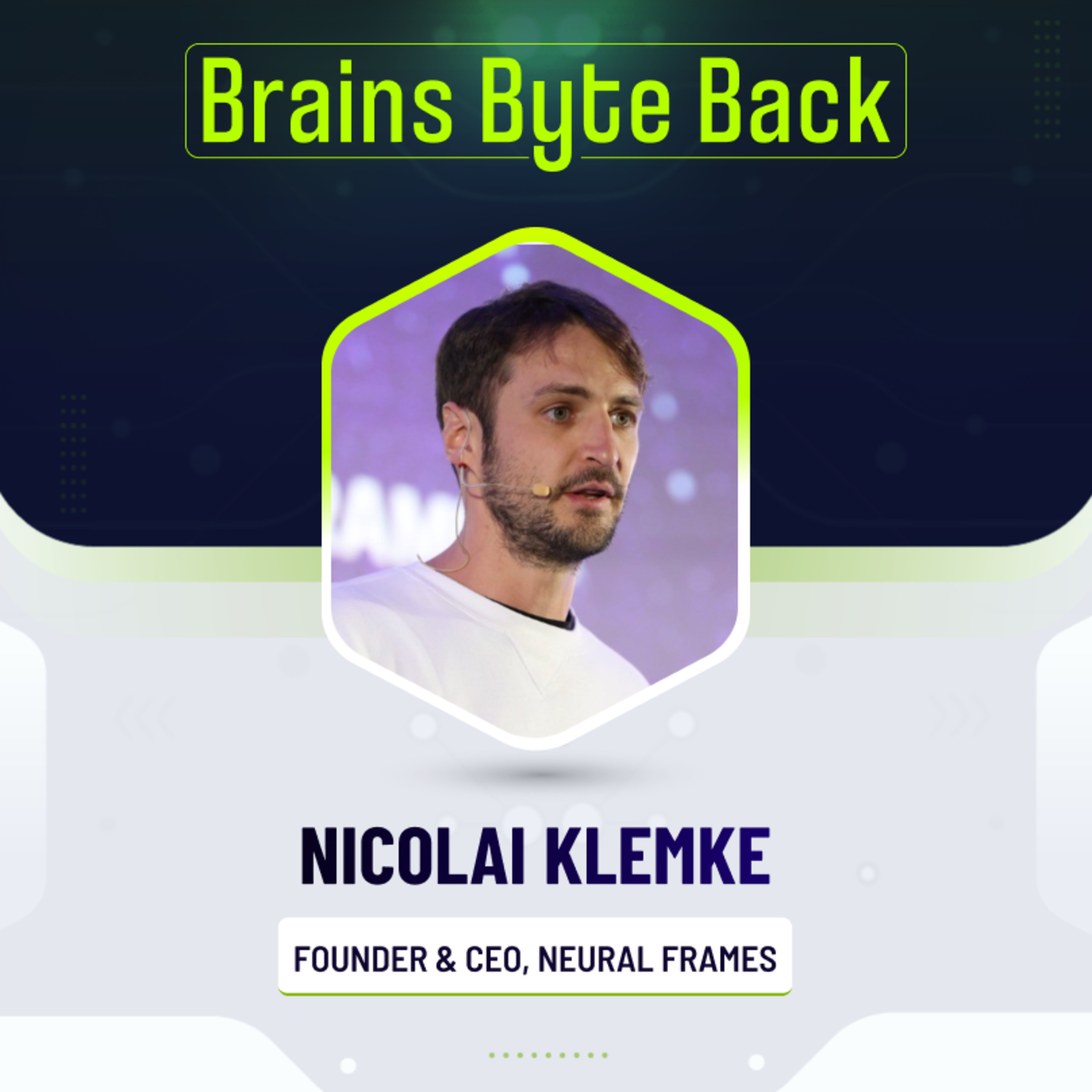
You Made the Song. Now What? How Neural Frames Is Giving Independent Musicians a Visual Voice
Nicolai Klemke has always lived at the intersection of science and art. A physicist by day, a rapper finding his place in Berlin's music scene by night. That unique combination of analytical thinking and creative drive is exactly what led him to build neural frames, one of the first AI platforms built specifically for independant musicians who want to bring their music to life visually. Not for marketers. Not for brands. Just for people who make music and want to share it visually. And here's why that matters right now; 84% of Gen Z discovers new music through short-form video. If you're an artist putting music out into the world without a visual component, you're essentially invisible to an entire generation of listeners. Neural frames exists to change that, and in this episode, Nico breaks down exactly how. Nico also touches on something bigger. The idea that AI tools are opening up an entirely new form of artistic expression for people who never considered themselves filmmakers or animators. You just need a song and something you want to say. For a growing number of people, creating AI music videos has become a creative outlet in its own right. A hobby that sits somewhere between music, visual art, and storytelling that flat out didn't exist five years ago. If you're a musician, a creative, or someone who's just been curious about where AI and human expression are actually headed together, then you'll enjoy this episode. Find out more about Nicolai Klemke here. Learn more about neural frames here . Reach out to today's host, Erick Espinosa - erick@sociable.co Get the latest on tech news - https://sociable.co/ Leave an iTunes review - https://rb.gy/ampk26 Follow us on your favourite podcast platform - https://link.chtbl.com/rN3x4ecY
March 17, 202626 min
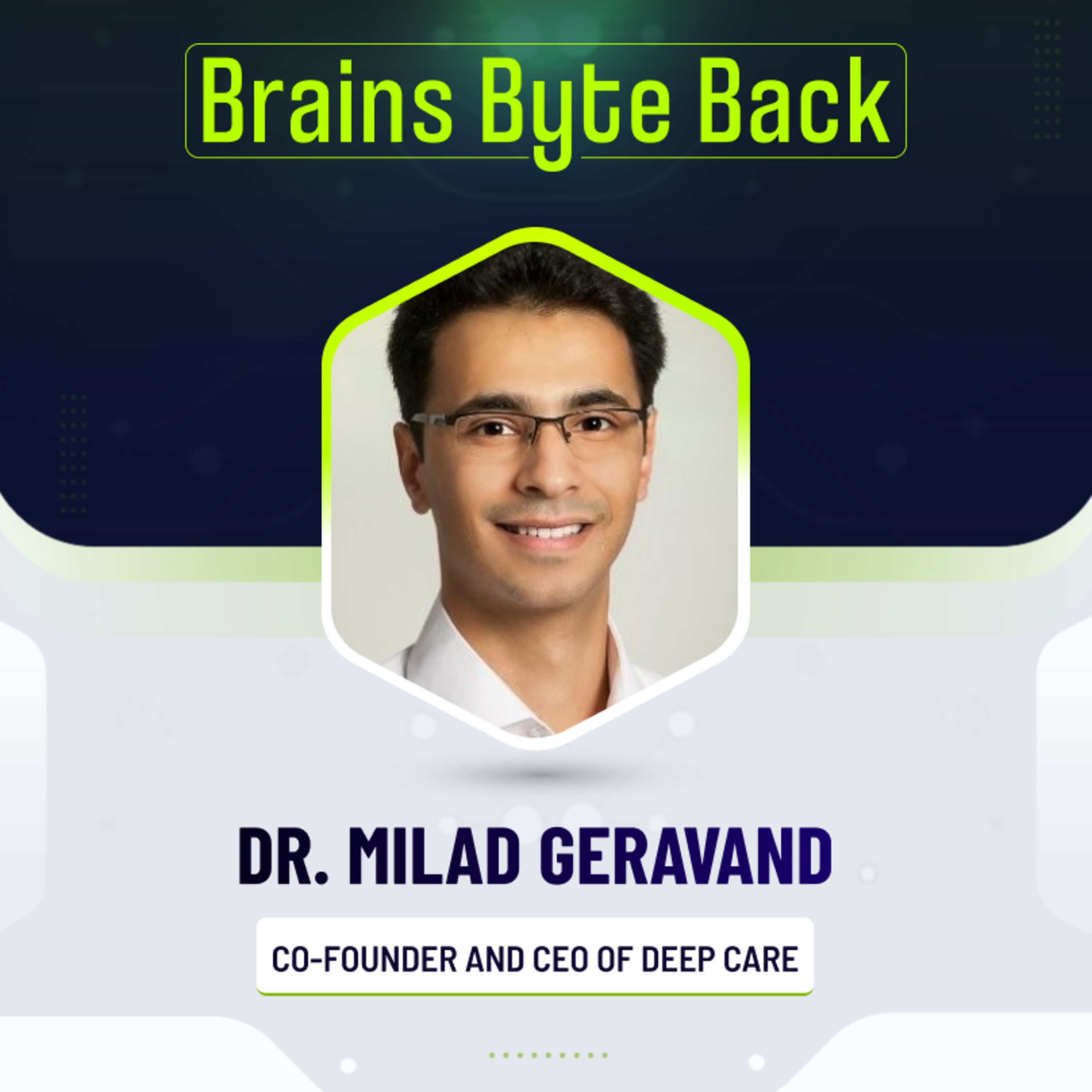
What Sitting All Day Is Doing to Your Body (And Why You Don’t Notice It)
Millions of people across the globe spend an average of 8–10 hours a day sitting at a desk, and research increasingly shows that long periods of idling are linked to higher risks of diabetes, heart disease, and other chronic health problems. And going to the gym for one hour does little to cancel the effects of sitting for too long. We’re learning that our well-being is shaped just as much by what happens the rest of the day. In this episode of Brains Byte Back , host Erick Espinosa speaks with Dr. Milad Geravand , co-founder and CEO of Deep Care, about why the modern desk job has quietly become a health risk we need recognize and how new AI-powered tools could help change that. Dr. Geravand created Isa , an AI-powered desk device designed to monitor posture, movement, and workplace conditions in real time. Unlike traditional fitness trackers that focus on workouts, Isa focuses on the 8–10 hours people spend sitting during the workday . In this conversation, they explore: • Why sitting all day affects metabolism and long-term health • Why exercise alone may not undo sedentary habits • How AI can support healthier behavior without invading privacy • What companies can do to improve employee health and productivity Find out more about Dr. Milad Geravand, here. Learn more about Deep CareI, here . Reach out to today's host, Erick Espinosa - erick@sociable.co Get the latest on tech news - https://sociable.co/ Leave an iTunes review - https://rb.gy/ampk26 Follow us on your favourite podcast platform - https://link.chtbl.com/rN3x4ecY
February 18, 202622 min
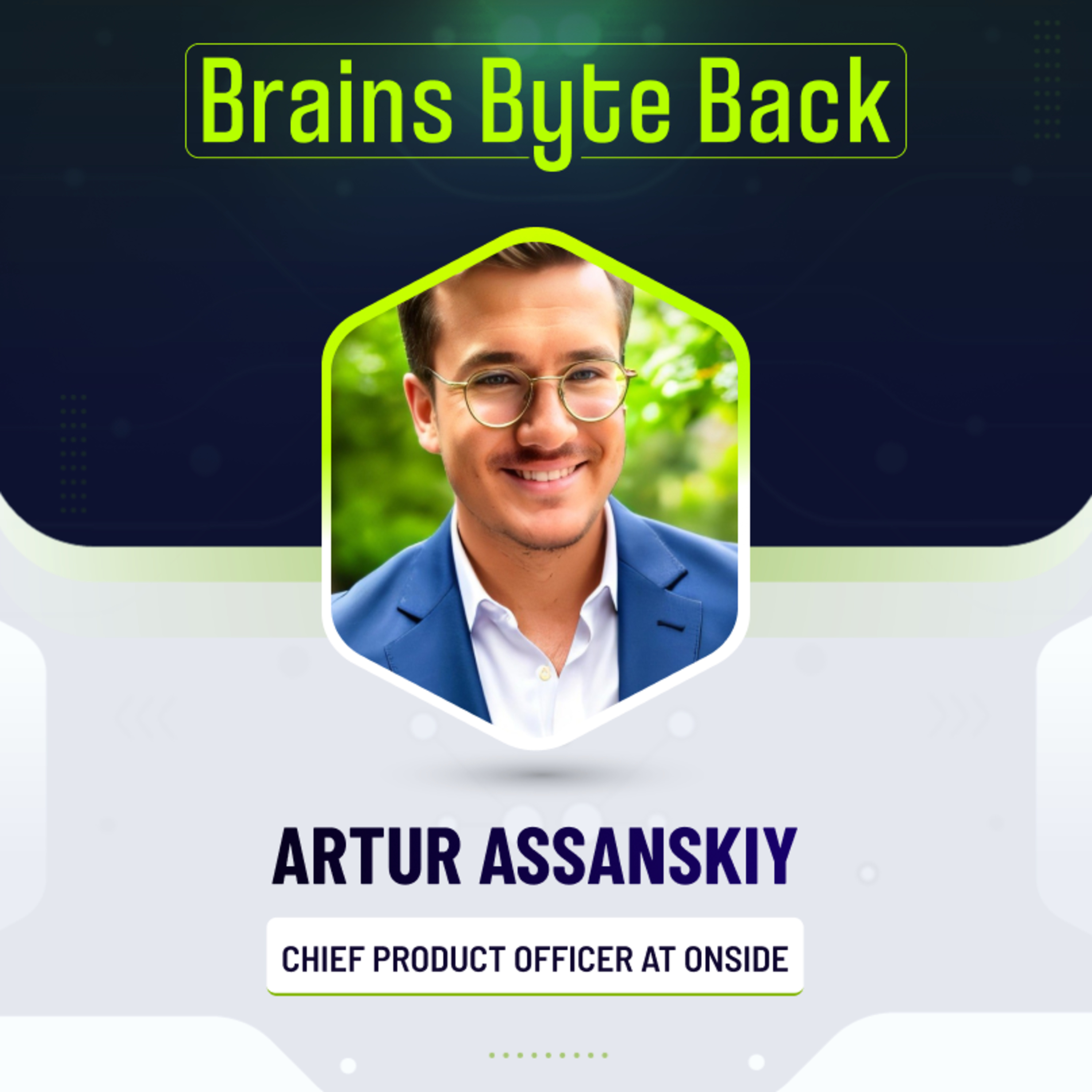
The Push and Pull: How and Why the EU Forced Apple to Open iPhone App Distribution
72% of smartphones run Android. Just 28% run iOS. Yet Apple’s App Store generates billions—because for years, it controlled the only path to iPhone users. Until March 2024. The EU’s Digital Markets Act forced Apple to open iOS to alternative app marketplaces, legally shifting the iPhone from a closed console to something closer to an open computer. But the transition came with friction, including a controversial install Core Technology Fee that left many developers questioning what “open” really meant. In this episode, Erick Espinosa sits down with Artur Assanskiy, Chief Product Officer at Onside, to unpack what actually changed, why developers hesitated, and how alternative iOS distribution is evolving in Europe. Find out more about Artur Assanskiy here. Learn more about Onside here. Reach out to today's host, Erick Espinosa - erick@sociable.co Get the latest on tech news - https://sociable.co/ Leave an iTunes review - https://rb.gy/ampk26 Follow us on your favourite podcast platform - https://link.chtbl.com/rN3x4ecY
Is this your show?
Claim this listing to keep it up to date, reach guests who want to pitch you, and manage bookings with Guestify.